Filters
 Loading…
Particle and dirt separator
A particle and dirt separator is used to remove dirt particles, magnetite, sludge and other contamination from heating water. In this category, you will find magnetic dirt separators and particle separators for central heating systems, heat pumps, hybrid systems, underfloor heating, buffer tanks and other water-based heating systems.
When choosing a particle and dirt separator, connection size, bore, installation position, dirt collection, magnetic separation, maintenance access, water flow and system compatibility are important. Hewa supplies dirt separators for installers, business customers and private applications where system protection, fault prevention and reliable operation are essential.
Brands



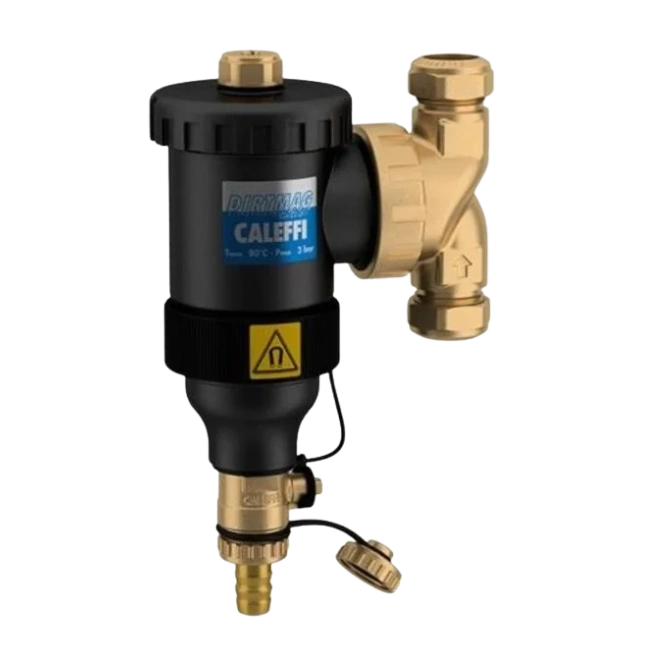
Caleffi 5453 DIRTMAG® - Magnetic dirt separator compression DN 25 (28 mm)
Item no. 135428EAN 8016615373806
Price excl. VAT€ 133,84Price incl. VAT€ 134,95
On backorder
Added
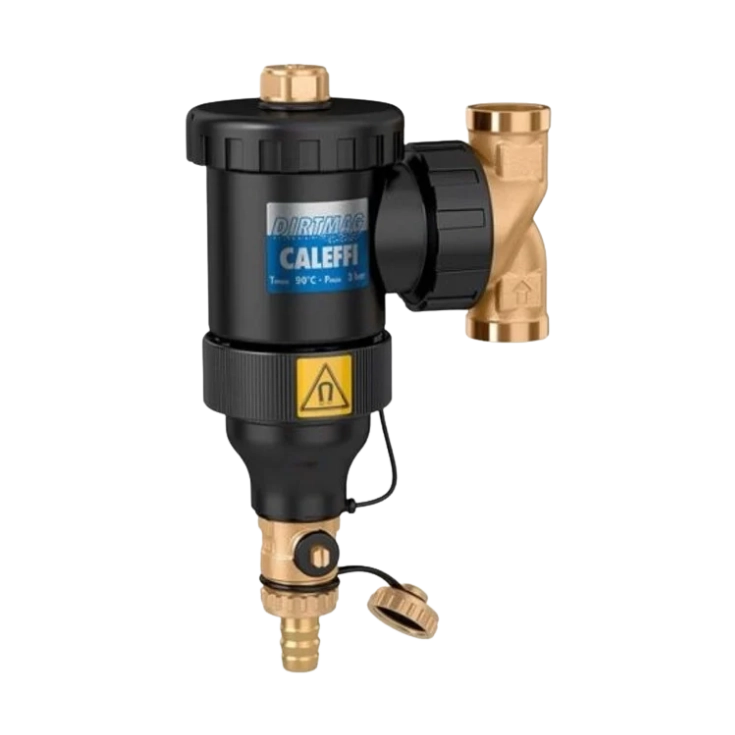
Caleffi 5453 DIRTMAG® - Magnetic dirt separator (1")
Item no. 135401EAN 8016615373820
Price excl. VAT€ 138,67Price incl. VAT€ 167,79
On backorder
Added
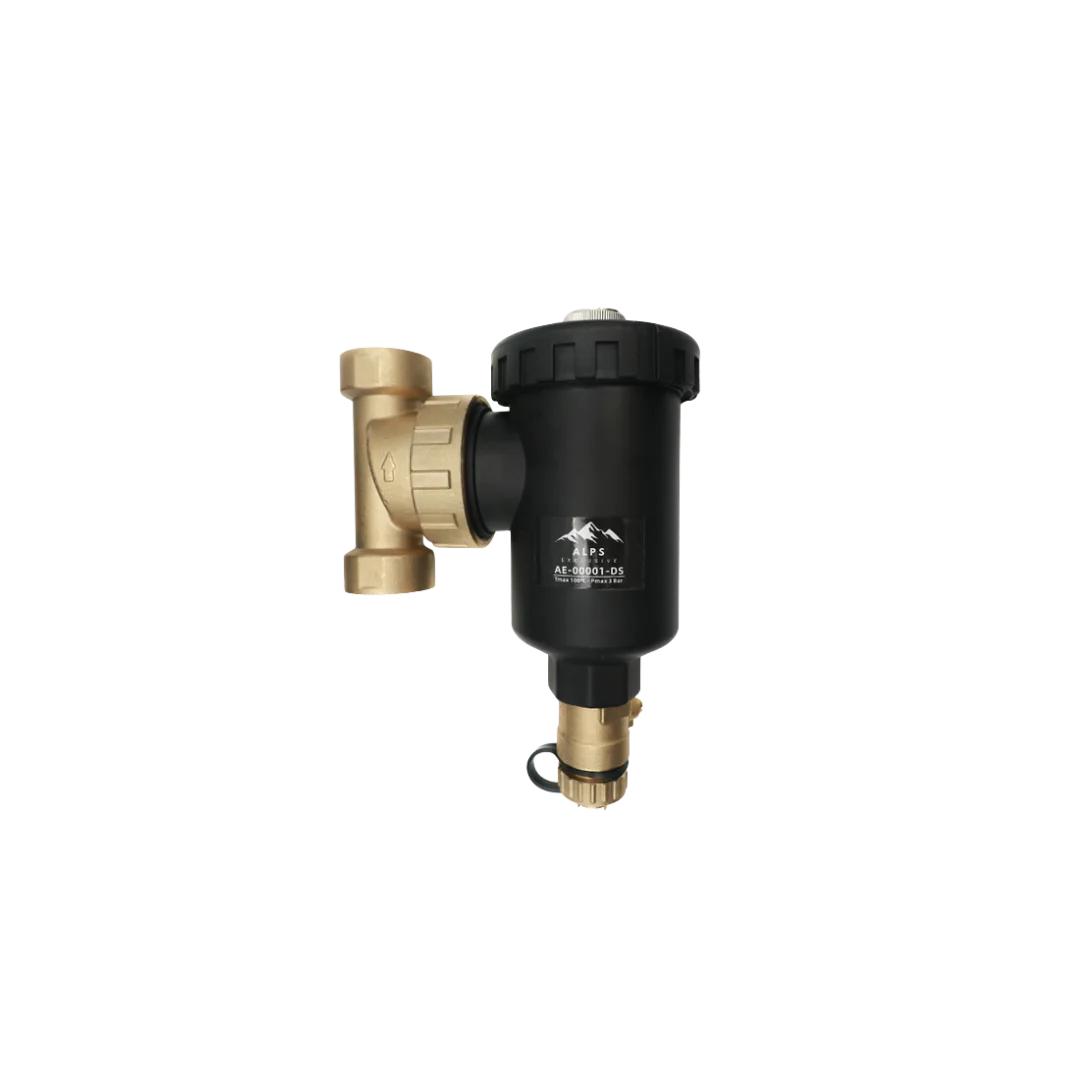
ALPS EXCLUSIVE AE-00001-DS - Magnetic dirt separator 1" female thread
Item no. 390155EAN 8721082877503
Price excl. VAT€ 82,60Price incl. VAT€ 99,95
In stock
Added
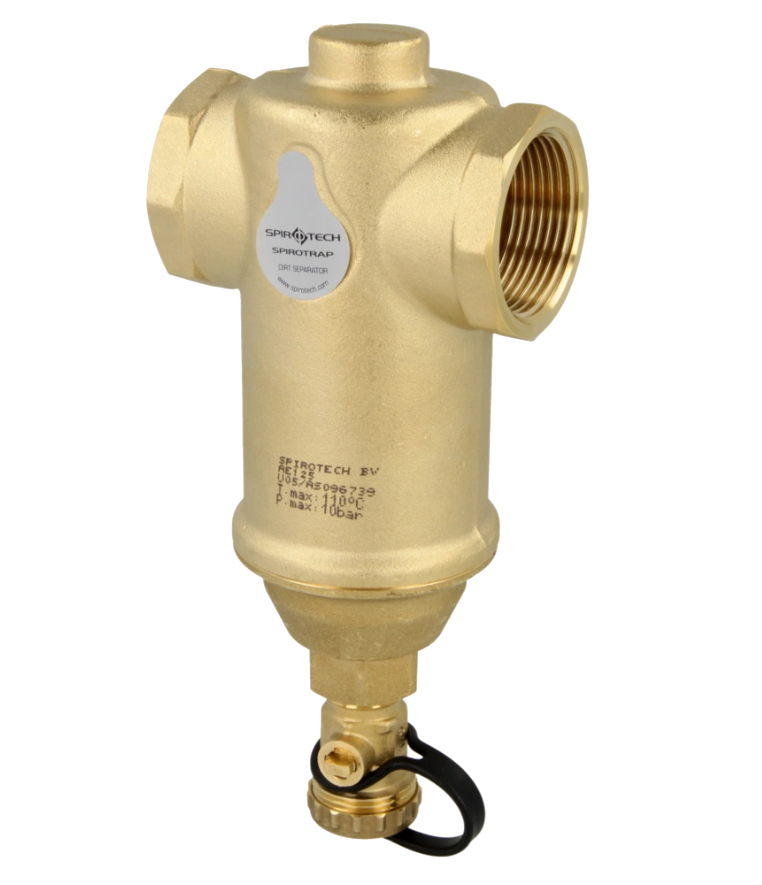
Spirotech SpiroTrap AE100 - Dirt and sludge separator 1" female thread
Item no. 281100EAN 8717811000717
Price excl. VAT€ 107,40Price incl. VAT€ 129,95
In stock
Added
Choosing a particle and dirt separator
A particle and dirt separator protects heating installations against dirt, sludge, magnetite and other small particles that can circulate in the system water. This contamination can be caused by corrosion, installation work, pipe materials or older system components. By removing dirt from the water in time, pumps, valves, heat exchangers and control components remain better protected.
When selecting a separator, connection size, bore, installation position, magnetic separation, maintenance convenience and water flow are important. For additional solutions, also view air separators and air vents for heating systems, circulation pumps for reliable flow and sealants for leak-free installation.
Important for dirt separators
- Choose the correct connection size, such as 1" female thread or a suitable compression connection
- Check whether the separator is suitable for central heating, heat pump or hybrid installations
- Pay attention to magnetic separation for capturing magnetite and metal particles
- Install the separator in a position where maintenance and cleaning are easy
- Check flow direction, water flow and pressure loss within the system
- Combine dirt separation with proper air venting and system flushing where required
Why dirt separation matters for heating and heat pumps
In water-based heating systems, dirt particles and magnetite can cause faults over time. Modern components such as high-efficiency pumps, control valves and plate heat exchangers are especially sensitive to contamination. A magnetic dirt separator helps remove these particles from the system water before they cause damage or blockage.
With heat pumps, a clean water-side installation is especially important. Contamination can affect water flow, heat transfer and fault sensitivity. By installing a suitable dirt separator, the system is better protected and maintenance can be carried out more clearly.
The correct version depends on pipework, connection, system volume, water flow and position within the hydraulic diagram. Always check the technical specifications of the separator and match them to the installation.
Frequently asked questions about particle and dirt separators
What does a particle and dirt separator do?
A particle and dirt separator removes dirt particles, sludge, magnetite and other contamination from heating water. This helps protect components such as pumps, valves, heat exchangers and pipework.
Why is a magnetic dirt separator important?
A magnetic dirt separator can remove magnetite and metal particles from the water. These particles often occur due to corrosion in heating systems and can cause damage or blockages in pumps, valves and heat exchangers.
Where should a dirt separator be installed?
Placement depends on the system diagram, but a dirt separator is often installed where dirt can be captured effectively and maintenance remains accessible. With heat pumps, protection of the heat exchanger and circulation pump is often considered.
Is a dirt separator suitable for heat pumps?
Yes, a dirt separator is often very suitable for heat pump systems. A clean water-side installation supports stable flow, improved heat transfer and protection of sensitive components.
What should an installer check during installation?
An installer should check connection size, flow direction, water flow, pressure loss, maintenance space, cleaning options, position in the hydraulic diagram and compatibility with the heating system.