Filters
 Loading…
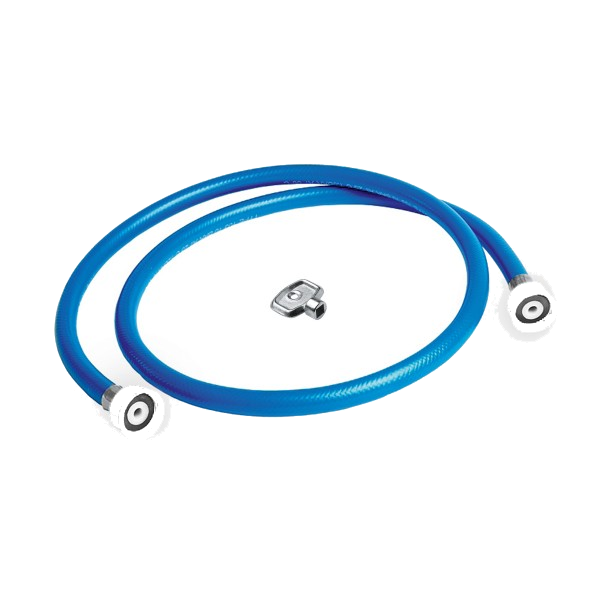
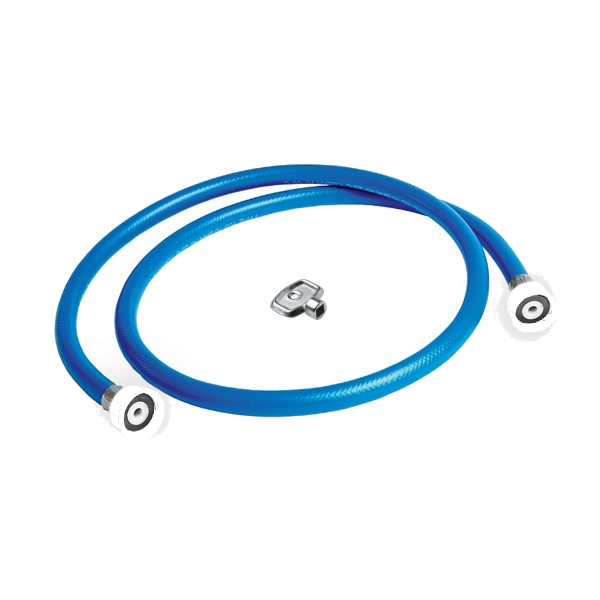
Filling hose
Filling hoses are used for filling, refilling and sometimes draining heating systems, boilers and other hydronic heating installations. With a suitable filling hose, the system can be brought to the correct pressure in a controlled way and water can be safely supplied to the installation.
At Hewa, you will find filling hoses and filling hose sets for installation, service work, maintenance and technical replacement. When selecting the right hose, check length, connection size, hose quality, couplings, pressure suitability and the connection to the filling valve or drain valve.
Brands

Selecting a filling hose
A filling hose is used to fill or refill a heating system, boiler or hydronic heating installation in a controlled way. The hose is usually connected between a water point and the filling valve or drain valve of the installation. This allows the installer or user to bring the system pressure to the correct level.
When selecting a filling hose, length, connection size, coupling type, hose quality and pressure suitability are important. A hose that is too short limits working space, while an incorrect connection can cause leakage or unsafe installation. Always check whether the filling hose matches the installation connection and the available water point.
Important when choosing filling hoses
- Select the correct hose length for the distance between water point and installation
- Check the connection size of the couplings and filling valve
- Check hose quality, pressure suitability and kink resistance
- Use a suitable filling and drain valve for safe filling or draining
- Always monitor system pressure with a pressure gauge during filling
- Vent the installation after filling when required
- Have service work carried out by a qualified installer
Filling, refilling and pressure control
A filling hose is often used together with other components involved in pressure control within a heating system. For a safe and controllable installation, expansion vessels for pressure absorption, pressure relief valves for pressure protection and shut-off valves and valves for service and connection are also relevant components.
When filling an installation, system pressure should be built up slowly. Filling too quickly can cause trapped air, while excessive pressure can lead to water discharge through the pressure relief valve. Always check the specified filling pressure, the condition of the expansion vessel and any leakage points around fittings, shut-off valves and system components.
Frequently asked questions about filling hoses
What is a filling hose used for?
A filling hose is used to fill or refill a heating system, boiler or hydronic heating installation with water. The hose connects a water point to the filling valve or filling and drain valve of the installation.
What length filling hose do I need?
The correct length depends on the distance between the water point and the installation. Choose a hose that is long enough to connect without tension, kinks or unsafe bends.
What should I check when connecting it?
Check whether the couplings fit properly, whether the hose is undamaged and whether the shut-off valves can open and close correctly. Fill slowly and monitor system pressure during the process.
Does the installation need to be vented after filling?
Yes, in many cases a heating system must be vented after filling. Air in the system can cause flow noise, reduced heat output or system faults.
When should a filling hose be replaced?
Replacement is recommended when the hose leaks, dries out, is damaged, kinks, does not connect properly or can no longer be used safely. Also inspect the couplings and seals.