Filters
 Loading…
Air conditioner accessories
Air conditioning accessories are used for practical mounting, support, condensate drainage, vibration damping and finishing of split and multi split air conditioning installations. This includes support feet, air conditioner base supports, condensate hoses, anti-vibration mats and additional installation aids.
At Hewa, you will find air conditioning accessories for homes, offices, retail spaces, workshops and project-based installations. When selecting the right accessories, check outdoor unit placement, support surface, vibration damping, condensate drainage, mounting position, surface type, pipe route and compatibility with the selected air conditioning system.
Brands



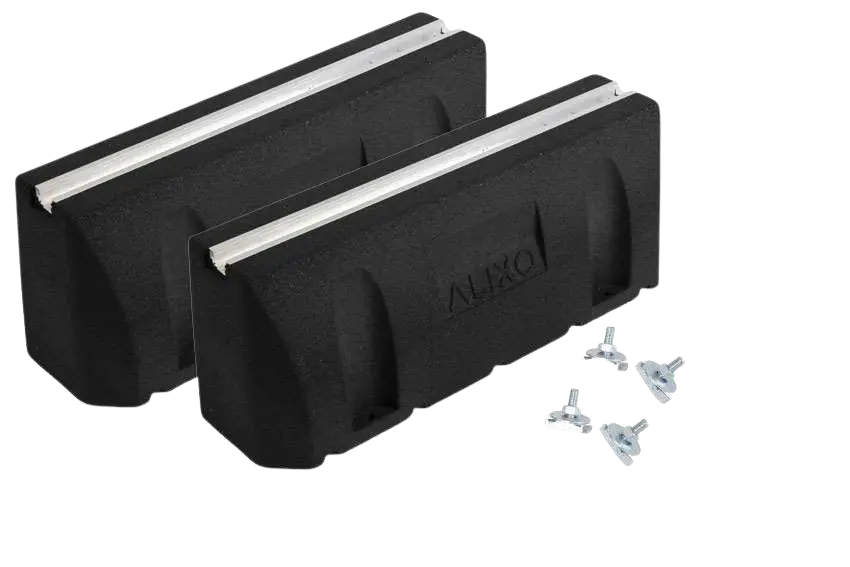
Alixo ALX-1411 - MAMUT Foots 60 cm (set of 2, with insert nuts)
Item no. 071411EAN 5414618026447
Price excl. VAT€ 71,07Price incl. VAT€ 85,99
On backorder
Added
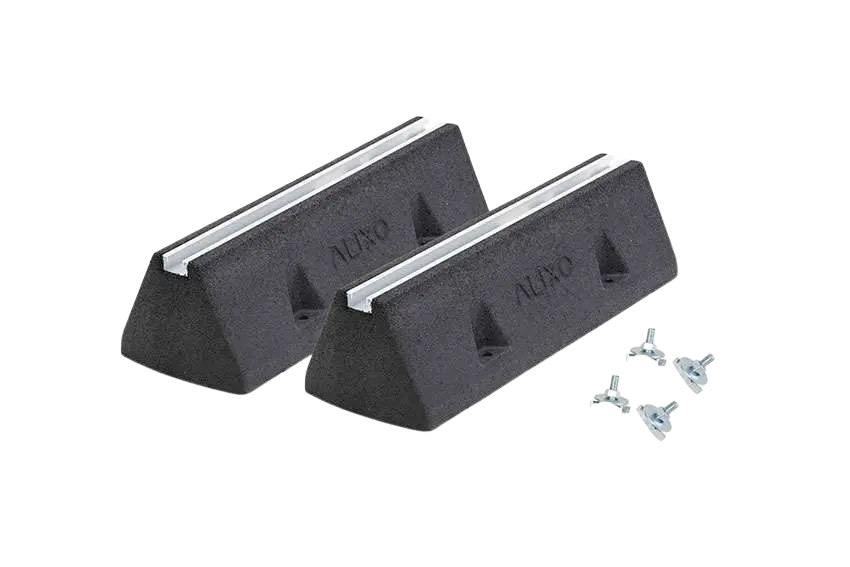
Alixo ALX-1119 - High Foots 60 cm (set of 2, with insert nuts)
Item no. 071119EAN 5414618836282
Price excl. VAT€ 57,84Price incl. VAT€ 69,99
On backorder
Added
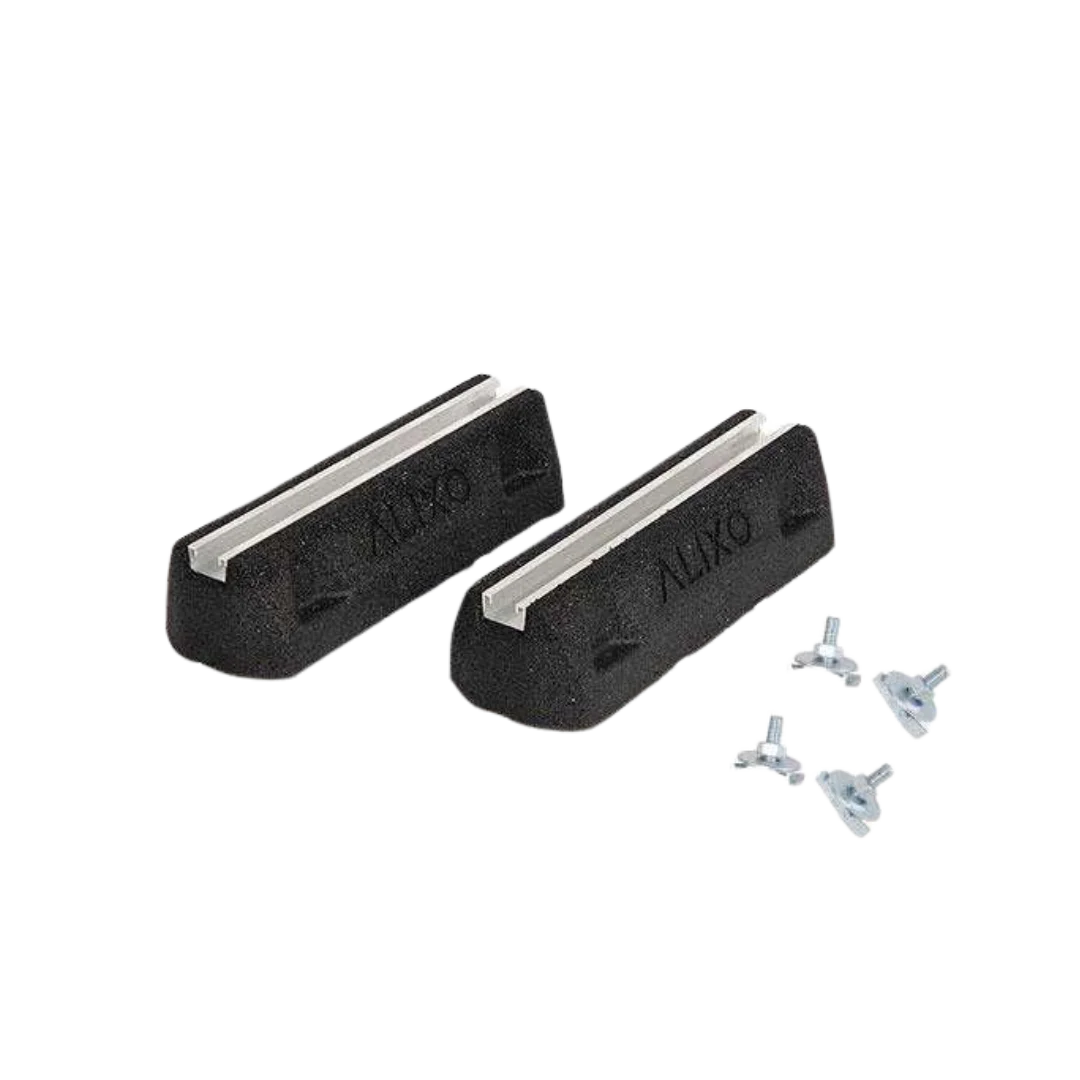
ALIXO ALX-1249-000 - Air Conditioning Support Block 40 cm (Set of 2)
Item no. 071249EAN 5414618763953
Price excl. VAT€ 28,93Price incl. VAT€ 35,01
In stock
Added
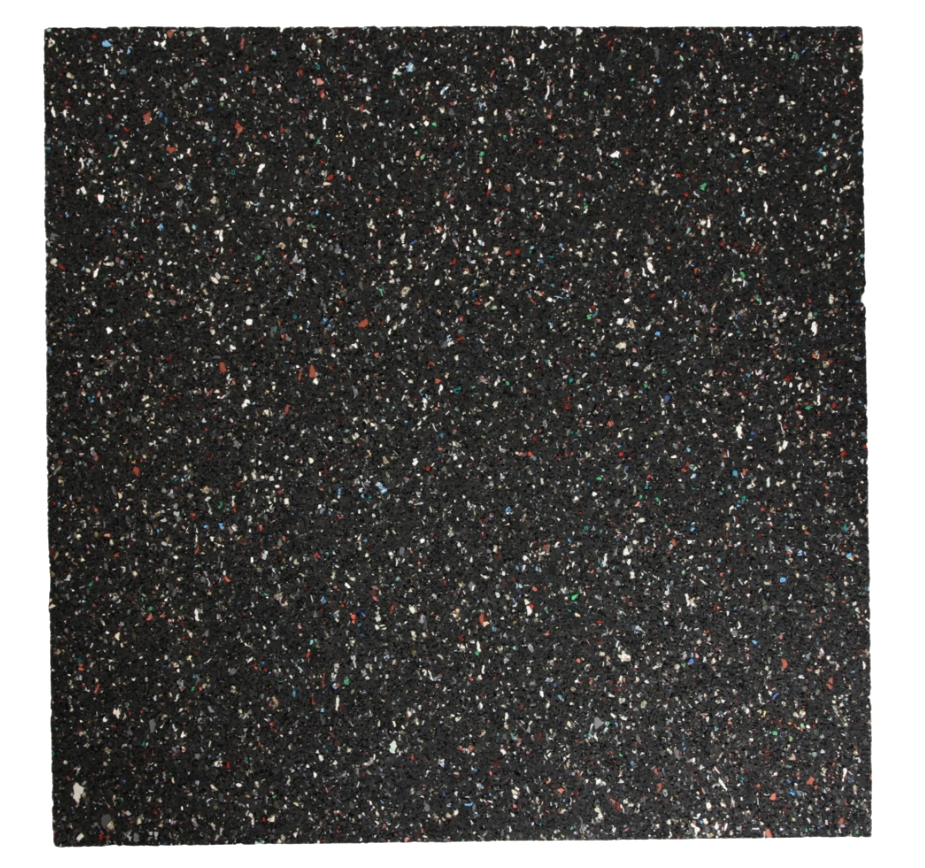
OEG 777000076 - Rubber anti-vibration mat (60 x 60 x 2 cm)
Item no. 340076EAN 8721225901409
Price excl. VAT€ 41,28Price incl. VAT€ 49,95
Low stock
Added
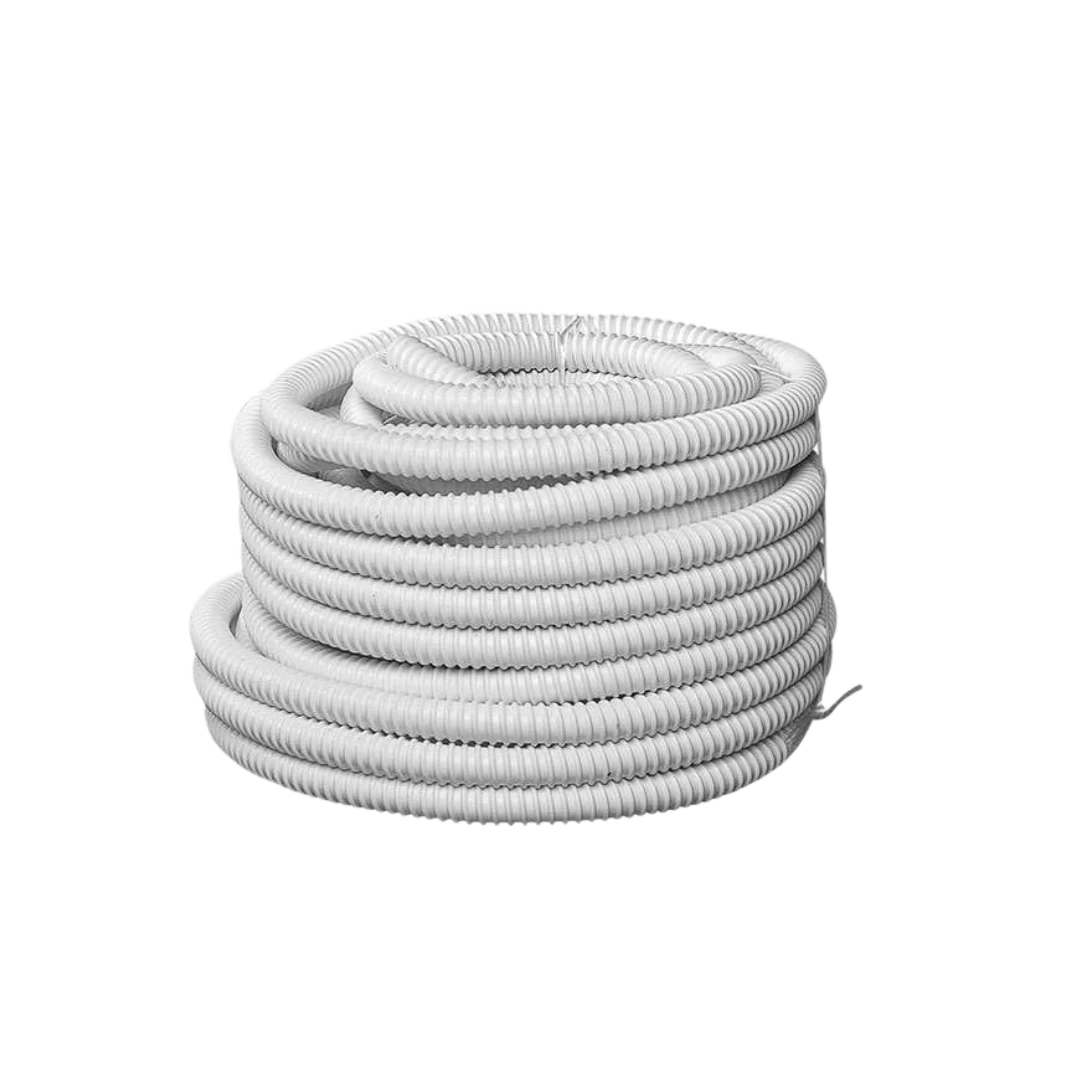
ALIXO ALX-2250-000 - Smooth Condensate Drain Hose Ø20 mm (30 m roll)
Item no. 072250EAN 5414618008009
Price excl. VAT€ 33,84Price incl. VAT€ 40,95
On backorder
Added
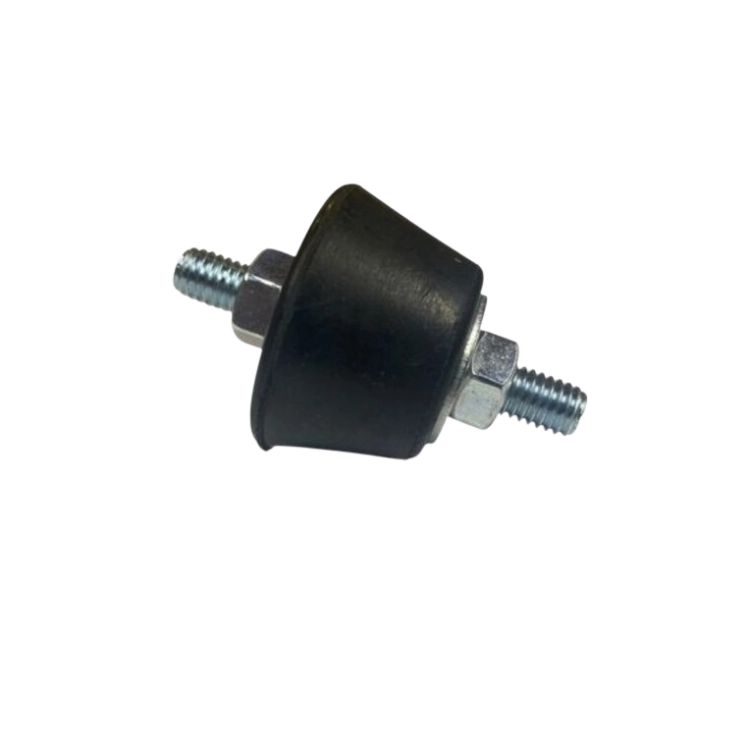
Anti-vibration mount M8 - medium design (35/50 kg) - set of 2
Item no. 493715EAN 47283583
Price excl. VAT€ 10,70Price incl. VAT€ 12,95
On backorder
Added
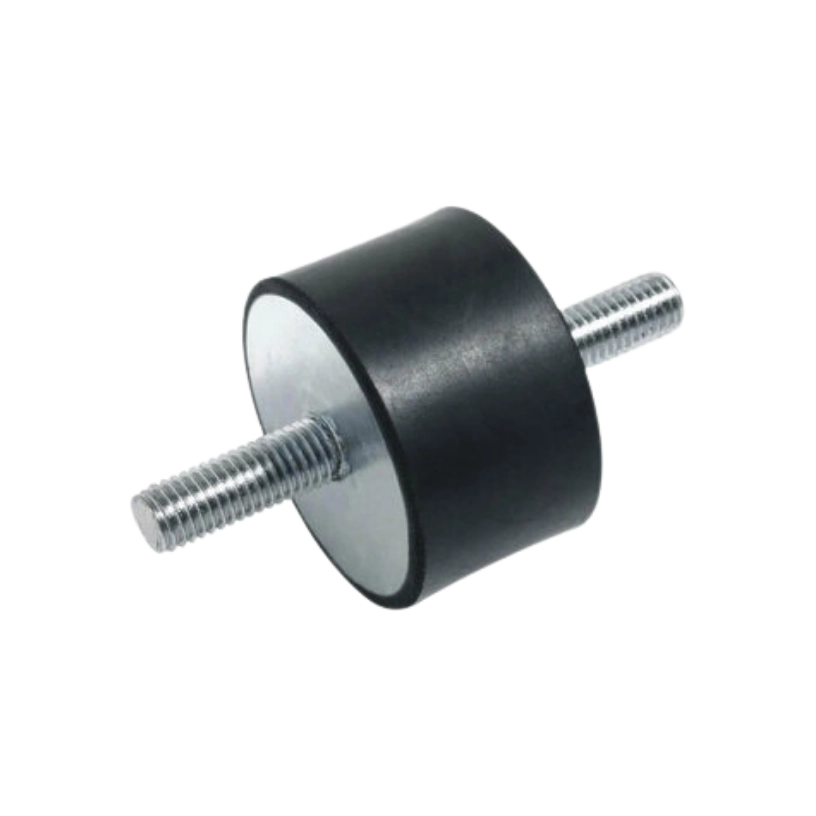
Anti-vibration mount M8 - medium rubber (35/50 kg)
Item no. 493635EAN 8721082877701
Price excl. VAT€ 14,80Price incl. VAT€ 17,91
Low stock
Added
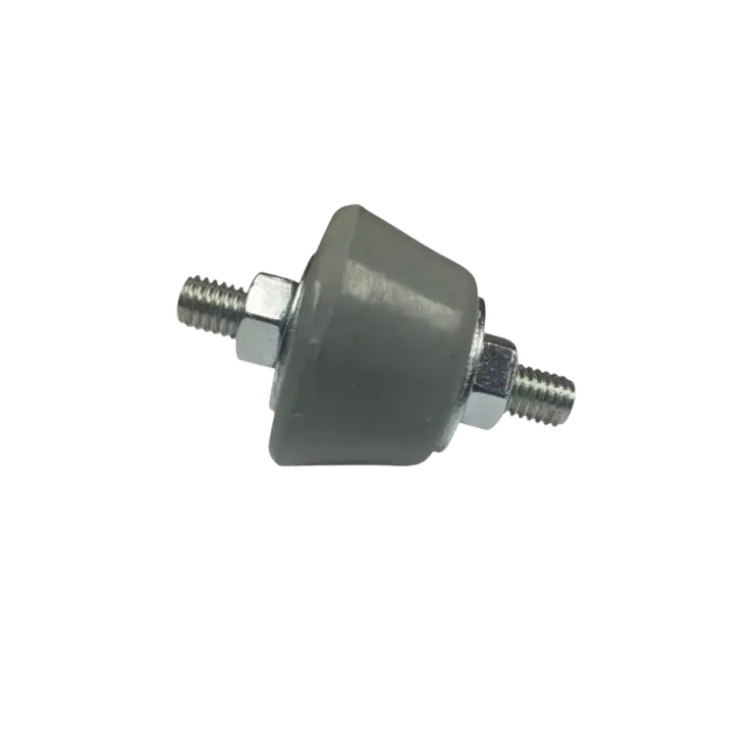
Anti-vibration mount M8 - soft rubber (15/35 kg) - set of 2
Item no. 493735EAN 47283582
Price excl. VAT€ 8,30Price incl. VAT€ 10,04
On backorder
Added
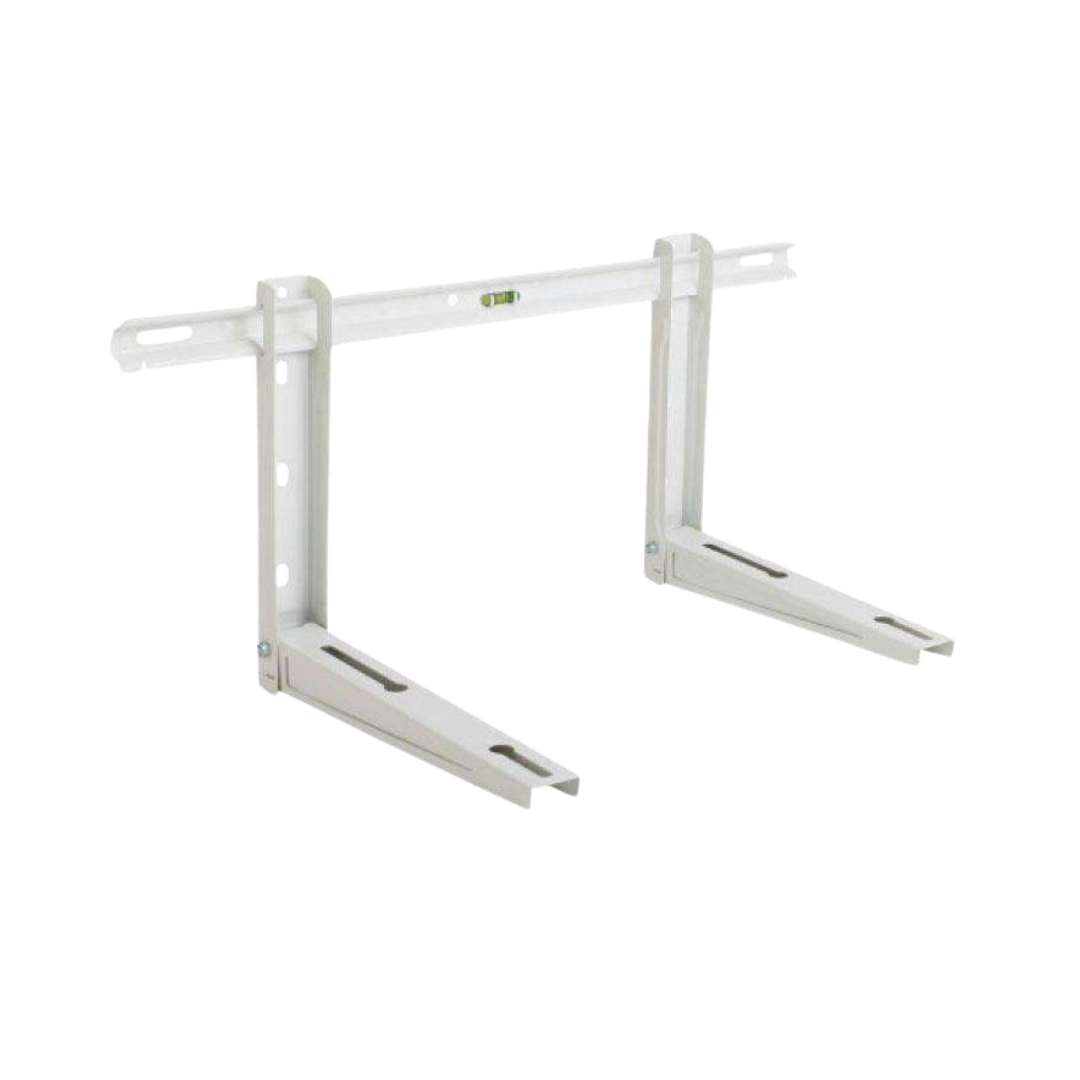
ALIXO ALX-6060-000 - Wall mounting bracket air conditioner (60+60 kg)
Item no. 076060EAN 5414618325144
Price excl. VAT€ 24,79Price incl. VAT€ 30,00
On backorder
Added
Selecting air conditioning accessories
Air conditioning accessories are used to finish an air conditioning installation practically, securely and neatly. This category includes support feet, air conditioner base supports, condensate hoses, anti-vibration mats and additional installation aids. These parts mainly support outdoor unit placement, condensate drainage, noise reduction and overall installation finishing.
The correct choice depends on installation location, outdoor unit weight, surface type, pipe route, condensate drainage and required vibration damping. For the complete installation setup, also review air conditioning installation material, mounting material for air conditioning installation and trunking for air conditioning finishing.
Important when choosing air conditioning accessories
- Check whether the accessory is suitable for split or multi split air conditioning installations
- Match support feet, base supports or rubber mats to outdoor unit weight and dimensions
- Use anti-vibration material to reduce structure-borne noise and vibration
- Check condensate hose, hose diameter, slope and drainage route
- Check that the outdoor unit remains stable, level and accessible for service
- Allow for weather exposure, UV impact, surface type and water drainage
- Always combine accessories with the technical requirements of the air conditioning system
Support, damping and condensate drainage
An air conditioner outdoor unit must be placed stably and should not transfer unnecessary vibration to the façade, roof, balcony or floor structure. Support feet, MAMUT Foots, High Foots and anti-vibration mats help support the unit more effectively and reduce structure-borne noise. This is especially important when installing on flat roofs, balconies, lightweight structures or in situations where sound is a key concern.
Condensate drainage also requires attention. Condensate water must be able to drain without backflow, leakage or blockage. A suitable condensate hose helps prevent unwanted water accumulation around the indoor or outdoor unit and contributes to a neat installation. Always check hose diameter, length, route, slope and frost-sensitive sections before finishing the installation.
Frequently asked questions about air conditioning accessories
What are air conditioning accessories used for?
Air conditioning accessories are used for support, finishing, condensate drainage, vibration damping and additional installation of split and multi split air conditioning systems.
When should I use air conditioner support feet?
Support feet or base supports are used to place an outdoor unit securely on a floor, flat roof, balcony or other suitable surface. Always check load capacity, dimensions and mounting position.
Why is anti-vibration material important?
Anti-vibration material helps reduce vibration and structure-borne noise from the outdoor unit. This limits noise transfer to the roof, wall, balcony, floor or supporting structure.
Which condensate hose do I need?
The correct condensate hose depends on connection, hose diameter, length, drainage route and mounting position. Condensate water must drain reliably without backflow or leakage.
What should an installer check when selecting air conditioning accessories?
Check load capacity, outdoor unit weight, surface type, vibration damping, condensate drainage, service access, weather exposure, pipe route and the technical documentation of the air conditioning system.