Filters
 Loading…
Air conditioner indoor unit
An air conditioner indoor unit provides air distribution, temperature control and room-side operation. The indoor unit works together with a matching outdoor unit and is used for cooling, heating, dehumidification and comfortable air distribution.
At Hewa, you will find air conditioner indoor units for split air conditioning combinations, including wall-mounted indoor units in different capacities. When selecting the right unit, check BTU capacity, cooling capacity, heating capacity, compatibility with the outdoor unit, pipe length, mounting position, sound level and condensate drainage.
Brands

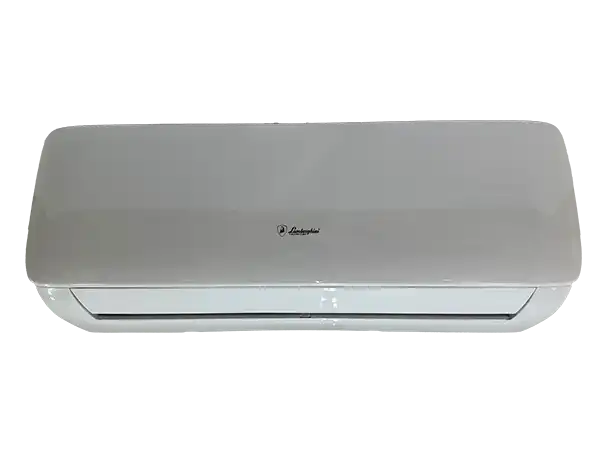
Lamborghini Caloreclima 9K - Wall-mounted indoor unit (2.5 kW / 9000 BTU)
Item no. 220926EAN 8721225900587
Price excl. VAT€ 231,00Price incl. VAT€ 279,51
In stock
Added
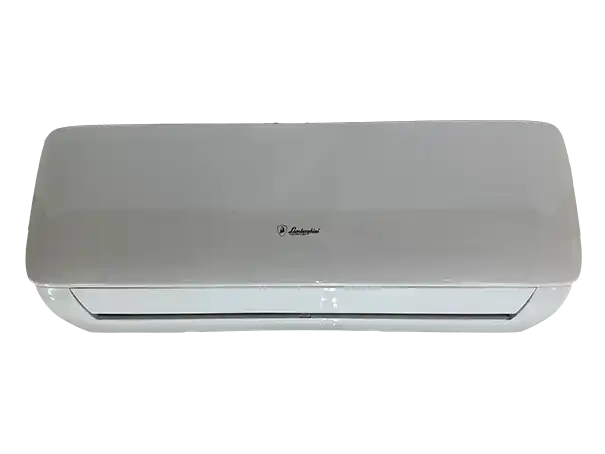
Lamborghini Caloreclima 12K - Wall-mounted indoor unit (3.5 kW / 12000 BTU)
Item no. 221236EAN 8721225900594
Price excl. VAT€ 252,00Price incl. VAT€ 304,92
In stock
Added
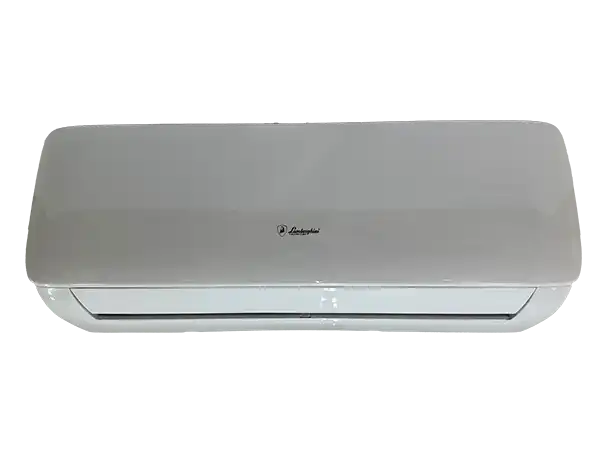
Lamborghini Caloreclima 18K - Wall-mounted indoor unit (5.0 kW / 18000 BTU)
Item no. 221851EAN 8721225900600
Price excl. VAT€ 314,01Price incl. VAT€ 379,95
Low stock
Added
Selecting an air conditioner indoor unit
An air conditioner indoor unit is the visible part of a split air conditioning system inside the room. The indoor unit blows cooled or heated air, distributes airflow and handles control, temperature measurement and comfort settings. With wall-mounted indoor units, the correct capacity, placement and combination with the outdoor unit are especially important.
Air conditioner indoor units are used in homes, offices, retail spaces, practice rooms, workshops and project-based climate installations. For systems with several rooms, multi split air conditioning is relevant. Always check the combination with the correct air conditioner outdoor unit.
Important when choosing air conditioner indoor units
- Check whether the indoor unit is technically compatible with the selected outdoor unit
- Select the correct capacity, such as 9000, 12000, 18000 or 24000 BTU
- Match cooling capacity and heating capacity to room volume and heat load
- Check sound level, air distribution, fan speeds and control options
- Check mounting height, wall position, free airflow space and service access
- Allow for refrigerant pipework, condensate drain, power cable and communication cable
- Have connection and commissioning carried out by a qualified F-gas technician
Wall-mounted indoor unit for cooling and heating
A wall-mounted indoor unit is usually installed high on the wall so that air can be distributed effectively throughout the room. The position of the indoor unit largely determines comfort. An incorrectly positioned unit can cause draughts, uneven air distribution or condensate drainage issues. Furniture, doors, windows, ceiling height and the required airflow pattern should therefore be checked in advance.
With separate air conditioner indoor units, compatibility is especially important. The indoor unit must match the brand, series, capacity and technical connections of the outdoor unit. Always check model code, BTU capacity, refrigerant pipework, communication connection, power specifications and permitted combinations before selecting or replacing an indoor unit.
Frequently asked questions about air conditioner indoor units
What is an air conditioner indoor unit?
An air conditioner indoor unit is the indoor part of a split air conditioning system. The unit distributes cooled or heated air inside the room and works together with a matching outdoor unit.
Can every indoor unit be connected to every outdoor unit?
No, an air conditioner indoor unit must be technically compatible with the outdoor unit. Always check brand, series, model code, capacity, connections and permitted combinations.
Which indoor unit capacity do I need?
The correct capacity depends on room volume, insulation, window area, solar load, usage profile and required temperature. Common capacities include 9000, 12000, 18000 and 24000 BTU.
Where should a wall-mounted indoor unit be installed?
A wall-mounted indoor unit is usually installed high on the wall, with sufficient free space for air circulation, service access, condensate drainage and a short logical pipe route to the outdoor unit.
Who may connect an air conditioner indoor unit?
Connecting an indoor unit to the refrigerant circuit must be carried out by a qualified F-gas technician. Electrical connection, condensate drainage and communication cable must also be installed correctly.