Filters
 Loading…
Safety plugs
Safety plugs are used for reliable electrical connections on appliances, machines, technical installations and service work.
The correct safety plug depends on voltage, current rating, connection type, cable type, application, mounting environment and the required level of safety and ease of use.
Brands

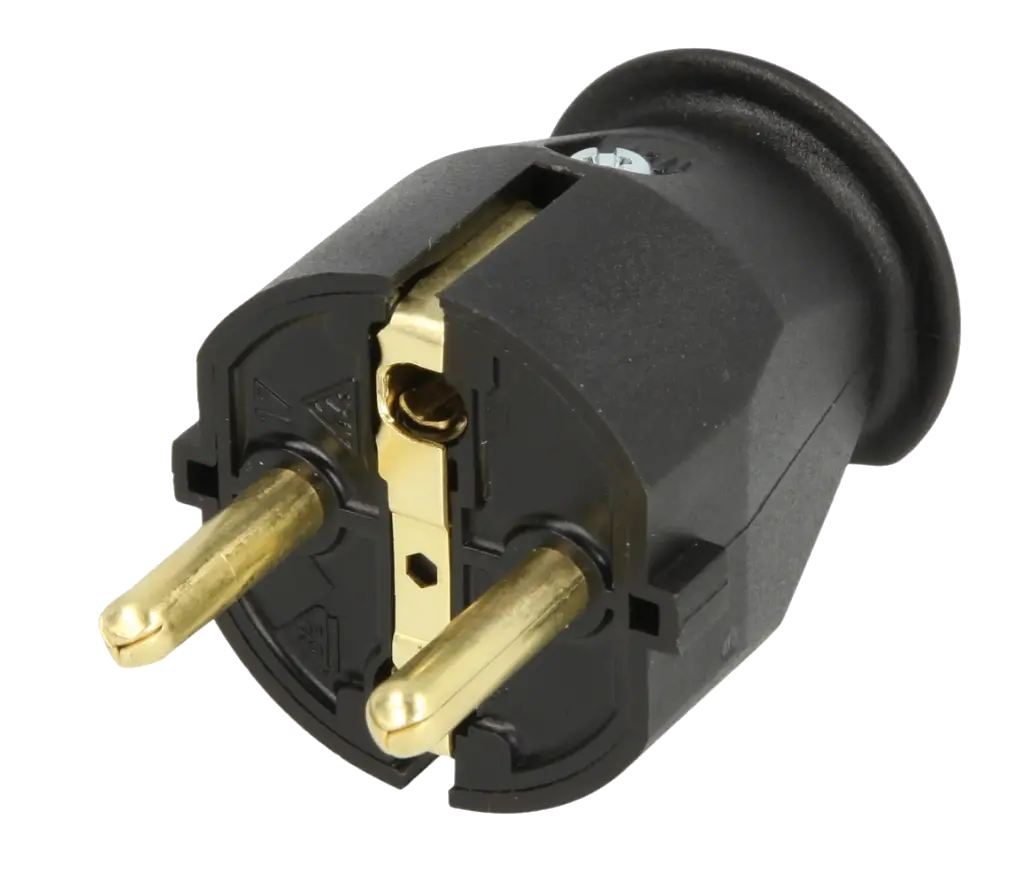
Safety plugs for reliable electrical connections
Safety plugs are used to connect electrical appliances, machines and technical installations safely and clearly. They are important for service work, temporary connections, workshop use and installations where the connection must remain firm, identifiable and easy to access.
The correct safety plug is selected based on voltage, current rating, connection type, cable type, protection rating, environment and application. For installers, the combination with cable cross-section, strain relief, earthing and connected equipment is especially important.
For safe plug connections
A safety plug provides a reliable electrical connection between cable and device. This is important for technical installations, machines and service connections where safety and ease of use are key.
Suitable for service and mounting
Safety plugs are practical for mounting, maintenance, replacement and temporary connection of electrical components. Correct installation helps prevent loose connections, damaged cables and unsafe situations.
For installers and technical projects
In project-based installations, safety plugs are often combined with cables, junction boxes and isolator switches. This keeps the electrical connection clear, safe and accessible for service.
Important points when choosing safety plugs
- Check voltage, current rating and connection type before selecting the plug.
- Match the safety plug to the cable type, cable diameter, conductor cross-section and application.
- Pay attention to earthing, strain relief, housing, grip, mechanical load and mounting environment.
- Use suitable power cables, mating plugs, junction boxes or isolator switches for a complete connection.
- Have electrical connections installed or checked by a skilled technician.
Applications for safety plugs in electrical installations
Safety plugs are used with electrical appliances, technical components, machines, workshop installations, service connections and general electrical work. For cabling, power cables are important, while junction boxes and isolator switches are often used for fixed connection points and safe electrical disconnection.
For complete electrical preparation, safety plugs can also be combined with products from electrical, broader installation material and, where relevant, air conditioning installation material. This keeps cable selection, plug connection, operation and serviceability properly aligned.
Workshops and service
Suitable for appliances, tools, temporary connections and service work where a safe and clear plug connection is required.
Technical installations
Practical for installations where electrical components must remain accessible for inspection, maintenance or replacement.
Project-based mounting
Suitable for business projects, renovation and mounting work where reliable electrical connections are important.
Technical points for mounting and connection
With safety plugs, correct core assignment, earthing, strain relief, screw connections, cable entry and mechanical load are important control points. An incorrectly mounted plug can lead to heat build-up, loose contacts, damaged cables or unsafe situations.
Always check whether the safety plug is suitable for the application, voltage, current rating, cable diameter and environment. Electrical work must be carried out safely and according to applicable regulations. Technical connections and fixed installations should be checked by a skilled technician.
Frequently asked questions about safety plugs
What are safety plugs used for?
Safety plugs are used to safely connect electrical appliances, machines and technical installations. They provide a reliable plug connection between cable and device.
Which safety plug do I need?
That depends on voltage, current rating, cable type, cable diameter, application, mounting environment and the requirements of the connected appliance or system.
What should I pay attention to when mounting a safety plug?
Pay attention to correct core assignment, earthing, strain relief, firm screw connections, correct cable entry and sufficient protection against mechanical load.
Which components are often combined with safety plugs?
Safety plugs are often combined with power cables, junction boxes, isolator switches, cable glands and other electrical connection components.
Can I connect a safety plug myself?
Electrical connections must be carried out safely and according to applicable regulations. Technical connections and fixed installations should be checked by a skilled technician.
Need safety plugs for your installation?
Are you looking for safety plugs for electrical work, service work, machines or technical installations? Contact Hewa for advice on connection type, cable type, application and matching electrical components.