Filters
 Loading…
Copper pipe
Copper pipe is used for neat, dimensionally stable and durable pipework in heating systems, sanitary installations and technical applications. Due to its good heat conductivity and solid construction, copper is suitable for situations where clean installation and reliable pipe routing are important.
At Hewa, you will find copper pipe for installers, service technicians, business customers and DIY users. When selecting the right pipe, check pipe diameter, wall thickness, application, pressure class, temperature, fitting type, mounting position, fixing method, insulation and compatibility with the complete installation.
Selecting copper pipe
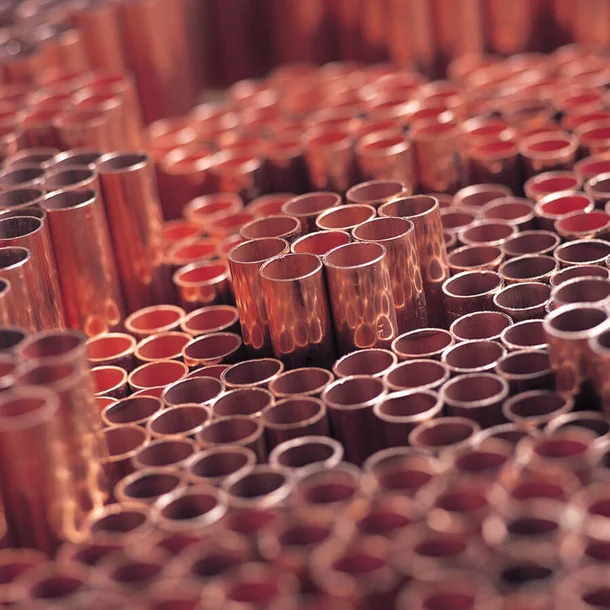
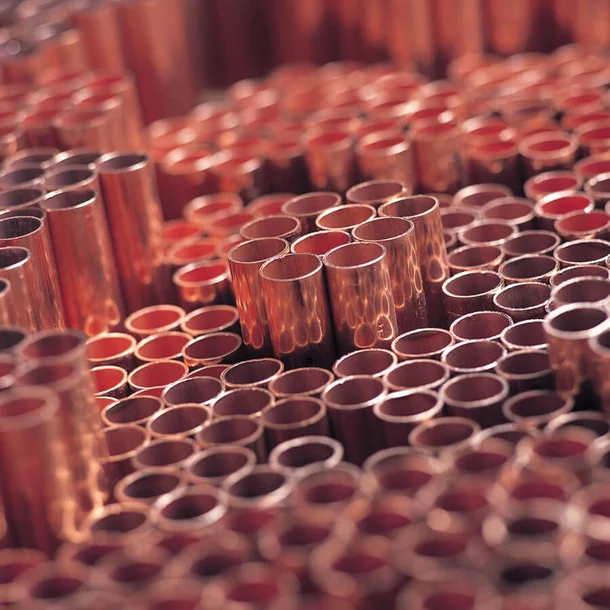
Copper pipe is used when a neat, dimensionally stable and durable pipe route is required. The material is suitable for various technical installations, including heating pipework, sanitary applications, appliance connections and visible pipework where clean installation is important. Due to its solid shape and good heat conductivity, copper pipework remains clear, reliable and easy to install.
The right choice depends on pipe diameter, wall thickness, application, pressure, temperature, fitting type and mounting environment. For the broader pipe category, also review pipes for technical installations. When a more flexible pipe route is required, multilayer pipe may be relevant. To reduce heat loss and condensation, pipe insulation is important.
Important when choosing copper pipe
- Check the correct diameter, such as 15 mm or 22 mm
- Match pipe size to flow rate, pressure loss and application
- Check wall thickness, temperature range and pressure load of the installation
- Select suitable fittings for copper, such as compression, press or threaded connections
- Allow for expansion, fixing distance and strain-free installation
- Use pipe insulation where heat loss or condensation must be prevented
- Always check whether the pipe is suitable for the system medium and technical requirements
Dimensionally stable pipework for heating and sanitary use
An important advantage of copper pipe is its dimensional stability. The pipe remains neatly aligned, is easy to fix and can be used in situations where a clean pipe route is required. This makes copper suitable for visible pipework, short connection routes, renovation, technical rooms and installations where the pipe layout must remain clear.
Correct preparation is important during installation. The pipe must be cut square, properly deburred and processed cleanly. Depending on the chosen connection technique, the correct fitting must be used. With compression fittings, correct pipe and compression ring fit is important, while with press fittings, press profile, insertion depth and suitable tools must be checked.
For installers, it is sensible to assess copper pipe in combination with the complete system. Consider pipe length, fixing points, temperature changes, insulation, valves, shut-off components, pumps, boilers and service access. Carefully installed copper pipework helps prevent leaks, stress on fittings, heat loss and unnecessary service complaints.
Frequently asked questions about copper pipe
What is copper pipe used for?
Copper pipe is used for pipework in heating systems, sanitary installations and technical applications. The material is suitable for dimensionally stable pipe routes where durability and neat installation are important.
Which copper pipe size do I need?
The correct size depends on application, flow rate, pressure loss, connection and system layout. Common sizes include 15 mm and 22 mm, but always check the technical requirements of the installation.
Which fittings are suitable for copper pipe?
Copper pipe can be combined with suitable compression fittings, press fittings or threaded fittings depending on the application. Always check diameter, material compatibility and installation technique.
Does copper pipe need to be insulated?
Insulation is recommended when heat loss must be reduced or when condensation may occur. The correct insulation thickness depends on pipe diameter, temperature, environment and application.
What should an installer check during installation?
Check square cutting, deburring, correct pipe size, suitable fittings, strain-free installation, fixing distance, expansion, insulation and leak tightness after installation.