Filters
 Loading…
Compression fitting
A compression fitting is used to mechanically connect pipes without press tools or soldering work. By correctly tightening the compression nut and ring, a secure connection is created that is widely used in pipework, heating systems and technical installation.
At Hewa, you will find compression fittings in various designs, such as straight connectors, reducers, T-pieces, elbows, stops and connections with female or male thread. When selecting the right fitting, check pipe size, material, connection type, compression ring, nut, pressure class, temperature and accessibility for installation or service.
Brands

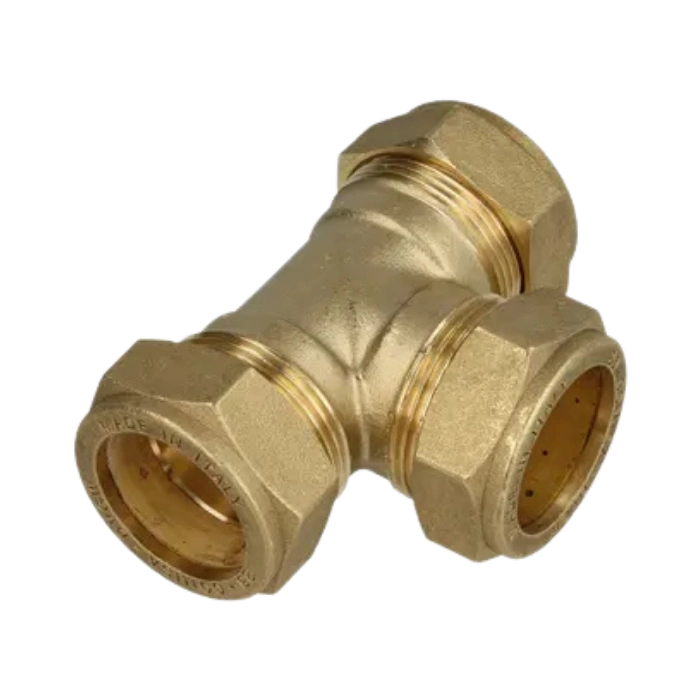
OEG compression fitting T-piece 15 mm
Item no. 346284EAN 8000130246929
Price excl. VAT€ 3,18Price incl. VAT€ 3,85
In stock
Added
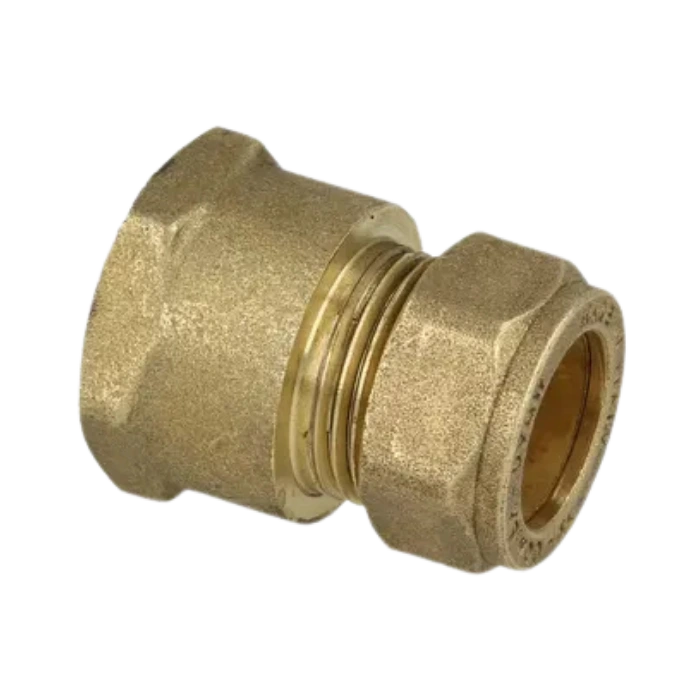
OEG 802016148 - Brass Compression Coupling (22 mm x G 1" F)
Item no. 346148EAN 8000130246295
Price excl. VAT€ 3,88Price incl. VAT€ 4,70
In stock
Added
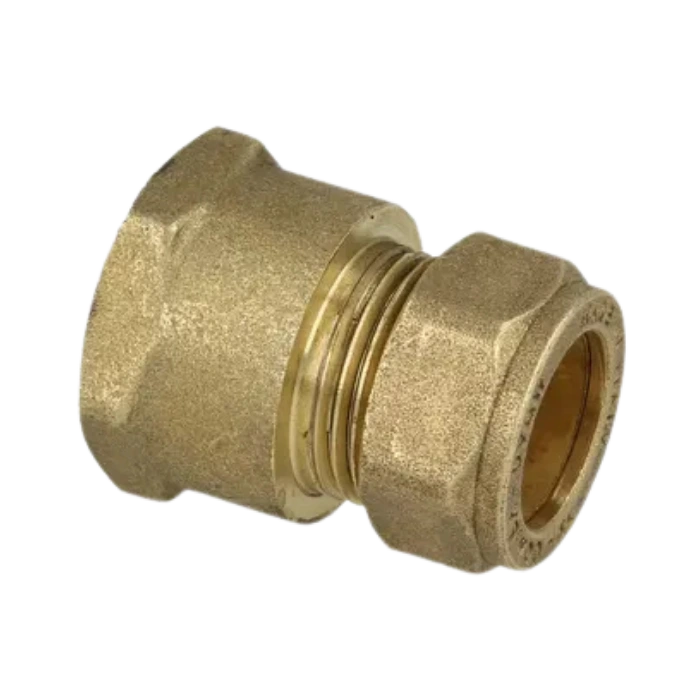
OEG 802016152 - Brass Compression Coupling (28 mm x G 1" F)
Item no. 346152EAN 8000130246271
Price excl. VAT€ 4,68Price incl. VAT€ 5,66
In stock
Added
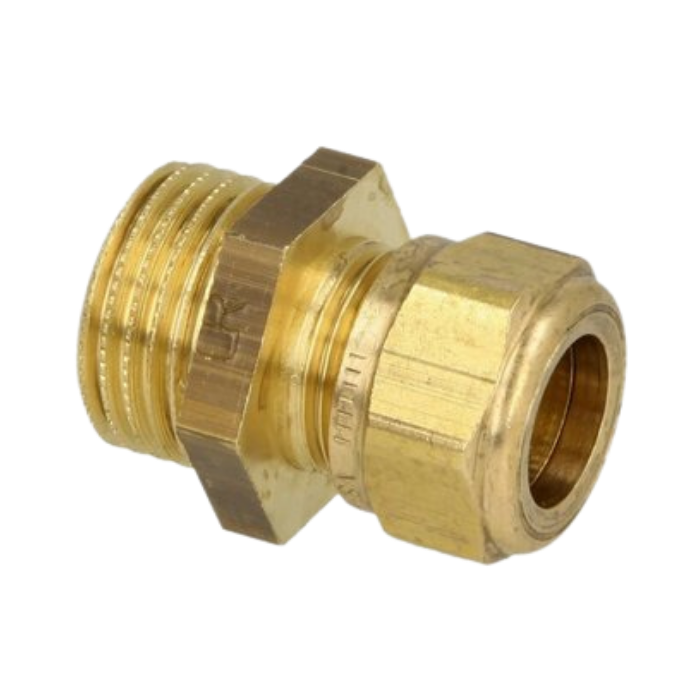
OEG 802016054 - Compression Coupling (15 x G 3/4" M)
Item no. 346054EAN 8000130246110
Price excl. VAT€ 2,90Price incl. VAT€ 3,51
In stock
Added
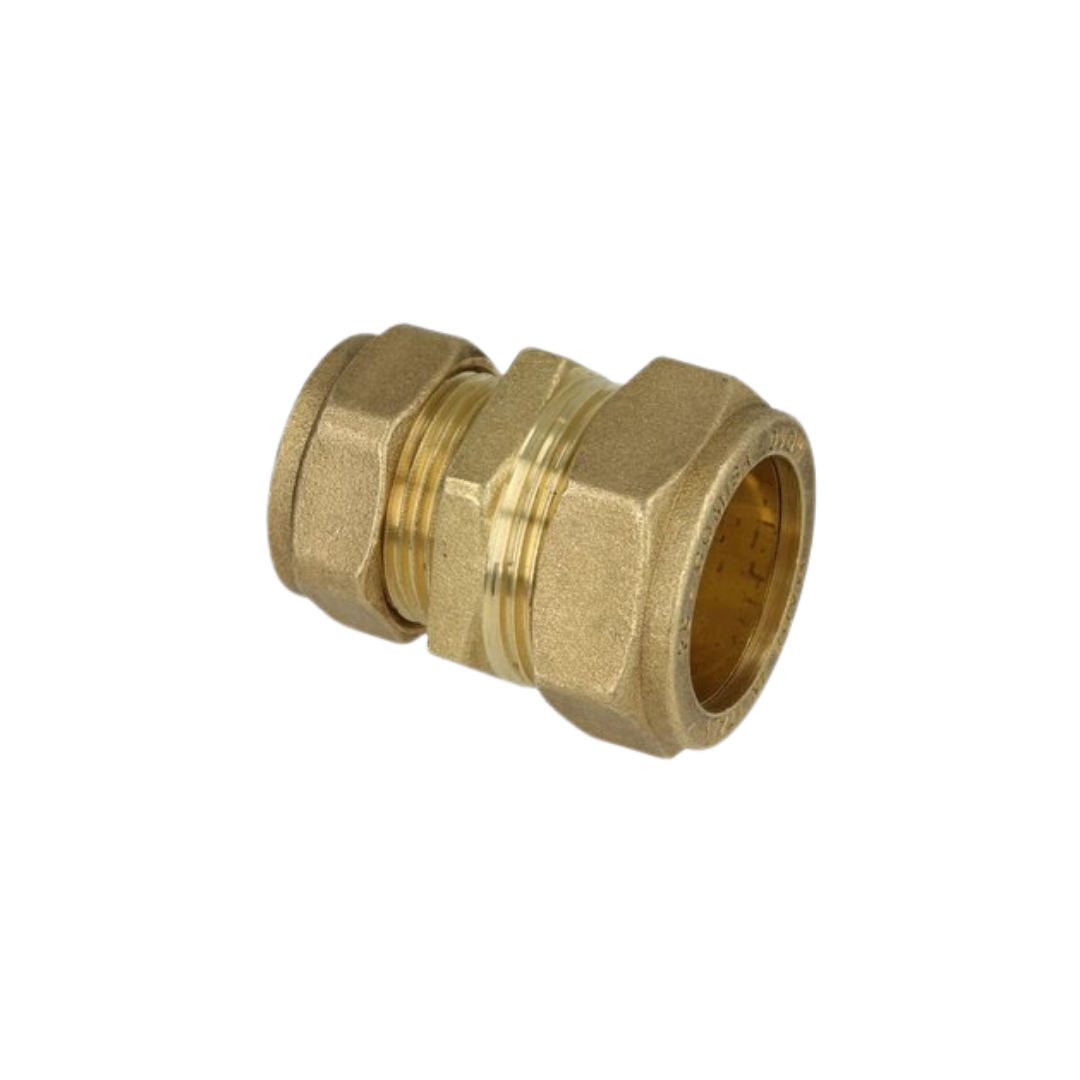
OEG 802016034 - Compression Reducing Coupling (28 x 22 mm)
Item no. 346034EAN 8000130245922
Price excl. VAT€ 5,53Price incl. VAT€ 6,69
In stock
Added
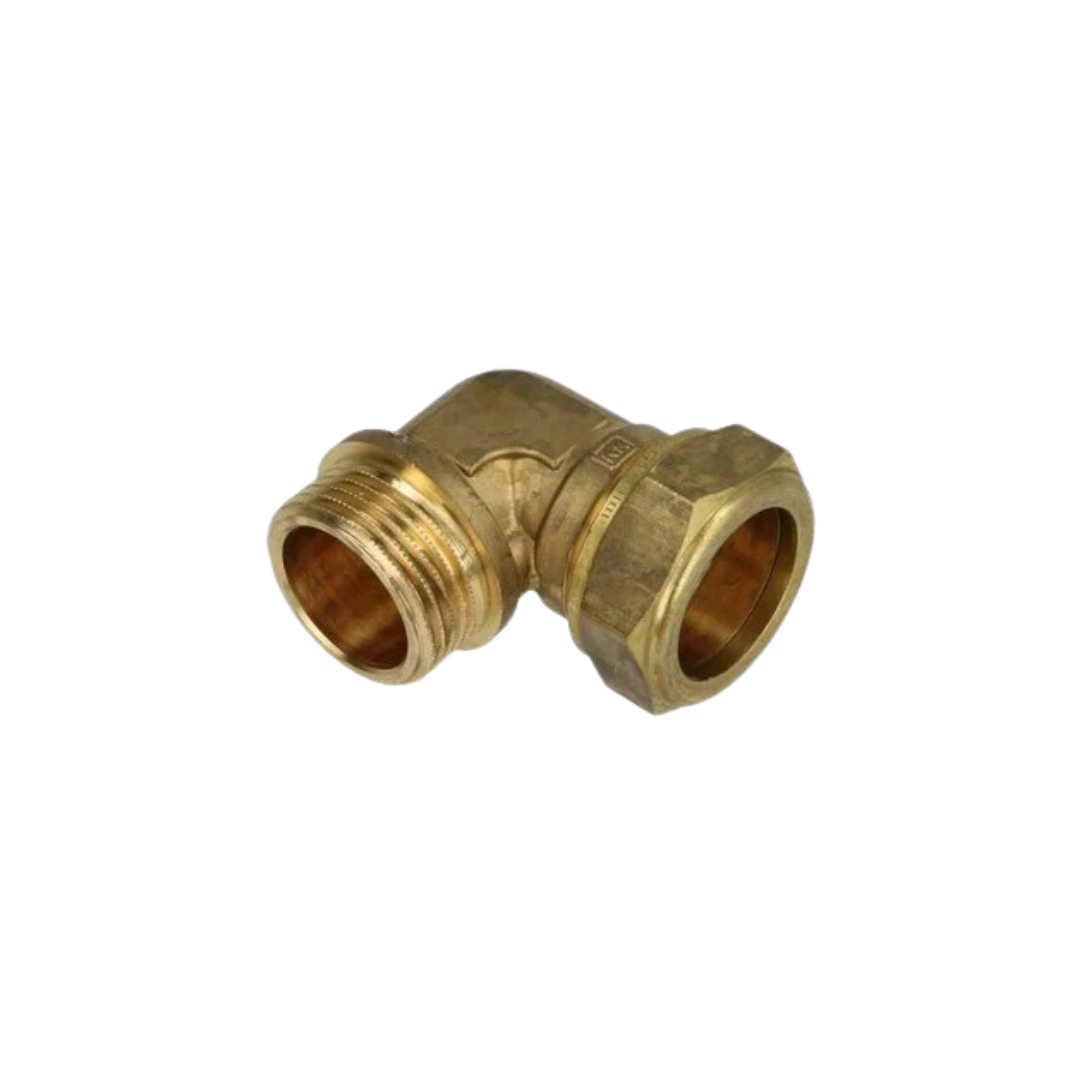
OEG 802016212 - Compression Elbow Reducing 90° (22 mm x 3/4" M)
Item no. 346212EAN 8000130246592
Price excl. VAT€ 3,80Price incl. VAT€ 4,60
In stock
Added
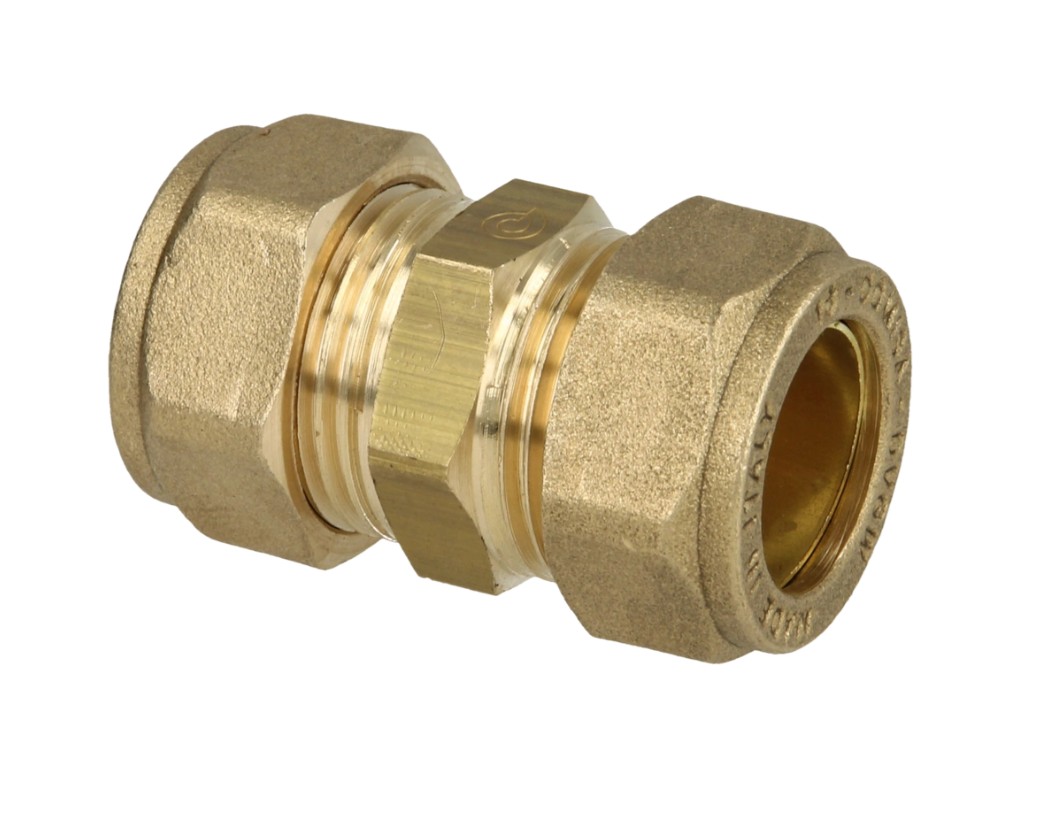
OEG 802016004 - Brass compression fitting straight (12 x 12)
Item no. 345012EAN 802016004
€ 2,00Price excl. VAT€ 2,72Price incl. VAT€ 3,29
In stock
Added
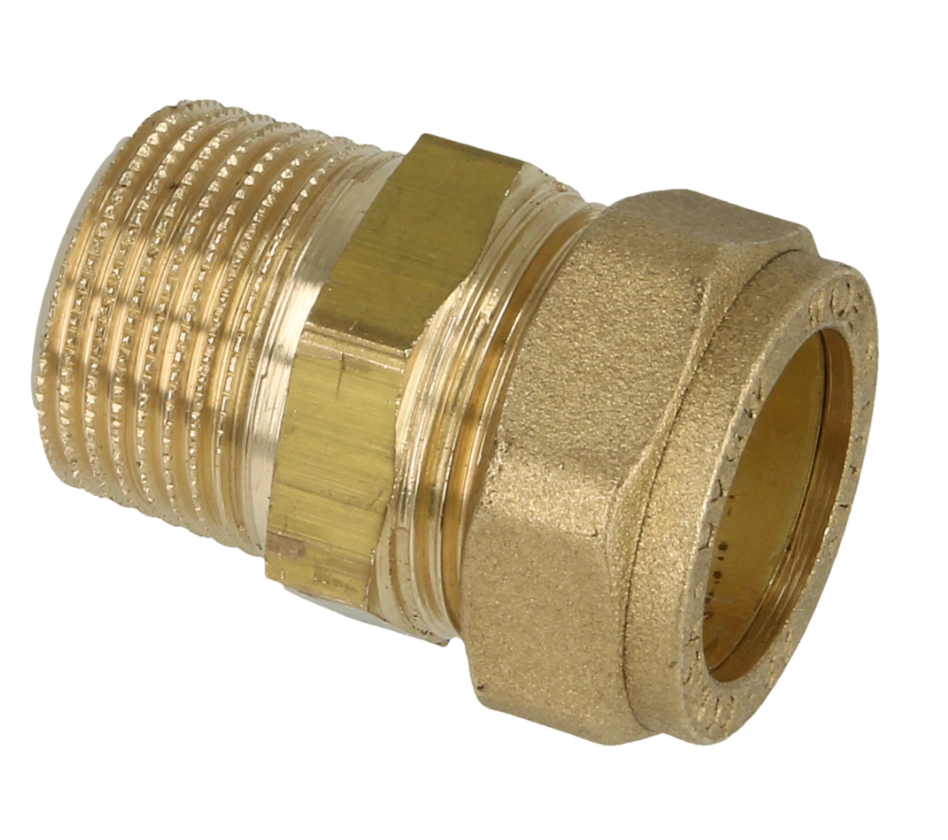
OEG 802016090 - Straight brass compression fitting (12 x G 1/2" M)
Item no. 345013EAN 802016090
Price excl. VAT€ 2,72Price incl. VAT€ 3,29
In stock
Added
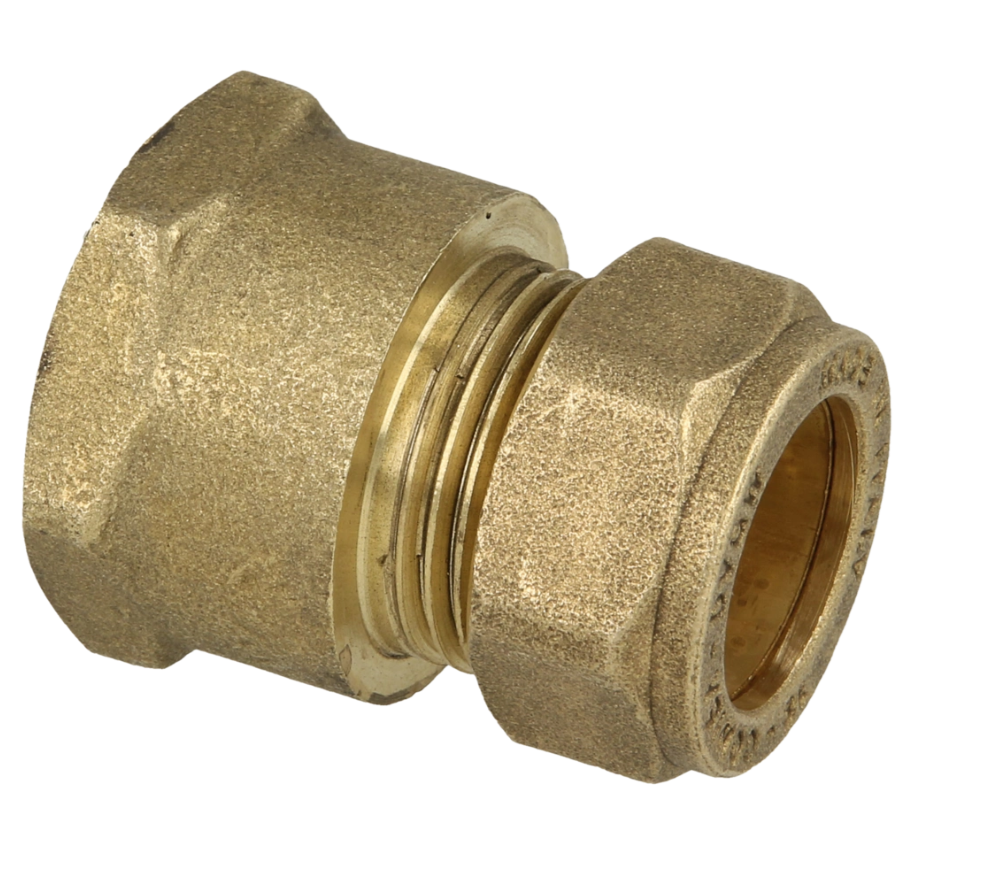
OEG 802016128 - Brass compression fitting (12 x G 1/2" F)
Item no. 345014EAN 802016128
Price excl. VAT€ 2,89Price incl. VAT€ 3,50
In stock
Added
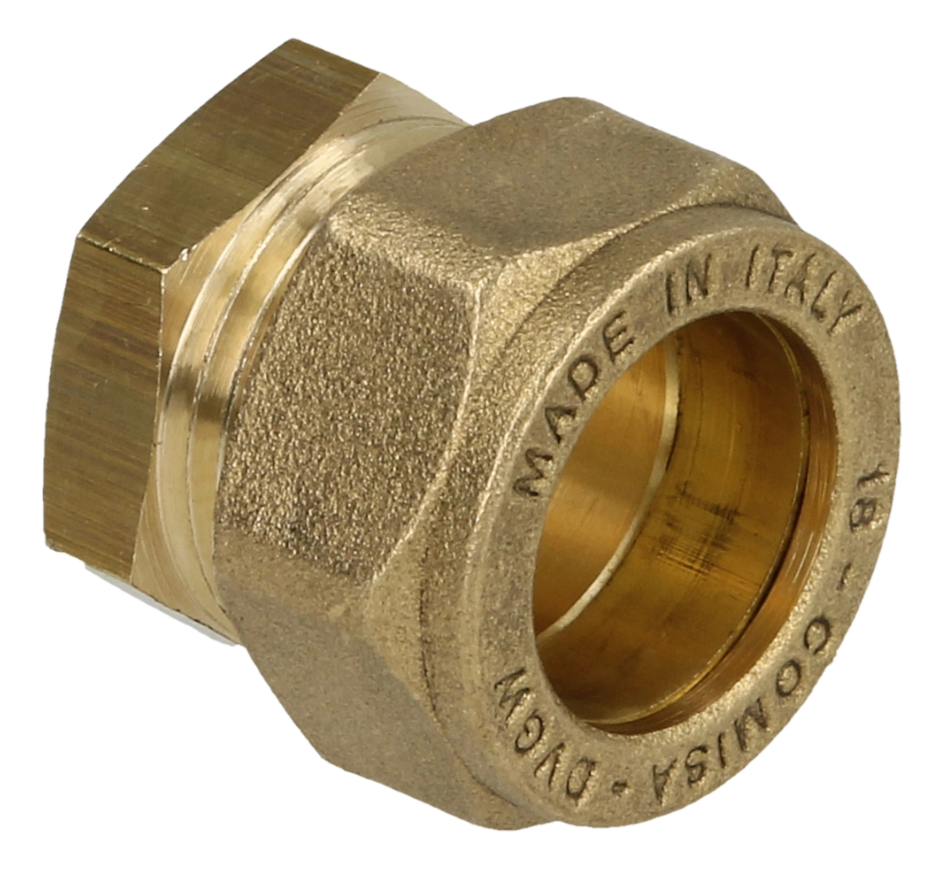
OEG 802016330 - Brass compression end cap (12 mm)
Item no. 345015EAN 802016330
Price excl. VAT€ 2,89Price incl. VAT€ 3,50
In stock
Added
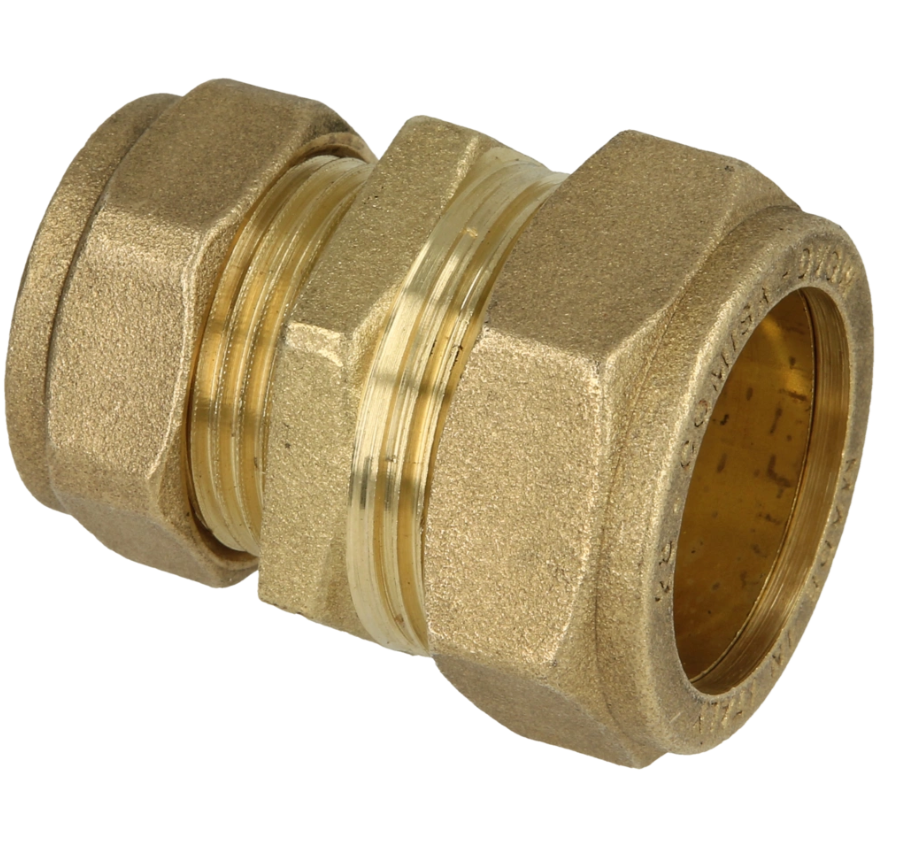
OEG 802016024 - Brass compression reducing coupling (15 x 12)
Item no. 345017EAN 802016024
Price excl. VAT€ 2,89Price incl. VAT€ 3,50
In stock
Added
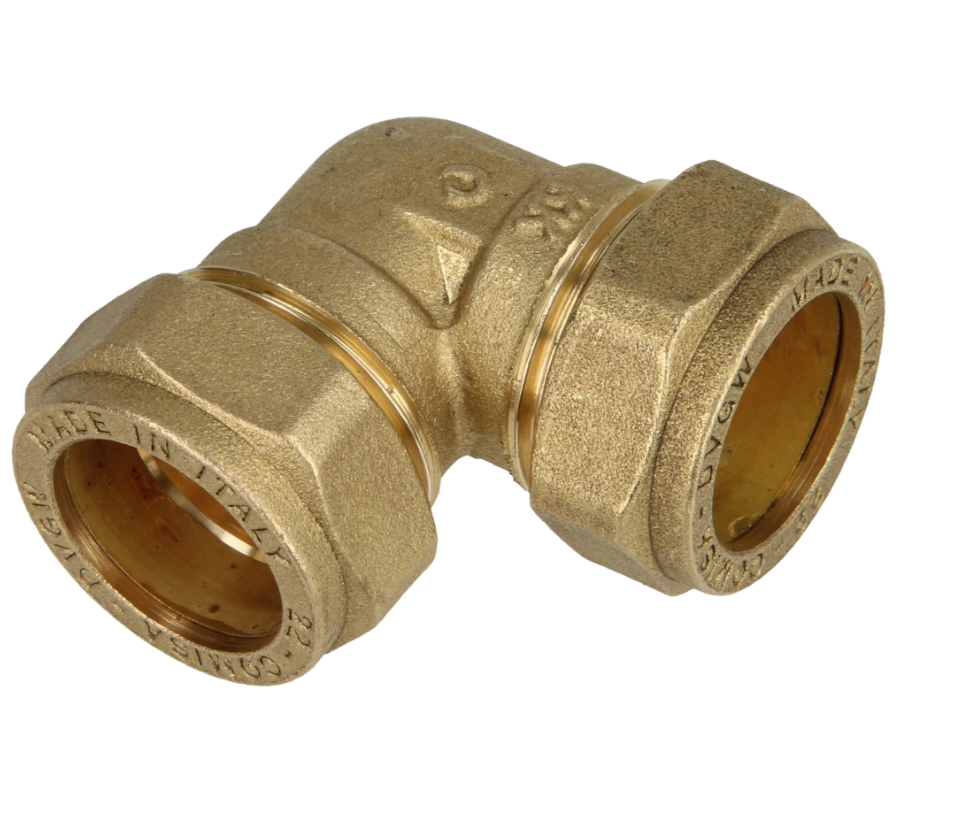
OEG 802016164 - Brass compression elbow 90° (12 x 12)
Item no. 345016EAN 802016164
Price excl. VAT€ 2,72Price incl. VAT€ 3,29
In stock
Added
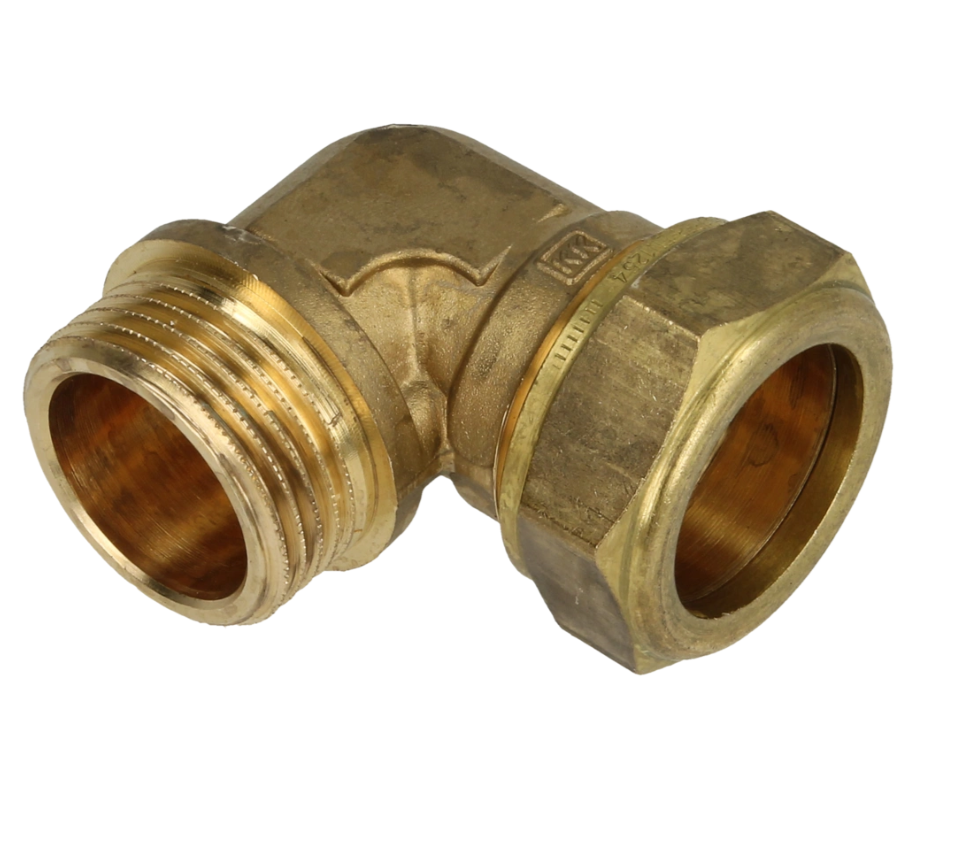
OEG 802016198 - Brass compression elbow 90° (12 x G 1/2" M)
Item no. 345018EAN 802016198
Price excl. VAT€ 3,54Price incl. VAT€ 4,28
In stock
Added
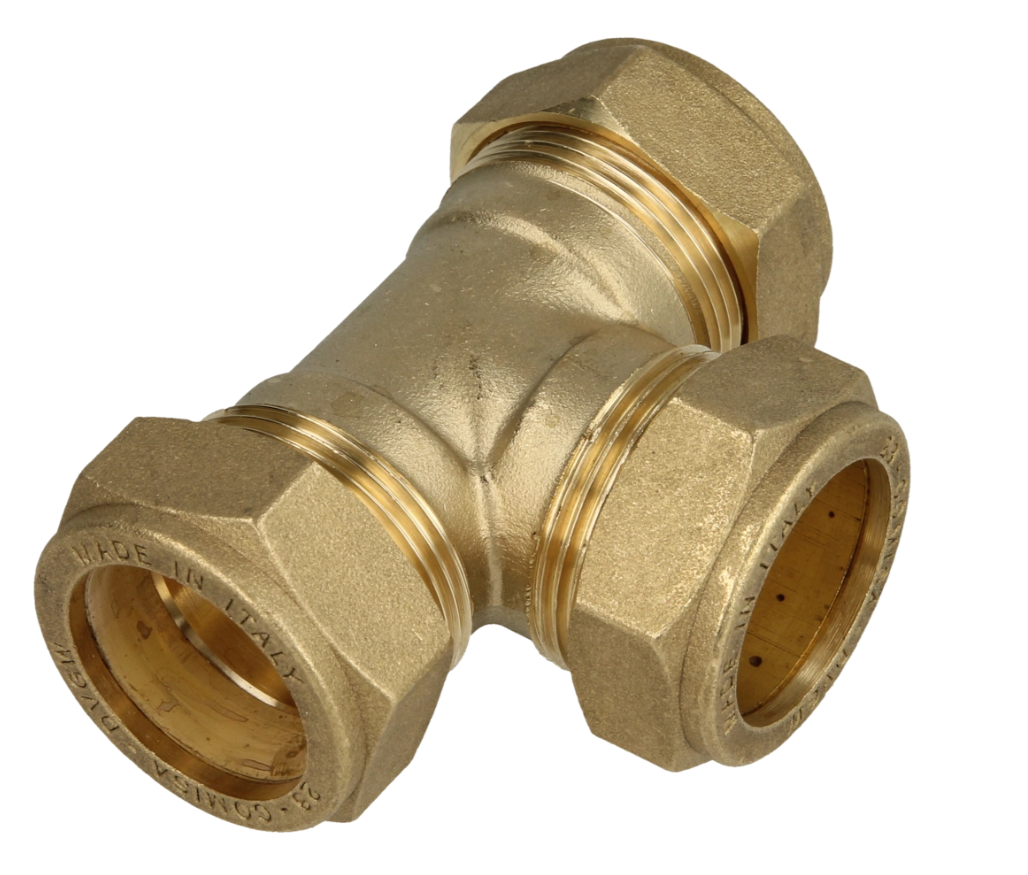
OEG 802016282 - Brass Compression T-piece (12 x 12 x12)
Item no. 345019EAN 802016282
Price excl. VAT€ 4,86Price incl. VAT€ 5,88
In stock
Added
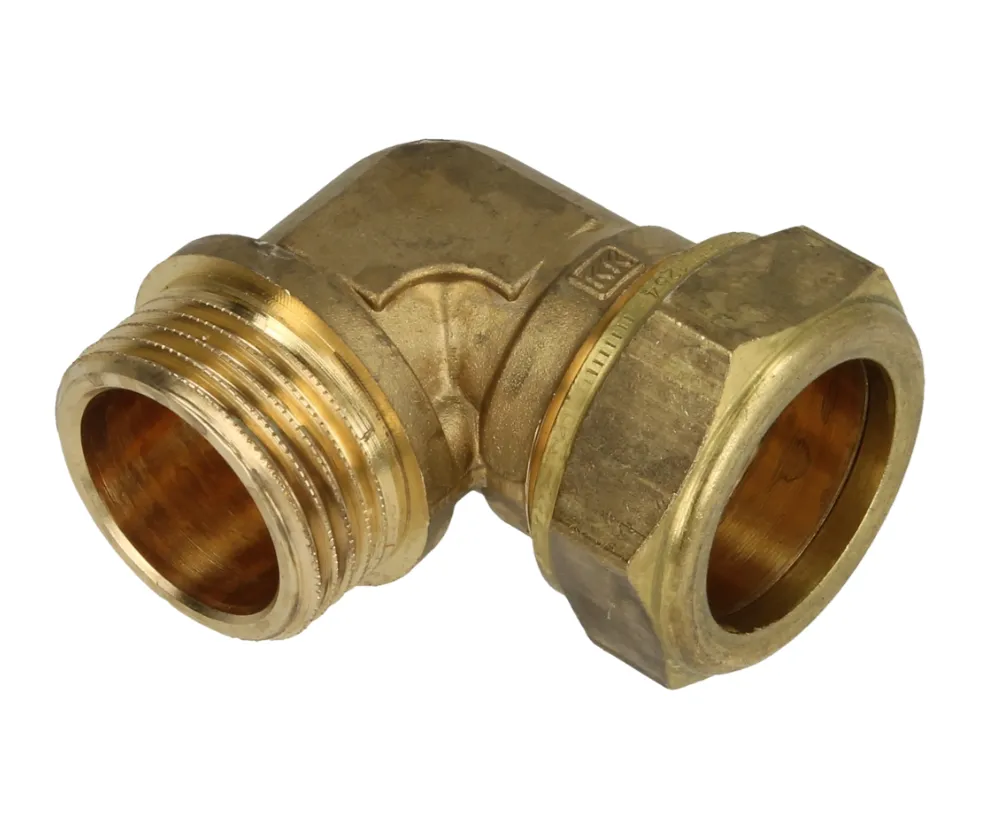
OEG 802016214 - Brass compression elbow 90° (22 mm x G 1" M)
Item no. 346214EAN 802016214
Price excl. VAT€ 7,39Price incl. VAT€ 8,94
In stock
Added
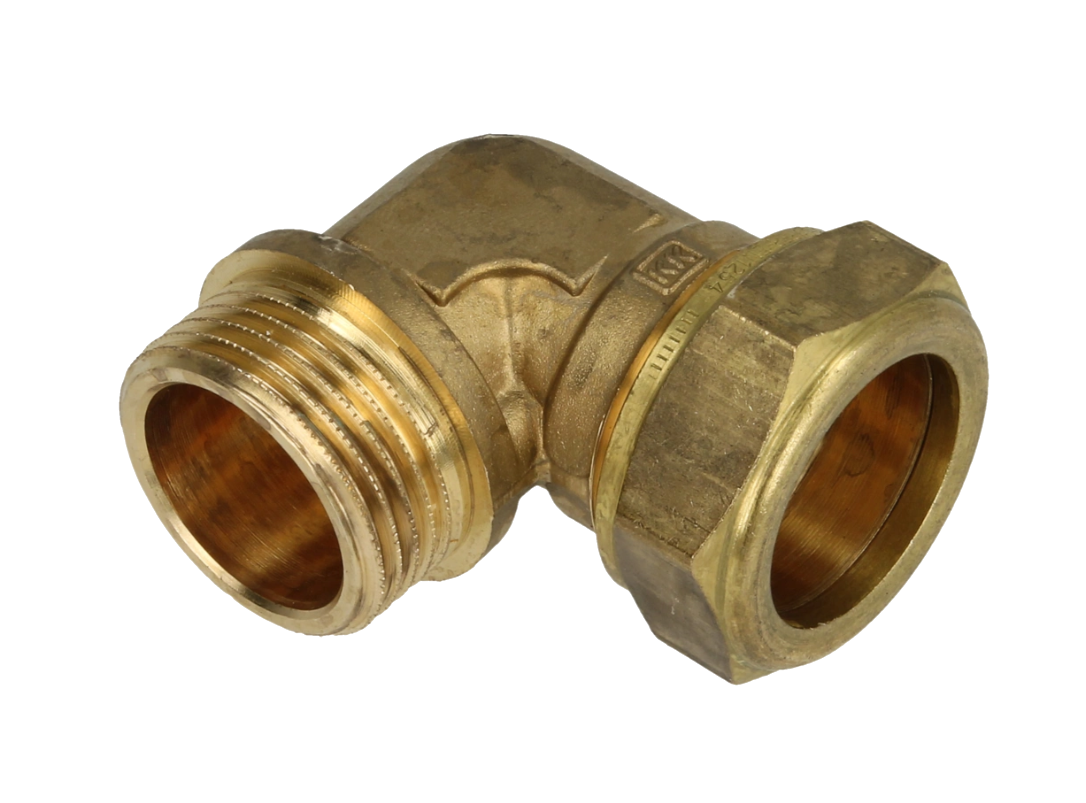
OEG 802016218 - Brass compression elbow 90° (28 mm x G 1" M)
Item no. 346218EAN 8711985032697
Price excl. VAT€ 8,22Price incl. VAT€ 9,95
In stock
Added
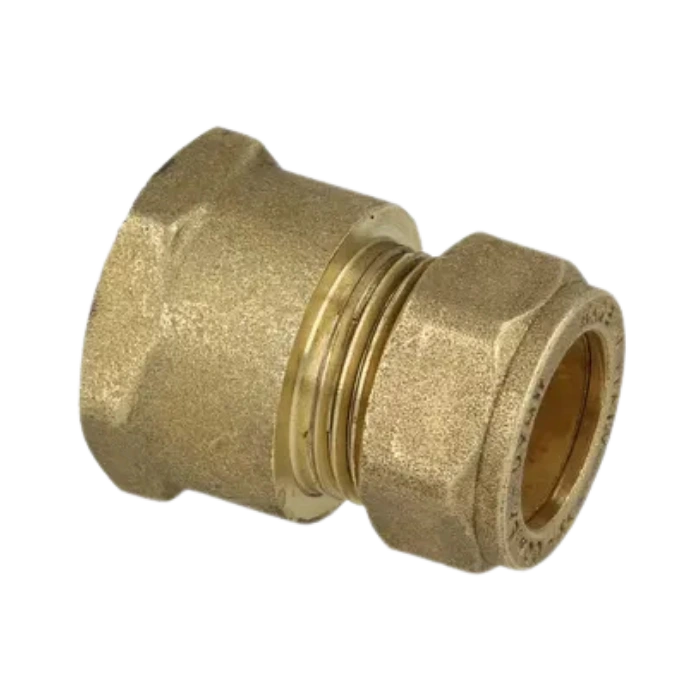
OEG 802016146 - Brass Compression Coupling (22 mm x G 3/4" F)
Item no. 346146EAN 8721082832312
Price excl. VAT€ 2,98Price incl. VAT€ 3,61
In stock
Added
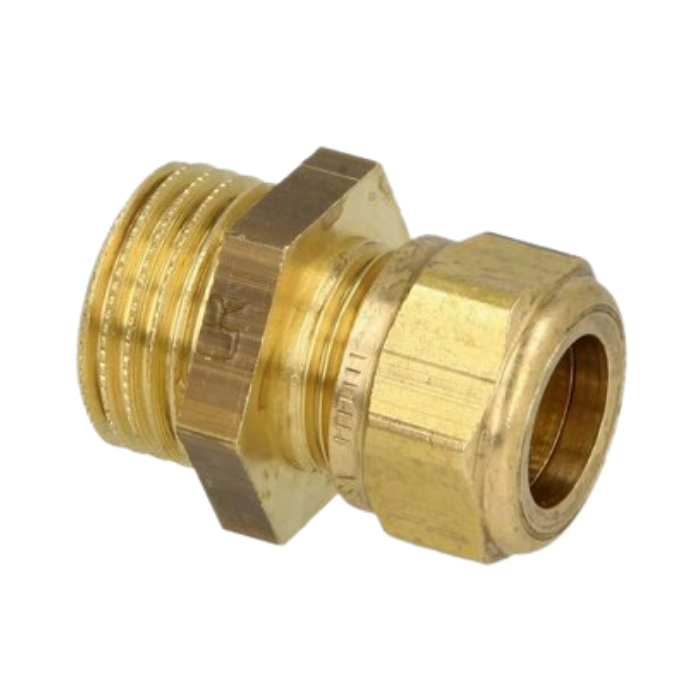
OEG 802016060 - Compression Coupling (22 mm x G 1/2" M)
Item no. 346060EAN 8000130246080
Price excl. VAT€ 1,86Price incl. VAT€ 2,25
In stock
Added
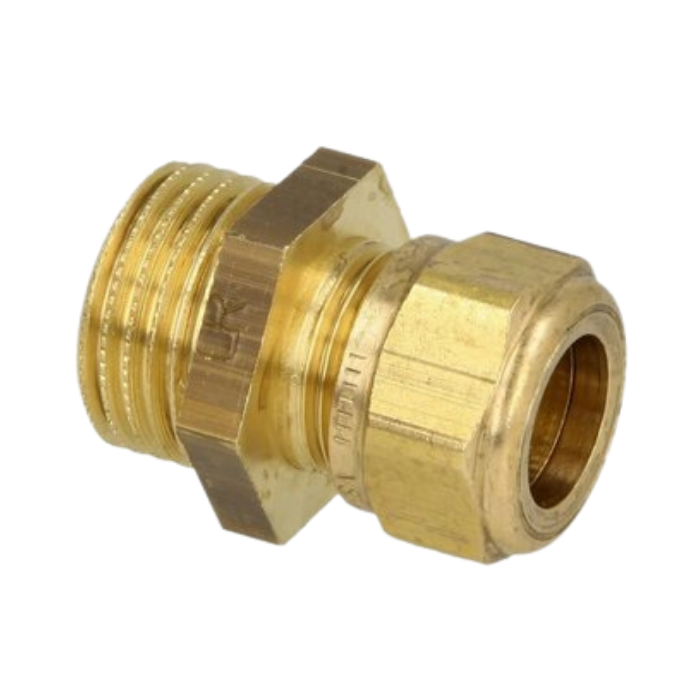
OEG 802016053 - Brass compression coupling (15 x G 1/2" M)
Item no. 346053EAN 802016053
Price excl. VAT€ 1,86Price incl. VAT€ 2,25
In stock
Added
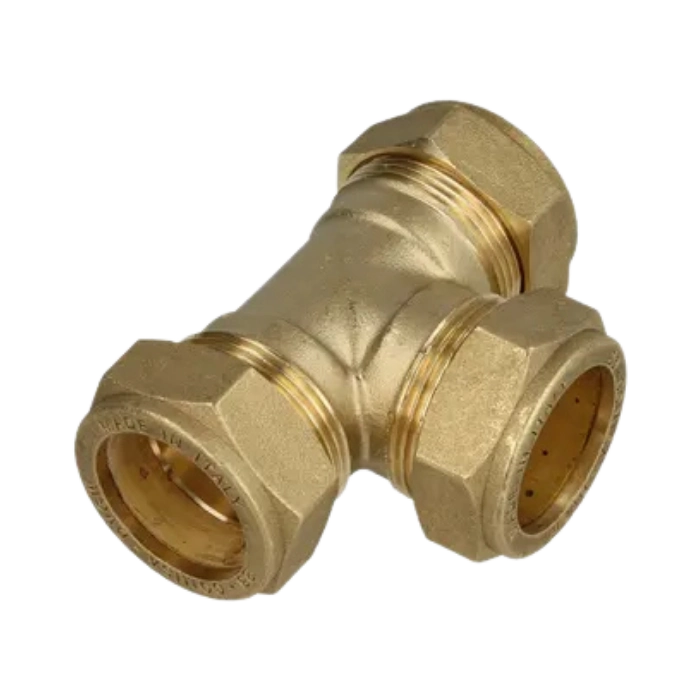
OEG compression fitting T-piece 22 mm
Item no. 346290EAN 8000130246936
Price excl. VAT€ 5,12Price incl. VAT€ 6,20
In stock
Added
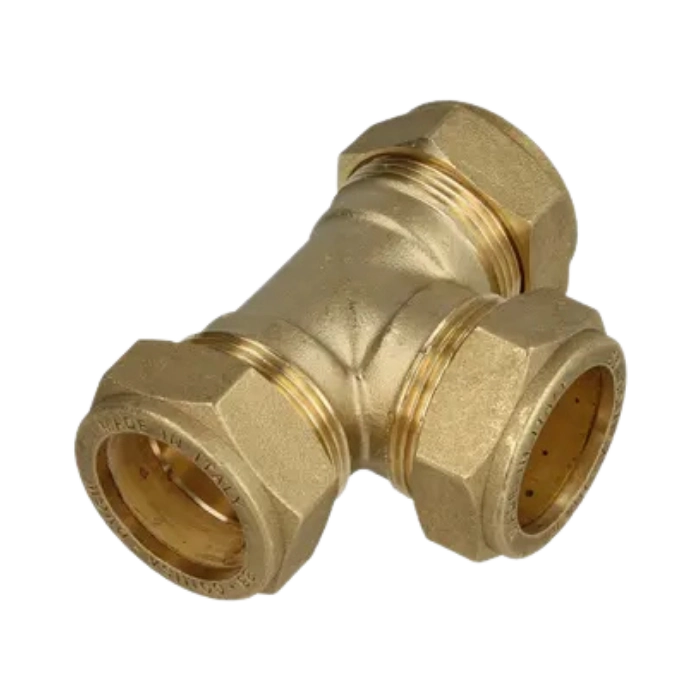
OEG compression fitting T-piece (28 x 28 x 28)
Item no. 346292EAN 8000130246943
Price excl. VAT€ 9,50Price incl. VAT€ 11,50
In stock
Added
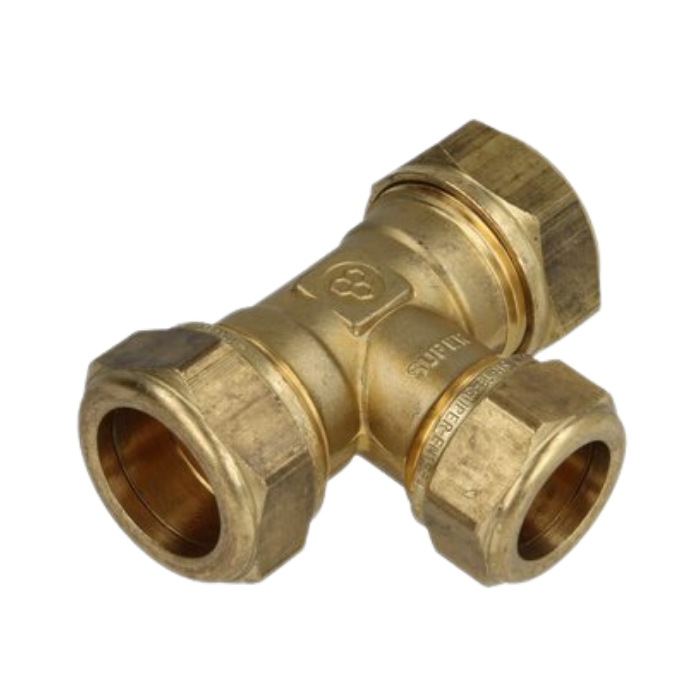
OEG 802016314 - Brass compression fitting reducing tee (22 x 15 x 22)
Item no. 346314
Price excl. VAT€ 5,31Price incl. VAT€ 6,43
In stock
Added
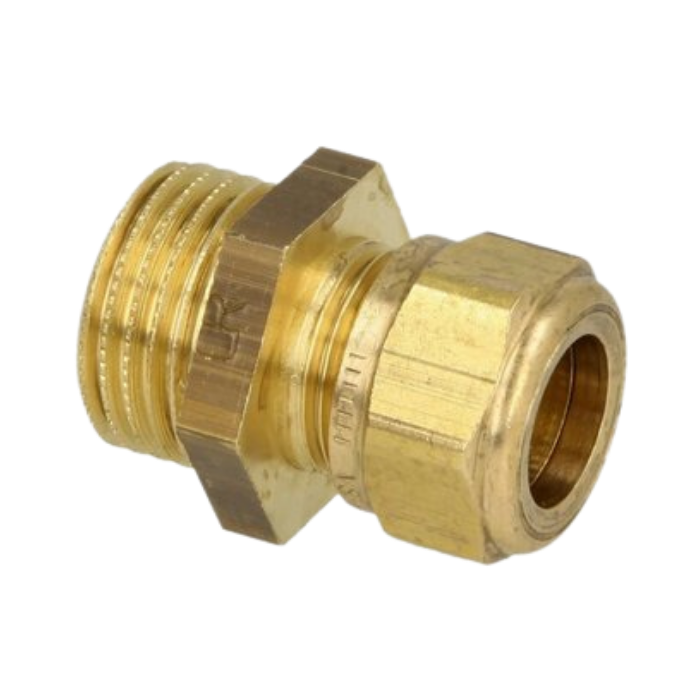
OEG 802016068 - Compression Coupling (28 mm x G 1" M)
Item no. 346068EAN 8000130246103
Price excl. VAT€ 4,88Price incl. VAT€ 5,91
In stock
Added
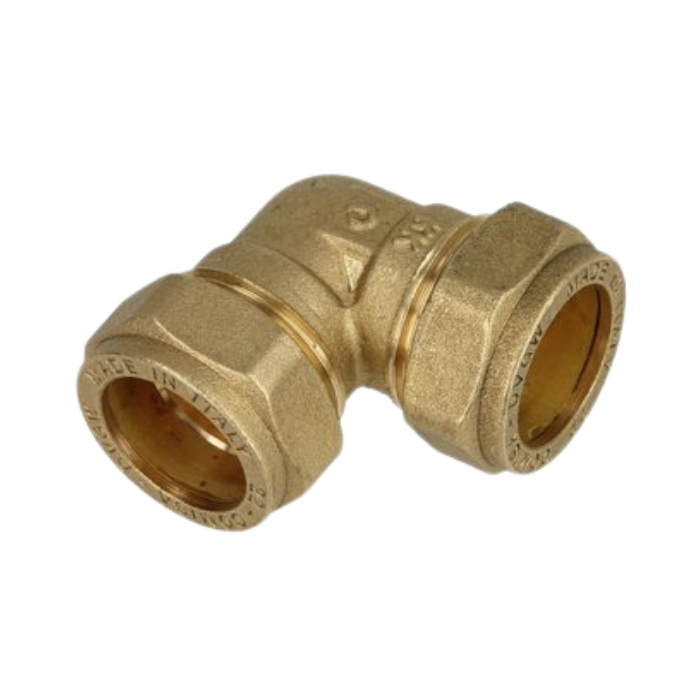
OEG 802016165 - Compression fitting elbow 90° (15 x 15)
Item no. 346165EAN 8027830128560
Price excl. VAT€ 2,42Price incl. VAT€ 2,93
In stock
Added
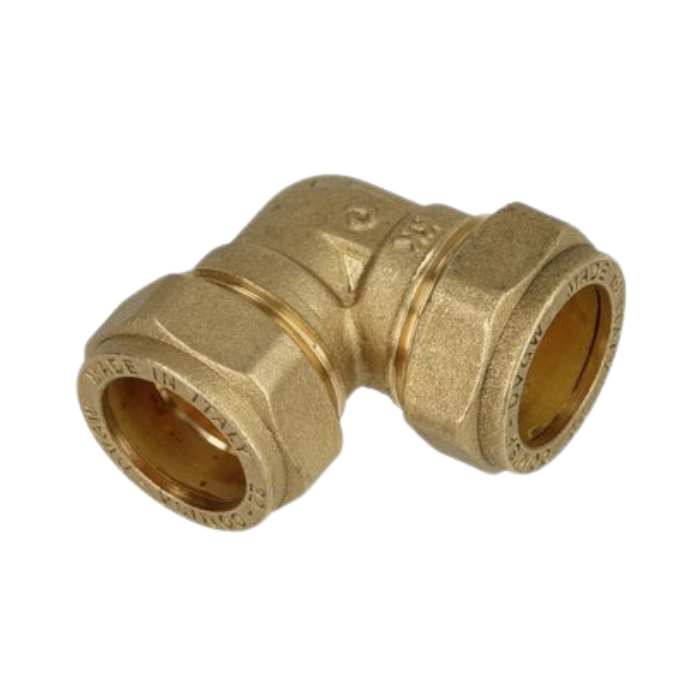
OEG 802016170 - Brass compression fitting elbow 90° (22 mm)
Item no. 346170EAN 8000130246455
Price excl. VAT€ 3,74Price incl. VAT€ 4,53
In stock
Added
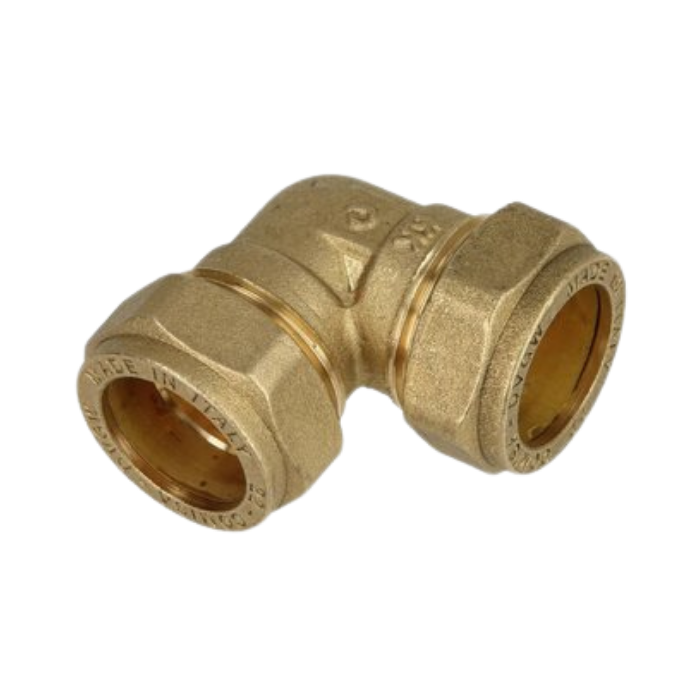
OEG 802016172 - Brass compression fitting elbow 90° (28 mm)
Item no. 346172EAN 8000130246462
Price excl. VAT€ 6,18Price incl. VAT€ 7,48
In stock
Added
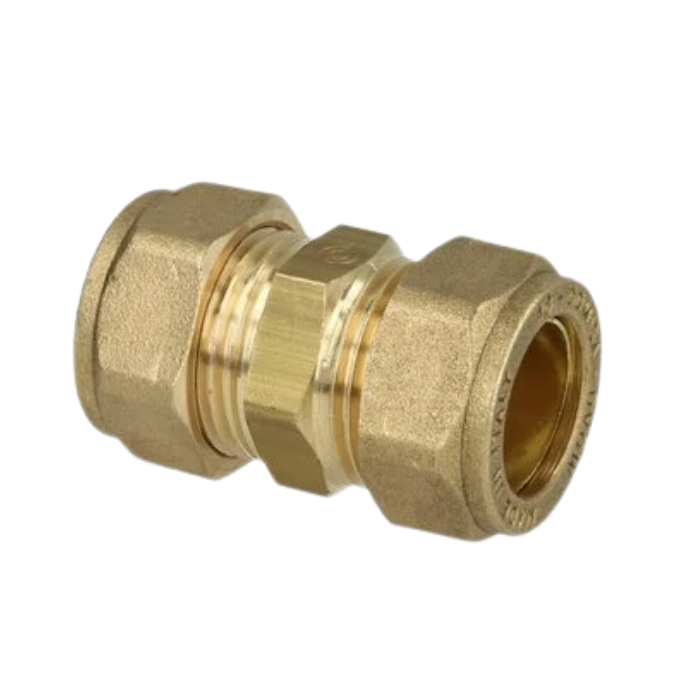
OEG 802016006 - Brass compression fitting straight (15 x 15)
Item no. 346006EAN 8000130245847
Price excl. VAT€ 2,12Price incl. VAT€ 2,57
In stock
Added
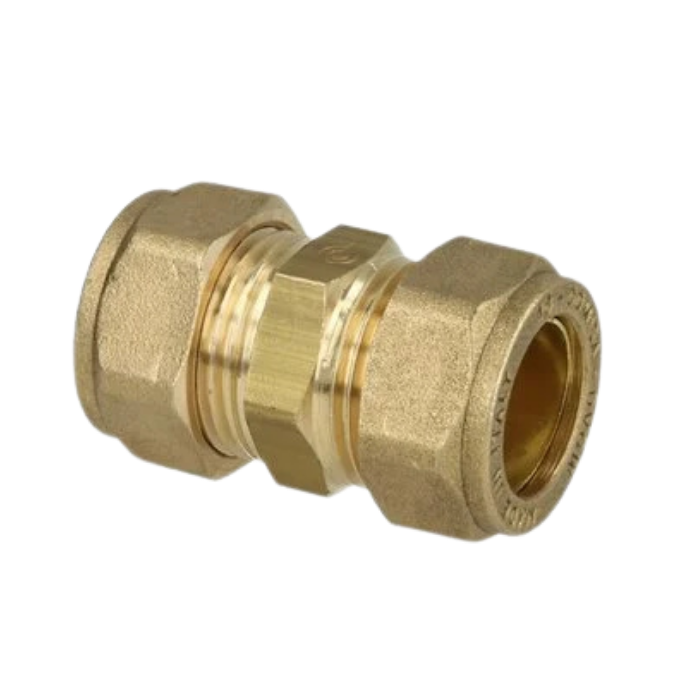
OEG 802016007 - Brass compression fitting straight (22 mm)
Item no. 346010EAN 8000130245854
Price excl. VAT€ 3,73Price incl. VAT€ 4,51
In stock
Added
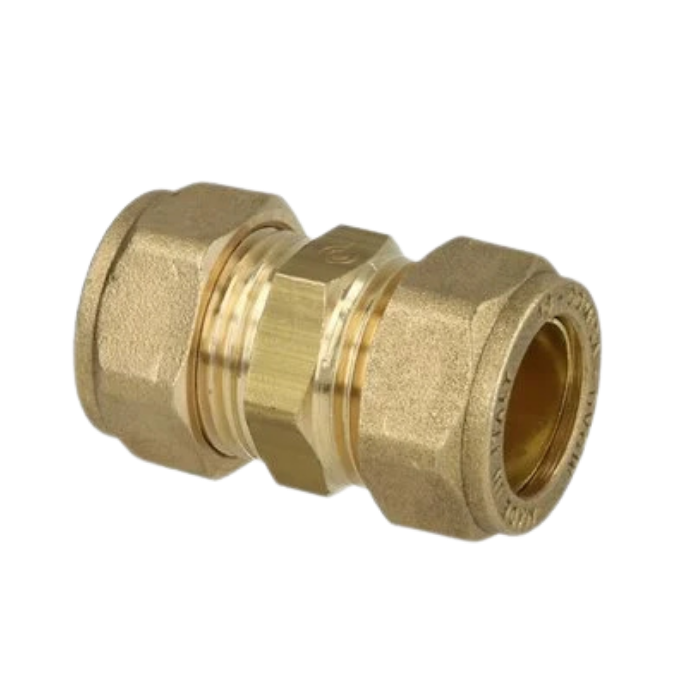
OEG 802016012 - Brass compression fitting straight (28 mm)
Item no. 346012EAN 8000130245861
Price excl. VAT€ 5,72Price incl. VAT€ 6,92
In stock
Added
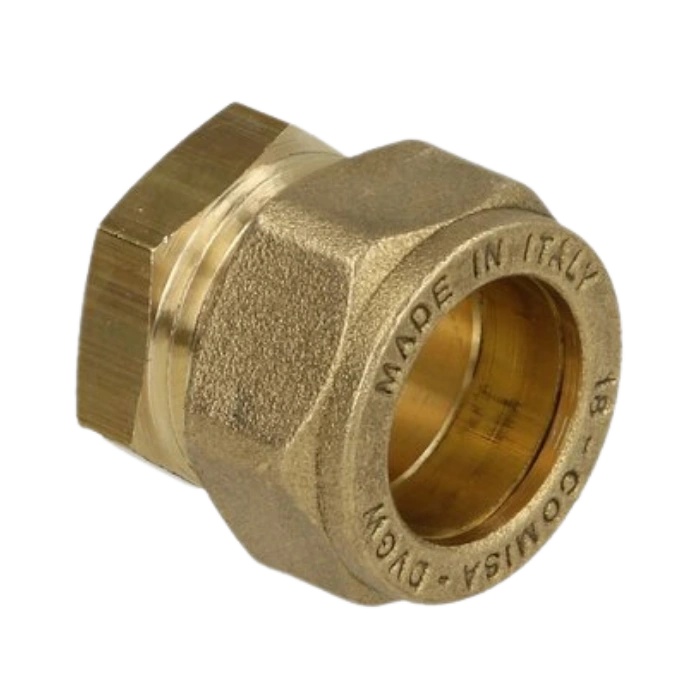
OEG 802016332 - Brass compression fitting stop (15)
Item no. 346332EAN 8000130246370
Price excl. VAT€ 2,92Price incl. VAT€ 3,53
In stock
Added
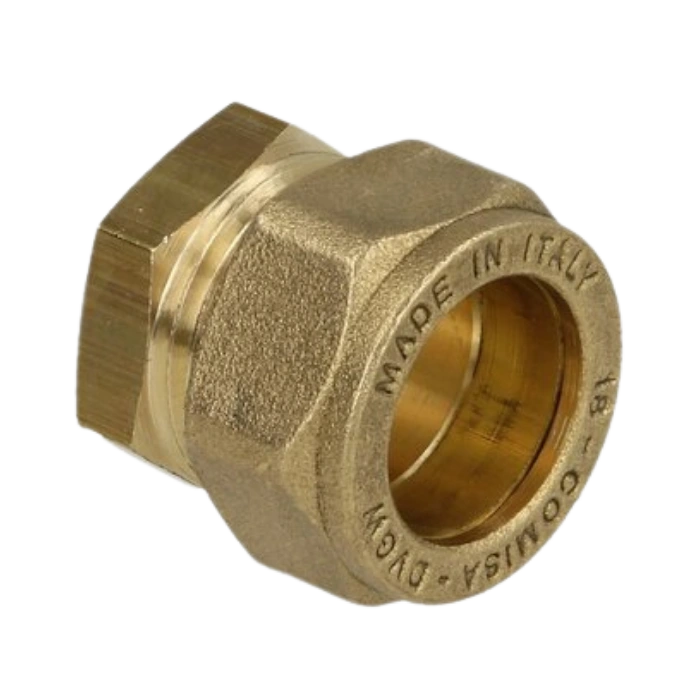
OEG 802016336 - Brass Compression End Cap (22 mm)
Item no. 346336EAN 8000130246387
Price excl. VAT€ 4,23Price incl. VAT€ 5,12
In stock
Added
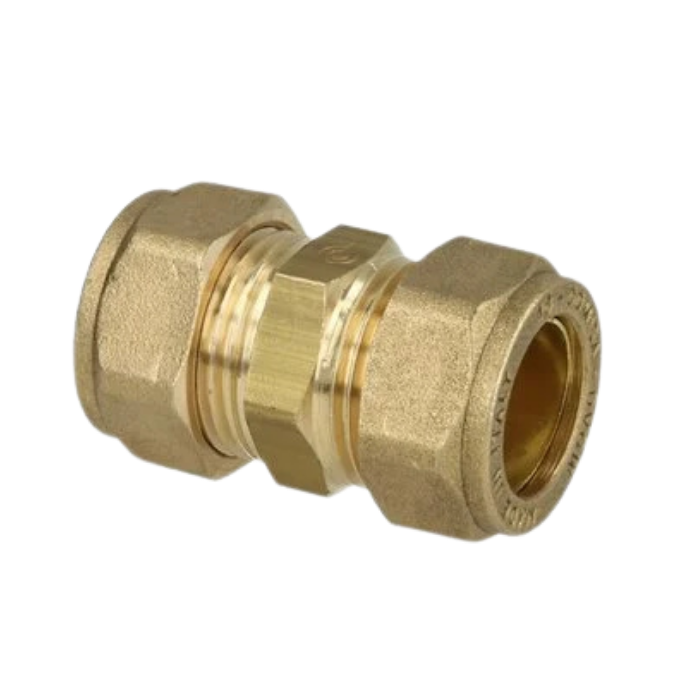
OEG 802016032 - Compression Reducing Coupling (15 x 22)
Item no. 346032EAN 8000130245878
Price excl. VAT€ 3,63Price incl. VAT€ 4,39
In stock
Added
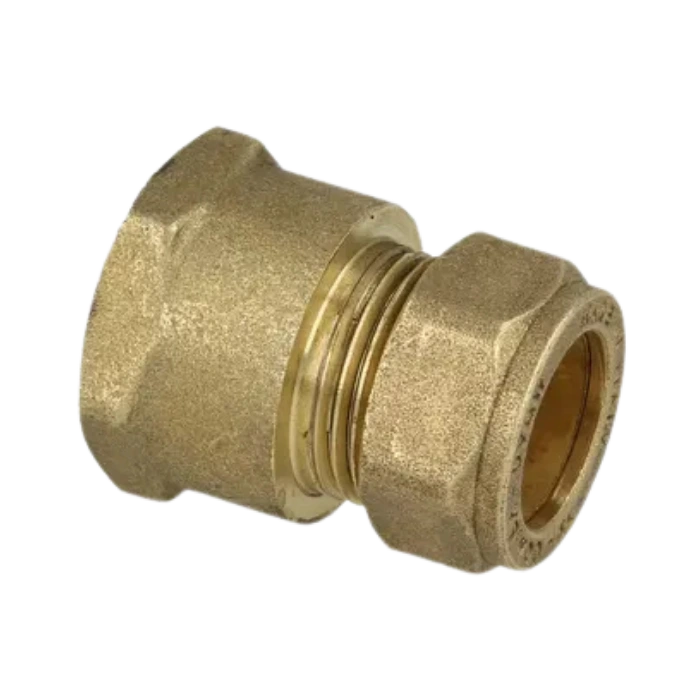
OEG 802016132 - Brass Compression Coupling (15 mm x G 1/2" F)
Item no. 346132EAN 8000130246257
Price excl. VAT€ 2,23Price incl. VAT€ 2,70
In stock
Added
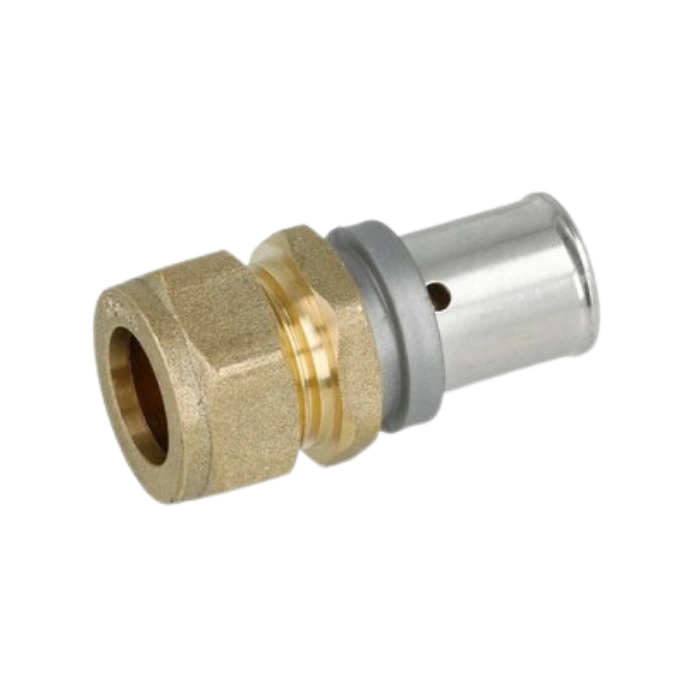
OEG press transition coupling (16 x 15)
Item no. 340312EAN 4055668012496
Price excl. VAT€ 4,99Price incl. VAT€ 6,04
In stock
Added
Selecting a compression fitting
A compression fitting is intended for creating a mechanical pipe connection with a compression nut and ring. The pipe is inserted into the fitting, after which the compression nut is tightened and the compression ring grips around the pipe. This creates a secure connection without a press machine, soldering or adhesive. Compression fittings are widely used in heating pipes, water-based installations, service work and situations where accessibility remains important.
The right choice depends on pipe size, material, connection type, fitting design, pressure class, temperature and mounting position. For the broader category, also review fittings for pipework. When a permanent press connection is required, press fitting may be more relevant. For threaded connections, transition pieces and connections to valves, threaded fitting is important.
Important when choosing compression fittings
- Check pipe size, material type, wall thickness and round pipe fit
- Select the right design, such as straight connector, reducer, T-piece, elbow, stop or threaded connection
- Check female thread, male thread, reducer size and connection to valves or appliances
- Check pressure class, temperature range and application within the installation
- Install the compression ring and nut straight, clean and without strain
- Tighten the fitting carefully without deforming or damaging the pipe
- Always check the connection after installation for correct fit and leak tightness
Mechanical connection without press tools
The main advantage of a compression fitting is that the connection can be made without a press machine. This makes these fittings practical for maintenance, repair, renovation and installation in locations where press tools are difficult to use. The pipe must still be cut square, properly deburred and fully inserted into the fitting before the compression nut is tightened.
For installers, the correct installation sequence is especially important. The compression nut, compression ring and pipe must be positioned correctly so the fitting tightens evenly. Insufficient tightening can cause leakage, while overtightening may damage the pipe or compression ring. Always check dimensions, material, technical application and accessibility for later inspection or service.
Frequently asked questions about compression fittings
What is a compression fitting?
A compression fitting is a mechanical fitting where a pipe is secured with a compression nut and ring. This creates a pipe connection without press tools or soldering work.
When should I use a compression fitting?
A compression fitting is often used in pipework where a practical, accessible or more removable connection is required. The application depends on pipe size, material, pressure, temperature and installation requirements.
Which compression fitting do I need?
The correct compression fitting depends on pipe diameter, material, connection type, fitting design and application. Always check whether the fitting matches the pipe used and the technical requirements of the installation.
What is the difference between a compression fitting and a press fitting?
A compression fitting mechanically clamps the pipe with a compression nut and ring. A press fitting is permanently pressed onto the pipe using press tools.
What should an installer check during installation?
Check square cutting, deburring, correct insertion depth, correct position of the compression ring, strain-free installation, suitable tightening torque and leak tightness after installation.