Filters
 Loading…
Destratification fan
A destratification fan is used to move warm air that accumulates near the ceiling of high spaces back down into the occupied zone. In this category, you will find Reventon destratification fans for workshops, commercial halls, warehouses, storage buildings, technical rooms and utility projects.
When choosing a destratification fan, ceiling height, room volume, air movement, mounting position, noise level, control and combination with heaters are important. By distributing warm air more effectively, the room temperature can become more even and existing heat can be used more efficiently.
Brands

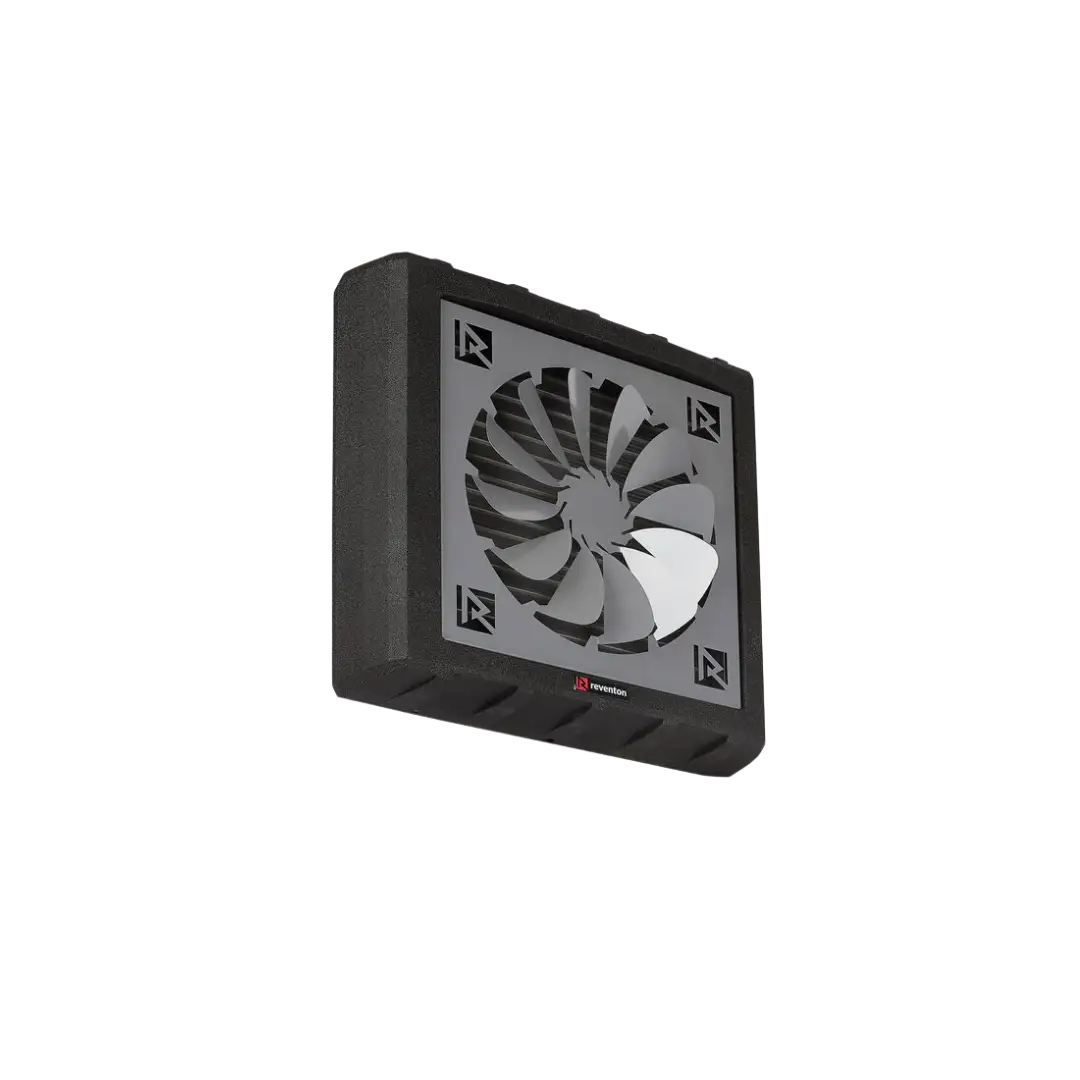
Choosing a destratification fan
A destratification fan is designed for high spaces where warm air rises and collects near the ceiling. By moving this warm air back down in a controlled way, heat is distributed more effectively throughout the occupied zone. This is especially useful for workshops, commercial halls, warehouses, storage buildings, showrooms, sports halls and utility spaces.
When choosing a destratification fan, ceiling height, room volume, air movement, mounting position, noise level and control are important. For additional heating solutions, also view indirect heaters for water-based systems and direct-fired heaters for fast heat.
Important for destratification fans
- Check ceiling height, room volume and required air movement
- Match mounting position to the heat source and room layout
- Use destratification especially in high spaces where heat remains near the ceiling
- Pay attention to noise level, controls, power supply and maintenance access
- Combine with heaters where needed for improved heat distribution
- Have positioning and number of fans assessed for larger projects
Why destratification matters in high spaces
In high spaces, warm air naturally rises. As a result, the area near the ceiling can become much warmer than the occupied zone, even though heat is needed at floor or working height. This temperature layering is called thermal stratification.
A destratification fan helps mix these air layers. The fan moves warm air from the upper zone back down, improving heat distribution. This can improve comfort and help existing heat sources, such as indirect heaters or other heating systems, work more effectively.
Correct performance depends on mounting height, air movement, position in relation to heaters and the shape of the space. In large halls or warehouses, multiple destratification fans may be required.
Frequently asked questions about destratification fans
What is a destratification fan?
A destratification fan is a fan that moves warm air from the upper air layer of a high space back down. This helps distribute heat more evenly throughout the room.
When is a destratification fan useful?
A destratification fan is useful in high spaces where warm air accumulates below the roof or ceiling. This often occurs in commercial halls, warehouses, workshops, storage buildings, showrooms and technical rooms.
Can a destratification fan work with heaters?
Yes, a destratification fan can work well with heaters. The heater introduces heat into the space, while the destratification fan helps distribute that heat more effectively and bring it back down to the occupied zone.
Can a destratification fan save energy?
A destratification fan can help make better use of existing heat. This can reduce the temperature difference between ceiling level and the occupied zone. Actual energy savings depend on room height, insulation, heating system, controls and usage.
What should an installer check during installation?
An installer should check mounting height, air movement, position in relation to heaters, free airflow, noise level, power supply, controls, maintenance access and the required number of fans.