Filters
 Loading…
Sensors
Sensors for ALPS EXCLUSIVE Urban V2 heat pumps are used for measurement, control and safety within the system. This includes temperature sensors, pressure sensors and pressure switches that send important values to the heat pump controller.
When replacing a sensor, always check the original sensor type, measured value, cable length, plug connection, mounting position and compatibility with the relevant Urban V2 model. This helps prevent error messages, incorrect readings and control faults.
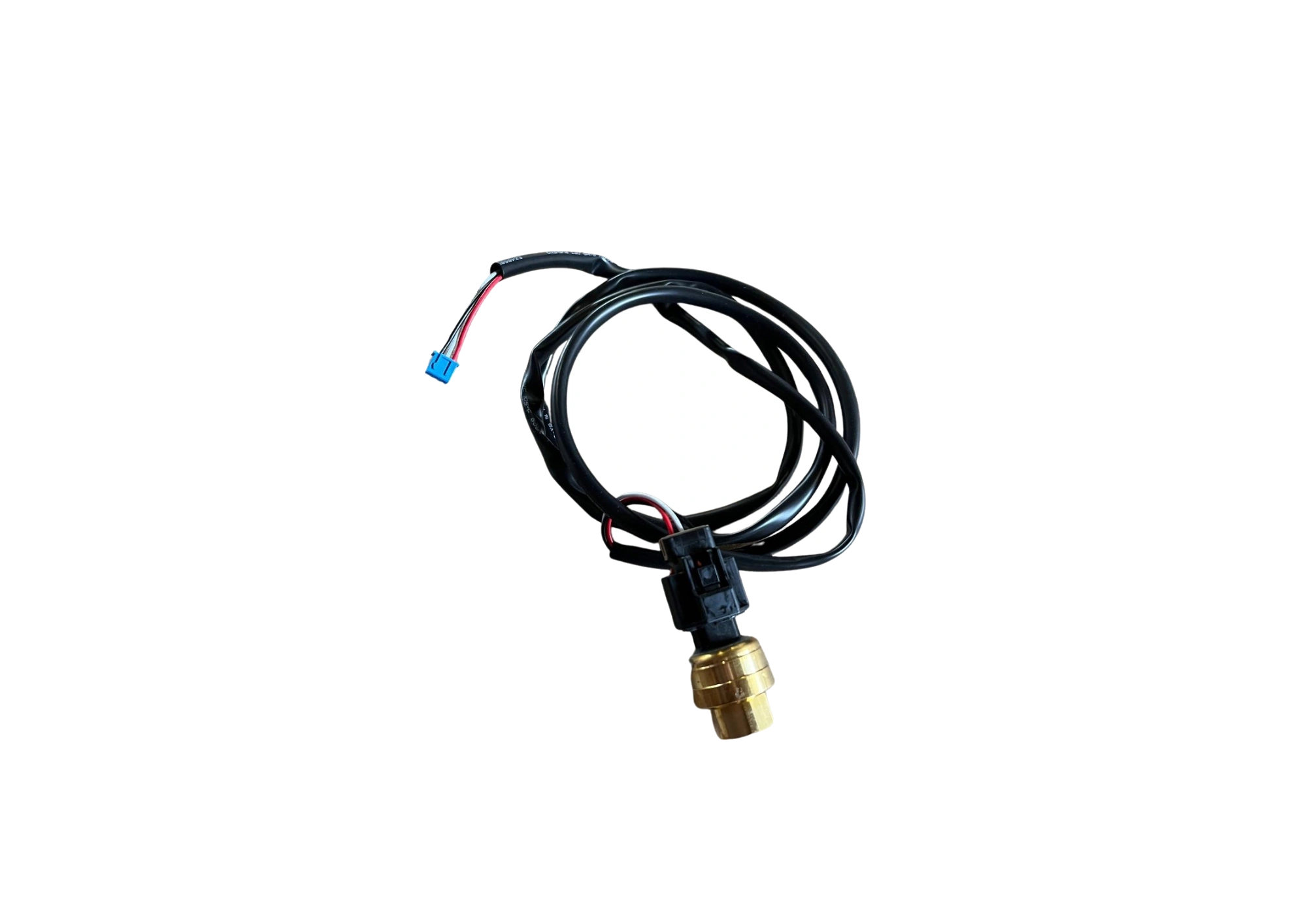
Sensata 35CP02 - 0–20 bar pressure sensor
Item no. 600020EAN 8721225901096
Restricted access
In stock
Added
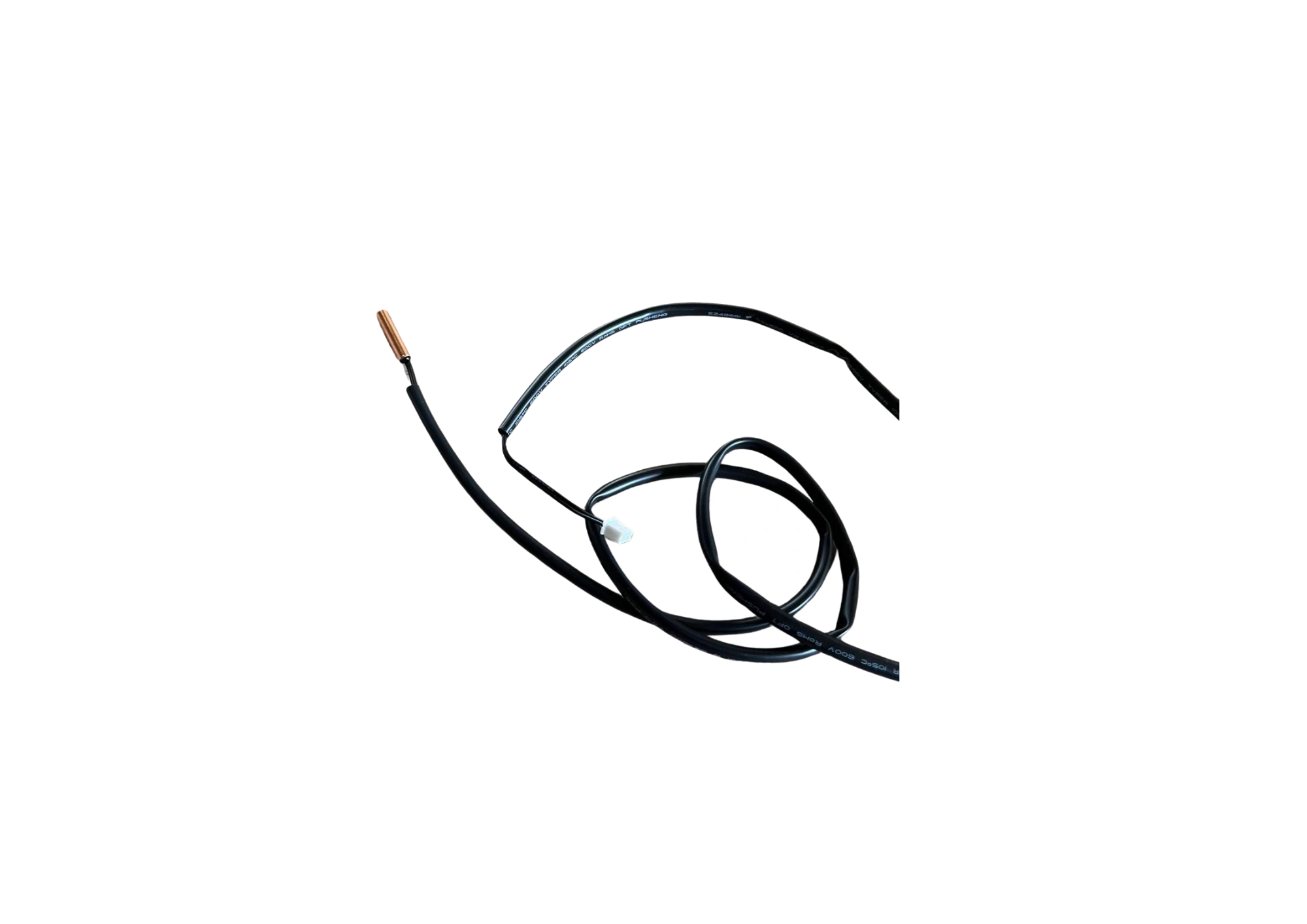
Chico CC.T245 - 5K copper temperature sensor
Item no. 600015EAN 8721225901041
Restricted access
In stock
Added
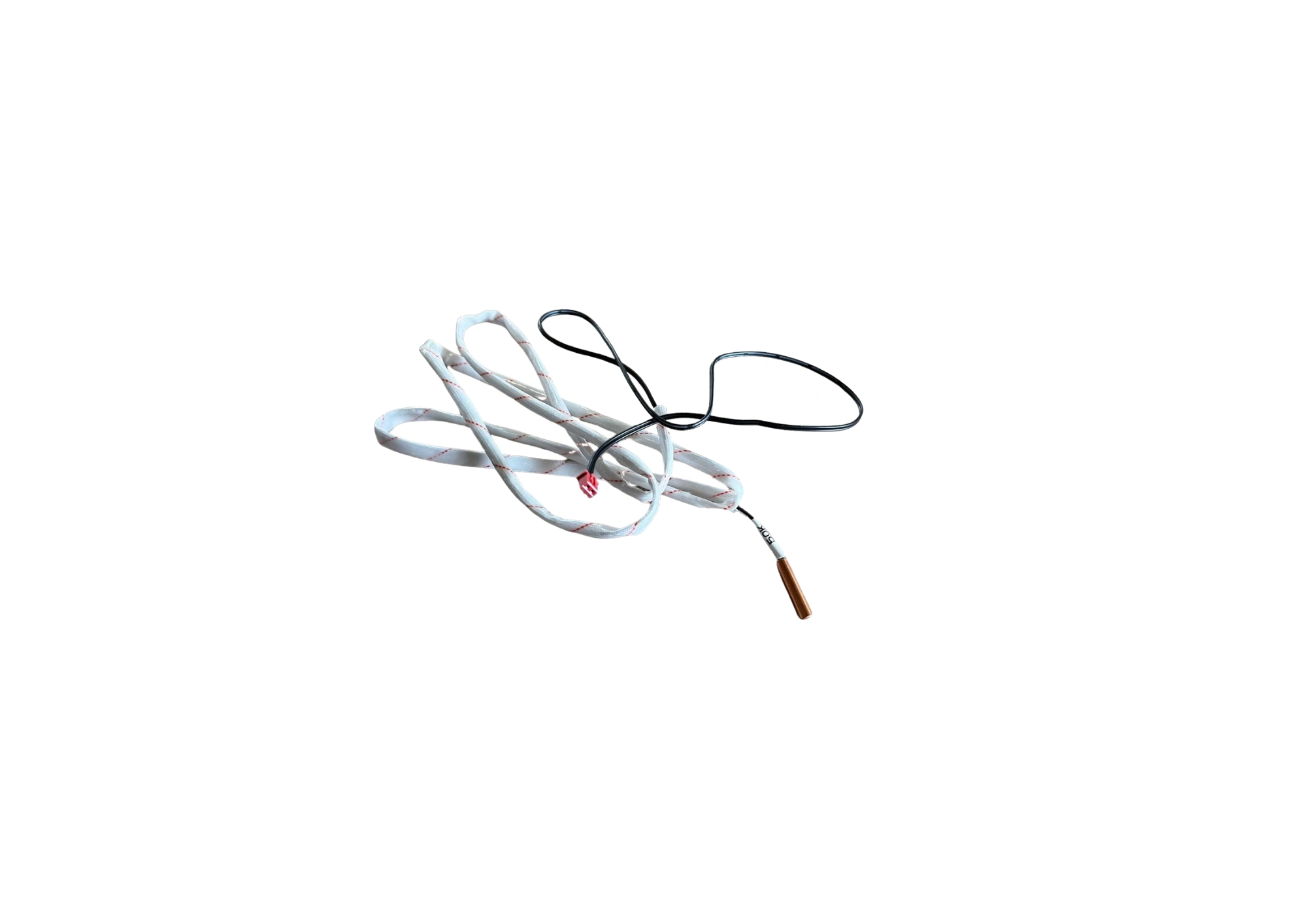
Chico CC.T257 - 50K high-temperature sensor
Item no. 600013EAN 8721225901027
Restricted access
In stock
Added
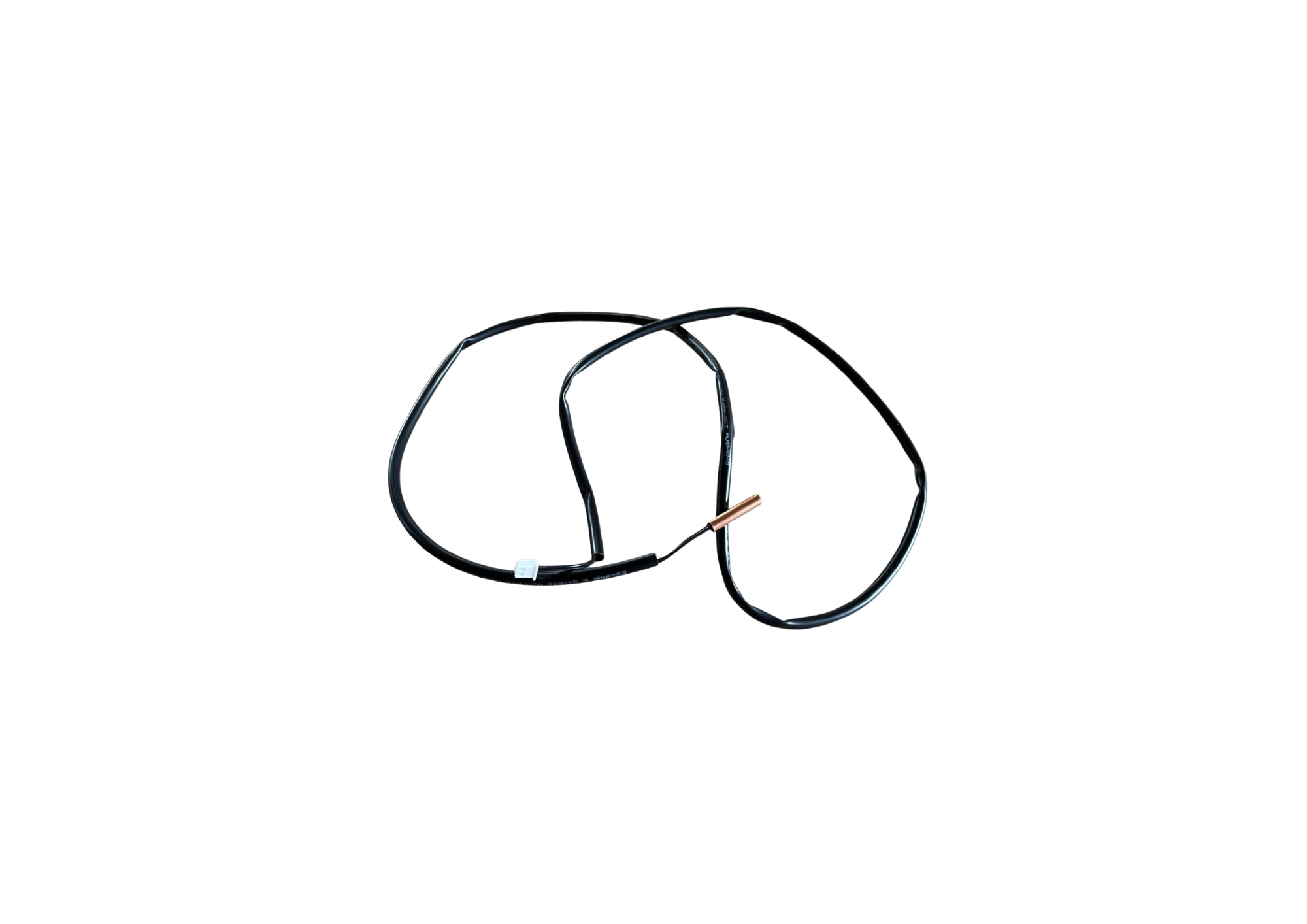
Chico CC.T43 - 5K copper temperature sensor
Item no. 600014EAN 8721225901034
Restricted access
On backorder
Added
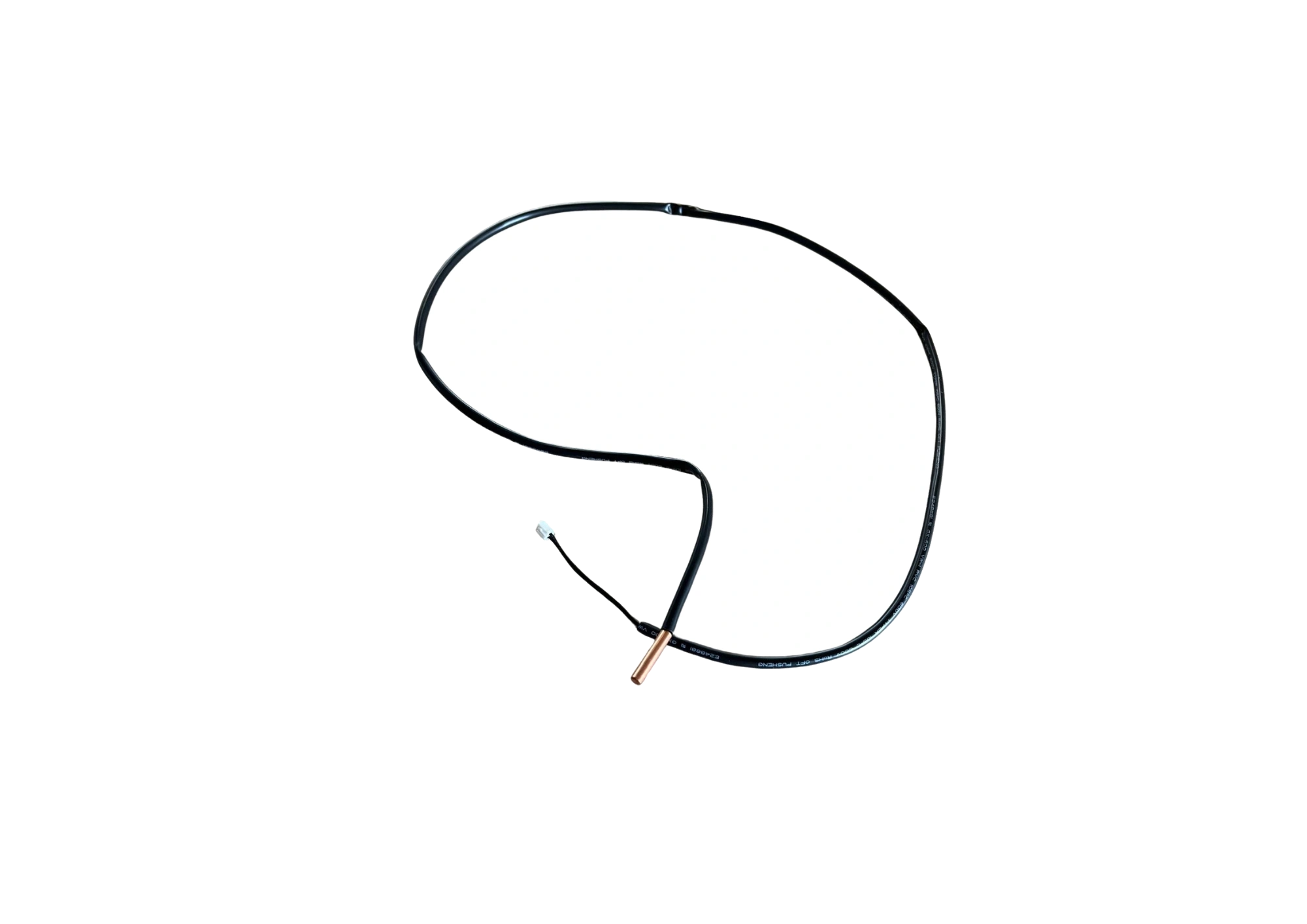
Chico CC.T94 - 5K copper temperature sensor
Item no. 600010EAN 8721225900990
Restricted access
In stock
Added
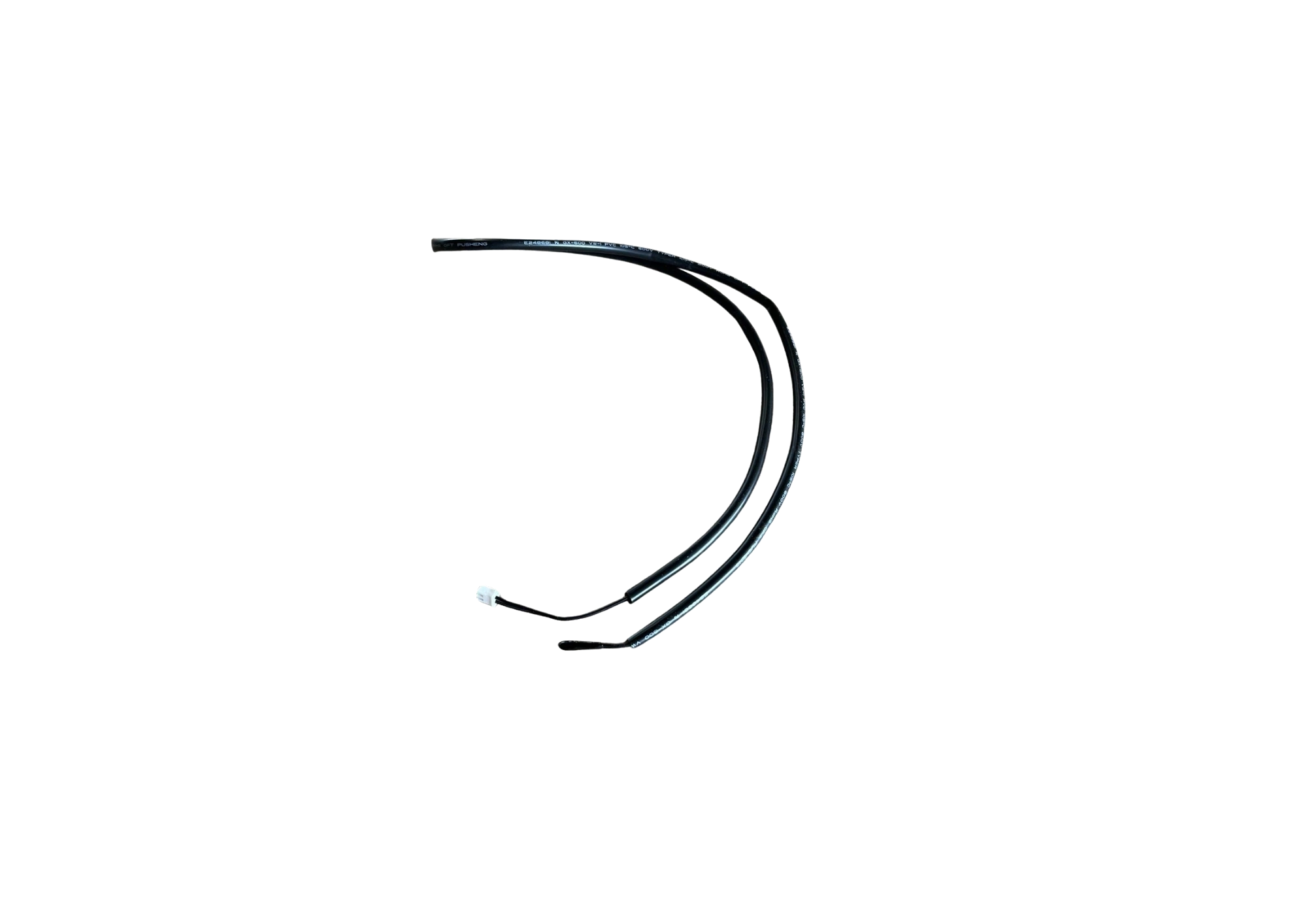
Chico CC.T98 - 5K plastic temperature sensor
Item no. 600011EAN 8721225901003
Restricted access
In stock
Added
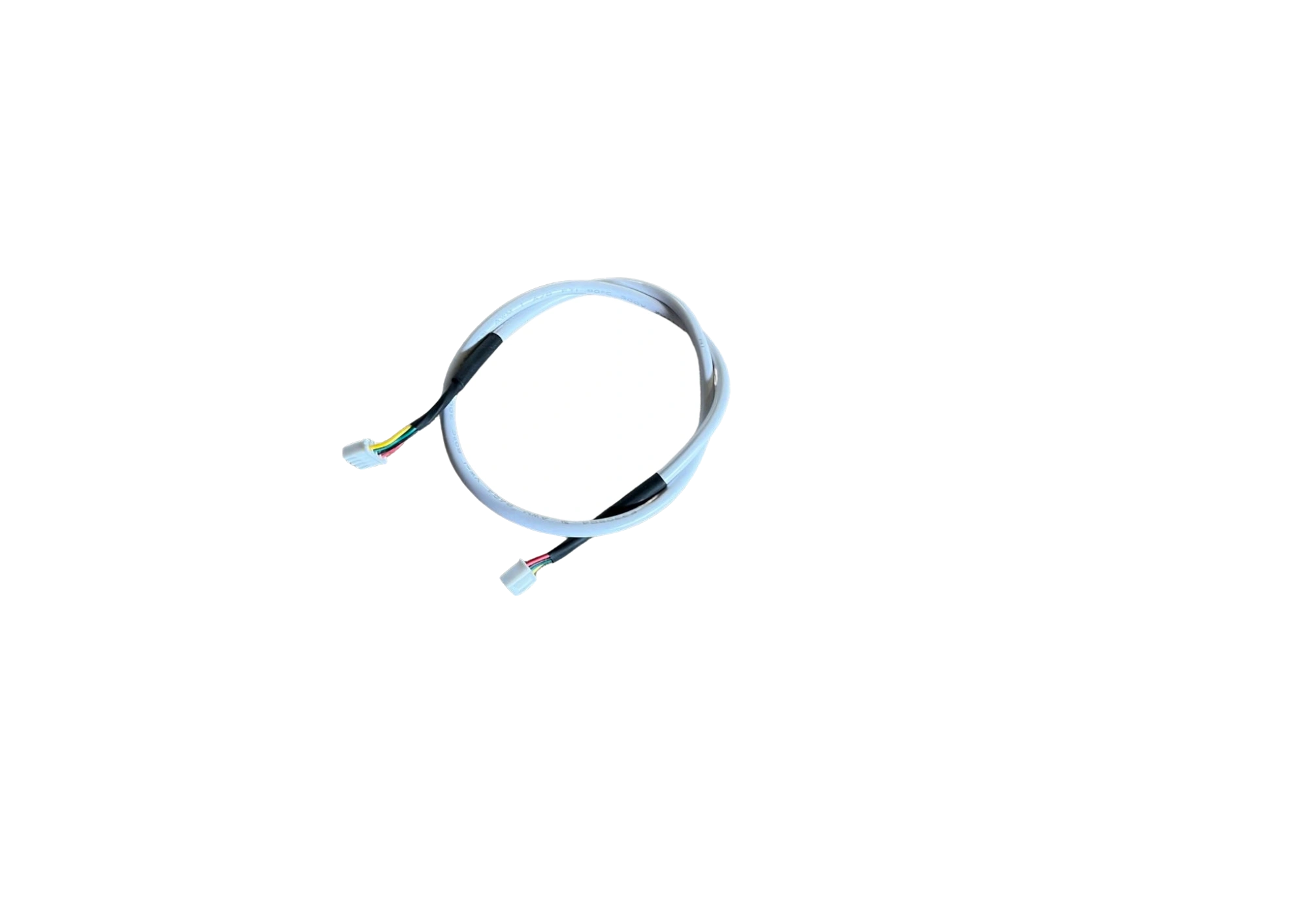
Chico CCX330.45 - XH-4Y signal cable 500 mm
Item no. 600006EAN 8721225900945
Restricted access
On backorder
Added
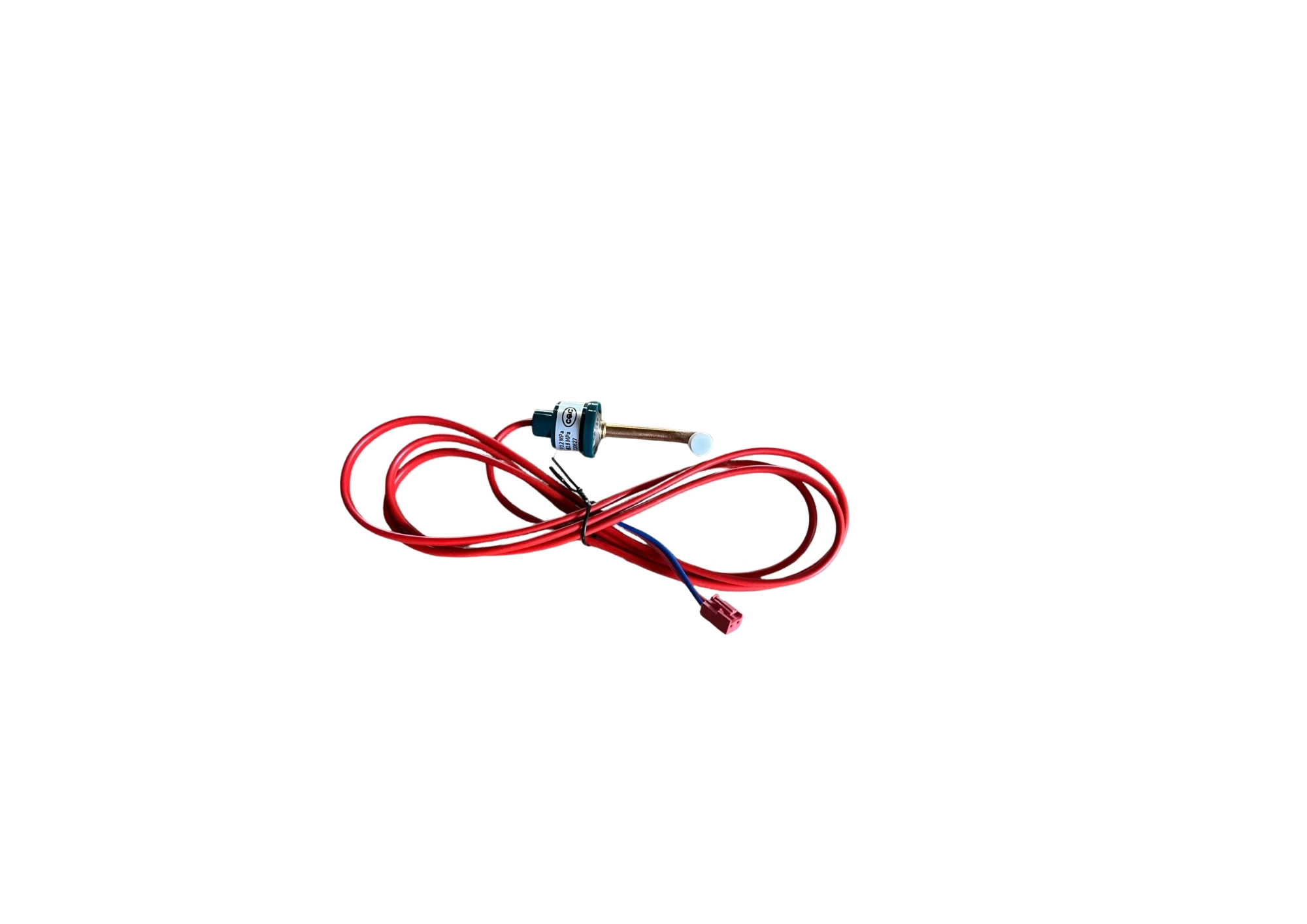
High pressure switch - Heat pump pressure switch
Item no. 600001EAN 8721225900891
Restricted access
On backorder
Added
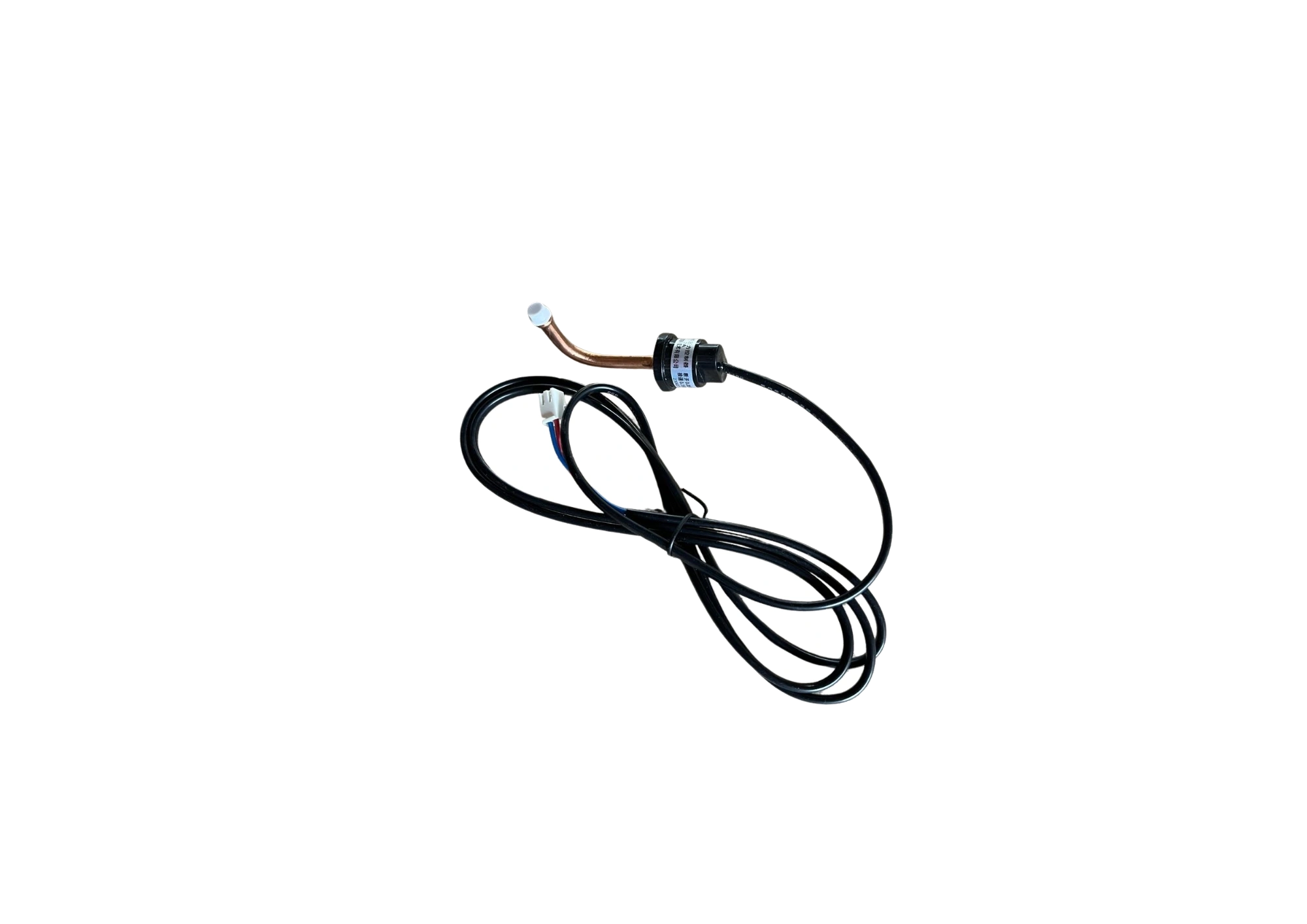
Low pressure switch - Heat pump pressure switch
Item no. 600002EAN 8721225900907
Restricted access
In stock
Added
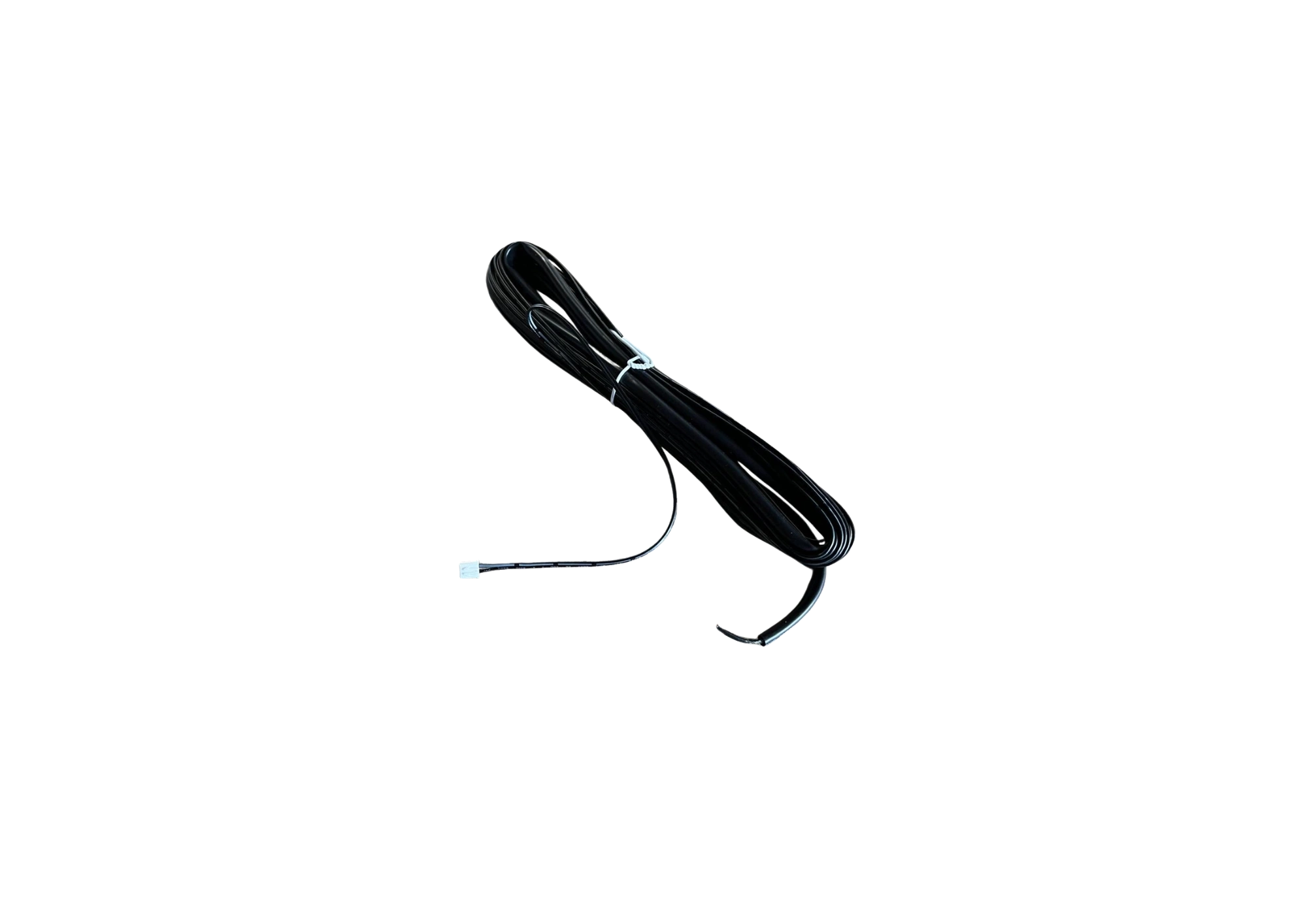
Chico CC.T186 - 5K copper temperature sensor 10 m
Item no. 600012EAN 8721225901010
Restricted access
In stock
Added
Sensors for ALPS EXCLUSIVE URBAN V2 LINE heat pumps
Sensors for the ALPS EXCLUSIVE URBAN V2 LINE are used to measure, monitor and transmit technical values within the heat pump. Depending on the sensor type, they may be involved in temperature measurement, pressure monitoring, flow control, safety or outdoor unit regulation.
The correct sensor selection depends on the series, unit type, article number, connection, voltage, sensor type, measuring range, resistance characteristic, connector, cable length, mounting position and technical version. Always check whether the sensor matches the original component and is installed in the correct position in the system.
Important checks for sensors
- Check whether the sensor is suitable for the relevant ALPS EXCLUSIVE URBAN V2 LINE heat pump and exact unit type.
- Compare the article number, sensor type, measuring range, resistance characteristic, connector layout, cable length and mounting position with the original sensor.
- Inspect the sensor for cable breakage, moisture, corrosion, loose connectors, damaged insulation or abnormal measured values.
- Check error codes, current measured values, operating status and heat pump behaviour before replacing the sensor.
- Check related components such as PCB, wiring harness, connectors, measured circuit, pressure side, water side or evaporator position.
Application, replacement and technical attention points
A sensor is usually checked or replaced when the heat pump shows error codes, displays illogical measured values, switches incorrectly or responds unstably during heating, cooling, defrosting or domestic hot water production. A sensor fault can also be caused by poor wiring, moisture in connectors or an issue in the circuit being measured.
Installation and diagnosis must be carried out by a qualified technician. After replacement, connectors, cable routing, mounting position, measured value, error codes and system operation must be checked again. For temperature sensors, the resistance characteristic is important; for pressure or flow sensors, the measuring range, connection and system condition must also be checked.
Frequently asked questions about sensors
What are sensors used for in a heat pump?
Sensors measure technical values such as temperature, pressure or flow and transmit this information to the control system. The heat pump uses these values for control, safety and diagnosis.
When should a sensor be replaced?
A sensor should be replaced when it gives abnormal values, causes error codes, is damaged or no longer communicates reliably with the control system after diagnosis.
Does every sensor fit every URBAN V2 LINE heat pump?
No, the correct version depends on the series, unit type, article number, connection, voltage, sensor type, measuring range, resistance characteristic, connector, cable length, mounting position and technical version.
Can an error code also be caused by wiring or connectors?
Yes, error codes or illogical measured values can also be caused by cable breakage, moisture, corrosion, loose connectors, a defective PCB or a problem in the circuit being measured.
Can a sensor be installed without a technician?
For correct diagnosis and safe installation, a qualified technician is recommended. The technician checks measured values, connection, mounting position, error codes and heat pump operation after replacement.