Filters
 Loading…
Direct fired heater
A direct-fired heater provides fast heat because the heat is transferred directly from the heat source to the air. In this category, you will find the Proton heater EL15 set, a 15 kW direct-fired heater for applications such as workshops, storage buildings, commercial halls, warehouses and well-ventilated areas.
When choosing a direct-fired heater, heating capacity, room volume, ventilation, fuel supply, air movement, safety and usage situation are important. Direct-fired heaters are especially suitable when fast temporary or supplementary heat is required and the space can be sufficiently ventilated.
Brands

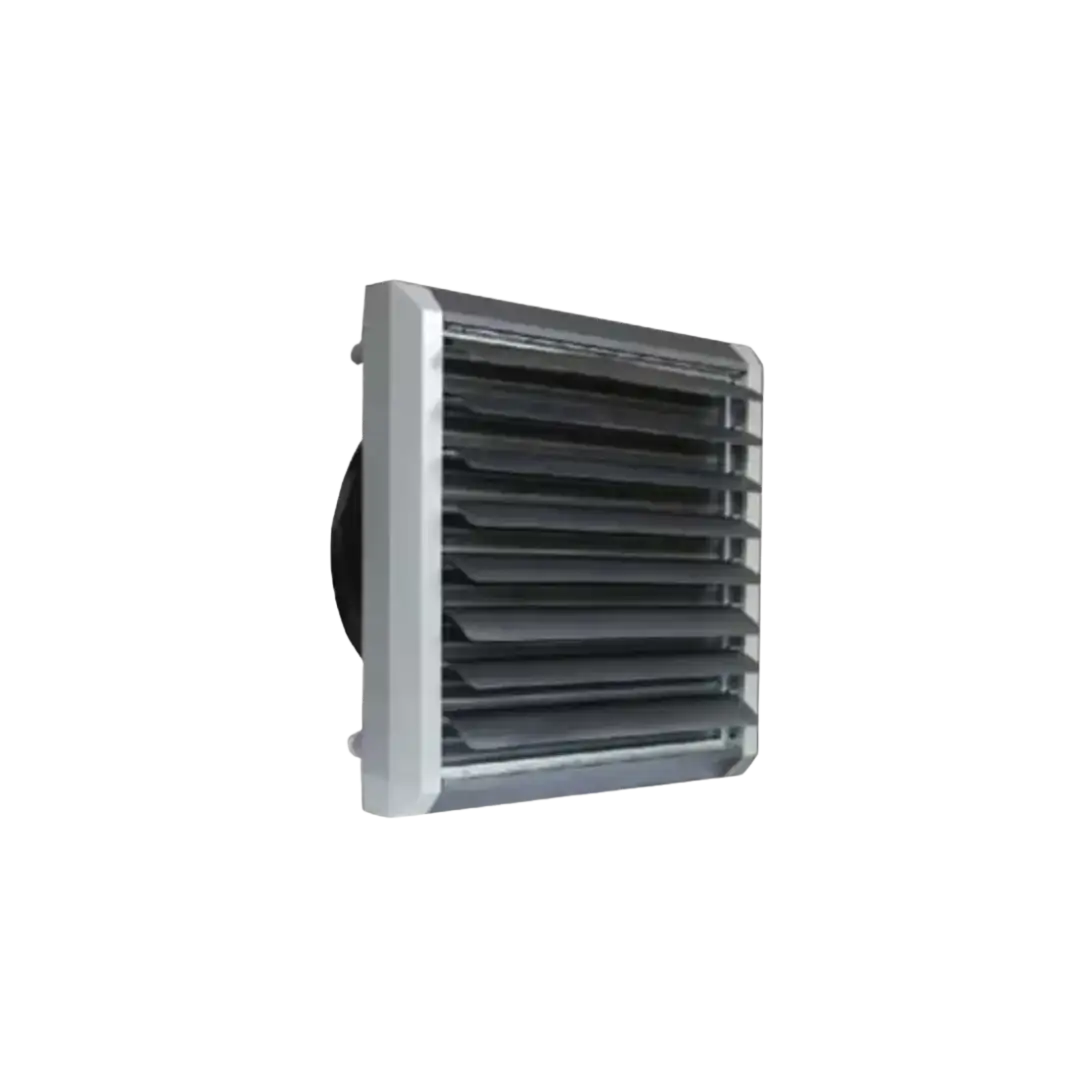
Choosing a direct-fired heater
A direct-fired heater is suitable for situations where heat is needed quickly, without requiring a water-based heating system. The heater heats the air directly and transfers this heat quickly into the space. This makes direct-fired heaters useful for workshops, storage buildings, warehouses, commercial halls, temporary work zones and well-ventilated areas.
When choosing a unit, output, room volume, ventilation, safety, fuel supply and operating time are important. For additional solutions, also view indirect heaters for water-based systems and heater accessories for installation and service.
Important for direct-fired heaters
- Select output based on room volume, insulation and desired heating speed
- Check whether the space can be sufficiently ventilated during operation
- Pay attention to fuel supply, air movement, placement and clearance around the heater
- Use direct-fired heaters mainly for temporary, supplementary or fast heat
- Check safety instructions, usage area and maintenance access
- For professional use, have the application assessed by an installer or technical specialist
Difference between direct and indirect heaters
A direct-fired heater heats the air directly from the heat source. As a result, heat is available quickly and no water-based system is required. This type of heater is especially practical for temporary heating, fast warm-up or use in open and well-ventilated spaces.
An indirect heater is connected to a water-based heating system. Hot water flows through a heat exchanger and a fan moves air across this heat exchanger. This makes the heater suitable for fixed installations combined with a boiler, wood boiler, pellet boiler, heat pump or another heating system.
The right choice depends on the application. For fast, temporary or mobile heat, a direct-fired heater can be interesting. For fixed workshop heating or connection to an existing installation, an indirect heater is often the more logical solution.
Frequently asked questions about direct-fired heaters
What is a direct-fired heater?
A direct-fired heater is an air heater where heat is transferred directly from the heat source to the air. This allows the space to be heated quickly without connection to a water-based heating system.
When is a direct-fired heater suitable?
A direct-fired heater is suitable for fast, temporary or supplementary heat in workshops, storage buildings, warehouses, commercial halls and open or well-ventilated areas. Suitability depends on ventilation, safety and operating time.
What is the difference between direct and indirect heating?
Direct-fired means the air is heated directly by the heat source. Indirect heating means the heater receives heat through a water-based system and transfers this heat to the space through a heat exchanger and fan.
Is ventilation important with a direct-fired heater?
Yes, ventilation is important with direct-fired heaters. Always check whether the space is suitable for this type of heating and follow the manufacturer’s safety instructions and the applicable requirements for the application.
What should an installer or user check?
Check output, ventilation, fuel supply, clearance around the heater, placement, operating time, safety instructions and maintenance. For professional or project-based use, technical assessment is recommended.