Filters
 Loading…
Galvanized steel pipe
Galvanized steel pipe is used for robust, rigid and neat pipework in heating systems and technical applications. Due to its solid construction, galvanized steel is suitable for straight pipe runs where mechanical strength, clean installation and a durable pipe layout are important.
At Hewa, you will find galvanized heating pipe for installers, service technicians, business customers and DIY users. When selecting the right pipe, check pipe diameter, wall thickness, application, pressure class, temperature range, fixing distance, fitting type, insulation and compatibility with the complete pipe system.
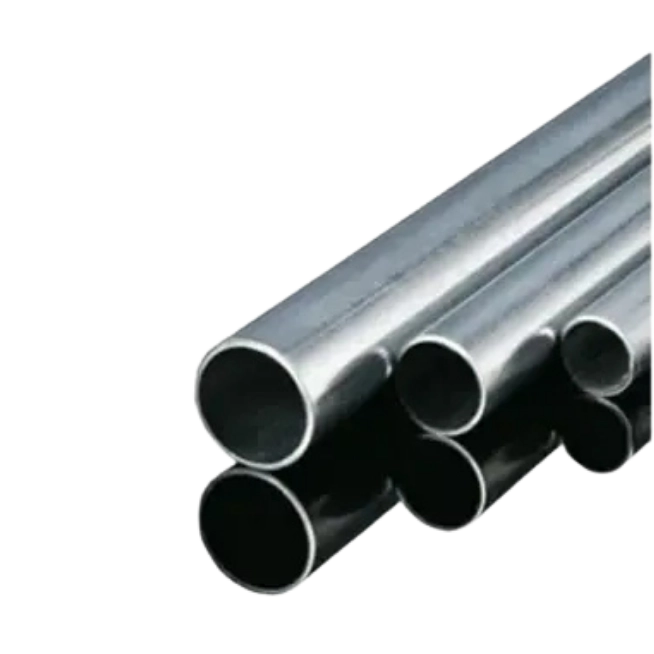
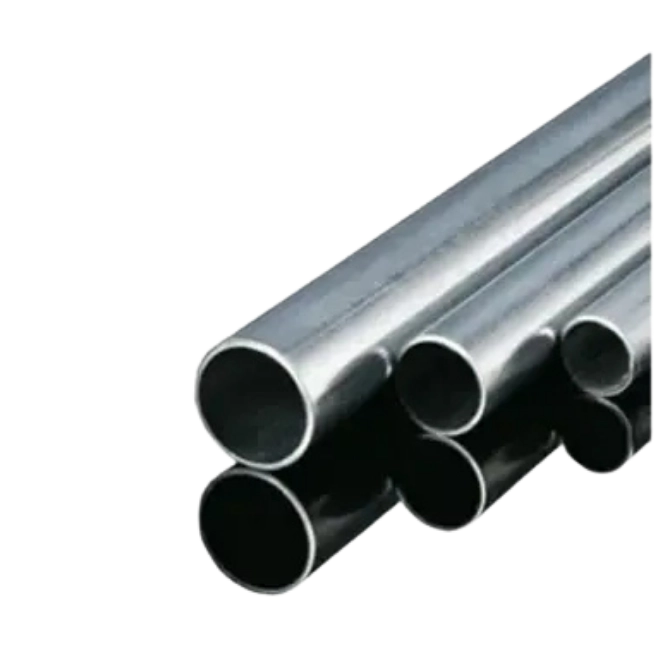
Selecting galvanized steel pipe
Galvanized steel pipe is used when a strong, straight and dimensionally stable pipe route is required. The material is often used in heating pipework and technical installations where mechanical strength, clean installation and a robust pipe layout are important. Thanks to the galvanized finish, the pipe is better protected than untreated steel and suitable for installations where a solid pipe structure is required.
The right choice depends on pipe diameter, wall thickness, application, pressure, temperature, fitting type and mounting environment. For the broader pipe category, also review pipes for technical installations. When a more flexible pipe route is required, multilayer pipe may be relevant. To reduce heat loss and protect pipework, pipe insulation is important.
Important when choosing galvanized steel pipe
- Check the correct diameter, such as 22 mm or 28 mm
- Match pipe size to flow rate, pressure loss and application within the heating system
- Check wall thickness, temperature range, pressure load and system medium
- Select fittings and valves suitable for galvanized steel pipework
- Allow for straight installation, fixing distance and mechanical load
- Use pipe insulation where heat loss, condensation or touch protection is important
- Always check whether the pipe matches the technical requirements of the appliance and installation
Robust pipework for heating and technical installations
An important advantage of galvanized steel pipe is its robust and dimensionally stable construction. The pipe is suitable for straight runs where stability and mechanical strength are more important than maximum flexibility. This makes galvanized steel suitable for technical rooms, heating pipework, renovation, visible pipe routes and pipe runs that must be installed clearly and firmly.
Careful preparation is important during installation. The pipe must be cut to size, processed cleanly and installed without strain. Fixing points must provide sufficient load capacity and be placed at the correct distance to prevent sagging, vibration or strain on fittings. Material transitions must also be assessed technically to prevent unwanted corrosion or installation issues.
For installers, it is sensible to assess galvanized steel pipe in combination with the complete installation. Consider pipe length, system temperature, pressure, pump capacity, valves, shut-off components, fittings, insulation and service access. A carefully built pipe route contributes to operational reliability, neat installation and a lower risk of leaks or service complaints.
Frequently asked questions about galvanized steel pipe
What is galvanized steel pipe used for?
Galvanized steel pipe is used for robust and dimensionally stable pipework in heating systems and technical applications. The material is suitable for straight pipe runs where strength and neat installation are important.
Which galvanized steel pipe size do I need?
The correct size depends on application, flow rate, pressure loss, connection and system layout. Common sizes include 22 mm and 28 mm, but always check the installation design and technical requirements.
What is the difference compared with multilayer pipe?
Galvanized steel pipe is rigid and robust, while multilayer pipe is more flexible and easier to route through bends or longer pipe runs. The right choice depends on mounting environment, pipe route and application.
Does galvanized steel pipe need to be insulated?
Insulation is recommended when heat loss must be reduced or when pipework needs protection against temperature differences, condensation or unwanted contact. The correct insulation thickness depends on application and environment.
What should an installer check during installation?
Check correct pipe size, straight installation, suitable fittings, fixing distance, strain-free processing, material transitions, insulation, pressure class and leak tightness after installation.