Filters
 Loading…
Stainless steel buffer tank for heat pump
A stainless steel buffer tank for heat pumps is used to temporarily store heating water and add extra system volume to the installation. The stainless steel design makes the buffer tank suitable for applications where material selection, corrosion resistance and a clean technical finish are important.
At Hewa, you will find stainless steel buffer tanks for heat pumps, heating systems and technical heating installations. When selecting the right tank, check volume, connections, maximum operating pressure, insulation, temperature class, installation location and the hydraulic function within the complete system.
Brands

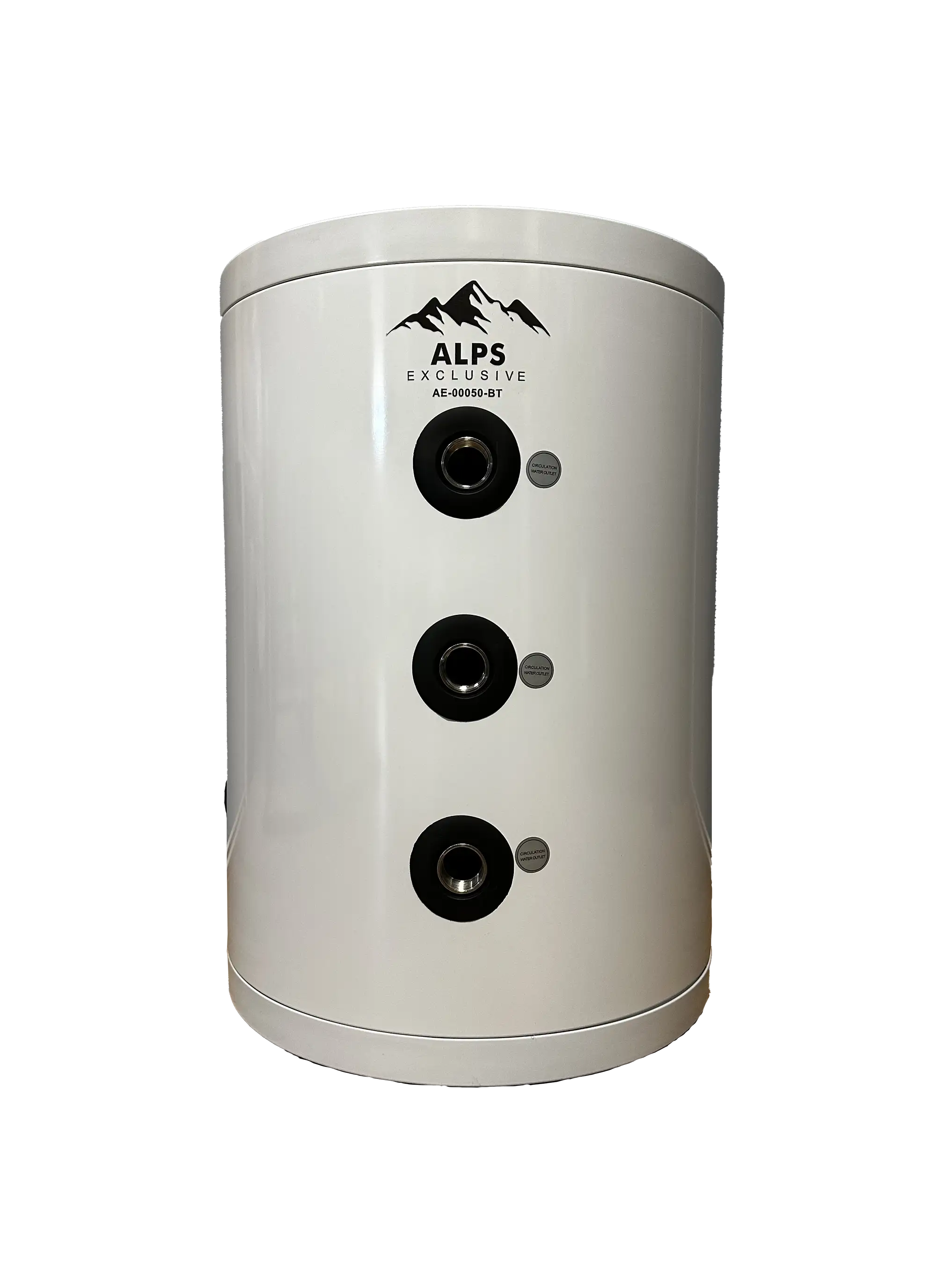
ALPS EXCLUSIVE AE-00050-BT - Stainless Steel Buffer Tank (50L)
Item no. 394050EAN 8721082877169
Price excl. VAT€ 305,74Price incl. VAT€ 369,95
In stock
Added
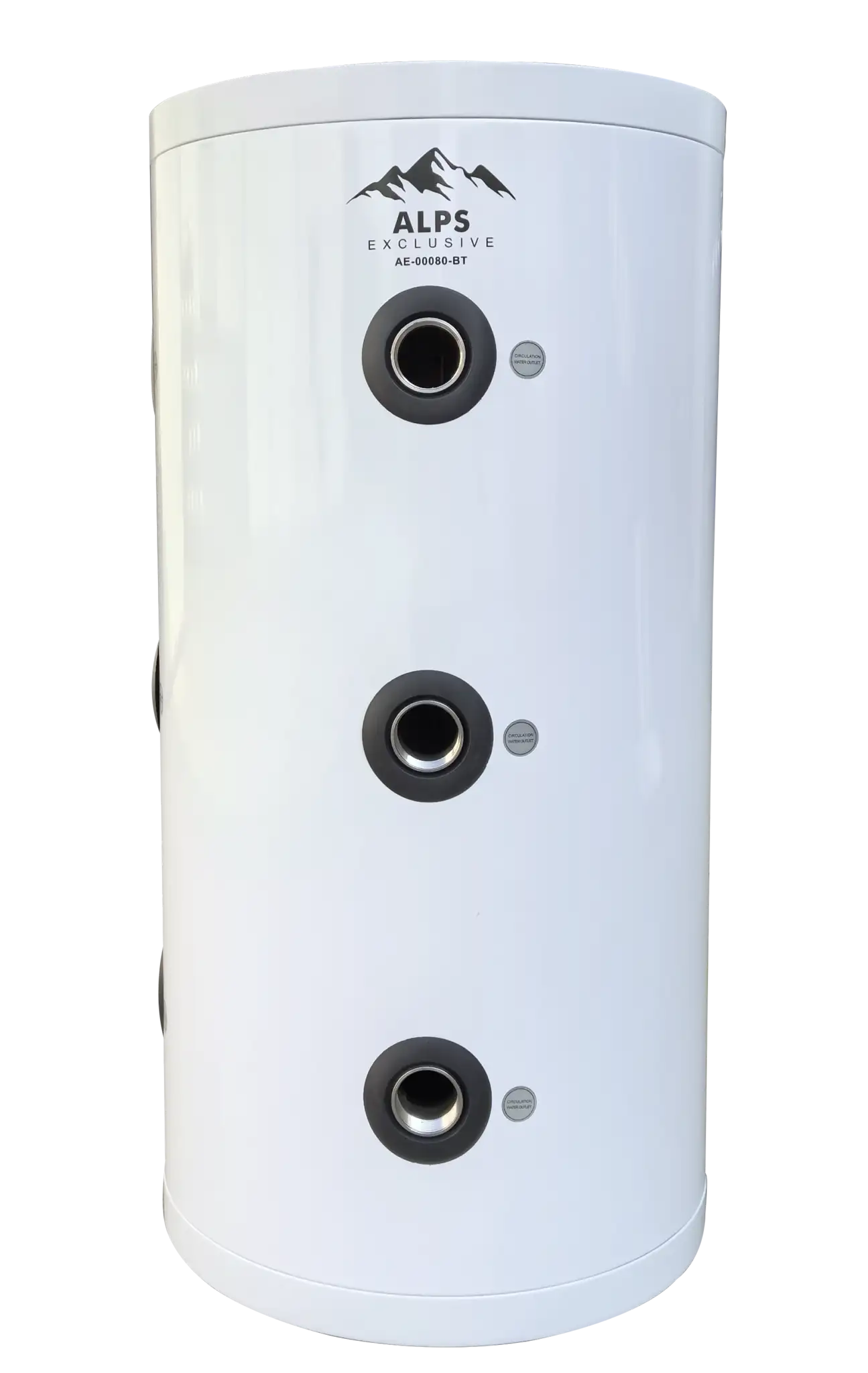
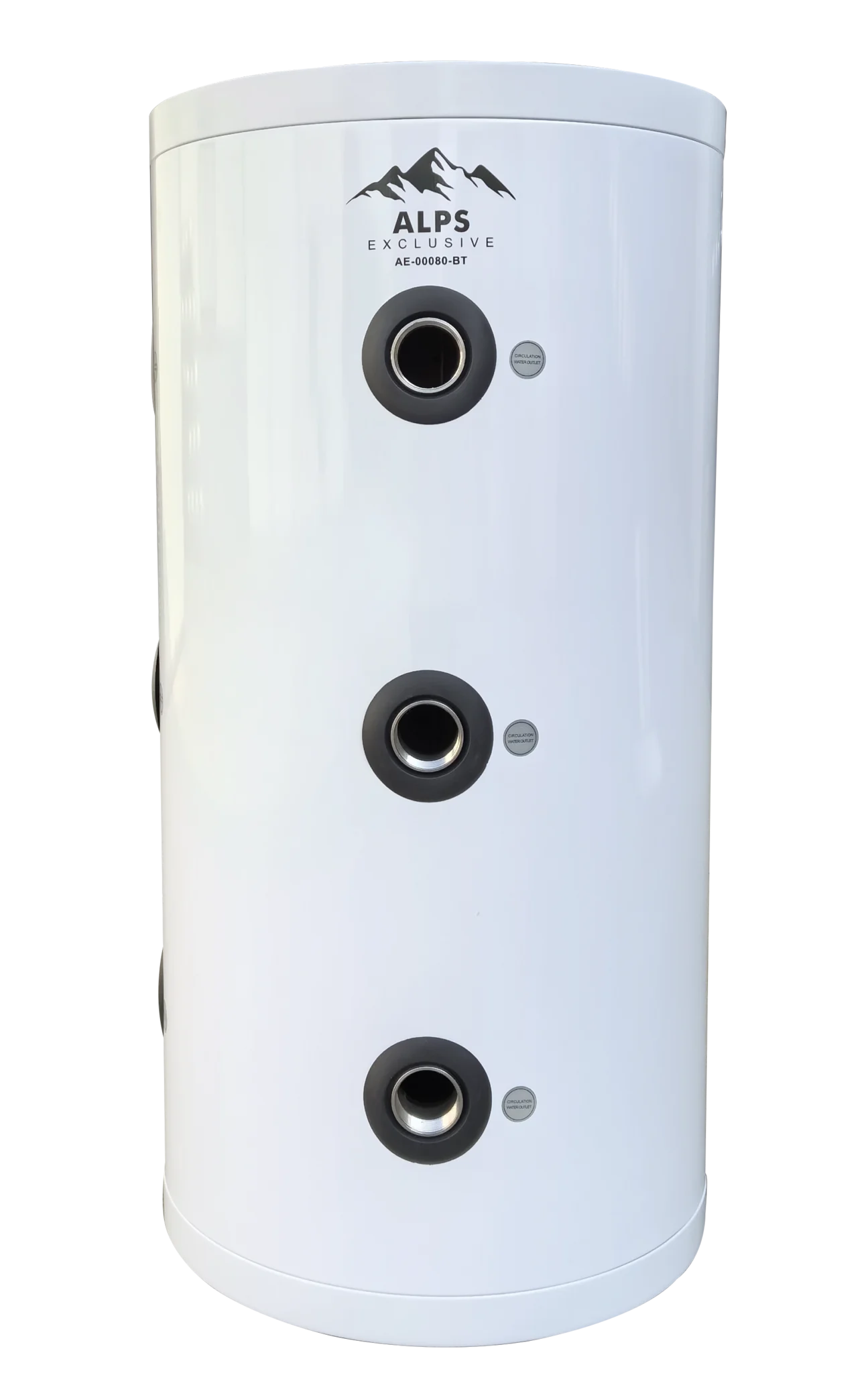
ALPS EXCLUSIVE AE-00080-BT - Stainless Steel Buffer Tank (80L)
Item no. 394080EAN 8721082877152
Price excl. VAT€ 363,60Price incl. VAT€ 439,96
In stock
Added
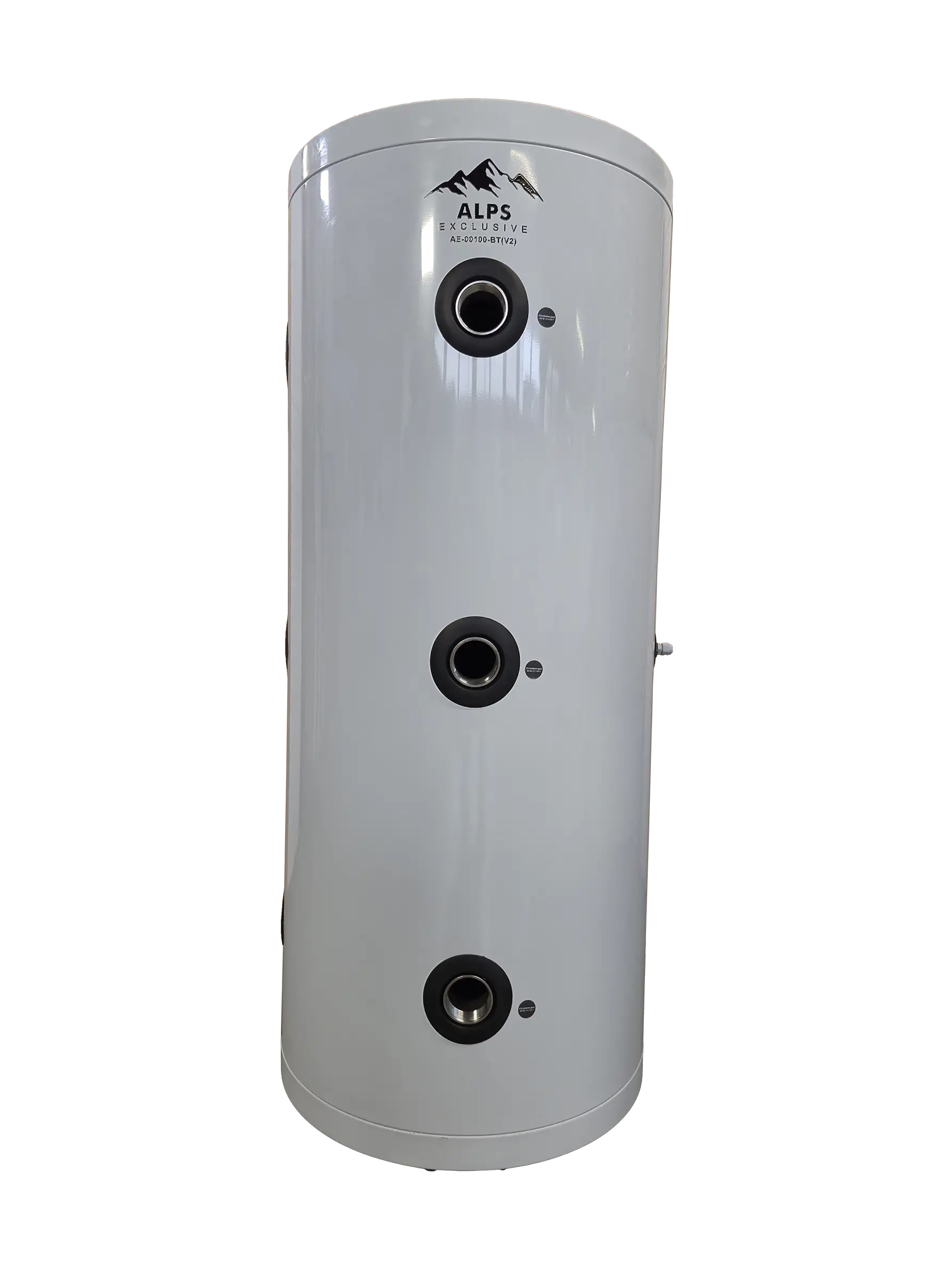
ALPS EXCLUSIVE AE-00100-BT(V2) - Stainless Steel Buffer Tank 100L
Item no. 394210EAN 8721082877930
Price excl. VAT€ 462,77Price incl. VAT€ 559,95
In stock
Added
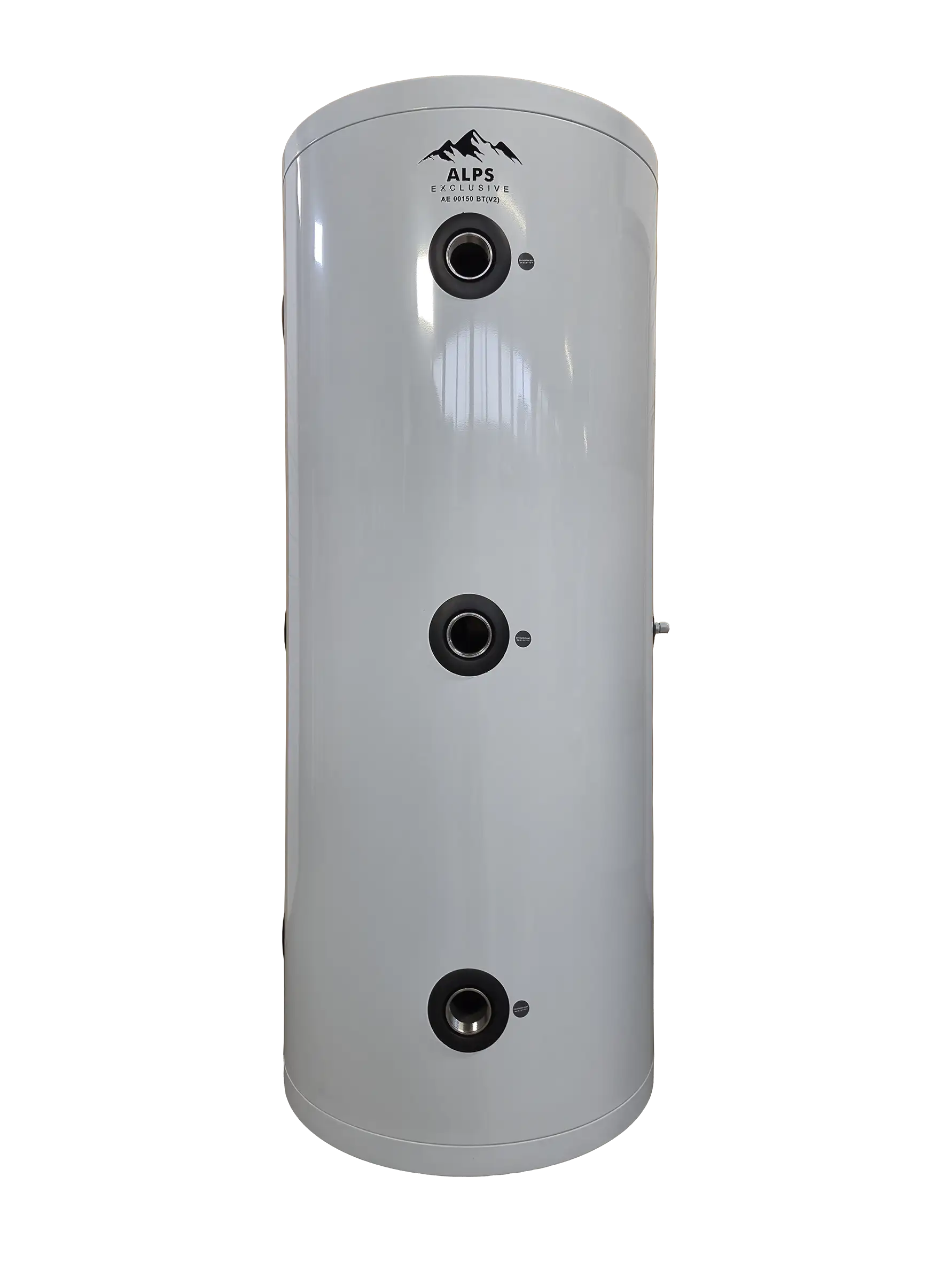
ALPS EXCLUSIVE AE-00150-BT(V2) - Stainless Steel Buffer Tank 150L
Item no. 394150EAN 8721082877923
Price excl. VAT€ 561,98Price incl. VAT€ 680,00
On backorder
Added
ALPS EXCLUSIVE AE-00200-BT(V2) - Stainless Steel Buffer Tank (200L)
Item no. 394220EAN 8721082877916
Price excl. VAT€ 727,77Price incl. VAT€ 880,60
In stock
Added
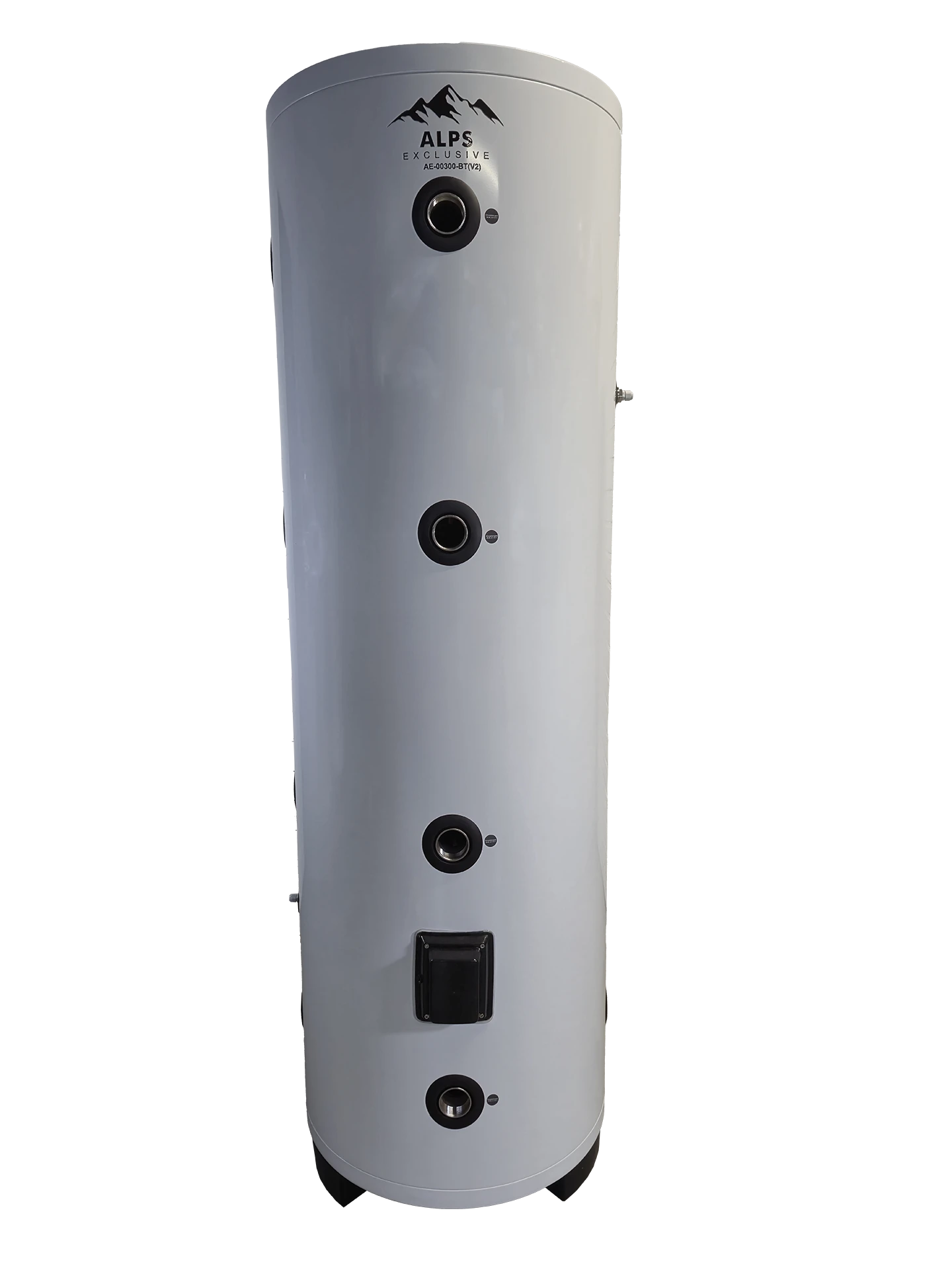
ALPS EXCLUSIVE AE-00300-BT(V2) - Stainless Steel Buffer Tank (300L)
Item no. 343000EAN 8721225900631
Price excl. VAT€ 822,31Price incl. VAT€ 995,00
In stock
Added
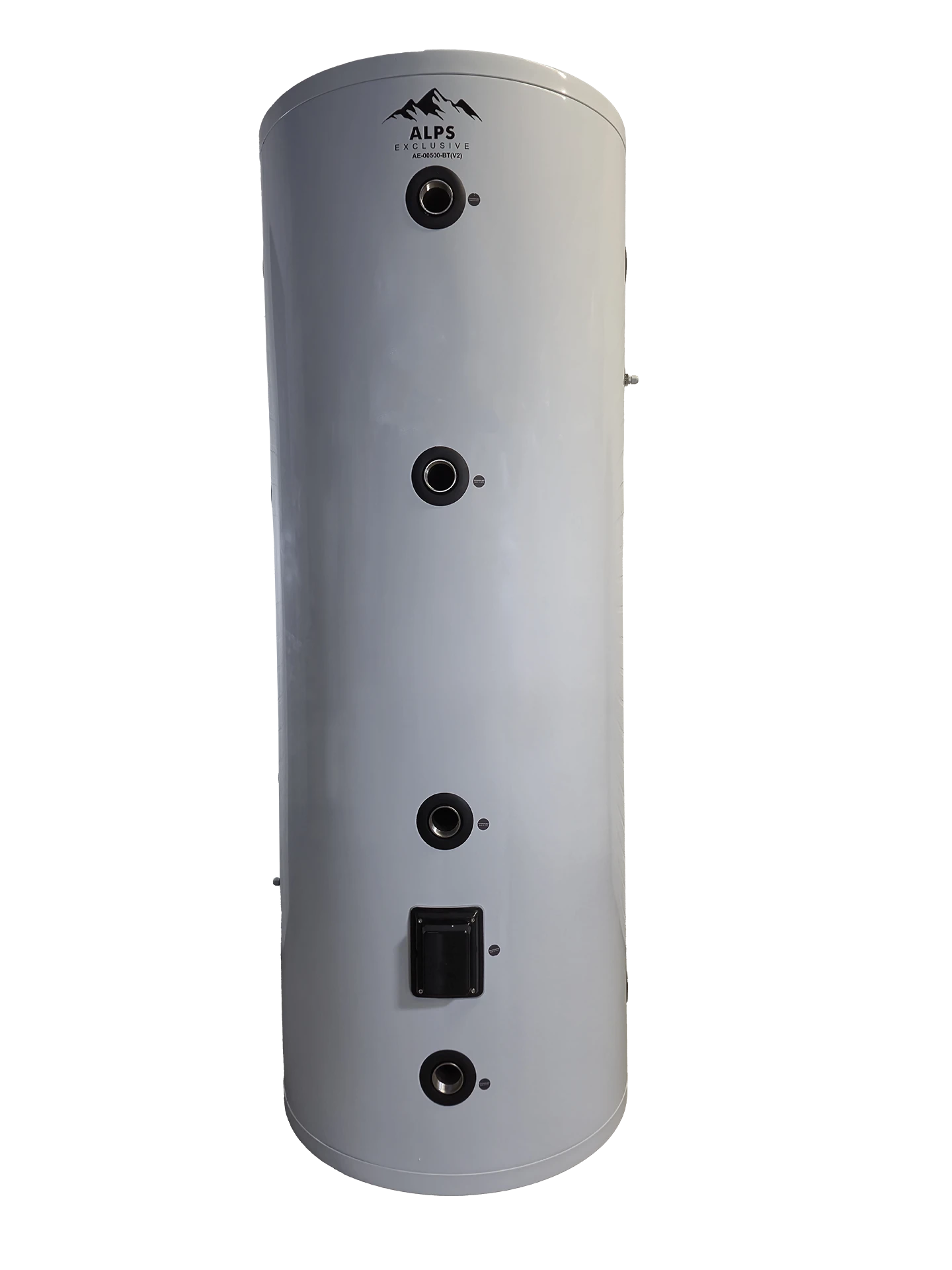
ALPS EXCLUSIVE AE-00500-BT(V2) - Stainless Steel Buffer Tank (500L)
Item no. 345000EAN 8721225900648
Price excl. VAT€ 987,60Price incl. VAT€ 1.195,00
In stock
Added
Selecting a stainless steel buffer tank for a heat pump
A stainless steel buffer tank is used to add extra water volume and heat storage to a hydronic heating system. With heat pumps, sufficient water volume is important to support stable control behaviour and reduce unnecessary cycling. The stainless steel design is especially relevant when corrosion resistance, material selection and a durable technical finish are particularly important.
The correct choice depends on volume, capacity, connection sizes, maximum operating pressure, insulation, available installation space and the hydraulic function within the system. Always check whether the stainless steel buffer tank matches the heat pump, pump, control setup, pipe diameters and heat distribution system.
Important when choosing stainless steel buffer tanks
- Match the volume to heat pump capacity, system volume and minimum water volume
- Check connection sizes, connection positions and available installation height
- Check maximum operating pressure, temperature class and insulation value
- Choose stainless steel when material selection and corrosion resistance are important
- Check whether the tank is suitable for the technical system layout
- Consider venting, draining options and service accessibility
- Have sizing and connection assessed by a qualified installer
Stainless steel buffer tanks within the installation
Stainless steel buffer tanks are used in heating systems where reliable heat storage, additional system volume and high-grade material selection are required. When a standard heating system does not require stainless steel, a steel buffer tank for heat pumps may also be suitable. For installation, connection and service, buffer tank accessories are important.
A stainless steel buffer tank must be correctly integrated into the hydraulic installation. Its position in the system, flow direction, control setup and pipework determine whether the tank actually contributes to stable operation, sufficient water volume and smooth heat pump control.
Frequently asked questions about stainless steel buffer tanks
What is a stainless steel buffer tank used for?
A stainless steel buffer tank is used to temporarily store heating water and add extra system volume to a heating installation. This supports more stable control behaviour and better hydraulic operation.
Is a stainless steel buffer tank suitable for a heat pump?
Yes, a stainless steel buffer tank can be suitable for heat pumps, provided the volume, connections, operating pressure and hydraulic layout match the technical requirements of the installation.
What is the difference between a stainless steel and steel buffer tank?
A stainless steel buffer tank mainly differs in material selection and corrosion resistance. A steel buffer tank is often used in closed heating systems where stainless steel is not required.
What volume should a stainless steel buffer tank have?
The correct volume depends on heat pump capacity, system volume, minimum water volume, heat distribution system and desired operation. Sizing should always be assessed technically.
What should an installer check during installation?
Check connection position, flow direction, venting, draining, insulation, operating pressure, installation location, service accessibility and the documentation of the heat source and stainless steel buffer tank.