Filters
 Loading…
Indirect fired heater
An indirect heater is connected to a water-based heating system and uses a fan to transfer heat quickly and directly into the space. In this category, you will find Reventon indirect heater sets in various capacities, suitable for workshops, commercial halls, warehouses, technical rooms and utility projects.
When choosing an indirect heater, heating capacity, water temperature, air movement, mounting height, room volume, connection and controls are important. Also note the difference between a standard heater and a 360° version: a standard model blows warm air in one directed airflow, while a 360° heater distributes air all around for broader heat distribution within the room.
Brands

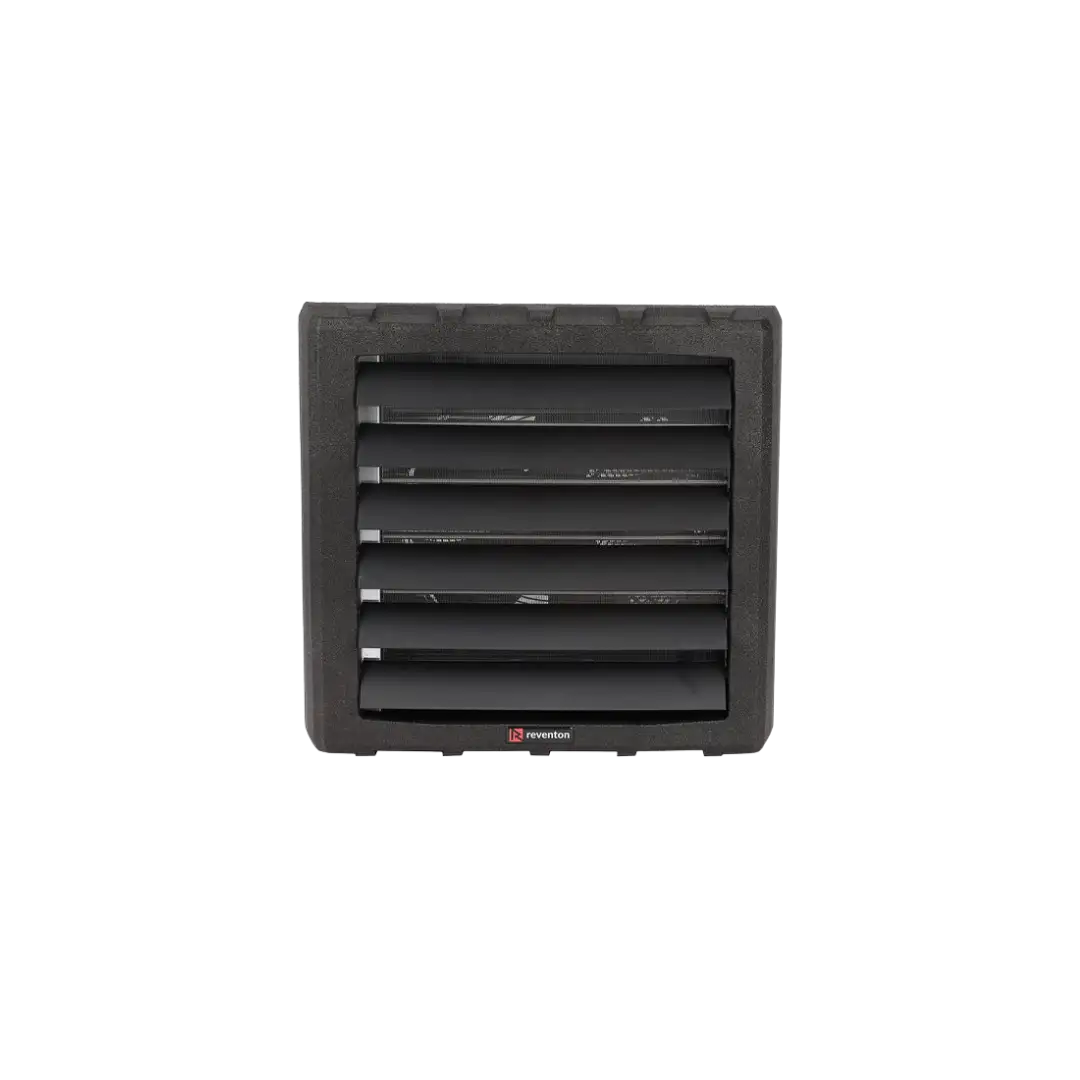
Reventon HC15-3S - Indirectly fired heater set (15 kW)
Item no. 273015EAN 5902860115526
Price excl. VAT€ 318,18Price incl. VAT€ 385,00
In stock
Added
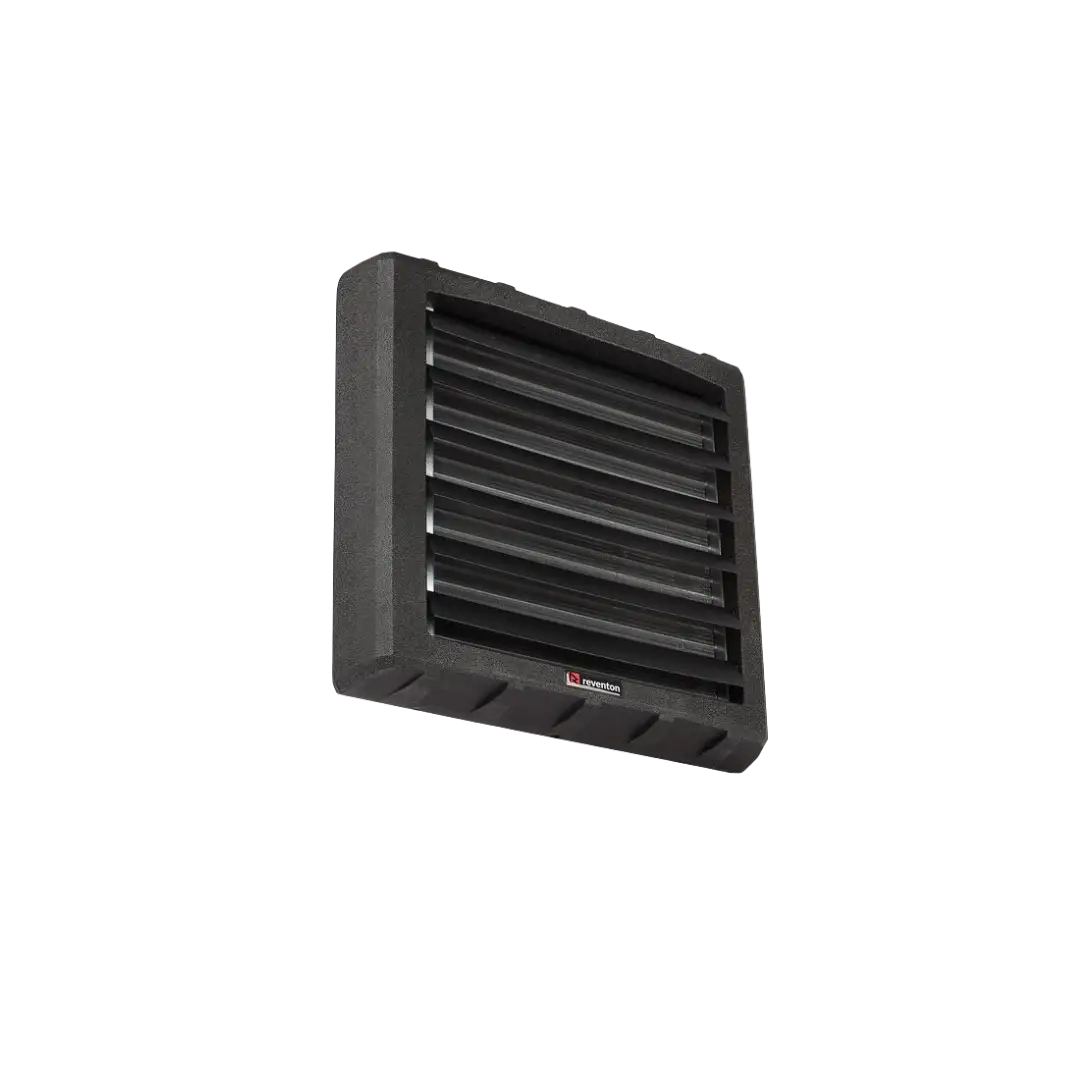
Reventon HC20-3S (20 kW) - Indirectly fired heater set
Item no. 273020EAN 8721082877305
Price excl. VAT€ 355,33Price incl. VAT€ 429,95
In stock
Added
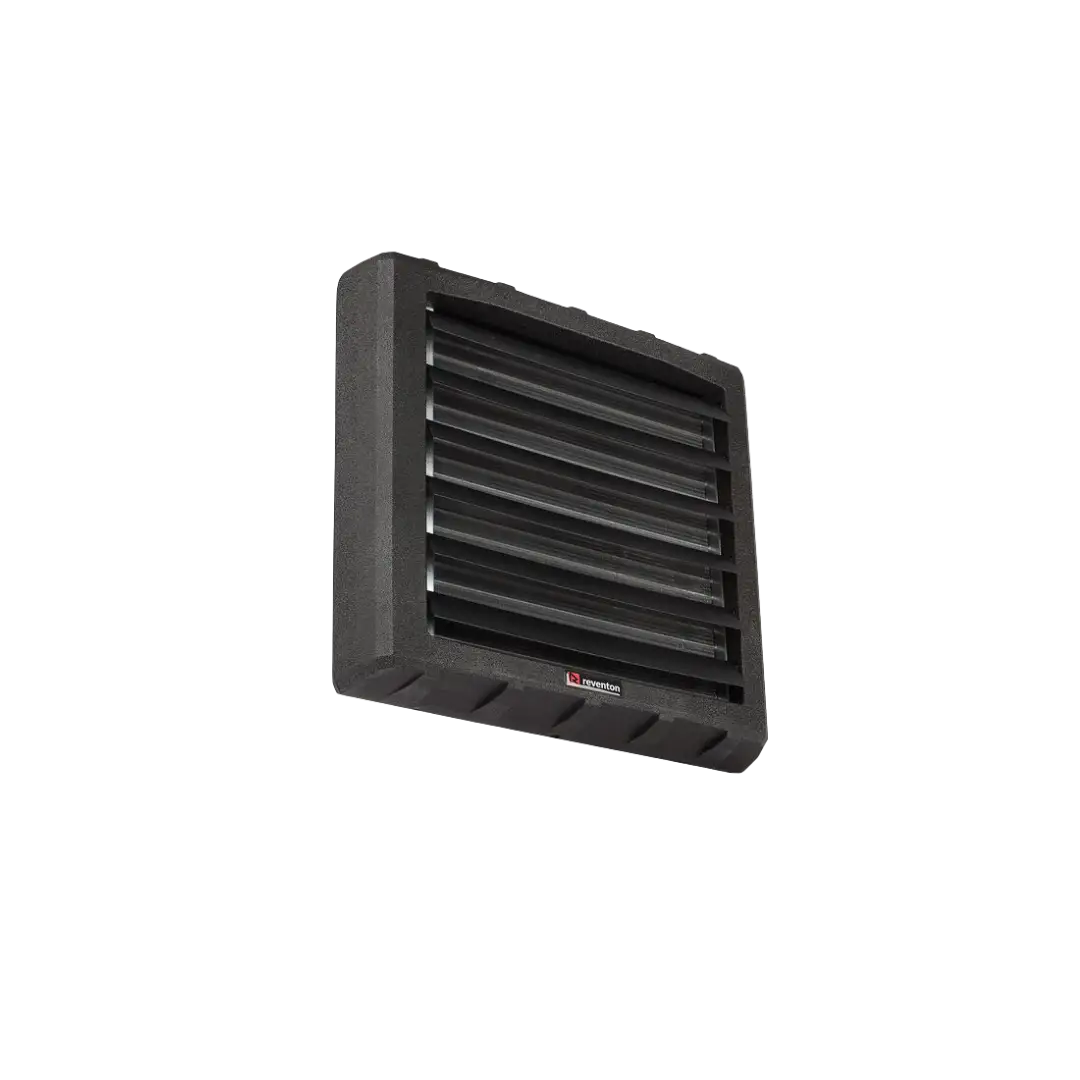
Reventon HC30-3S - Indirectly fired heater set (30 kW)
Item no. 273030EAN 8721082877312
Price excl. VAT€ 471,03Price incl. VAT€ 569,95
In stock
Added
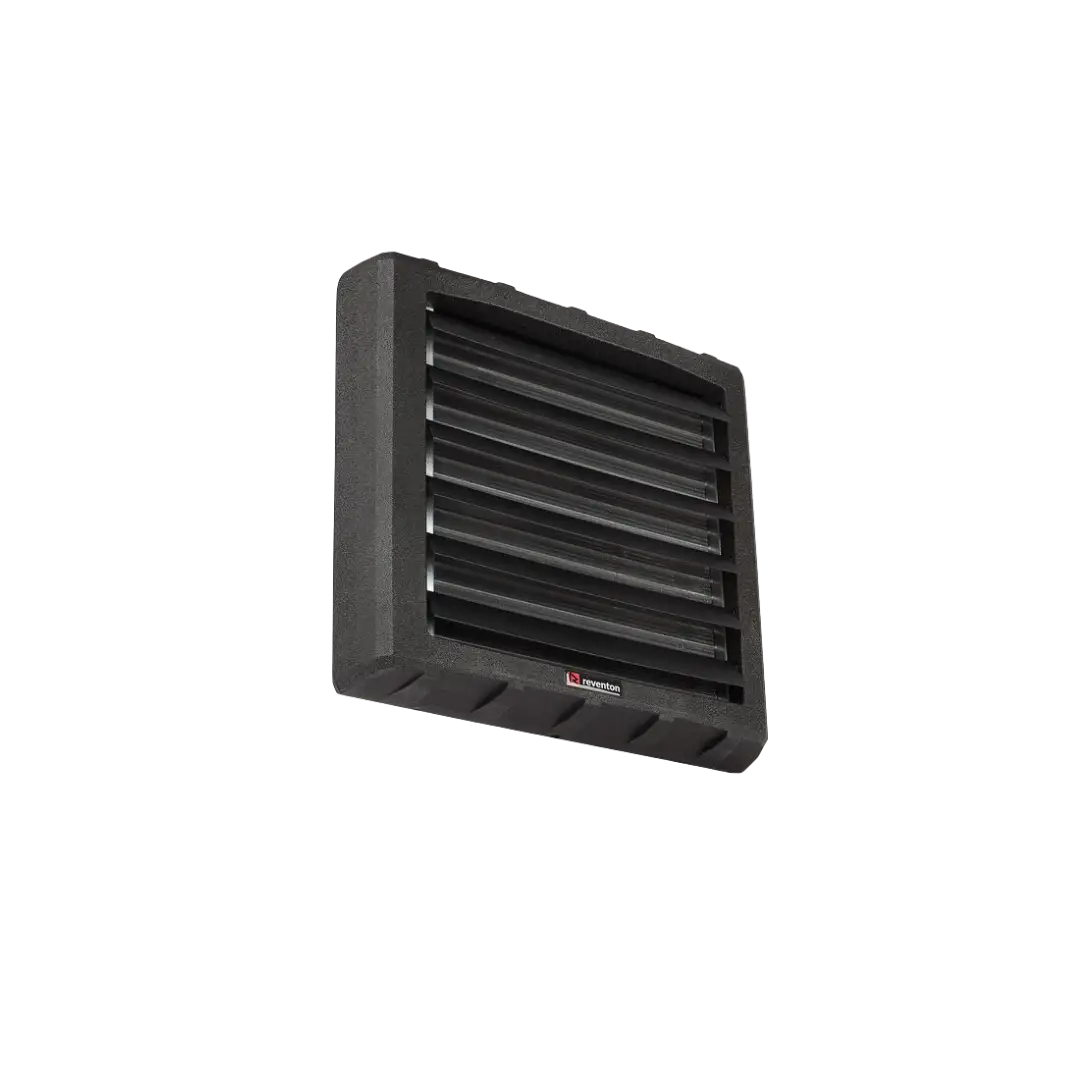
Reventon HC45-3S - Indirectly fired heater set (42 kW)
Item no. 273042EAN 8721082877329
Price excl. VAT€ 504,09Price incl. VAT€ 609,95
Low stock
Added
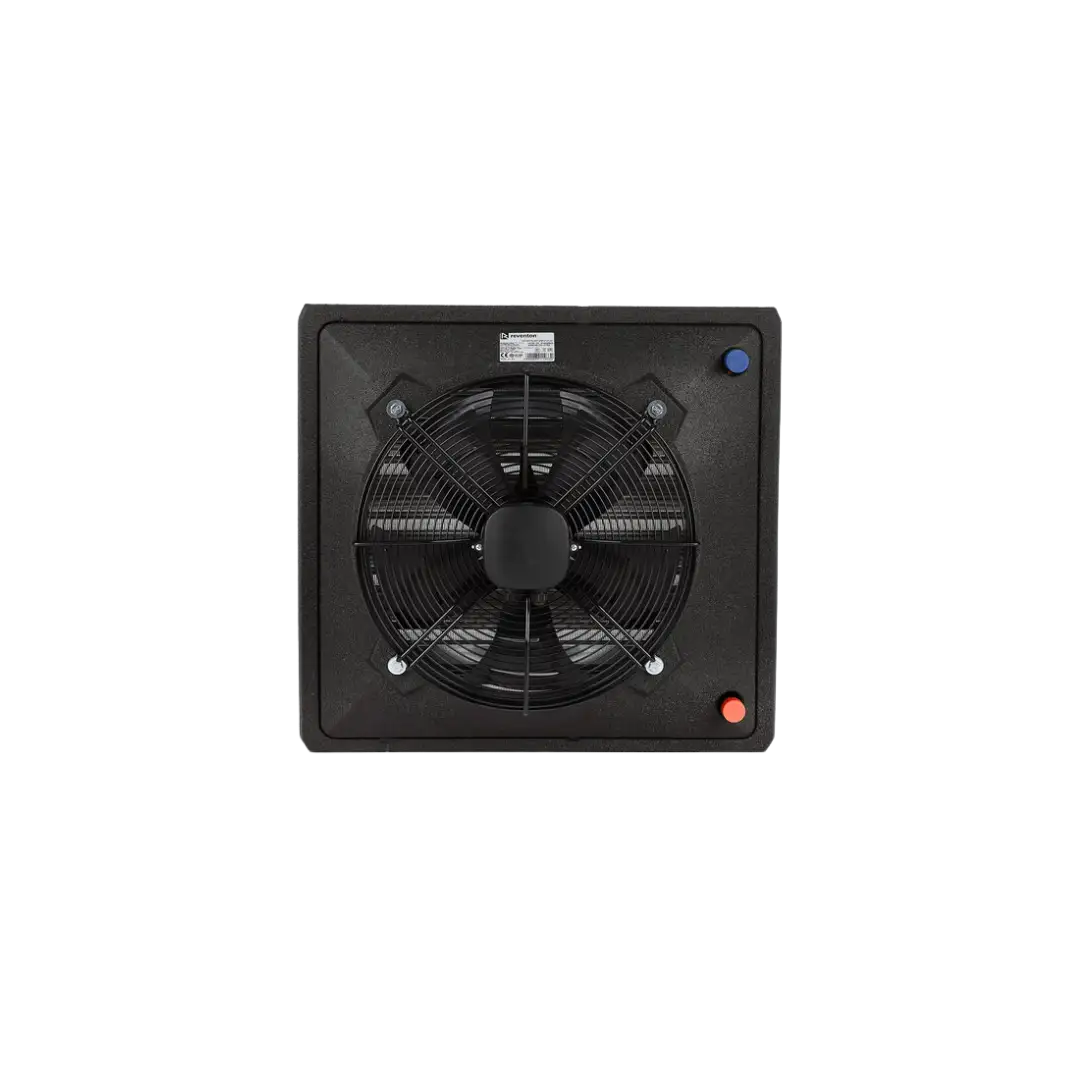
Reventon HC45-3S-360 - Indirectly fired heater set 360° (42 kW)
Item no. 273642EAN 5902860110446
Price excl. VAT€ 534,71Price incl. VAT€ 647,00
In stock
Added
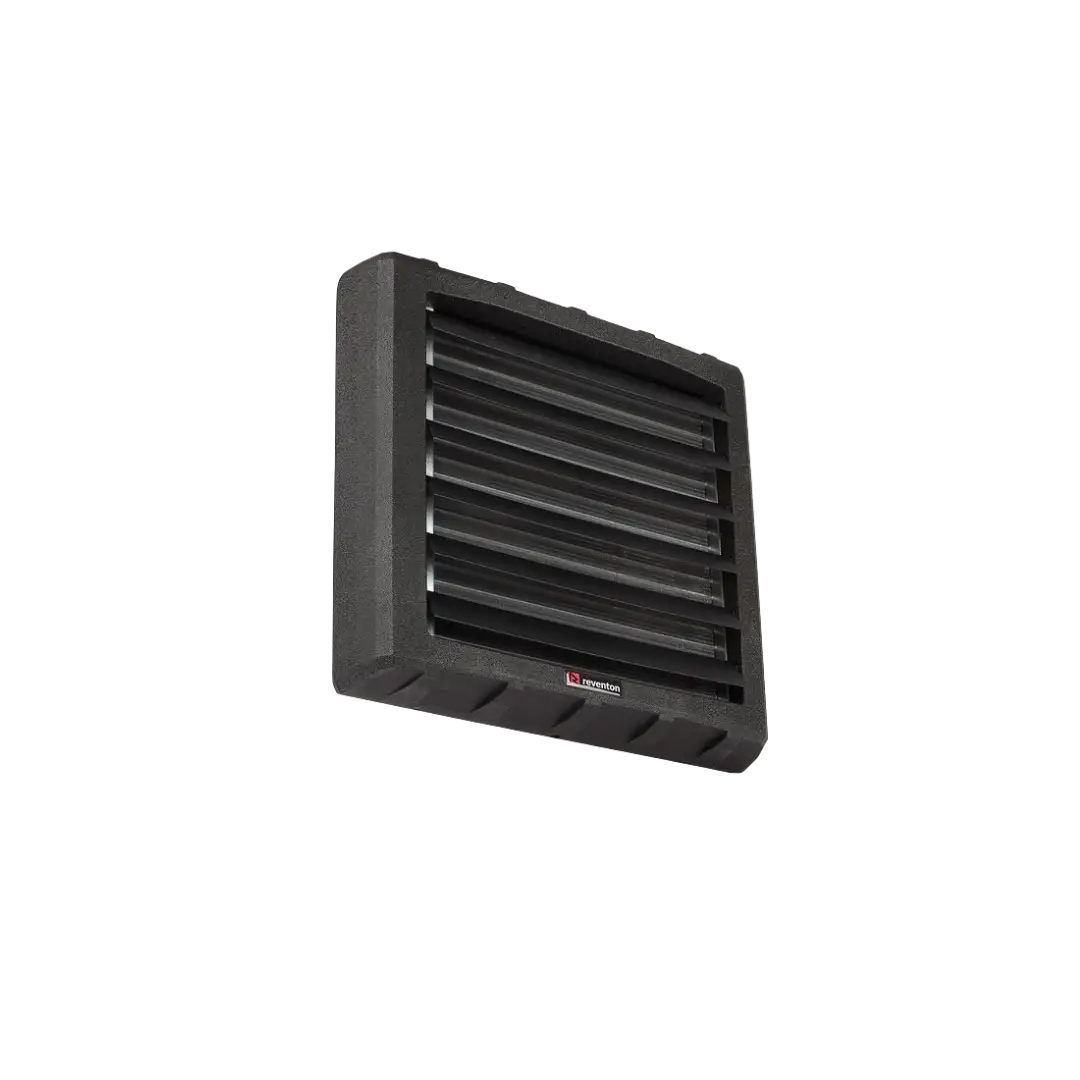
Reventon HC70-3S - Indirectly fired heater set (70 kW)
Item no. 273070EAN 8721082877336
Price excl. VAT€ 578,47Price incl. VAT€ 699,95
In stock
Added
Choosing an indirect heater
An indirect heater is suitable for spaces where a large amount of heat is required quickly and where a water-based heating system is already available or being installed. The heater is supplied with hot water from, for example, a boiler, wood boiler, pellet boiler, heat pump or another heating system. The built-in fan moves air across the heat exchanger, allowing heat to be transferred quickly into the space.
When choosing a unit, output, flow temperature, air movement, mounting height, room volume and controls are important. For additional solutions, also view heater accessories for mounting and control and destratification fans for improved heat distribution.
Important for indirect heaters
- Select the correct output based on room volume, insulation and desired heating speed
- Check the available water temperature and flow rate of the heating system
- Pay attention to air movement, noise level, mounting height and air throw
- Match the heater to controls, power supply, connection and maintenance access
- Choose a 360° version when all-round heat distribution is required
- Have placement and hydraulic connection assessed by an installer
Difference between standard and 360° indirect heaters
A standard indirect heater blows warm air in one directed airflow. This is suitable for situations where heat needs to be directed towards a specific zone, workstation, passage or along the length of a hall. Air throw and mounting position determine how the heat spreads through the space.
A 360° indirect heater is designed for all-round air distribution. Warm air is not only blown in one direction, but distributed more broadly around the unit. This can be useful for central placement in a room, areas where heat is needed around the unit or spaces where more even air distribution is desired.
The right choice depends on room shape, mounting position, required air throw, obstacles, ceiling height and application. In high spaces, combining the heater with a destratification fan can help return warm air to the occupied zone more effectively.
Frequently asked questions about indirect heaters
What is an indirect heater?
An indirect heater is an air heater that receives heat from a water-based heating system. The unit uses a fan to move air across a heat exchanger and transfer the heated air into the space.
When is an indirect heater suitable?
An indirect heater is suitable for workshops, warehouses, commercial halls, storage buildings and technical rooms where powerful air heating is required and a hot water circuit is available or being installed.
What is the difference between standard and 360°?
A standard unit blows warm air in one directed airflow. A 360° heater distributes warm air around the unit, making it especially useful for central placement or where broader heat distribution is required.
What is the difference between direct and indirect heating?
A direct-fired heater heats the air directly from the heat source. An indirect heater is connected to a water-based heating system and transfers heat to the room through a heat exchanger and fan.
What should an installer check during installation?
An installer should check output, flow temperature, water flow rate, mounting height, air throw, controls, power supply, maintenance space and hydraulic connection to the heating system.