Filters
 Loading…
Stainless steel combination boiler for heat pump
A stainless steel combination boiler for heat pumps is a compact 2-in-1 tank that combines a buffer tank and an indirect boiler. Both sections are thermally separated, allowing heating water and domestic hot water to retain their own function within one installation solution.
At Hewa, you will find stainless steel combination boilers for heat pumps and technical heating installations. When selecting the right unit, check volume distribution, buffer volume, domestic hot water volume, heat exchanger capacity, connections, insulation, material selection and hydraulic system layout.
Brands

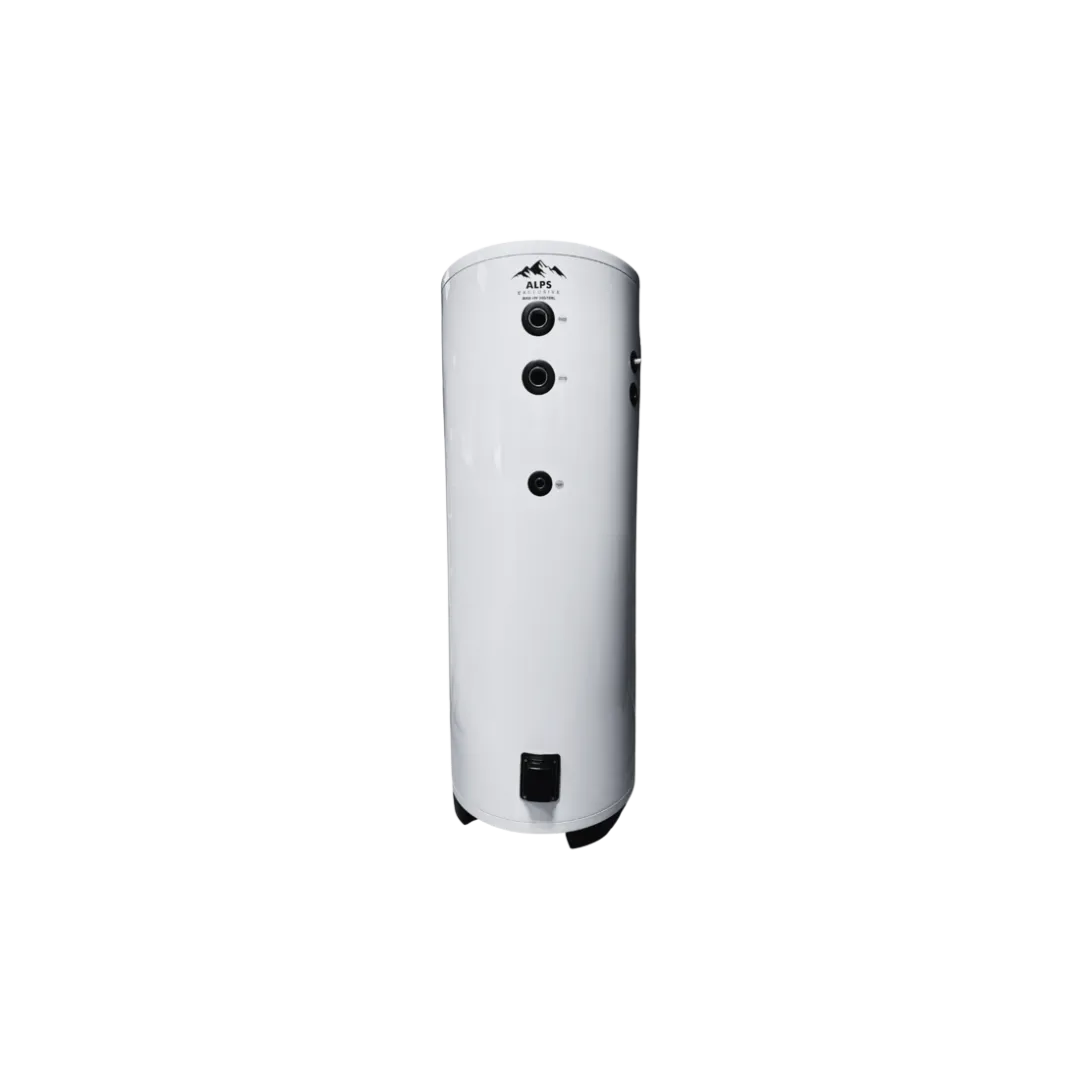
ALPS EXCLUSIVE WKB-HV-200/80L(V2) - Stainless steel combination boiler (200/80L)
Item no. 394228EAN 8721082877978
Price excl. VAT€ 1.486,78Price incl. VAT€ 1.799,00
In stock
Added
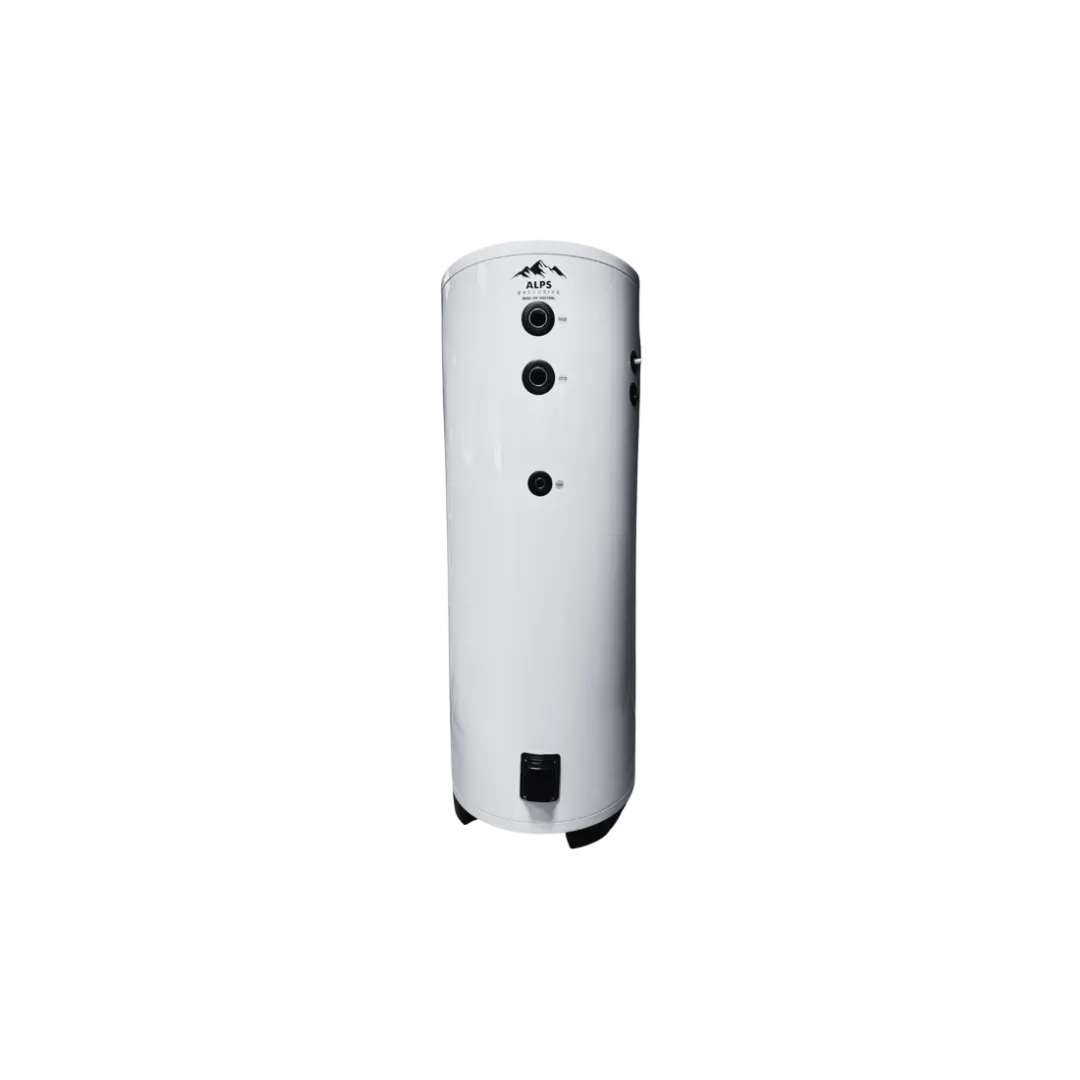
ALPS EXCLUSIVE WKB-HV-200/100L(V2) – Stainless steel combination boiler (200/100L)
Item no. 394221EAN 8721082877961
Price excl. VAT€ 1.569,42Price incl. VAT€ 1.899,00
In stock
Added

ALPS EXCLUSIVE WKB-HV-300/100L(V2) – Stainless Combination Tank (300/100L)
Item no. 394231EAN 8721082877954
Price excl. VAT€ 1.734,71Price incl. VAT€ 2.099,00
In stock
Added
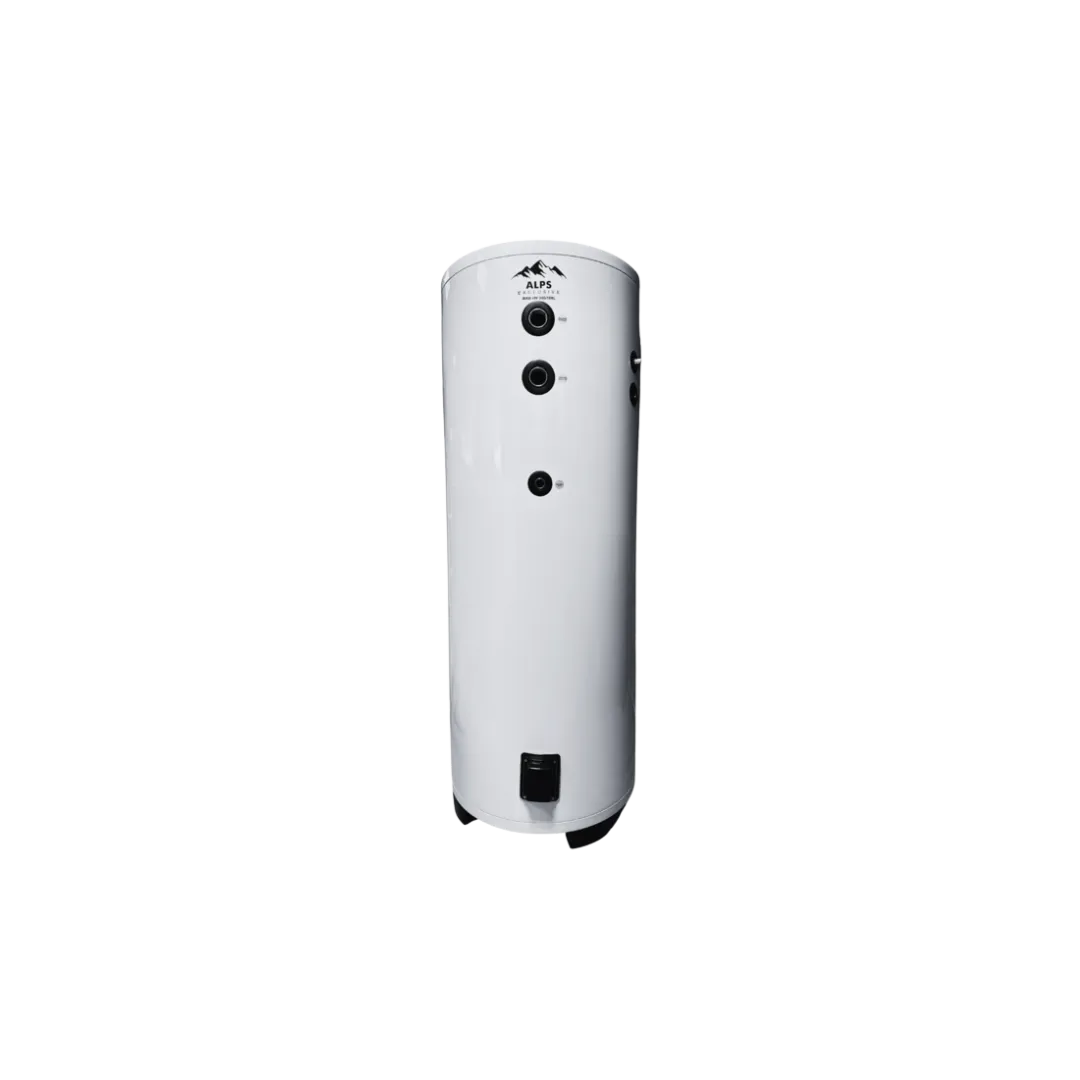
ALPS EXCLUSIVE WKB-HV-300/150L(V2) – Stainless Combination Tank (300/150L)
Item no. 394315EAN 8721082877947
Price excl. VAT€ 1.817,36Price incl. VAT€ 2.199,01
Low stock
Added
Selecting a stainless steel combination boiler for a heat pump
A stainless steel combination boiler for heat pumps combines heat storage and domestic hot water preparation in one compact tank. The buffer section is used for heating water and additional system volume, while the boiler section prepares domestic hot water via indirect heat transfer. Both sections are thermally separated, so heating water and domestic hot water are not used as one shared circuit.
This design is especially useful in heat pump installations where installation space, system volume and domestic hot water comfort must be well coordinated. The stainless steel version makes this category suitable for projects where material selection, corrosion resistance and a high-quality technical finish are important.
Important when choosing stainless steel combination boilers
- Check the volume distribution between buffer tank and indirect boiler
- Match buffer volume to heat pump capacity, system volume and installation layout
- Match boiler volume to domestic hot water demand, draw-off points and usage profile
- Check heat exchanger capacity and suitability for low temperature operation
- Choose stainless steel when material selection and corrosion resistance are important
- Check connection sizes, sensor positions, insulation and available installation height
- Have sizing and connection assessed by a qualified installer
Stainless steel combination boilers within heat pump systems
Stainless steel combination boilers are used when buffering and domestic hot water preparation need to be combined compactly in one high-quality tank solution. If a standard steel version is sufficient, a steel combination boiler for heat pumps may also be suitable. For installation, protection and maintenance, combination boiler accessories are relevant.
A stainless steel combination boiler must be technically integrated into the installation correctly. The buffer section supports sufficient system volume and smoother heat pump control, while the boiler section stores domestic hot water. Always check connection positions, heat exchanger capacity, control setup, safety components, expansion provision and technical documentation.
Frequently asked questions about stainless steel combination boilers
What is a stainless steel combination boiler for heat pumps?
A stainless steel combination boiler for heat pumps is a 2-in-1 tank that combines a buffer tank for heating water and an indirect boiler for domestic hot water. Both sections are thermally separated.
Why is a stainless steel combination boiler used with a heat pump?
A stainless steel combination boiler can compactly combine additional system volume and domestic hot water preparation. The buffer section supports smoother heat pump operation, while the boiler section provides domestic hot water.
What is the advantage of stainless steel?
Stainless steel is useful when material selection, corrosion resistance and a high-quality technical finish are important. Always check whether the stainless steel version matches the technical requirements of the project.
What does thermally separated mean?
Thermally separated means that heating water in the buffer section and domestic hot water in the boiler section retain their own function. They are not used as one shared circuit.
What should an installer check during installation?
Check volume distribution, connection positions, pipe diameters, heat exchanger capacity, sensor placement, safety components, expansion provision, insulation, service space and the technical documentation of the tank and heat source.