Filters
 Loading…
Circulation pump
A circulation pump provides water circulation within a central heating system, heat pump system, solar thermal system, underfloor heating system or other water-based heating installation. In this category, you will find energy-efficient circulation pumps in different connection sizes and installation lengths, including DN20, DN25, 130 mm, 180 mm and versions with PWM control.
When choosing a circulation pump, connection size, installation length, water flow, pump head, control method, energy consumption, application and system compatibility are important. Hewa supplies circulation pumps for installers, business customers and private applications where reliable flow, efficient operation and service-friendly installation are essential.
Brands


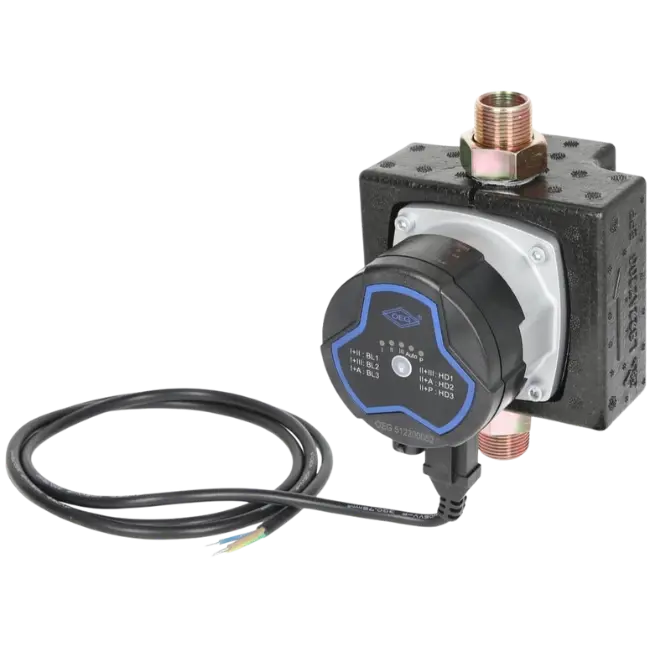
OEG 512200052 - Circulation pump DN20 (130 mm, energy-efficient)
Item no. 342013EAN 4055668004781
Price excl. VAT€ 128,06Price incl. VAT€ 154,95
On backorder
Added
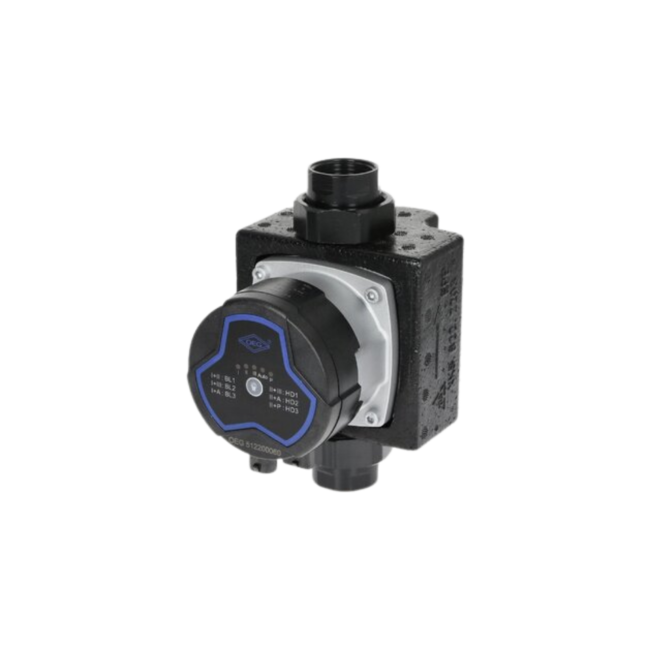
OEG 512200060 - Circulation pump DN25 (130 mm, energy-efficient)
Item no. 342513EAN 8721082877619
Price excl. VAT€ 132,19Price incl. VAT€ 159,95
Low stock
Added
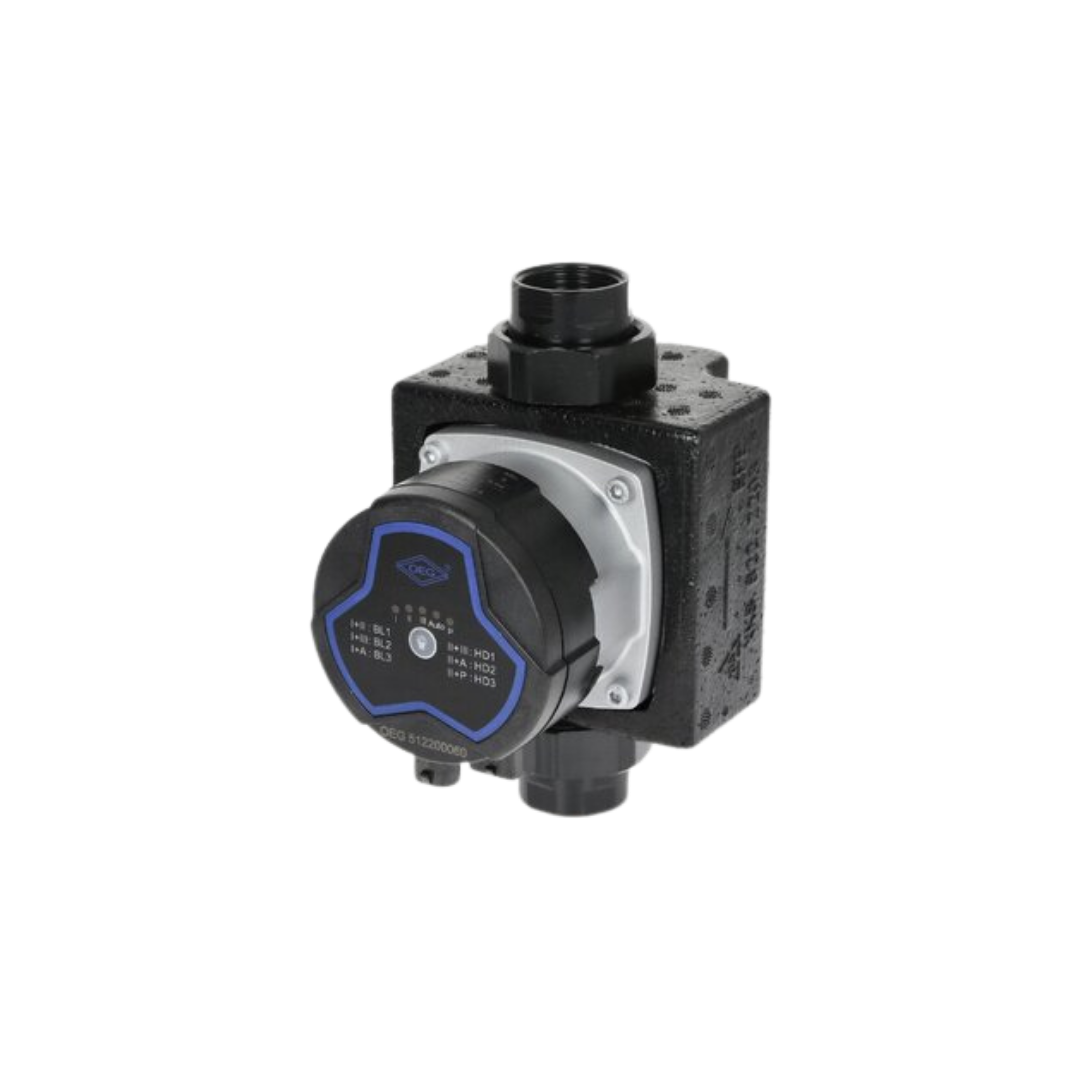
OEG 512200058 - Circulation pump DN25 (180 mm, energy-efficient)
Item no. 342518EAN 8721082877626
Price excl. VAT€ 132,19Price incl. VAT€ 159,95
In stock
Added
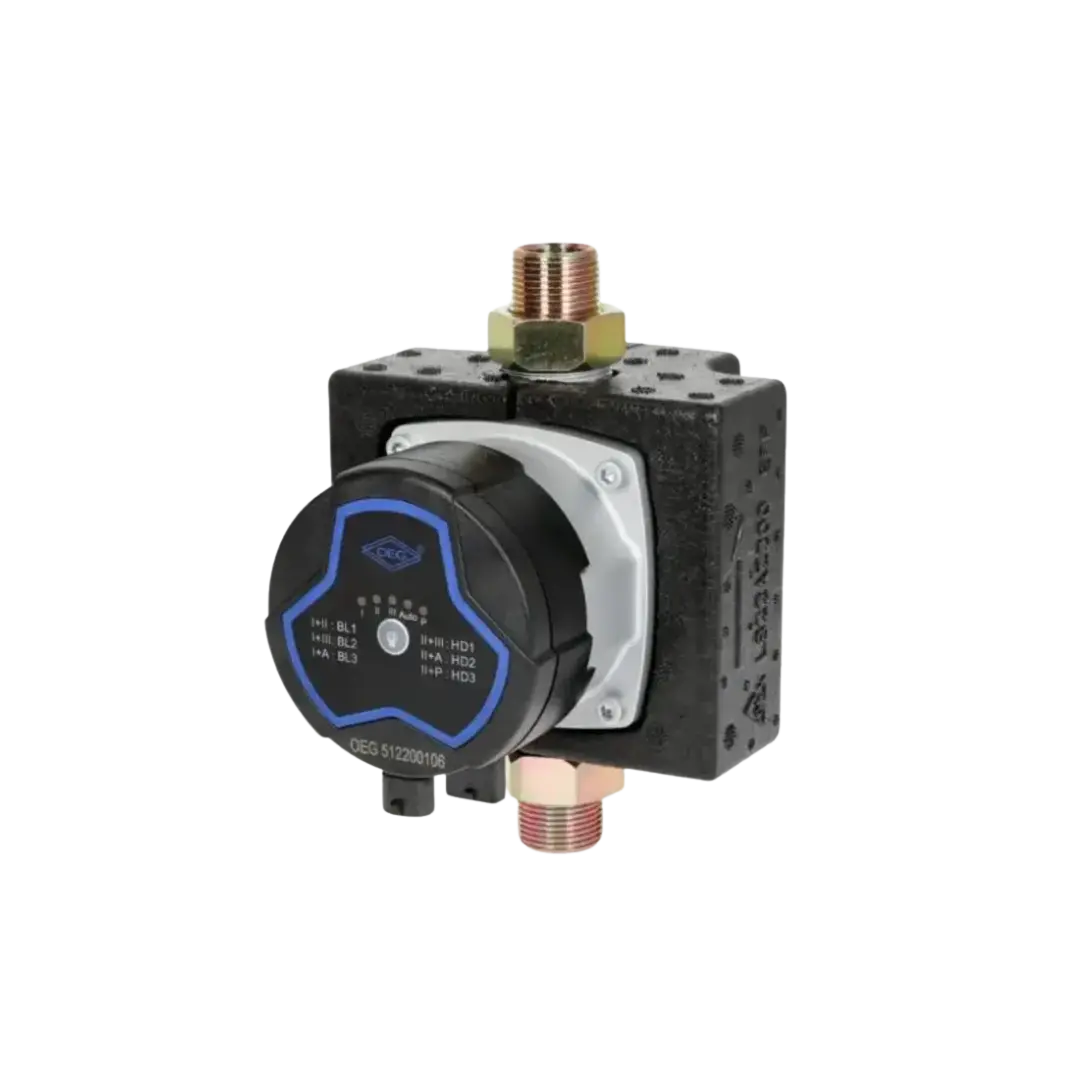
OEG 512200106 - Solar circulation pump DN20 (130 mm, with PWM control)
Item no. 342113EAN 4055668004378
Price excl. VAT€ 140,46Price incl. VAT€ 169,95
In stock
Added
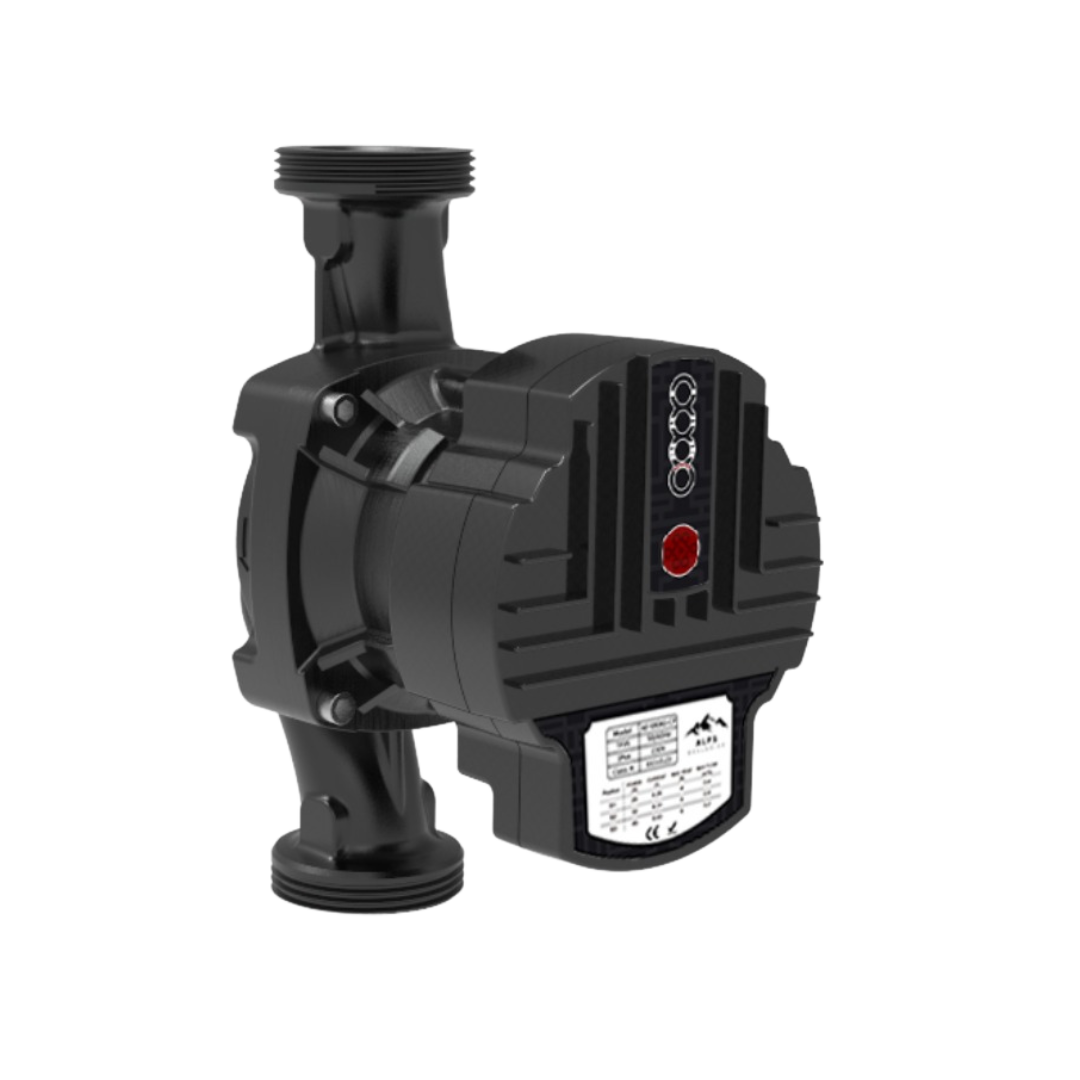
ALPS EXCLUSIVE AE-13061-CP - Circulation pump DN25 (130 mm, energy-efficient)
Item no. 399999EAN 8721225900310
Price excl. VAT€ 115,66Price incl. VAT€ 139,95
In stock
Added
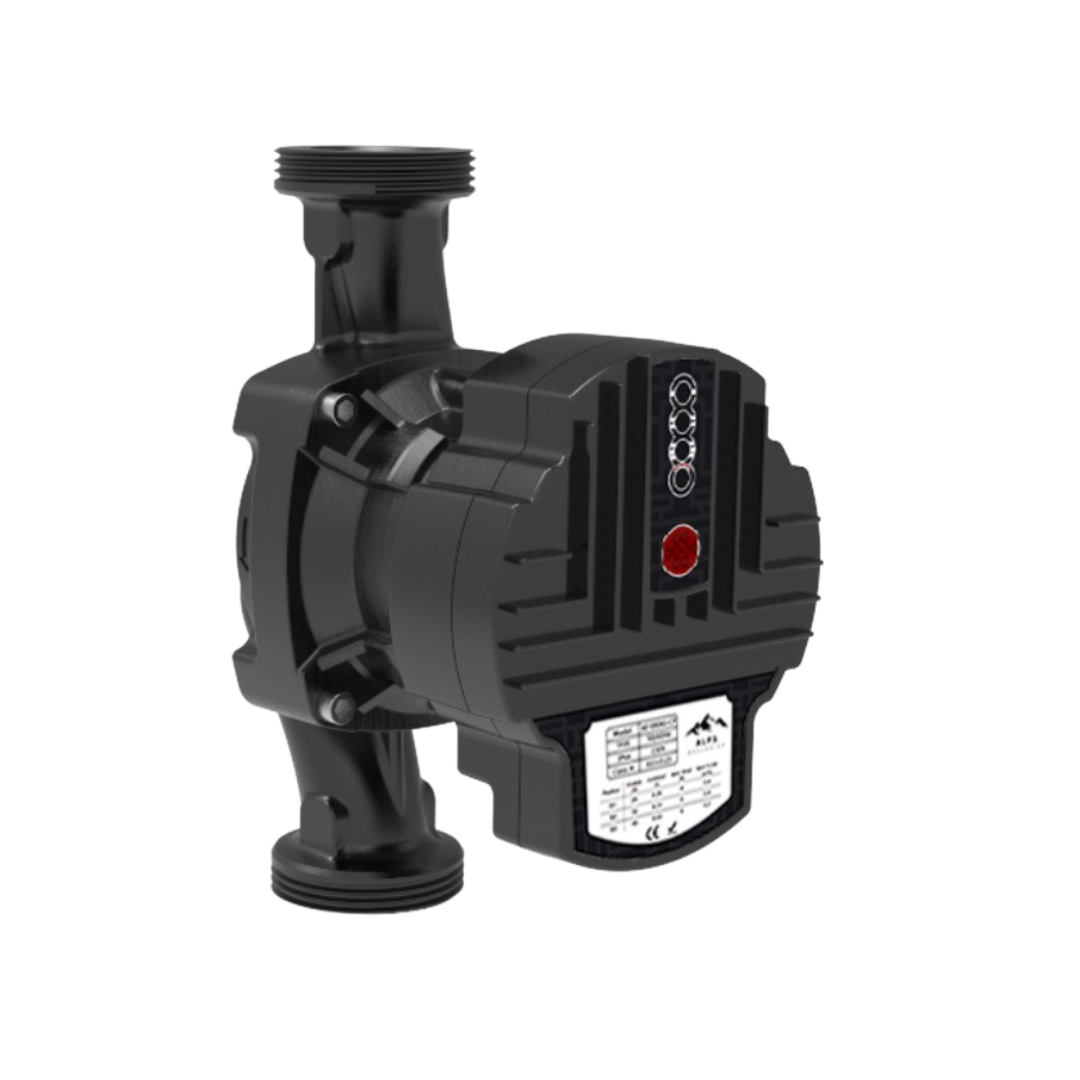
ALPS EXCLUSIVE AE-18061-CP - Circulation pump DN25 (180 mm, energy-efficient)
Item no. 392518EAN 8721225900327
Price excl. VAT€ 115,66Price incl. VAT€ 139,95
In stock
Added
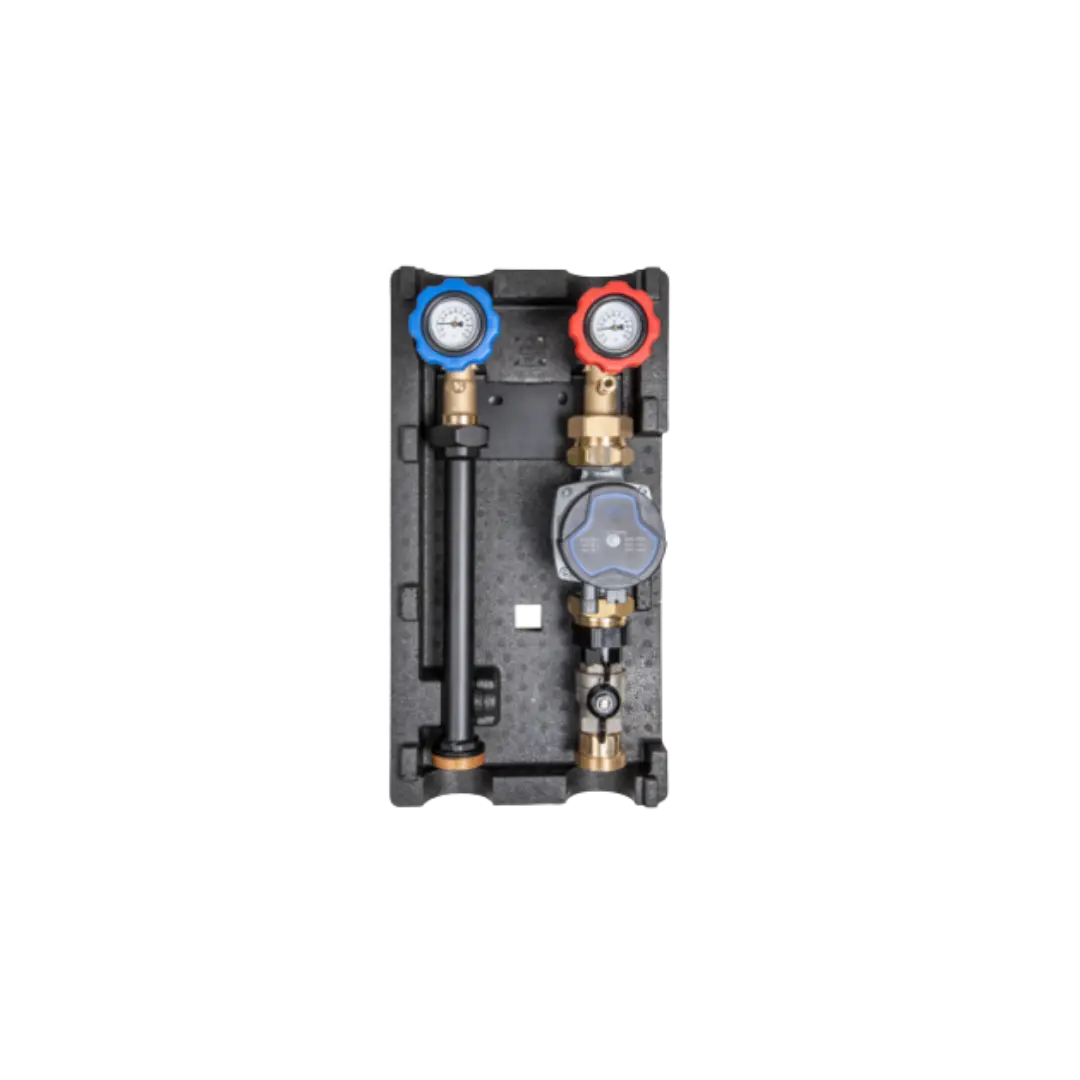
OEG 512245103 - Pump group for unmixed circuit
Item no. 345122EAN 4023854529103
Price excl. VAT€ 280,00Price incl. VAT€ 338,80
On backorder
Added
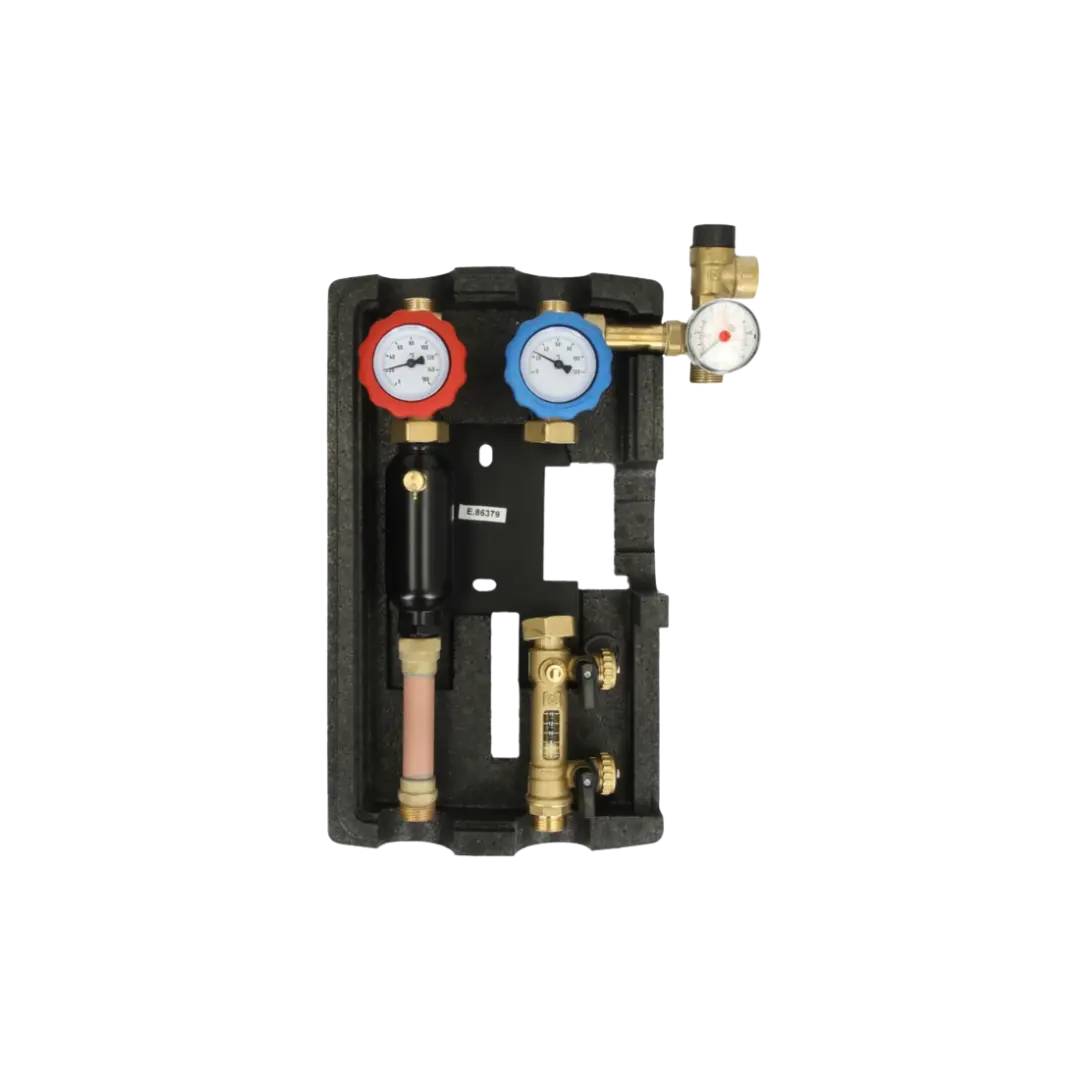
OEG 512245033 - Solar station with solar circulation pump PWM
Item no. 345033EAN 4023854910293
Price excl. VAT€ 363,60Price incl. VAT€ 439,95
In stock
Added
Choosing a circulation pump
A circulation pump is used to move heating water through an installation. Without proper flow, heat cannot be correctly distributed to radiators, underfloor heating, buffer tanks, heat exchangers or other heat emitters. The correct pump therefore directly contributes to stable operation of the complete heating system.
When selecting a pump, connection size, installation length, water flow, pump head, control method and application are important. For additional solutions, also view 2-way and 3-way valves for control, dirt separators for system protection and air separators and air vents for heating systems.
Important for circulation pumps
- Choose the correct connection size, such as DN20 or DN25
- Check the installation length, for example 130 mm or 180 mm
- Match water flow and pump head to pipework, heat emitters and system layout
- Pay attention to energy consumption, pump control and possible PWM control
- Check installation position, flow direction and service accessibility
- Protect the pump with good dirt separation and proper air venting
Circulation pumps for heating, heat pumps and solar
Circulation pumps are used in various water-based installations. In a central heating system, the pump circulates water between the heat source and the heat emitters. In a heat pump installation, stable water flow is important for efficiency, control and operational reliability.
For solar thermal systems, a specific solar circulation pump may be required. A version with PWM control can be used when the pump is electronically controlled and the speed needs to be adjusted more accurately to the current system demand.
Always check whether the circulation pump matches the system design, fluid temperature, pressure loss, required flow and technical connection. An incorrectly selected pump can result in insufficient heat output, flow noise or unnecessary energy consumption.
Frequently asked questions about circulation pumps
What is a circulation pump used for?
A circulation pump ensures that heating water continues to flow through the system. This allows heat to be transferred from the heat source to radiators, underfloor heating, buffer tanks, heat exchangers or other heat emitters.
Which circulation pump do I need?
The correct circulation pump depends on connection size, installation length, water flow, pump head, pressure loss and application. Always check the technical data of the existing pump or the system design.
What is the difference between 130 mm and 180 mm?
130 mm and 180 mm refer to the installation length of the circulation pump. This size must match the available space and the existing pipe connection in the installation.
What does DN20 or DN25 mean on a circulation pump?
DN20 and DN25 refer to the nominal connection size of the pump. This size must match the pipework, fittings and hydraulic layout of the installation.
What should an installer check during installation?
An installer should check connection size, installation length, flow direction, pump control, water flow, pump head, air venting, dirt protection, electrical connection and maintenance accessibility.