Filters
 Loading…
Steel indirect water heater
A steel indirect boiler is used for domestic hot water preparation via an external heat source, such as a heat pump, boiler or solar thermal system. Heat is transferred to the domestic hot water inside the boiler through one or more heat exchangers.
At Hewa, you will find steel indirect boilers for homes, technical rooms and installation projects where hot water comfort, volume and connection options are important. When selecting the right boiler, check boiler volume, number of heat exchangers, connections, heating capacity, insulation, anode provision and suitability for the heat source.
Brands


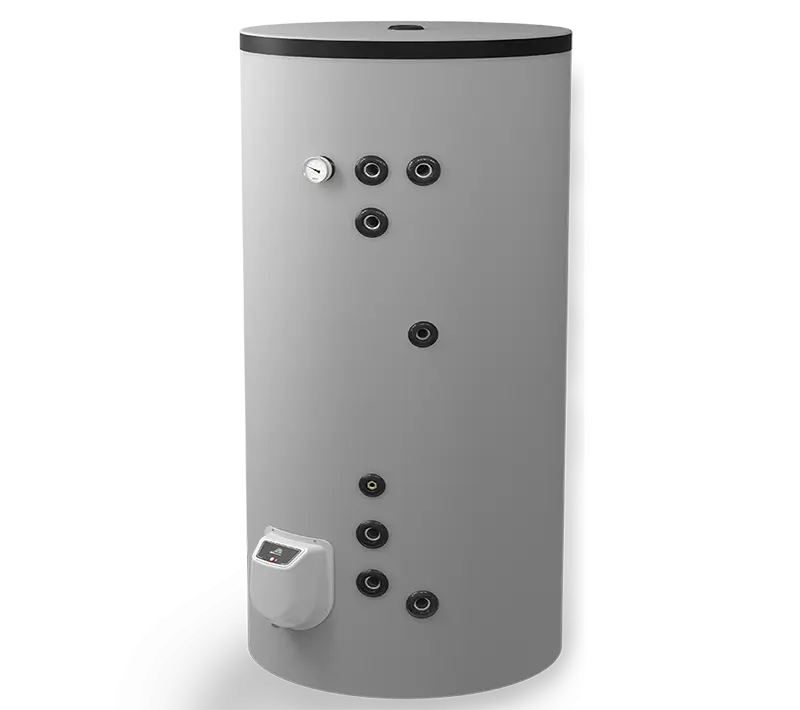
Eldom FV20060S21 - Hot Water Tank with 2 Heat Exchangers (200L)
Item no. 144202EAN 8721082877381
Price excl. VAT€ 742,98Price incl. VAT€ 899,01
On backorder
Added
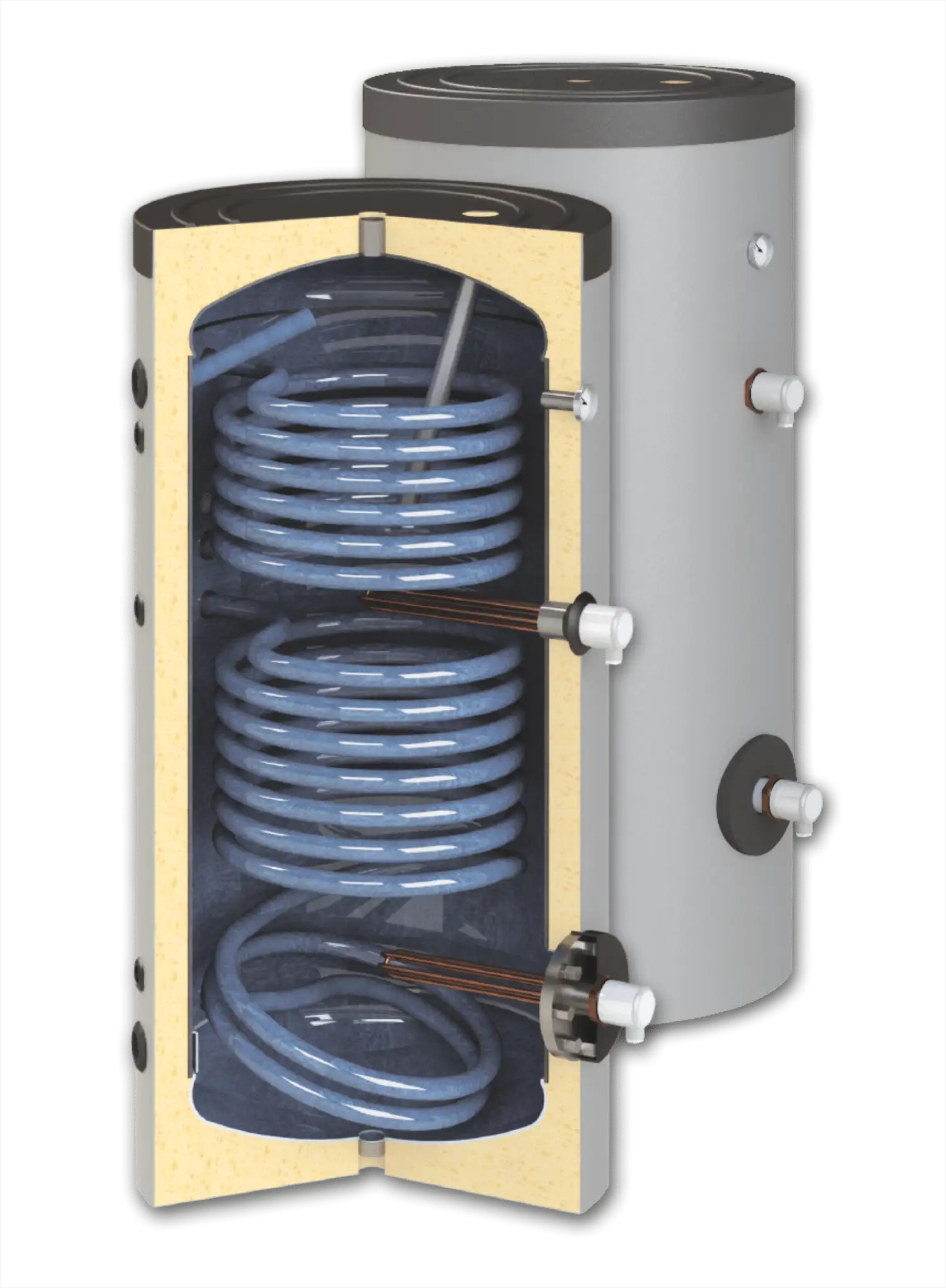
BURNiT Son - Hot Water Tank with 2 Heat Exchangers (500L)
Item no. 124502EAN 8721225900259
Price excl. VAT€ 1.197,52Price incl. VAT€ 1.449,00
On backorder
Added
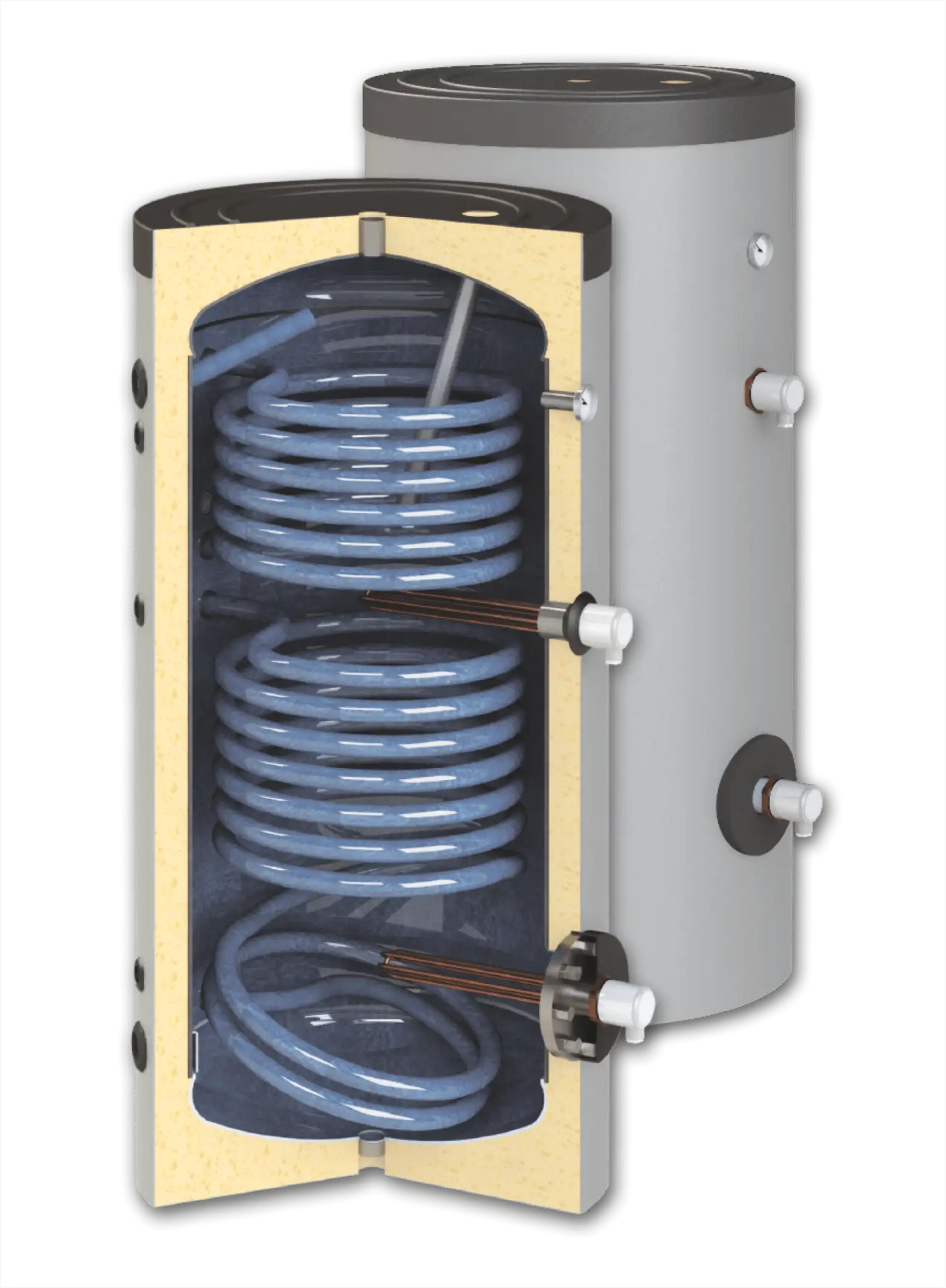
BURNiT Son - Hot Water Tank with 2 Heat Exchangers (300L)
Item no. 124302EAN 8721225900266
Price excl. VAT€ 908,26Price incl. VAT€ 1.099,00
On backorder
Added
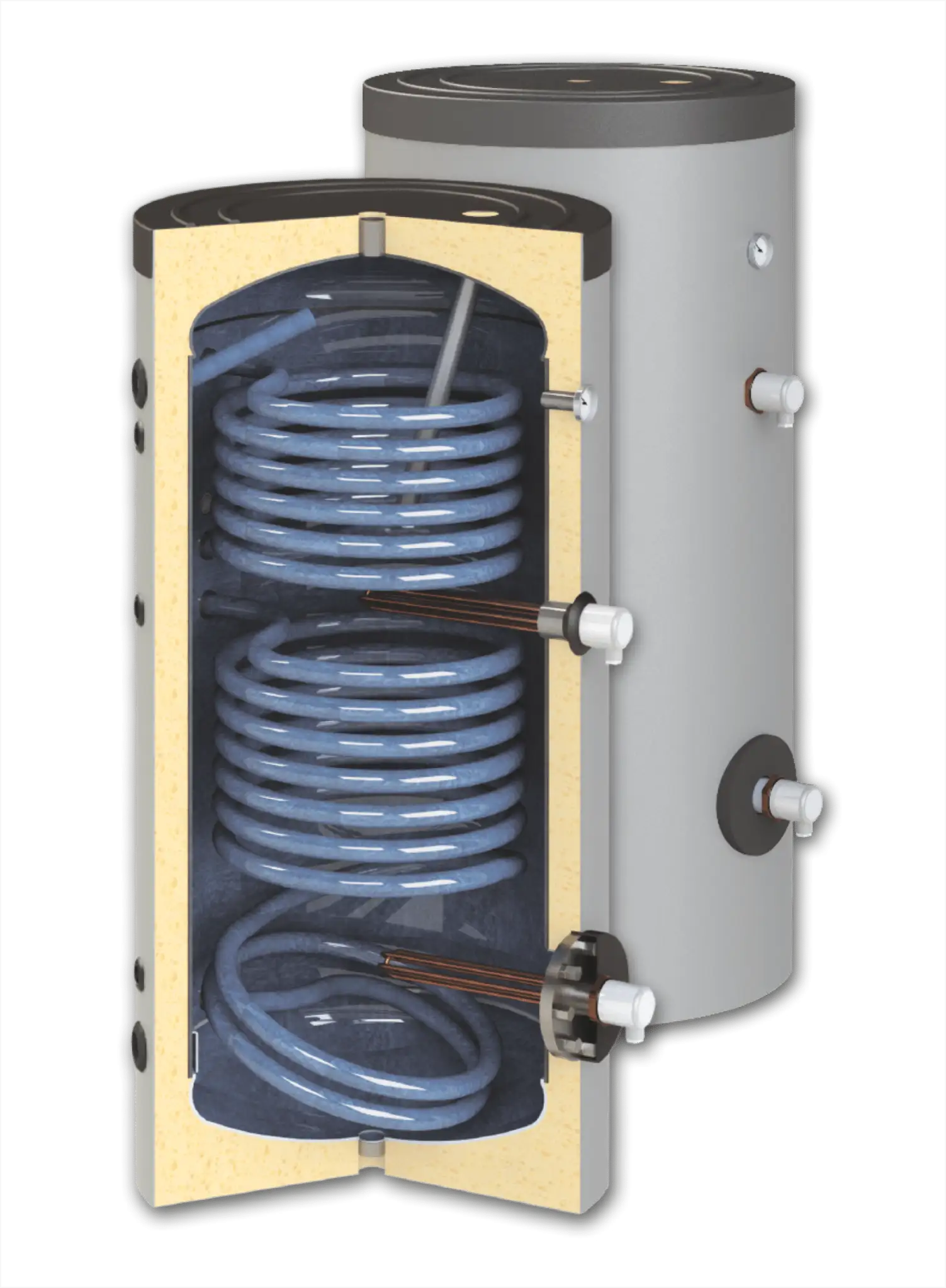
BURNiT Son - Hot Water Tank with 2 Heat Exchangers (200L)
Item no. 124202EAN 8721225900273
Price excl. VAT€ 767,77Price incl. VAT€ 929,00
Low stock
Added
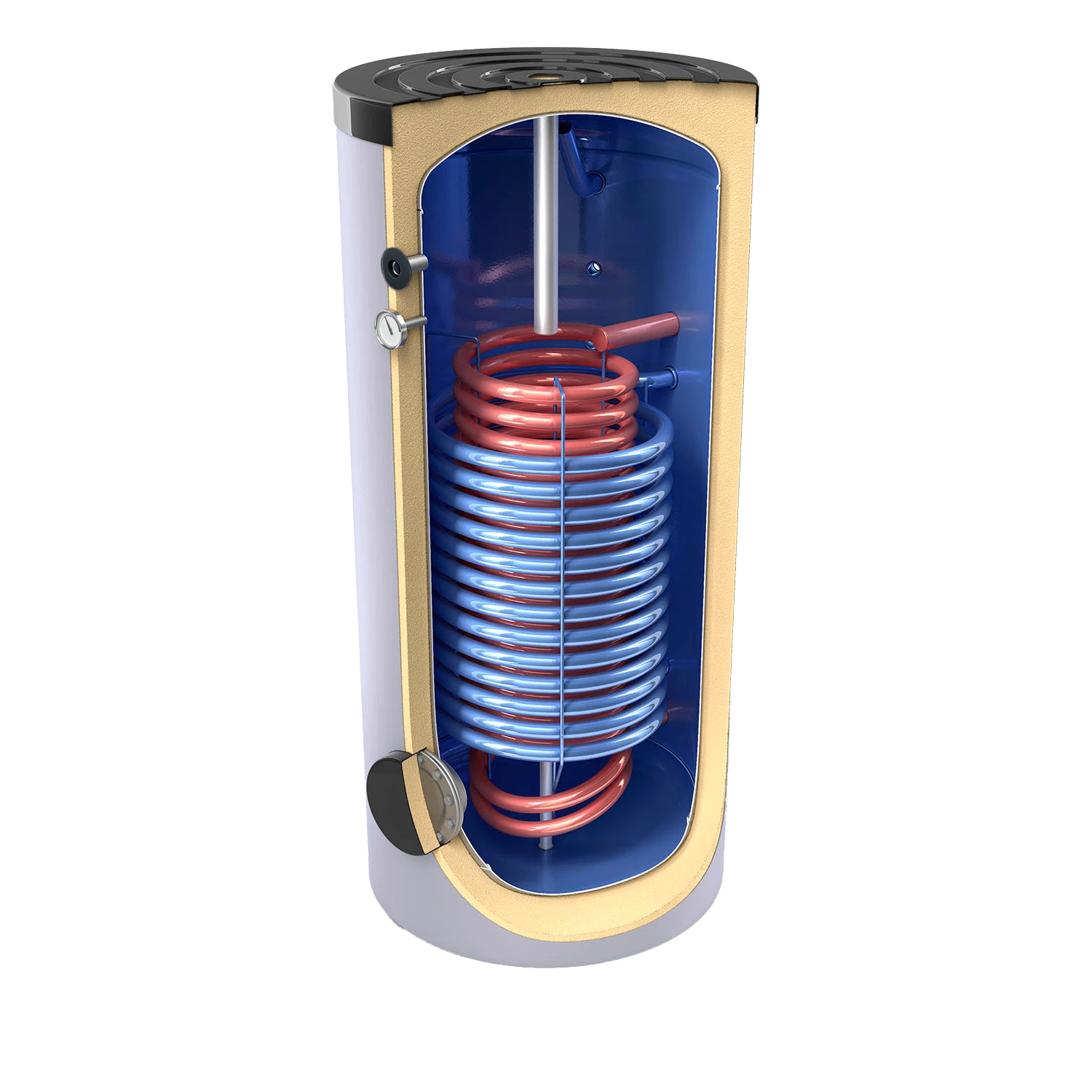
Tesy EV13S17S30065 - Indirect Hot Water Cylinder with Dual Heat Exchangers (300 L)
Item no. 031330EAN 5940000008222
Price excl. VAT€ 987,60Price incl. VAT€ 1.195,00
In stock
Added
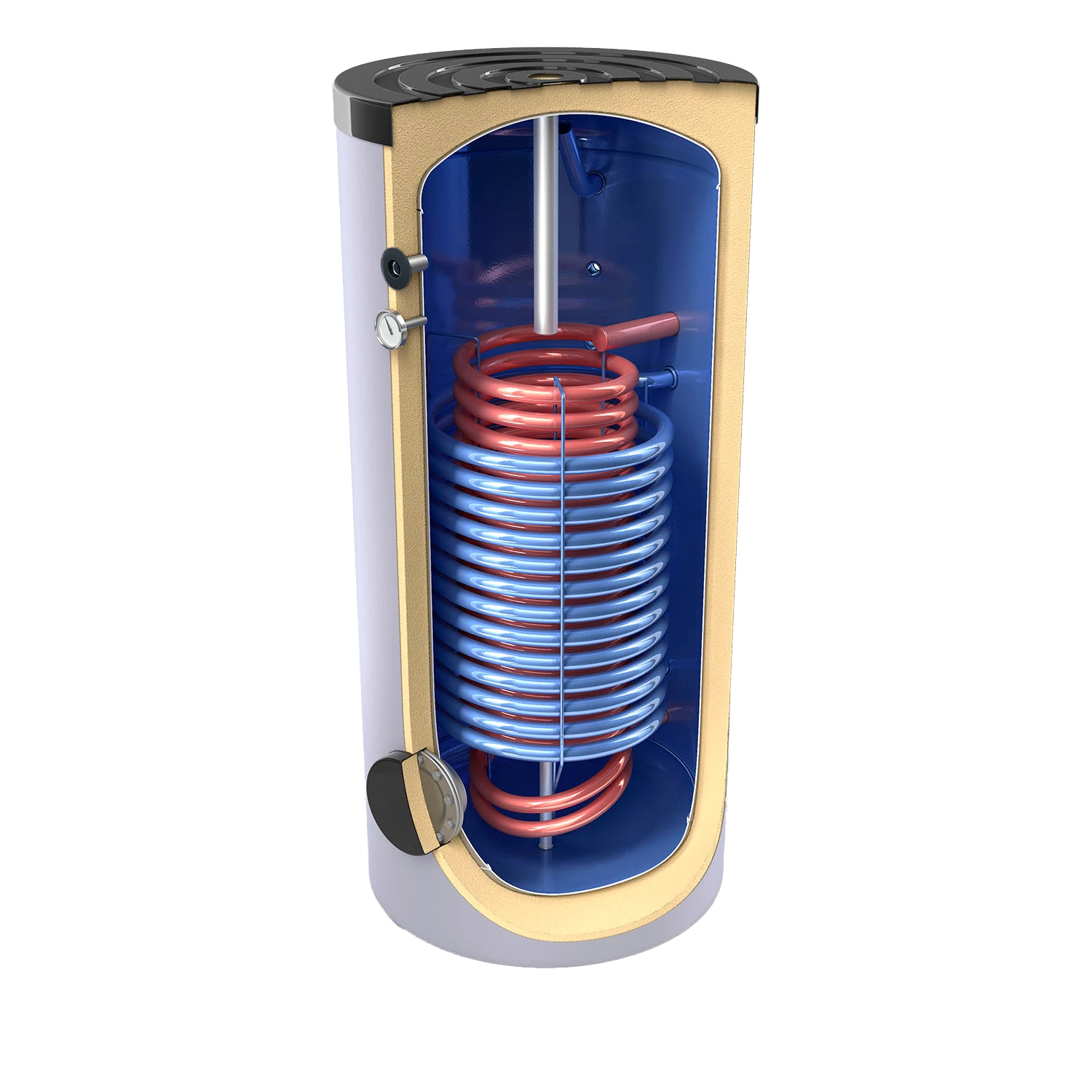
Tesy EV12S17S50075 - Indirect Hot Water Cylinder with Dual Heat Exchangers (500 L)
Item no. 031252EAN 5940000032616
Price excl. VAT€ 1.227,27Price incl. VAT€ 1.485,00
Low stock
Added
Selecting a steel indirect boiler
A steel indirect boiler is used for domestic hot water preparation via an external heat source. The boiler itself stores domestic hot water, while heat is transferred through one or more heat exchangers from a heat pump, boiler, solar thermal system or another heating source.
The correct choice depends on hot water demand, boiler volume, heat exchanger capacity, connections, heat-up time and available installation space. Steel indirect boilers are suitable for installations where robust hot water storage is required and where the boiler is technically matched to the heat source and usage profile.
Important when choosing steel indirect boilers
- Match the volume to hot water demand, draw-off points and usage profile
- Check the number of heat exchangers and heat transfer capacity
- Check connection sizes, sensor positions and available installation height
- Check whether the boiler is suitable for a heat pump, boiler or solar thermal system
- Consider anode provision, corrosion protection and maintenance
- Check insulation value, standing loss and installation location
- Have sizing and connection assessed by a qualified installer
Steel boilers within domestic hot water systems
Steel indirect boilers are often selected when reliable boiler volume, good heat transfer and a clear system layout are important. When material selection or corrosion resistance is a stronger requirement, a stainless steel indirect boiler can be an alternative. For installation, protection and service, indirect boiler accessories are relevant.
A steel indirect boiler must be correctly combined with the heat source, control setup and safety components. With low temperature heat sources such as heat pumps, heat exchanger capacity is especially important for good heat-up time and sufficient domestic hot water comfort.
Frequently asked questions about steel indirect boilers
What is a steel indirect boiler used for?
A steel indirect boiler is used for storing and preparing domestic hot water via an external heat source, such as a boiler, heat pump or solar thermal system.
What does indirect heating mean?
Indirect heating means that domestic hot water is not heated directly by a burner or electric element, but through a heat exchanger that receives heat from an external heat source.
Is a steel indirect boiler suitable for a heat pump?
It can be, provided the heat exchanger, volume and connections are suitable for the heat pump. With heat pumps, sufficient heat exchanger surface is especially important.
What is the difference between a steel and stainless steel indirect boiler?
The main difference is material selection and corrosion resistance. A steel boiler is often used with suitable protection, such as an anode provision. A stainless steel boiler may be useful for specific material or corrosion requirements.
What should an installer check during installation?
Check connection positions, heat exchanger capacity, sensor placement, anode inspection, safety components, expansion provision, pipe diameters, insulation and the technical documentation of the boiler and heat source.