Filters
 Loading…
2-way and 3-way valve
A 2-way or 3-way valve is used to open, close, switch or distribute water flow within central heating and water-based heating systems. In this category, you will find zone valves and motorised control valves with 1" female thread for heating, zone control, buffer tanks, cylinders and system control.
When choosing a 2-way or 3-way valve, connection size, valve type, motor operation, flow direction, application, control strategy, auxiliary switch and system compatibility are important. Hewa supplies control valves for installers, business customers and private applications where reliable water-side control is essential.
Brands


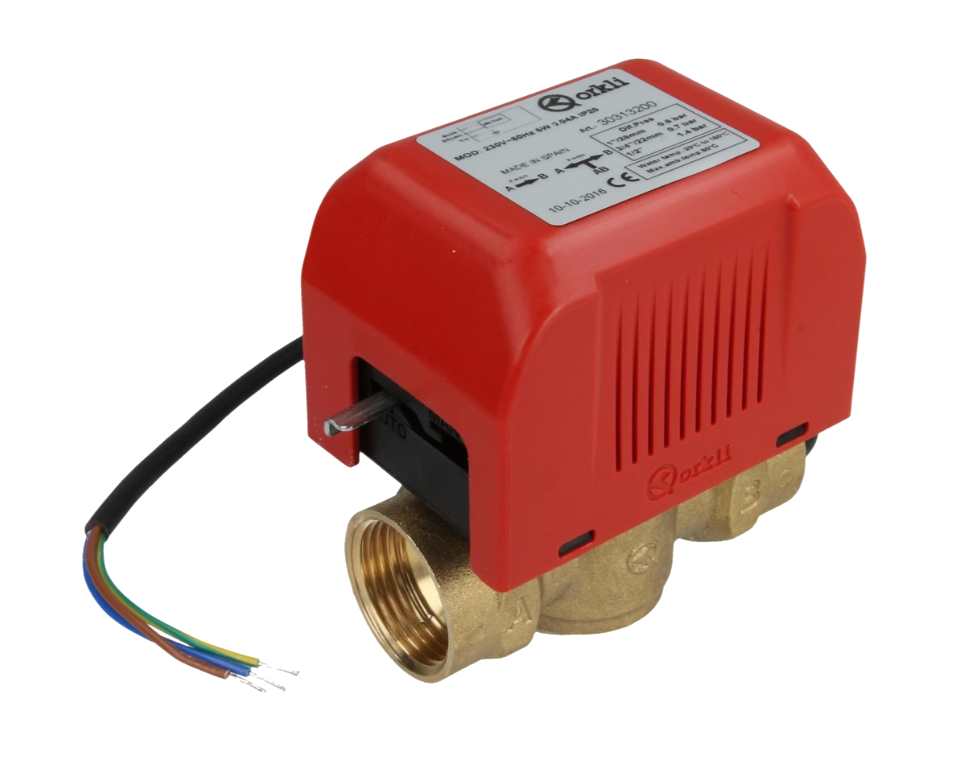
ORKLI 30313200 - 2-way zone valve without end switch 1" female thread
Item no. 573200EAN 8432336000000
Price excl. VAT€ 70,00Price incl. VAT€ 84,70
In stock
Added
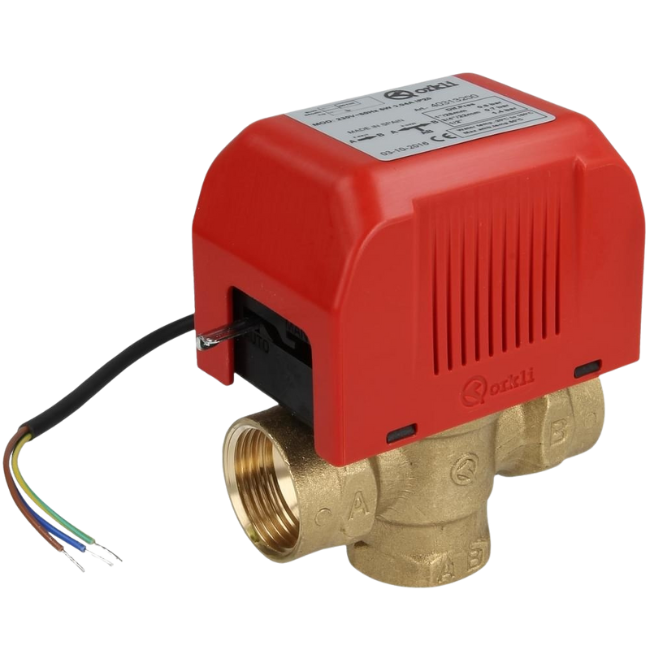
ORKLI 40313200 - Motorized 3-way valve 1
Item no. 410101EAN 8721082877343
Price excl. VAT€ 84,25Price incl. VAT€ 101,94
Low stock
Added
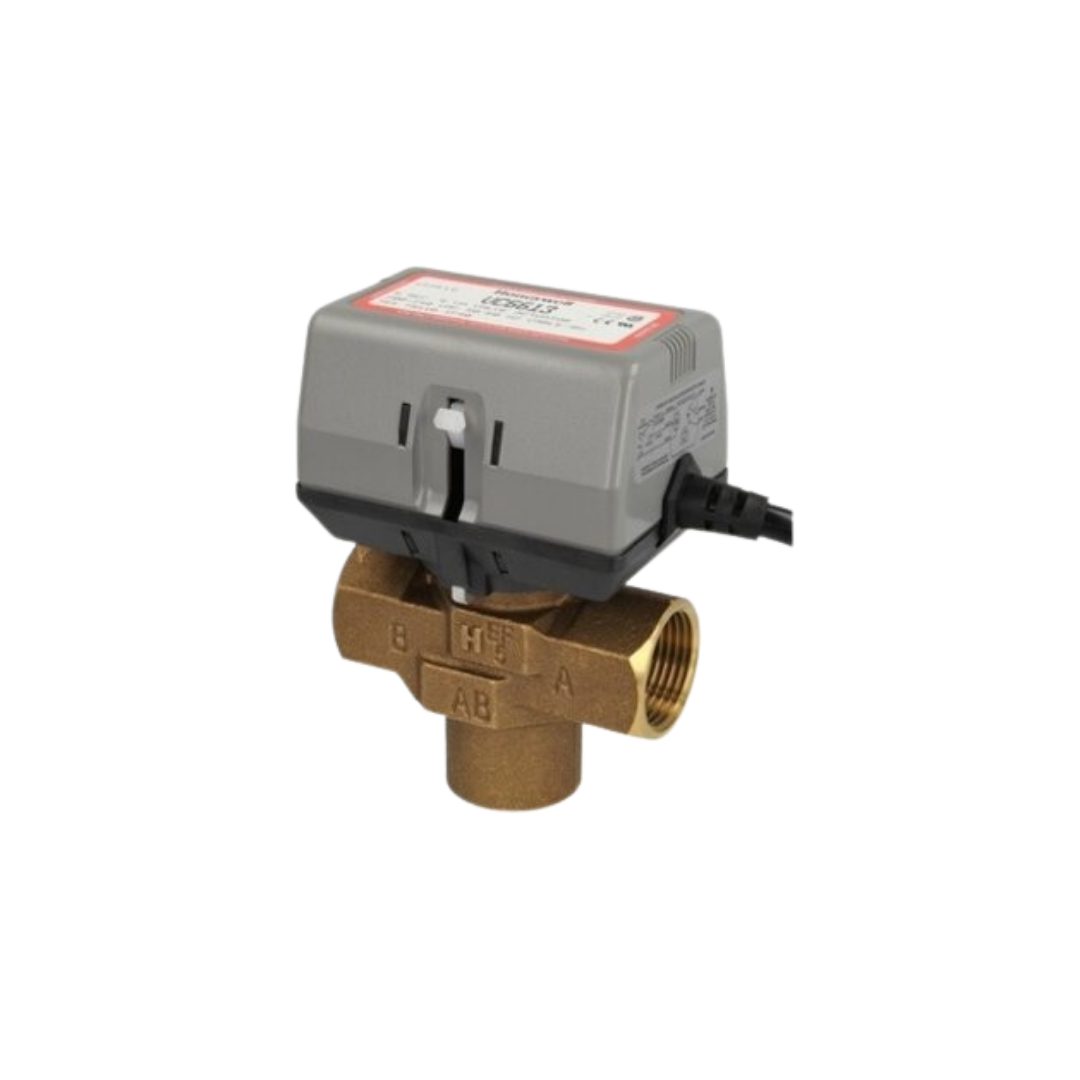
Honeywell VC6013MP6000/U - Motorized 3-way valve 1" female thread (without auxiliary switch)
Item no. 190101EAN 8721082877411
Price excl. VAT€ 119,84Price incl. VAT€ 145,00
Low stock
Added
Choosing a 2-way or 3-way valve
2-way and 3-way valves are used to control water flow in a heating installation. A 2-way valve opens or closes a pipe section, while a 3-way valve can distribute or switch water between different circuits. This makes these valves important for zone control, cylinder control, buffer tanks, mixing systems, heat pumps and central heating installations.
When selecting a valve, connection size, valve type, motor operation, voltage, flow direction, auxiliary switch and application are important. For additional solutions, also view circulation pumps for heating systems, check valves for flow protection and shut-off valves and control valves for service and control.
Important for 2-way and 3-way valves
- Choose between a 2-way valve for opening/closing and a 3-way valve for distribution or switching
- Check connection size, such as 1" female thread, and the technical version
- Pay attention to motor operation, supply voltage, running time and control method
- Check whether an end switch or auxiliary switch is required for the installation
- Pay attention to flow direction, valve position and hydraulic position in the system
- Match the valve to boiler, heat pump, cylinder, buffer tank or zone control
Difference between a 2-way and 3-way valve
A 2-way valve has one inlet and one outlet. This valve is mainly used to open or close a pipe or zone. This makes a 2-way valve suitable for zone control, shutting off a heating circuit or switching a specific group within an installation.
A 3-way valve has three connections and is used to distribute, mix or switch water flow. This is relevant in systems where heat needs to be directed to different circuits, for example towards a cylinder, buffer tank, underfloor heating or radiator circuit.
The correct choice depends on the hydraulic layout of the installation. Always check the system diagram, required function, control method and flow direction before selecting or installing a valve.
Frequently asked questions about 2-way and 3-way valves
What does a 2-way valve do?
A 2-way valve opens or closes a pipe section within a heating installation. It is often used for zone control, shut-off or switching a specific group or circuit.
What does a 3-way valve do?
A 3-way valve distributes, mixes or switches water flow between different connections. It is used with cylinders, buffer tanks, mixing groups, central heating systems and heat pump systems.
What is the difference between a 2-way and 3-way valve?
A 2-way valve has two connections and is used to open or close water flow. A 3-way valve has three connections and is used to distribute, mix or switch water between circuits.
When do I need a motorised valve?
A motorised valve is required when the valve must automatically open, close or switch via a controller, thermostat, zone control, cylinder control or heat pump control.
What should an installer check during installation?
An installer should check connection size, flow direction, valve position, supply voltage, control signal, auxiliary switch, hydraulic position, accessibility and compatibility with the installation controls.