Filters
 Loading…
Safety relief valve
A pressure relief valve is an essential safety component in heating systems, heat pump installations, boiler setups and other hydronic heating circuits. The valve opens when the system pressure becomes too high and safely discharges excess water.
At Hewa, you will find pressure relief valves for heating installations, service work, renovation projects and technical replacement. When selecting the correct valve, check the opening pressure, connection size, temperature rating and installation position.
Brands

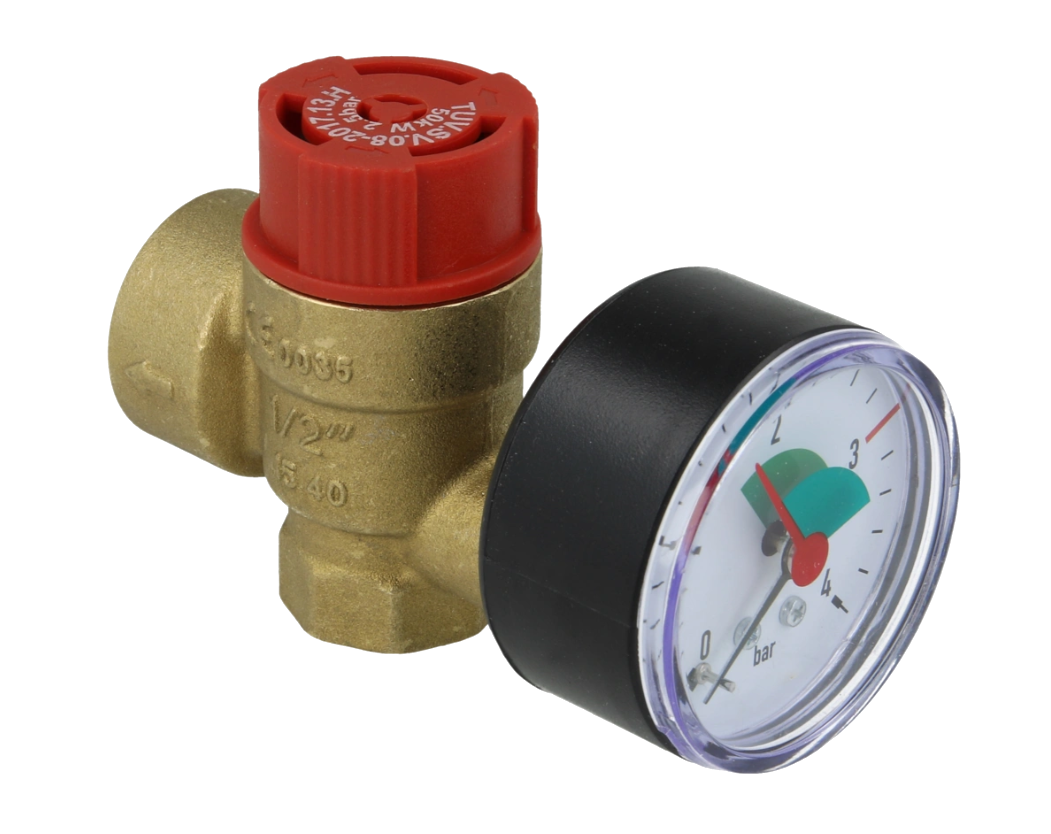
OEG 512240165 - Safety valve 1/2" for heating systems 2.5 bar with pressure gauge
Item no. 340165EAN 4055668024277
Price excl. VAT€ 20,62Price incl. VAT€ 24,95
Low stock
Added
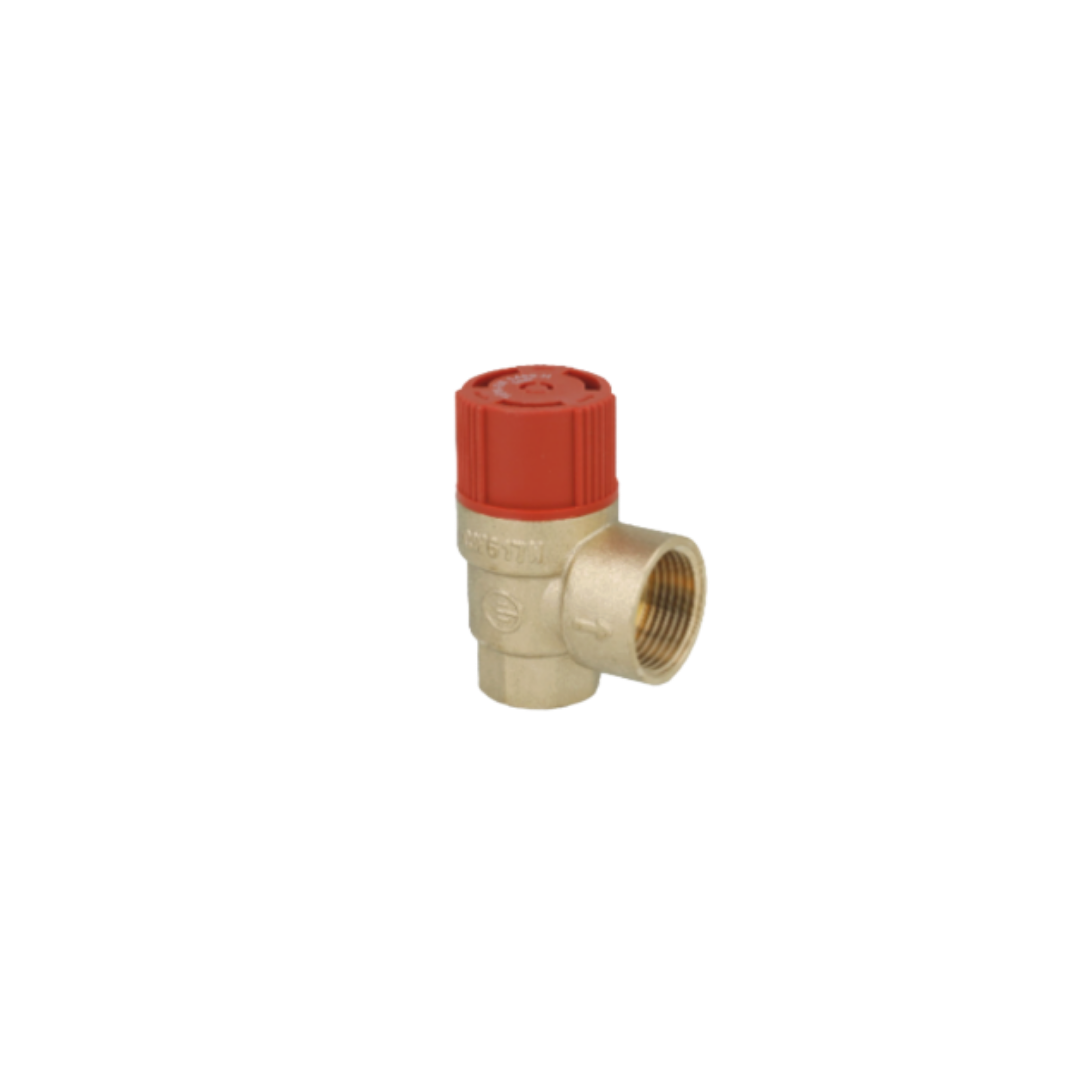
OEG - Safety relief valve 3 bar - Brass pressure valve (1/2" | 3/4")
Item no. 340170EAN 4055668025182
Price excl. VAT€ 8,22Price incl. VAT€ 9,95
In stock
Added
Selecting a pressure relief valve
A pressure relief valve protects a heating system, heat pump, boiler installation or buffer tank against excessive system pressure. When the pressure rises above the set opening pressure, the valve opens automatically and discharges water in a controlled way. This helps prevent unnecessary stress on pipework, heat exchangers, fittings and other installation components.
For correct selection, the valve must match the application, maximum operating pressure, connection size and installation position. In a complete heating installation, a pressure relief valve is often combined with expansion vessels for pressure absorption, boiler safety groups for heating systems and filling hoses for controlled system filling.
Important when choosing a pressure relief valve
- Always check the correct opening pressure for the installation
- Match the connection size to the pipework and safety group
- Check the temperature rating and suitability for heating water
- Install the valve in a technically correct and accessible position
- Provide a safe discharge route when the valve opens due to overpressure
- Check compatibility with the boiler, heat pump, water heater or buffer tank
- Have installation and replacement carried out by a qualified installer
Pressure protection for heating systems and heat pumps
In hydronic heating systems, pressure can rise due to temperature increase, water expansion or incorrect system filling. A correctly selected pressure relief valve prevents the pressure from rising too far and contributes to safe system operation. This is important for traditional heating systems as well as heat pumps, buffer tanks, water heaters, underfloor heating and combined installations.
Besides pressure protection, water quality and air removal also influence system reliability. Where required, combine correct pressure control with dirt separators for system protection and air separators and air vents for heating systems. This helps reduce dirt particles, air accumulation and unnecessary strain on components.
During renovation, service or replacement, always check whether the new pressure relief valve matches the existing installation. Key points include system pressure, position near the heat generator, connection to the pipework and compatibility with the other safety components.
Frequently asked questions about pressure relief valves
What is a pressure relief valve used for?
A pressure relief valve is used to protect a heating system against excessive pressure. If the system pressure rises above the set value, the valve opens and discharges water.
Which opening pressure do I need?
The correct opening pressure depends on the installation and the specifications of the heat generator, water heater or safety group. Always check the technical documentation and the maximum permitted system pressure.
Can a pressure relief valve be used with a heat pump?
Yes, a pressure relief valve can be used in hydronic heat pump systems. The valve must be suitable for the system pressure, temperature and hydraulic layout.
When should a pressure relief valve be replaced?
Replacement is recommended if the valve leaks, is contaminated, does not close correctly, is damaged or no longer matches the installation requirements. Inspection during maintenance is therefore important.
Can I install a pressure relief valve myself?
For safe operation, a pressure relief valve must be positioned and connected correctly. Installation, inspection and replacement should preferably be carried out by a qualified installer.