Filters
 Loading…
Low temperature radiator
A low-temperature radiator is suitable for heating systems that operate with lower flow temperatures, such as heat pumps, hybrid installations and energy-efficient central heating systems. In this category, you will find LTV convector low-temperature radiators in various capacities for homes, renovation projects, utility buildings and technical installations.
When choosing a low-temperature radiator, heat output, flow temperature, room volume, insulation level, water-side connection and control are important. Hewa supplies low-temperature radiators for installers, business customers and private applications where comfort, efficiency and compatibility with modern heating systems are essential.
Brands

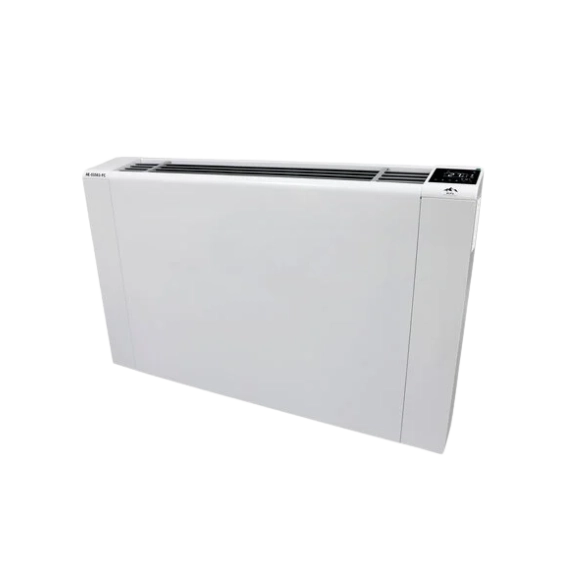
LTV - AE-03001-FC - Low-temperature convector radiator (3 kW)
Item no. 391203EAN 8721225900013
Price excl. VAT€ 578,47Price incl. VAT€ 699,95
In stock
Added
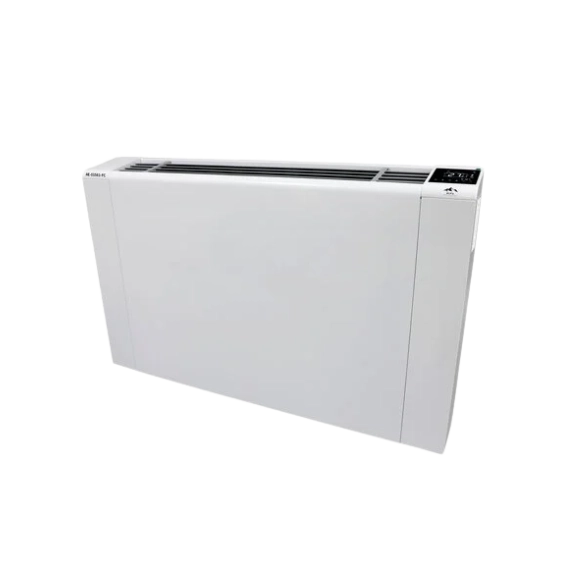
LTV - AE-01561-FC – Low-temperature convector radiator (1.56 kW)
Item no. 391201EAN 8721225900006
Price excl. VAT€ 454,50Price incl. VAT€ 549,95
On backorder
Added
Choosing a low-temperature radiator
A low-temperature radiator is designed for heating installations where the flow temperature is lower than with traditional radiators. This makes these radiators suitable for heat pumps, hybrid systems, modern central heating systems and renovation projects where efficient heat output is important.
When choosing a radiator, required output, available flow temperature, room volume, insulation and water-side connection are key factors. For additional solutions, also view heat pumps for low-temperature heating.
Important for low-temperature radiators
- Select output based on heat loss, room size and desired temperature
- Check whether the radiator can provide sufficient heat at low flow temperatures
- Match the radiator to the heat pump, hybrid system or efficient central heating installation
- Pay attention to water-side connection, water flow, controls and mounting position
- Check whether additional ventilation or convection is needed for sufficient heat output
- Have output capacity and hydraulic connection assessed by an installer
Why use a low-temperature radiator with a heat pump?
A heat pump works most efficiently when the flow temperature can remain low. Traditional radiators are not always suited to this, because they are often designed for higher water temperatures. A low-temperature radiator or convector can still provide sufficient heat at lower temperatures, provided the output has been calculated correctly.
This makes low-temperature radiators useful for renovation projects where underfloor heating is not possible or not desired. In hybrid installations, these radiators can also help increase the contribution of the heat pump and reduce how often the boiler needs to support the system.
The right choice depends on insulation level, room use, available water temperature, radiator output and desired heating speed. In existing homes, a heat loss calculation or technical check is therefore strongly recommended.
Frequently asked questions about low-temperature radiators
What is a low-temperature radiator?
A low-temperature radiator is a radiator or convector that is suitable for heating systems with lower flow temperatures. This type of radiator is often used with heat pumps, hybrid installations and energy-efficient central heating systems.
When is a low-temperature radiator suitable?
A low-temperature radiator is suitable when the heating system operates with lower water temperatures and the radiator still needs to deliver sufficient heat. This is especially relevant for heat pumps, renovation projects and hybrid heating systems.
Can a low-temperature radiator work with a heat pump?
Yes, a low-temperature radiator can work well with a heat pump, provided the output matches the room’s heat loss and the available flow temperature of the installation.
What is the difference compared with a standard radiator?
A standard radiator is often designed for higher flow temperatures. A low-temperature radiator is designed to provide sufficient heat at lower water temperatures, for example through a different construction or improved convection.
What should an installer check during installation?
An installer should check heat loss, flow temperature, radiator output, hydraulic balancing, water flow, placement, controls and compatibility with the heat pump, boiler or hybrid installation.