Buffer tanks and boilers
Buffer tanks and boilers are used for heat storage, domestic hot water preparation and stabilising hydronic heating systems. They are important components in heat pump systems, heating installations, solar thermal systems and combined heating setups.
At Hewa, you will find buffer tanks, indirect boilers, combination boilers, hygiene boilers and heat pump boilers for installers, commercial projects and private applications. When selecting the right solution, check volume, material, heat exchangers, connections, insulation, capacity and the role within the complete system.
Featured
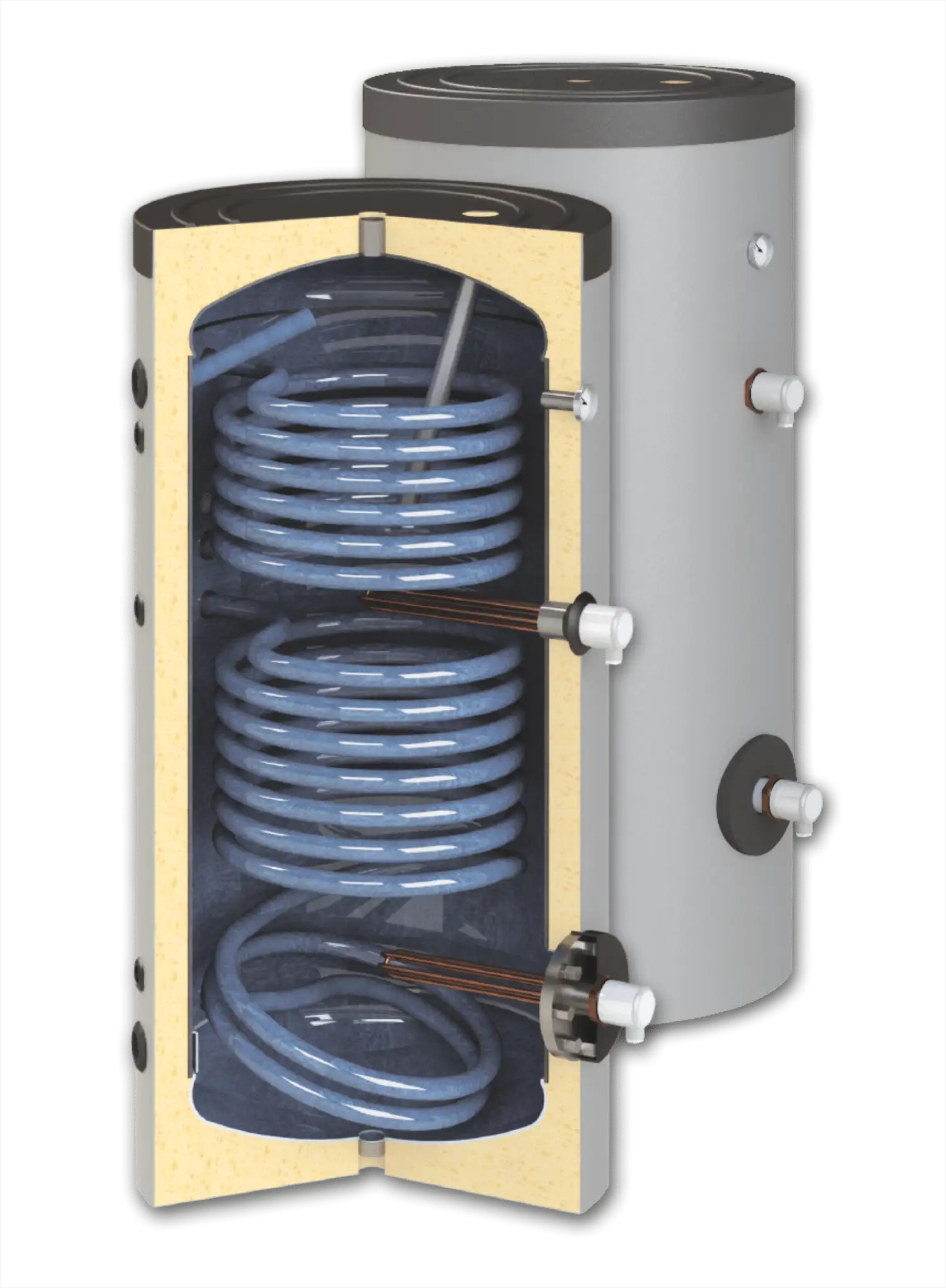
BURNiT Son - Hot Water Tank with 2 Heat Exchangers (500L)
Item no. 124502EAN 8721225900259
Price excl. VAT€ 1.197,52Price incl. VAT€ 1.449,00
On backorder
Added
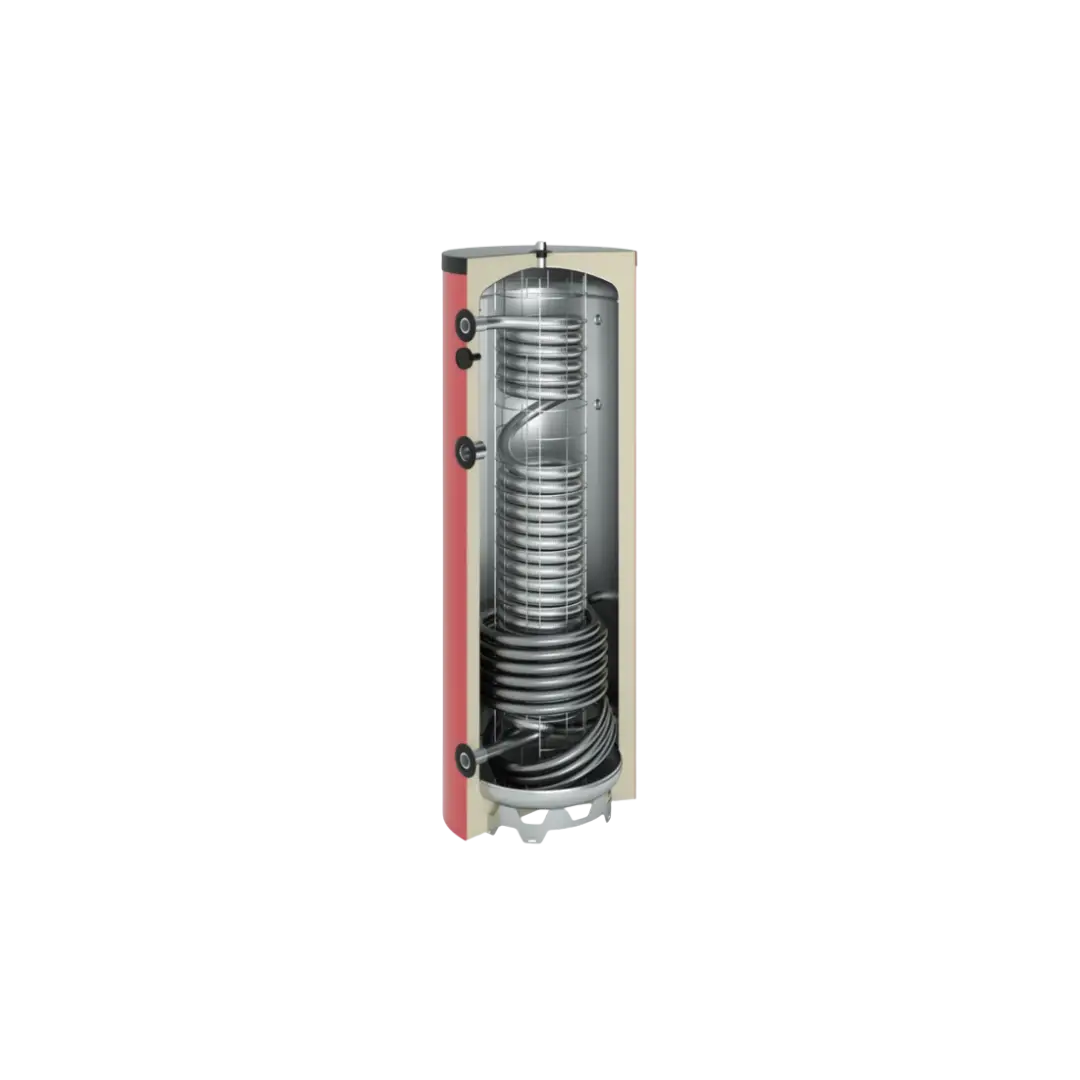
OEG 516008269 - Pure+ Hygiene Boiler with 1 Heat Exchanger (300L)
Item no. 344301EAN 516008269
€ 2.249,00Price excl. VAT€ 1.700,00Price incl. VAT€ 2.057,00
On backorder
Added
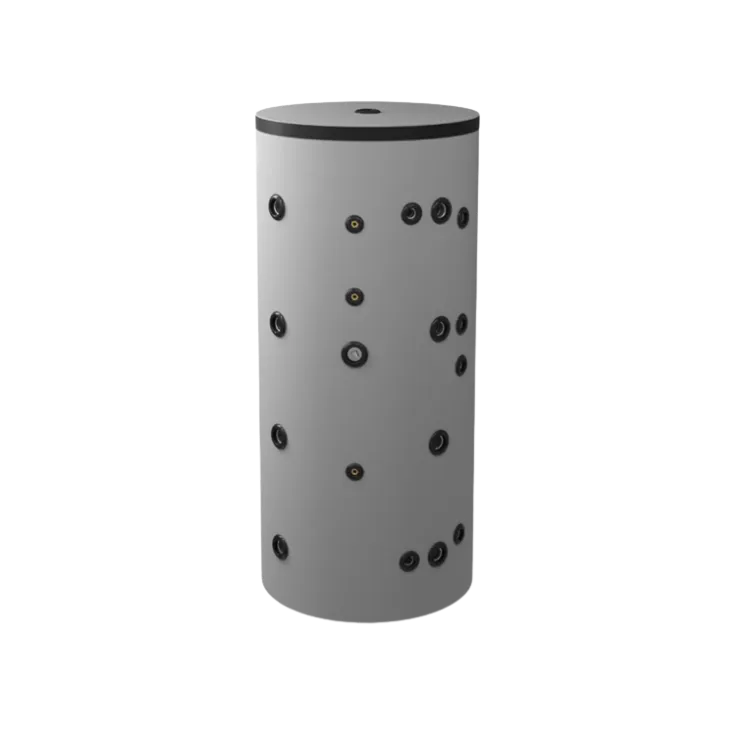
Eldom BCWS2 500K80 - Buffer tank with tap water coil and 2 heat exchangers (500L)
Item no. 144582EAN 8808563519418
Price excl. VAT€ 1.569,42Price incl. VAT€ 1.899,00
On backorder
Added
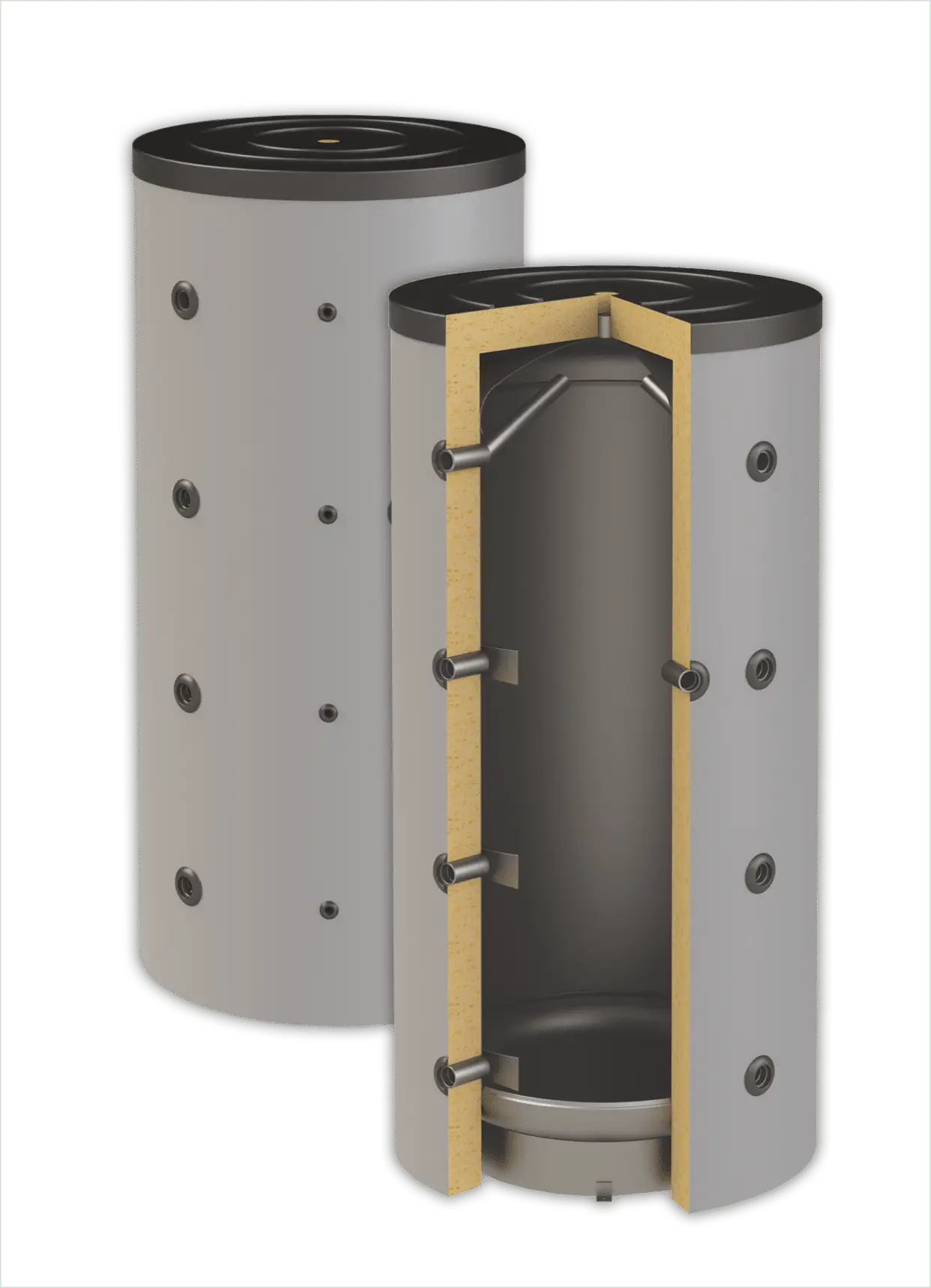
BURNiT PBM 1000 - Buffer tank (1000L)
Item no. 124100EAN 8721225900280
Price excl. VAT€ 867,73Price incl. VAT€ 1.049,95
On backorder
Added
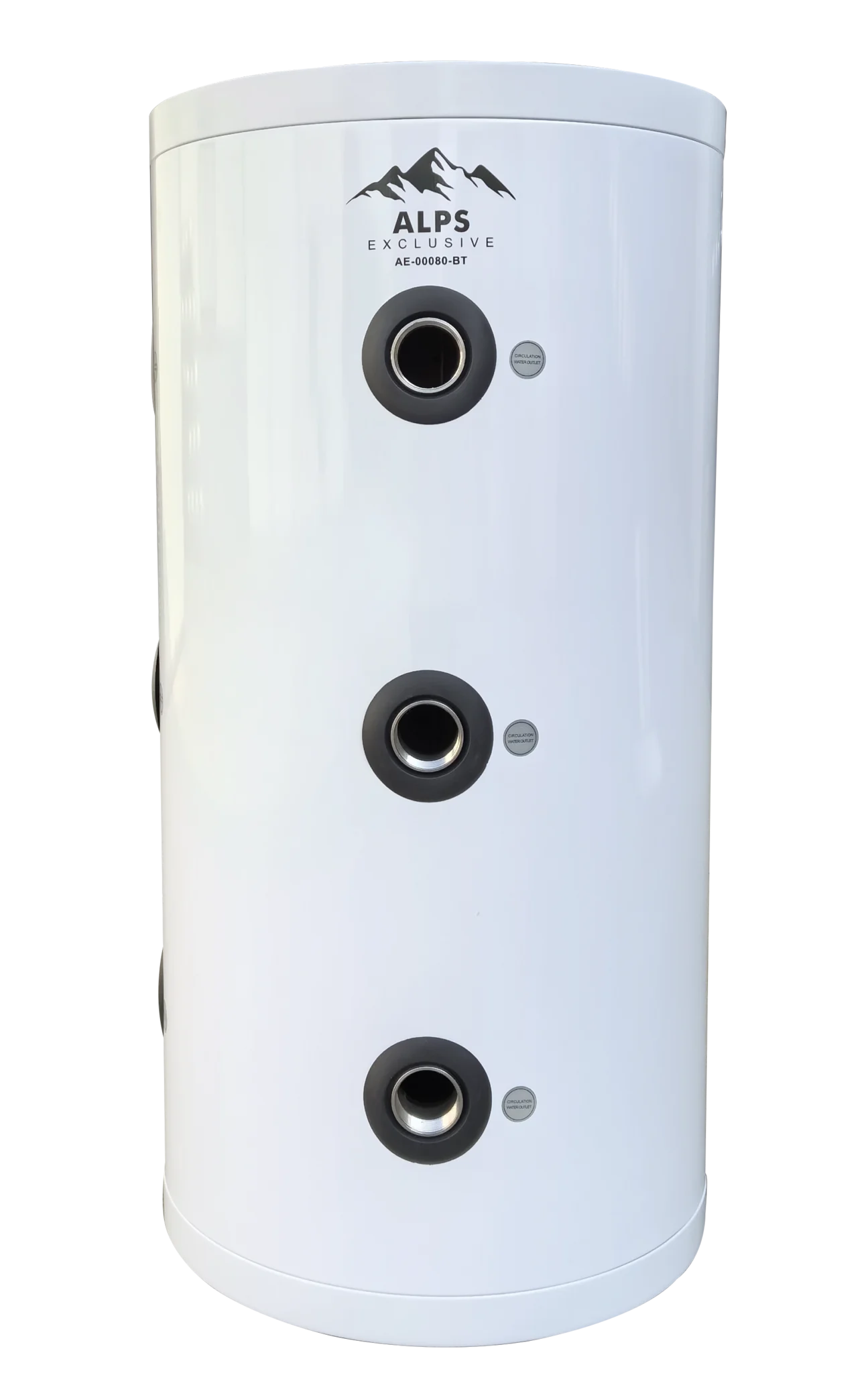
ALPS EXCLUSIVE AE-00200-BT(V2) - Stainless Steel Buffer Tank (200L)
Item no. 394220EAN 8721082877916
Price excl. VAT€ 727,77Price incl. VAT€ 880,60
In stock
Added
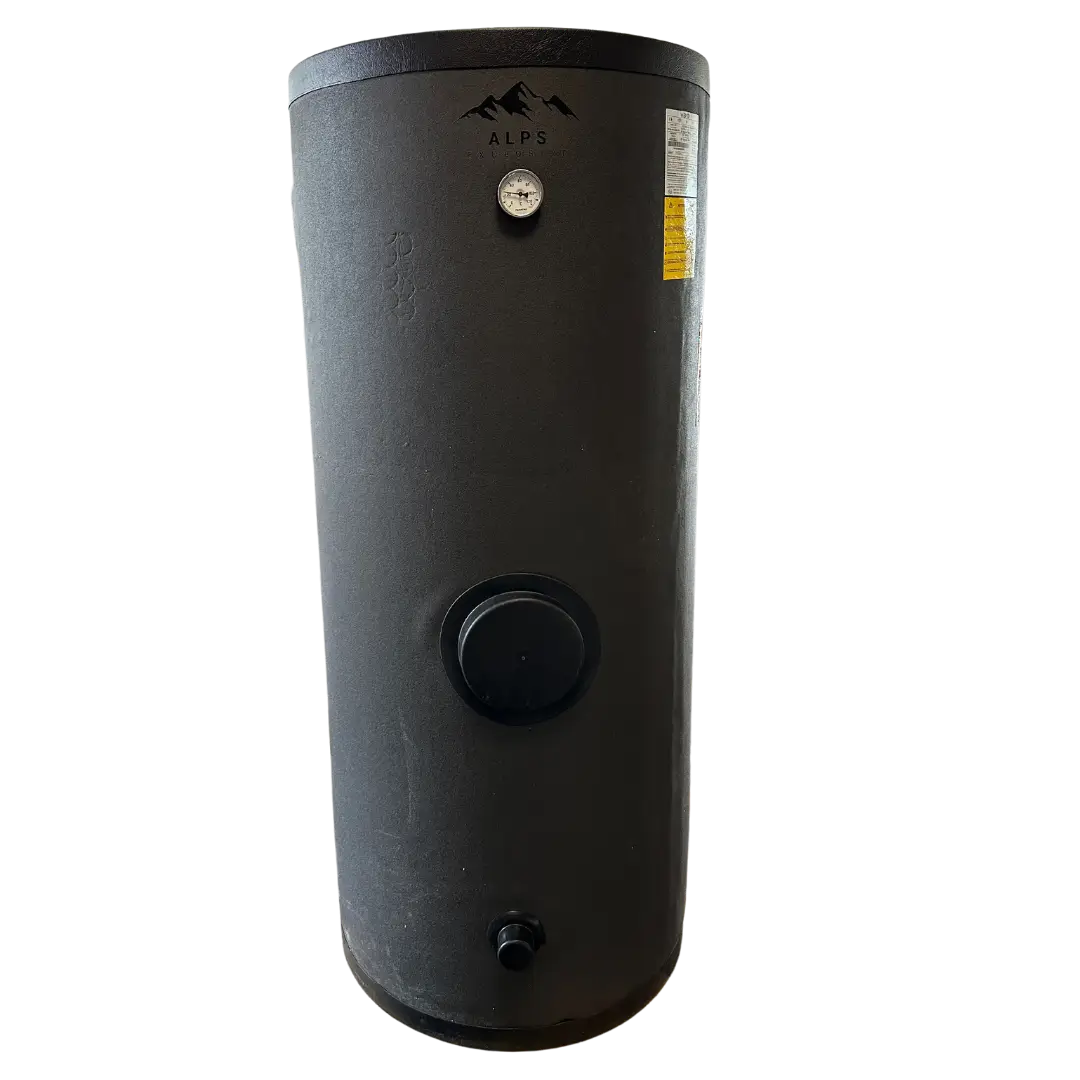
ALPS EXCLUSIVE WKB-HV-300/100L - Combi boiler (300/100L)
Item no. 394310EAN 8721082877435
Price excl. VAT€ 1.652,07Price incl. VAT€ 1.999,01
Low stock
Added
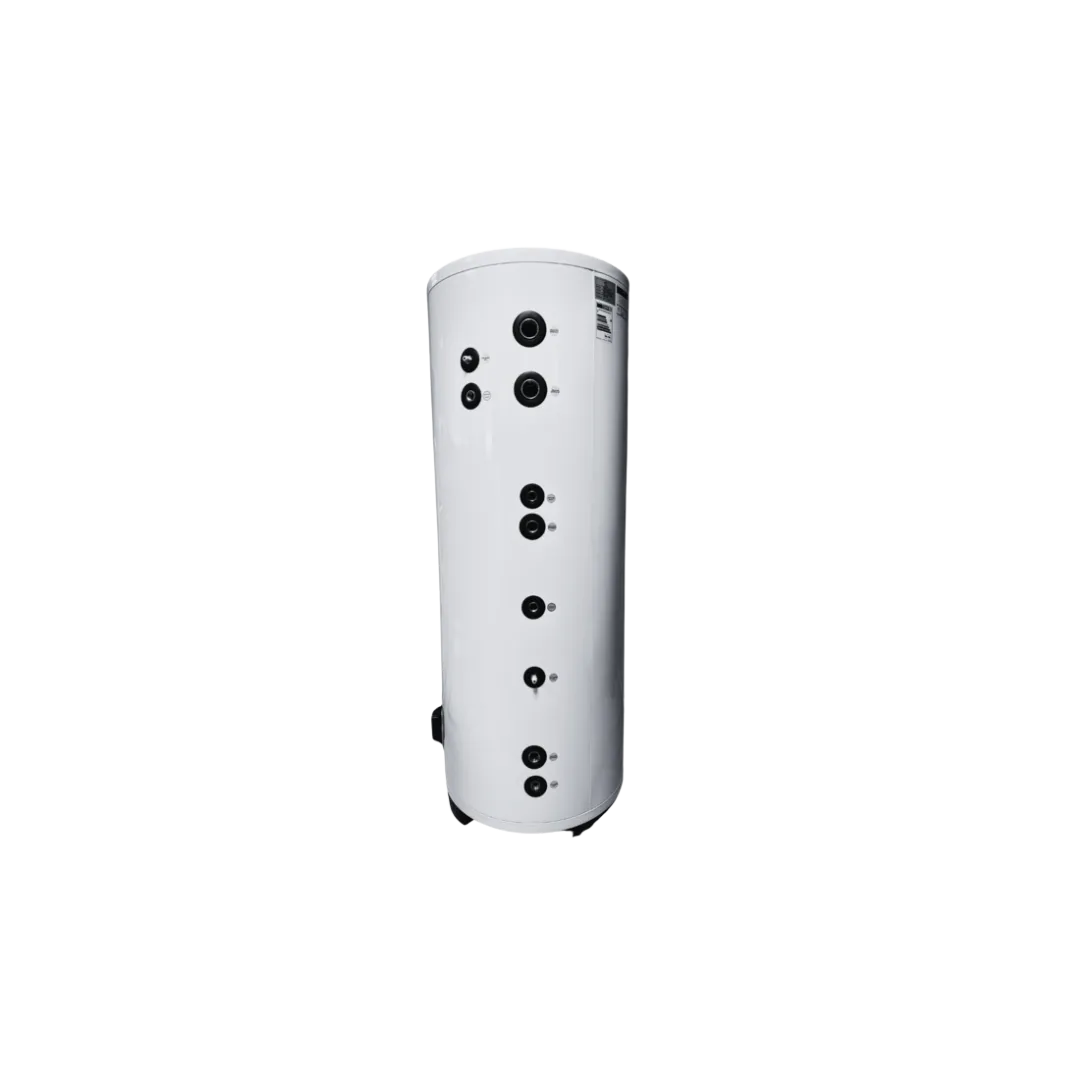
ALPS EXCLUSIVE WKB-HV-300/100L(V2) – Stainless Combination Tank (300/100L)
Item no. 394231EAN 8721082877954
Price excl. VAT€ 1.734,71Price incl. VAT€ 2.099,00
In stock
Added
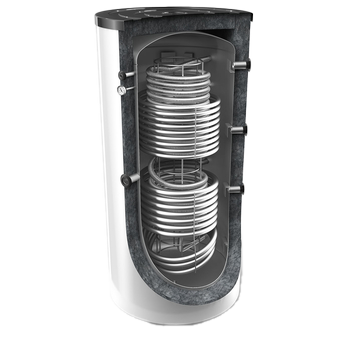
Tesy V10/9S2100099HYG5.5HE - Hygienic Cylinder with Dual Heat Exchangers (1000L)
Item no. 031012EAN 5940000035358
Price excl. VAT€ 2.090,87Price incl. VAT€ 2.529,95
Low stock
Added
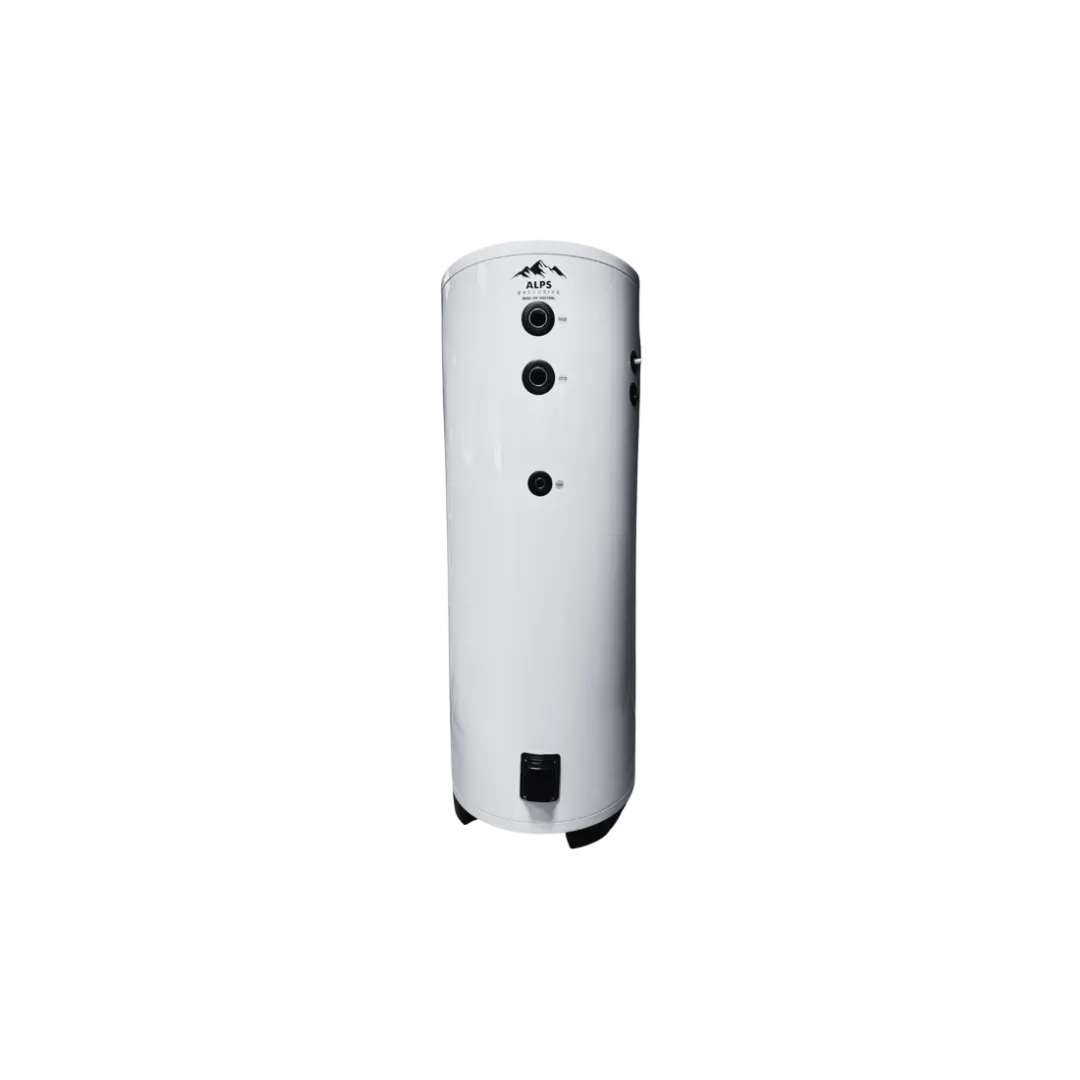
ALPS EXCLUSIVE WKB-HV-200/100L(V2) – Stainless steel combination boiler (200/100L)
Item no. 394221EAN 8721082877961
Price excl. VAT€ 1.569,42Price incl. VAT€ 1.899,00
In stock
Added
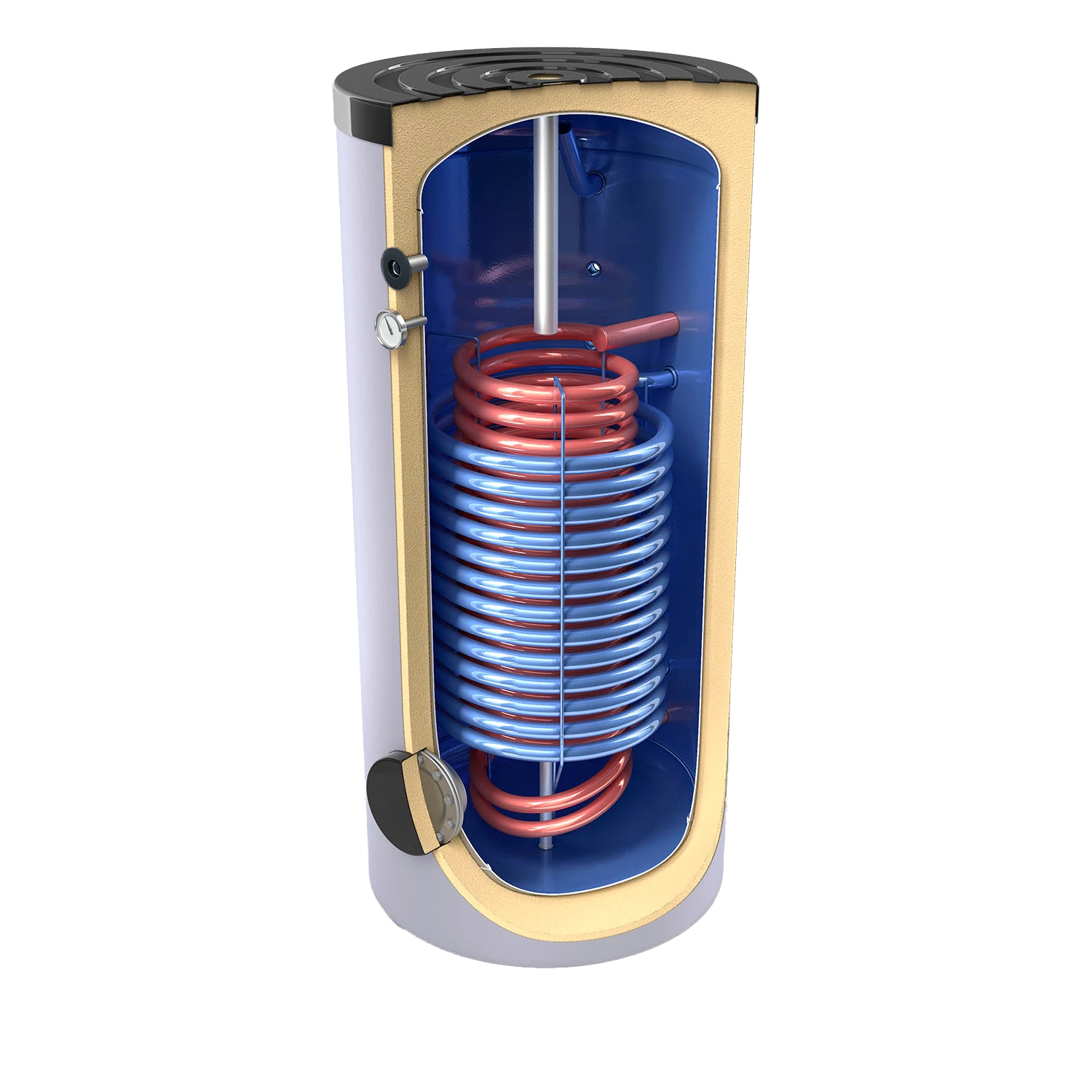
Tesy EV12S17S50075 - Indirect Hot Water Cylinder with Dual Heat Exchangers (500 L)
Item no. 031252EAN 5940000032616
Price excl. VAT€ 1.227,27Price incl. VAT€ 1.485,00
Low stock
Added
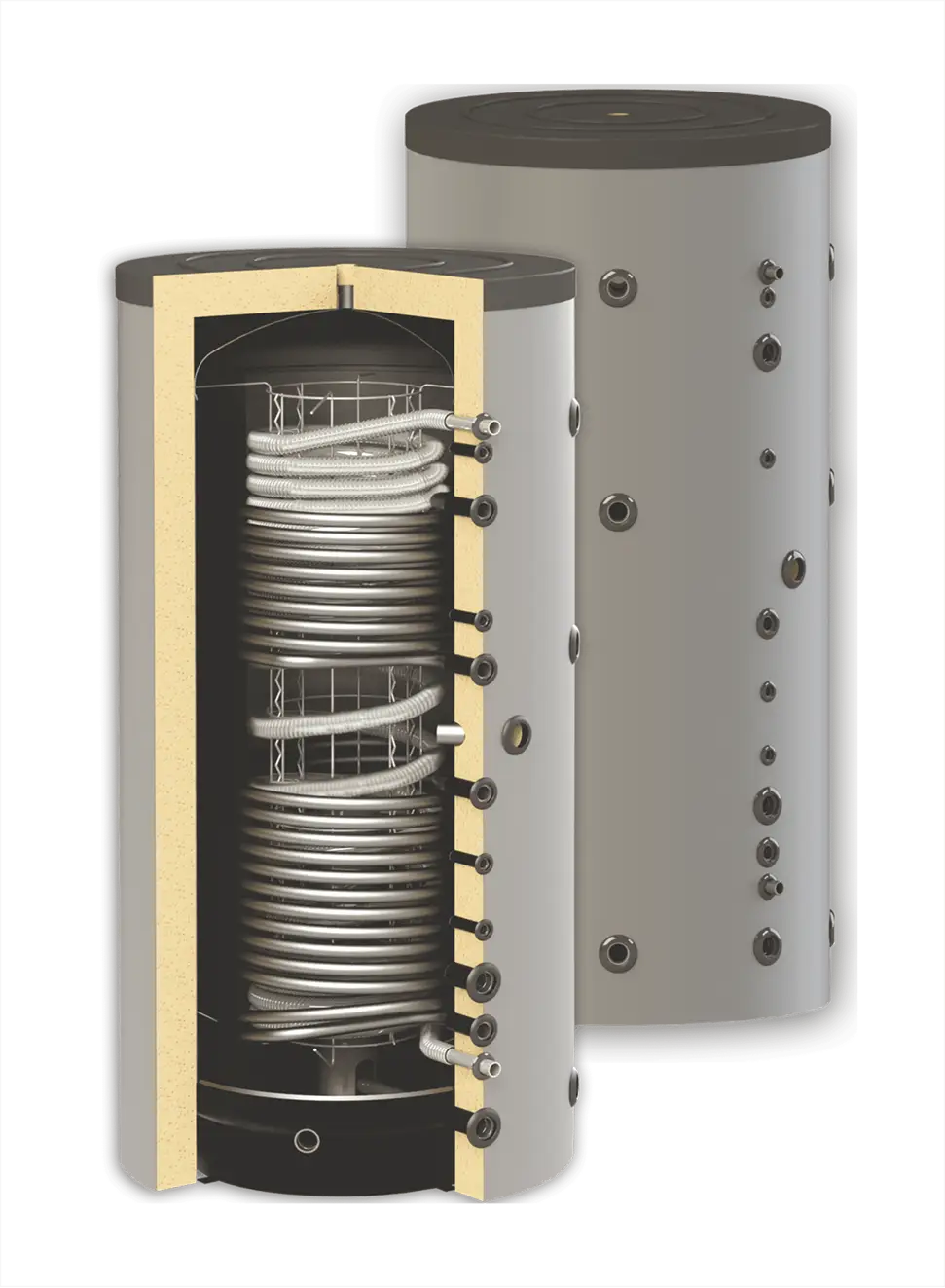
BURNiT HYG BR2 - Hygiene Boiler with 2 Heat Exchangers (1000L)
Item no. 124102EAN 8721225900297
Price excl. VAT€ 2.107,40Price incl. VAT€ 2.549,95
Low stock
Added
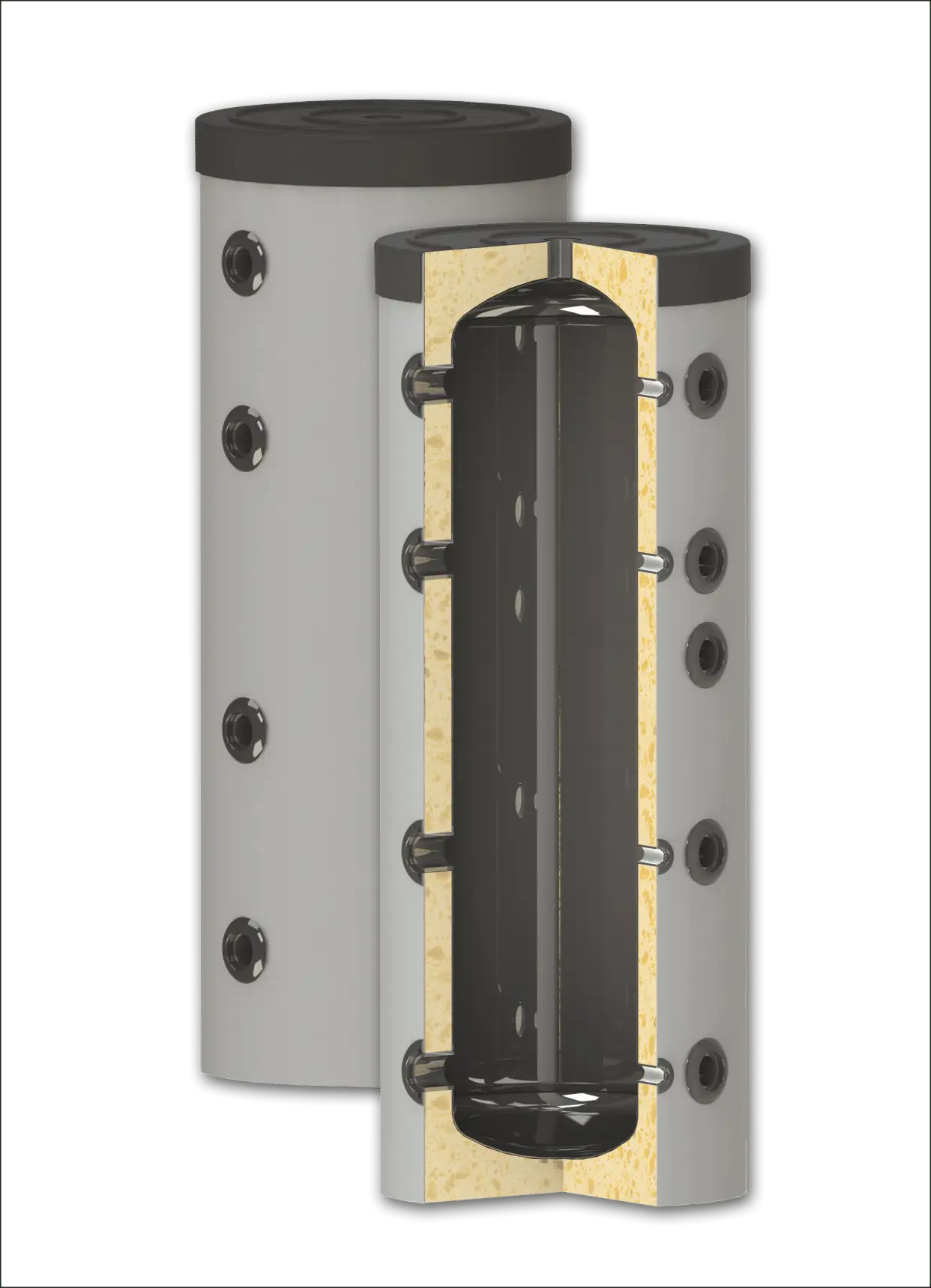
BURNiT PS 300 - Buffer tank (300L)
Item no. 124300EAN 8721225900242
Price excl. VAT€ 660,33Price incl. VAT€ 799,00
On backorder
Added
Buffer tanks and boilers for stable heat storage
Buffer tanks and boilers provide reliable storage of heating water or domestic hot water in technical installations. They are used with heat pumps, heating systems, solar thermal systems, wood and pellet boilers and combined setups where capacity, efficiency and comfort must be properly coordinated.
Selecting a buffer tank or boiler
The right choice depends on the application. A buffer tank is mainly used to temporarily store heating water and make the installation hydraulically more stable. A boiler is intended for domestic hot water preparation, where volume, heat exchanger, material and heating capacity are key factors.
For the main product groups, also review buffer tanks for heat storage, indirect boilers for domestic hot water and heat pump boilers for efficient hot water.
Important when choosing buffer tanks and boilers
- Match the volume to heat demand, hot water demand and system capacity
- Check material selection, such as steel or stainless steel, based on the application
- Check the number of heat exchangers, coils and connection options
- Check insulation value, standing loss and available installation space
- Choose a version that matches the heat pump, boiler, solar thermal system or solid fuel boiler
- Consider service, maintenance, anode inspection and accessibility
- Have sizing and connection assessed by a qualified installer
Applications within buffer tanks and boilers
Buffer tanks
For storing heating water, hydraulic separation and more stable operation of heat pumps, heating systems and solid fuel installations.
Indirect boilers
For domestic hot water preparation via an external heat source, such as a boiler, heat pump, solar thermal system or other heating system.
Combination boilers
For installations where heat storage and domestic hot water preparation are combined in one unit with multiple connection or heat exchanger options.
Hygiene boilers
For domestic hot water preparation via a hygienic flow-through principle, keeping potable water separated from the stored heating water.
Heat pump boilers
For energy-efficient domestic hot water preparation with integrated heat pump technology, suitable for homes and technical hot water setups.
Storage, domestic hot water and system efficiency
A correctly selected buffer tank or boiler contributes to a stable installation, fewer switching cycles and better coordination between heat generation and heat distribution. With heat pumps, sufficient system volume is important to support stable control behaviour. With boilers, the main focus is domestic hot water comfort, heat-up time, capacity and the number of draw-off points.
Always check whether the tank matches the heat source, pipework, safety components, control setup and available space. The choice between stainless steel and steel, the presence of heat exchangers and accessibility for maintenance also affect service life and ease of servicing.
Frequently asked questions about buffer tanks and boilers
What is the difference between a buffer tank and a boiler?
A buffer tank stores heating water for the heating system. A boiler is intended for domestic hot water. The application, connections and technical requirements are therefore different.
When do I need a buffer tank?
A buffer tank is useful when additional system volume, hydraulic separation or more stable operation is required. This is common with heat pumps, wood boilers, pellet boilers and installations with varying heat demand.
Which boiler is suitable for a heat pump?
This depends on hot water demand, capacity, available space, required volume and the connection options of the heat pump. Always check whether the heat exchanger and volume are suitable for low temperature operation.
What is a hygiene boiler?
A hygiene boiler heats domestic hot water through a separated flow-through principle. This keeps potable water separated from the stored heating water inside the tank.
What should an installer check during installation?
Check weight, connection position, safety components, pipe diameters, expansion provision, insulation, service space and the technical documentation of the heat source and tank.
Need a buffer tank or boiler for your project?
Hewa supports installers, business customers and private buyers with suitable solutions for heat storage, domestic hot water preparation and system design. Contact us for product selection, application advice or tailored delivery.