Filters
 Loading…
Smart thermostat
A smart thermostat is used to control heating and cooling more accurately, comfortably and often wirelessly. Depending on the version, the thermostat can be used with heating systems, heat pumps, underfloor heating, zone valves or other control components.
At Hewa, you will find smart thermostats for installation, service work, renovation and technical replacement. When selecting the right thermostat, check power supply, wireless communication, switching contact, temperature range, system compatibility and the preferred control method.
Brands


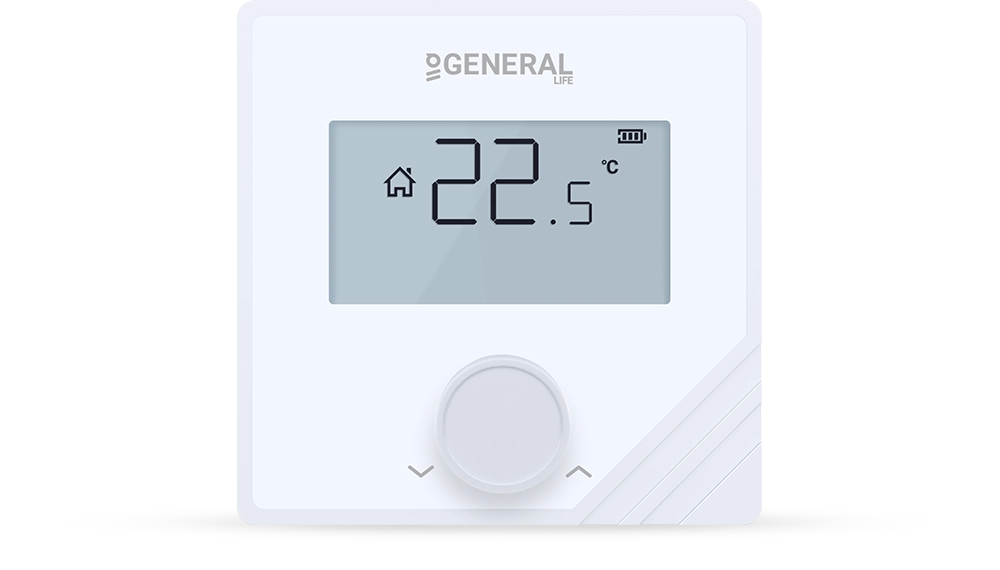
General Mitra 25S – Smart wireless thermostat (230VAC)
Item no. 440252EAN 8690301452244
Price excl. VAT€ 82,60Price incl. VAT€ 99,95
In stock
Added
General Mitra 250S – Smart wireless thermostat (230VAC)
Item no. 442523EAN 8690301452246
Price excl. VAT€ 115,66Price incl. VAT€ 139,95
On backorder
Added
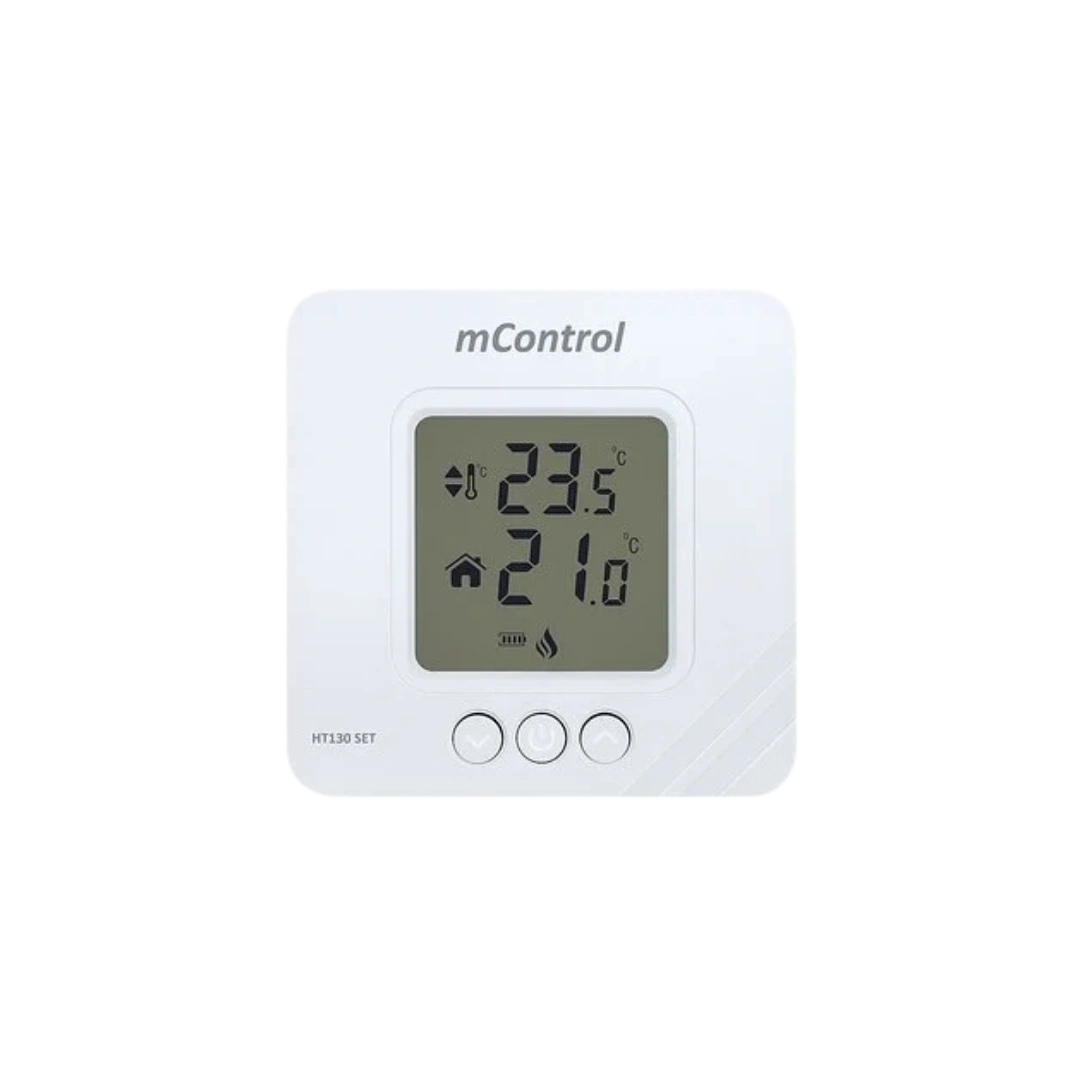
Mikoterm HT 130 – Wireless Room Thermostat (230VAC)
Item no. 381302EAN 7141211280775
Price excl. VAT€ 66,07Price incl. VAT€ 79,95
In stock
Added
Selecting a smart thermostat
A smart thermostat is intended for installations where temperature control, ease of use and wireless operation are important. The thermostat measures the room temperature and controls a heat source, cooling mode, pump, valve or control module based on that measurement. This makes control more practical in heating systems, heat pumps, underfloor heating and comfort-focused installations.
When selecting a smart thermostat, power supply, switching contact, wireless communication, range, temperature range and compatibility are key factors. Always check whether the thermostat is suitable for the installation control method and whether the receiver, relay function or connection voltage matches the technical requirements of the system.
Important when choosing smart thermostats
- Check whether the thermostat is suitable for heating, cooling or both
- Check the power supply, such as 230VAC or low voltage
- Check the type of switching contact and maximum switching capacity
- Choose wireless or wired based on installation layout and signal range
- Check compatibility with boiler, heat pump, pump, valve or control module
- Install the thermostat in a representative position in the room
- Have electrical connection and configuration carried out by a qualified installer
Smart control within thermostat solutions
Smart thermostats are often selected when wireless operation, digital settings and practical temperature control are required. For simple installations, a simple thermostat for basic control may be sufficient. For technical measurement on pipes or surfaces, a contact thermostat for pipe temperature is often more suitable. For installations with multiple rooms or groups, zone control for heating zones can provide more control per room.
A smart thermostat must always be matched to the heat source and hydraulic layout of the system. With heat pumps, underfloor heating and low temperature heating, stable control is important to prevent cycling, rapid switching or unnecessary energy use.
Frequently asked questions about smart thermostats
What is a smart thermostat used for?
A smart thermostat is used to control heating or cooling digitally, wirelessly or more accurately. The thermostat measures room temperature and switches the installation based on the set temperature.
Can a smart thermostat be used with a heat pump?
Yes, but not every smart thermostat is suitable for every heat pump. Always check the control type, connection voltage, switching contact and requirements of the heat pump installation.
What is the difference between a smart thermostat and a simple thermostat?
A simple thermostat usually switches based on a set temperature. Depending on the version, a smart thermostat often offers more operating options, wireless communication or digital settings.
Where should a smart thermostat be installed?
Install the thermostat in a representative position in the room, not directly near a window, door, radiator, heat source or in direct sunlight. Incorrect placement can cause inaccurate measurement and unstable control.
Who should connect a smart thermostat?
The electrical connection and link with the installation must be carried out correctly. Installation, connection and inspection should therefore preferably be performed by a qualified installer.