Filters
 Loading…
Pipe insulation
Pipe insulation is used to reduce heat loss, condensation and energy loss around pipework. In heating systems, sanitary installations and technical pipe routes, the right insulation contributes to more efficient operation and a neater system finish.
At Hewa, you will find pipe insulation and insulation material for installers, service technicians, business customers and DIY users. When selecting the right insulation, check pipe diameter, insulation thickness, inner diameter, outer diameter, temperature range, material type, mounting environment and application within the complete installation.
Brands


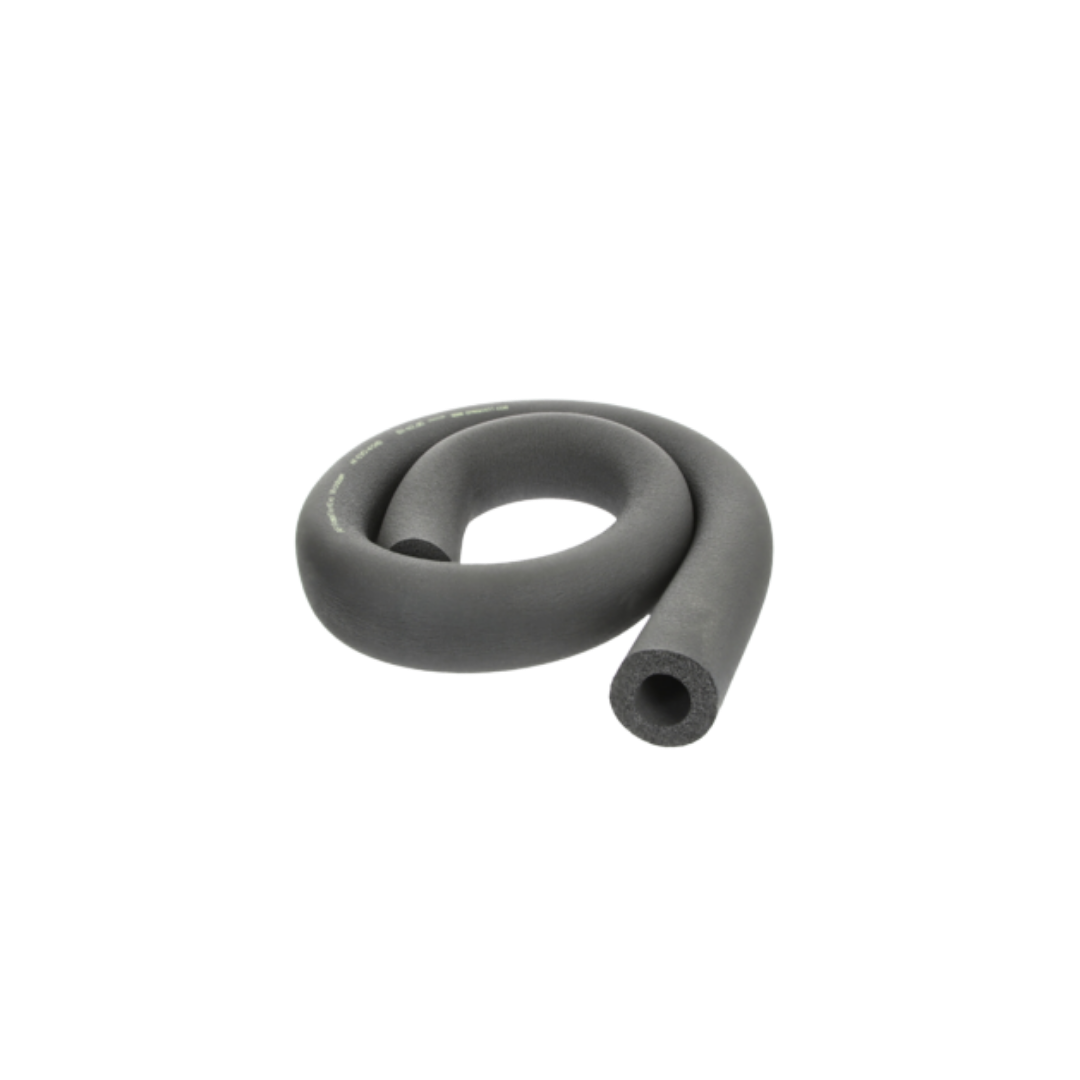
Armacell ArmaFlex Evo – High-quality insulation 20.5 mm for 40 mm pipe (2 m)
Item no. 401401EAN 8721082877589
Price excl. VAT€ 18,97Price incl. VAT€ 22,95
In stock
Added
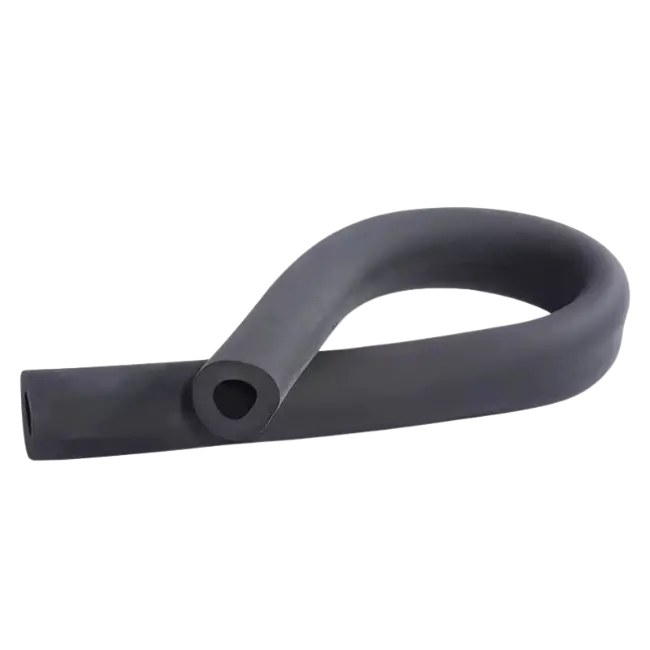
XH 184302 - Insulation 20 mm for 40 mm pipe (2 m)
Item no. 184302EAN 8721225900204
Price excl. VAT€ 13,22Price incl. VAT€ 16,00
In stock
Added
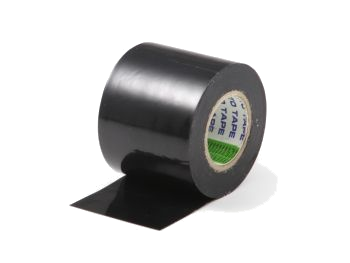
Nitto 401307251 - PVC Electrical Insulation Tape 50 mm
Item no. 247251EAN 5411512200720
Price excl. VAT€ 4,09Price incl. VAT€ 4,95
In stock
Added
Selecting pipe insulation
Pipe insulation is applied to protect pipework more effectively against heat loss, condensation, temperature differences and unnecessary energy loss. In heating systems, insulation helps keep heat inside the pipe route for longer. With cold or varying pipe temperatures, insulation can help reduce condensation on the outside of the pipe.
The right choice depends on pipe diameter, insulation thickness, inner diameter, temperature range, material type and mounting environment. For the broader pipe category, also review pipes for technical installations. For dimensionally stable pipe routes, copper pipe may be relevant. For flexible pipe routes, multilayer pipe is a suitable category.
Important when choosing pipe insulation
- Check the outer diameter of the pipe and choose a matching inner diameter
- Match insulation thickness to temperature, environment and application
- Check suitability for heating pipes, sanitary pipes or technical installations
- Use insulation material that fits closely without open seams or gaps
- Check bends, fittings, valves and penetrations for neat finishing
- Use insulation tape or suitable finishing where seams need additional closing
- Allow for access for service, inspection and future replacement
Reducing heat loss and preventing condensation
A key advantage of pipe insulation is that it reduces heat loss in pipework. This is especially relevant for heating pipes, hot water pipes, technical rooms, unheated zones and longer pipe runs. By insulating pipes properly, more heat remains available within the system and unnecessary energy loss is reduced.
Pipe insulation can also be used to reduce condensation. When pipes run through rooms with temperature differences, moisture may condense on the outside of the pipe. With suitable insulation, the temperature difference at the surface is better controlled, reducing the risk of dripping, damp spots or damage to surrounding finishes.
For installers, neat installation is important. The insulation must fit closely around the pipe, without gaps at bends, fittings and penetrations. Additional insulation tape may be required at interruptions or seams. Always check whether the insulation matches pipe diameter, installation temperature, room conditions, fire safety requirements and technical application.
Frequently asked questions about pipe insulation
What is pipe insulation used for?
Pipe insulation is used to reduce heat loss, condensation and energy loss around pipework. It is applied to heating pipes, sanitary pipes and technical installations.
Which pipe insulation size do I need?
The correct size depends on the outer diameter of the pipe and the required insulation thickness. Always check whether the inner diameter of the insulation fits the pipe properly.
Why is pipe insulation important for heating pipes?
For heating pipes, pipe insulation helps reduce heat loss. This keeps more heat available within the system and reduces unnecessary energy loss through pipework.
Can pipe insulation reduce condensation?
Yes, suitable pipe insulation can reduce condensation by limiting temperature differences at the pipe surface. This is especially important for cold pipes or pipes in unheated spaces.
What should an installer check during installation?
Check pipe diameter, insulation thickness, closed seams, bends, fittings, penetrations, temperature range, material suitability and access for maintenance or inspection.