Filters
 Loading…
Air separator and air vent
An air separator and air vent are used to remove air from water-based heating systems. Air in a central heating installation, heat pump system, underfloor heating system or buffer tank setup can cause flow noise, reduced heat output, faults, corrosion and less stable operation of pumps and control components.
When choosing an air separator or air vent, connection size, installation position, system pressure, temperature rating, water flow, maintenance access and system compatibility are important. Hewa supplies air separators and air vents for installers, business customers and private applications where reliable venting, system protection and service-friendly installation are essential.
Brands


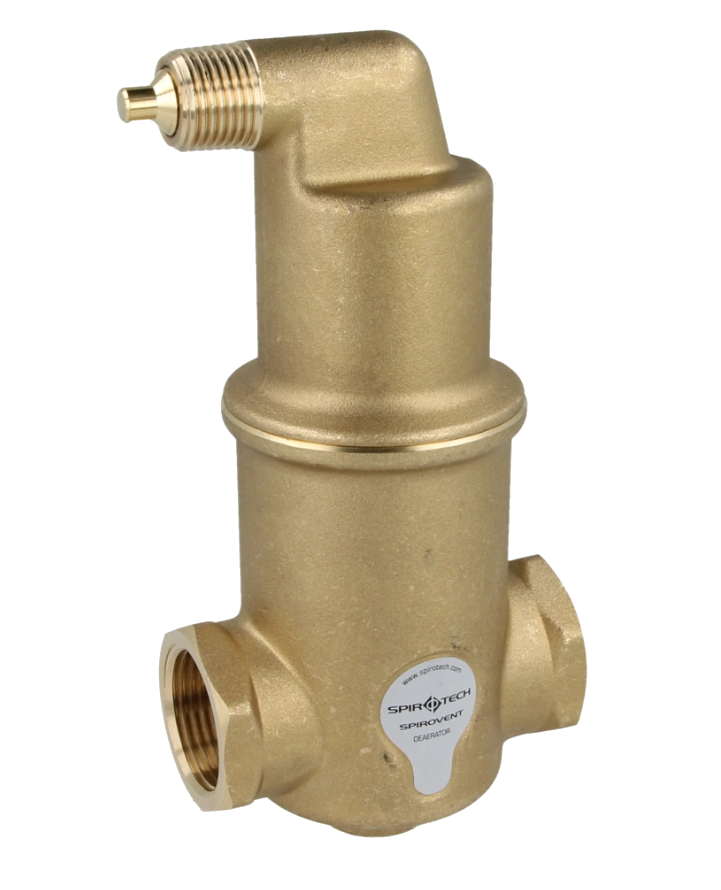
Spirotech SpiroVent AA100 - Microbubble air eliminator 1" female thread
Item no. 280100EAN 8717811000175
Price excl. VAT€ 107,40Price incl. VAT€ 129,95
Low stock
Added
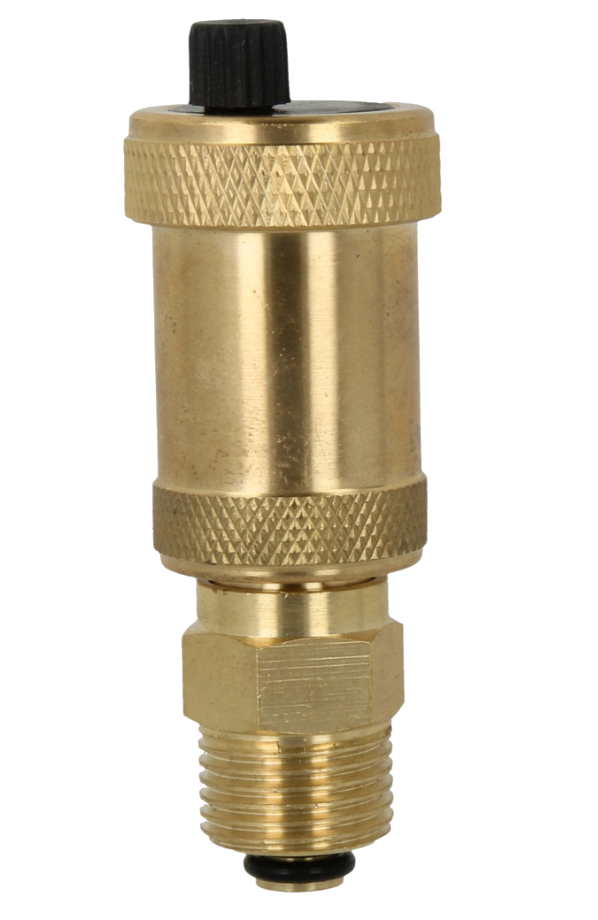
OEG 512234155 - Automatic air vent with service valve G 1/2" M
Item no. 344155EAN 47241294483721
Price excl. VAT€ 7,40Price incl. VAT€ 8,95
In stock
Added
Choosing an air separator or air vent
An air separator or air vent helps remove air from a heating installation. Air in the system can cause bubbling pipework, flow noise, reduced heat output, pump cavitation and unnecessary faults. Especially in central heating systems, heat pumps, underfloor heating and installations with buffer tanks, proper air removal is important for stable operation.
When selecting a component, connection size, installation position, system pressure, temperature rating, water flow and maintenance access are important. For additional solutions, also view particle and dirt separators for system protection, circulation pumps for reliable flow and pressure relief valves for pressure protection.
Important for air separators and air vents
- Choose the correct connection size and technical version for the installation
- Check system pressure, temperature rating and material suitability
- Install air vents at logical high points or according to the system diagram
- Use air separators where air needs to be continuously removed from system water
- Pay attention to maintenance access, service position and possible shut-off options
- Combine venting with dirt separation and correct system filling where required
Why remove air from a heating system?
Air in a water-based heating system can disturb heat transfer. When air bubbles collect in pipework, radiators, manifolds or heat exchangers, system circulation can deteriorate. This may cause noise, cold zones, reduced capacity and extra load on the circulation pump.
An automatic air vent is often used at points where air collects, such as high points in the installation or near manifolds. An air separator is used to remove microbubbles from flowing water. This helps create a quieter, more efficient and more reliable system.
The correct choice depends on installation type, placement, water flow, system pressure and desired service convenience. For heat pumps and modern central heating installations, a good combination of air removal and dirt separation is strongly recommended.
Frequently asked questions about air separators and air vents
What does an air separator do?
An air separator removes air and microbubbles from heating water while the system is operating. This helps reduce flow noise, air accumulation and reduced heat transfer.
What does an automatic air vent do?
An automatic air vent releases accumulated air at points where air collects. This prevents the need to manually remove air from that position in the system.
What is the difference between an air separator and an air vent?
An air vent releases air that collects at a specific point. An air separator removes air and microbubbles from flowing system water and is therefore often installed at a strategic point in the heating system.
Why is air removal important with a heat pump?
With a heat pump, stable water circulation is important for efficiency and operational reliability. Air in the system can disturb water flow, heat transfer and pump operation. Proper air removal helps reduce these issues.
What should an installer check during installation?
An installer should check connection size, placement, flow direction, system pressure, temperature, maintenance access, shut-off options and combination with dirt separators or other fittings.