Filters
 Loading…
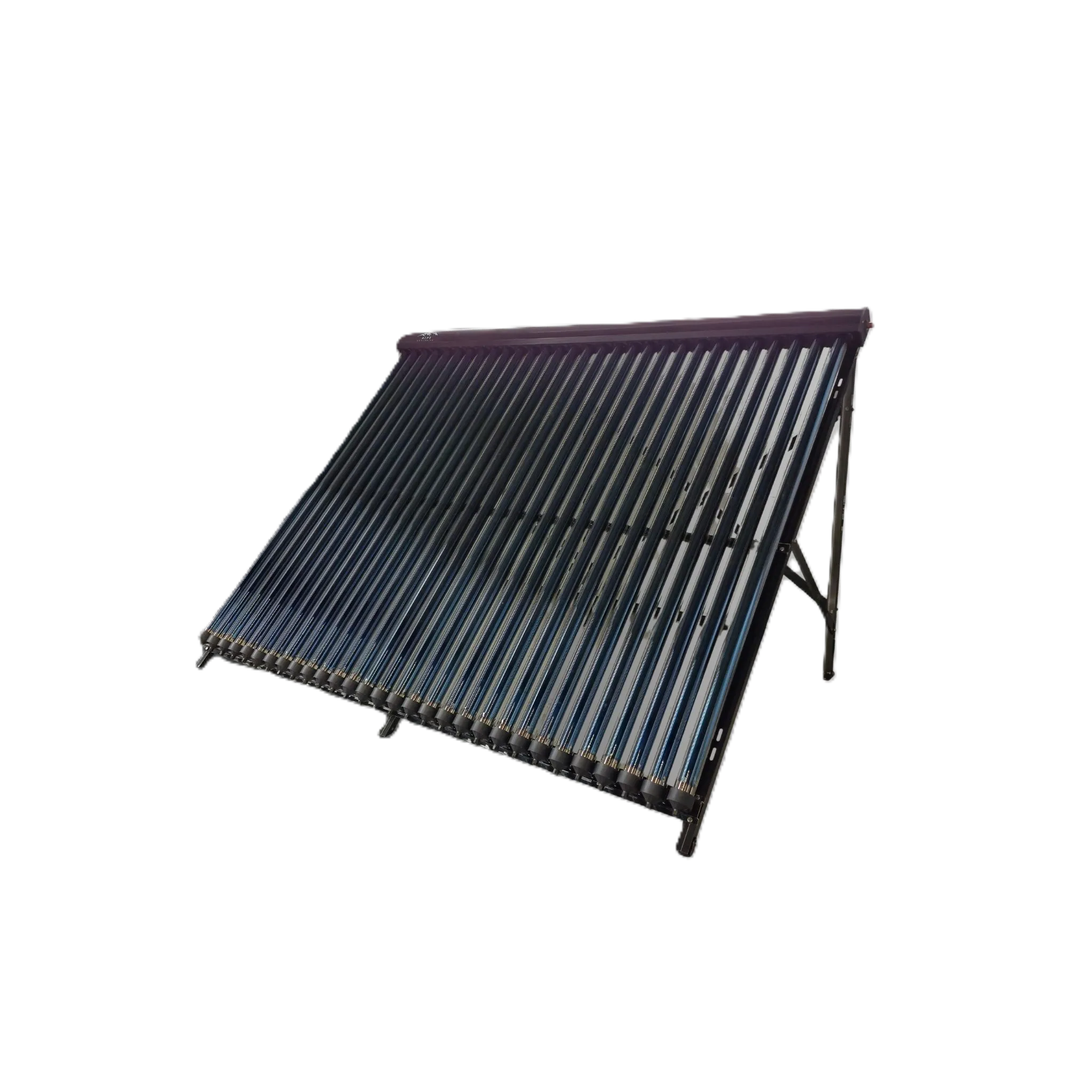
Solar collector
A solar collector is used to convert sunlight into usable heat for a solar thermal system. The generated heat is transferred via solar fluid to a boiler, buffer tank or another suitable storage tank.
At Hewa, you will find solar collectors for solar boiler systems, domestic hot water preparation and sustainable heating installations. When selecting the right collector, check collector size, output, roof orientation, mounting angle, pipe length, solar fluid, pump group and the technical layout of the complete system.
Brands

Selecting a solar collector
A solar collector is the component of a solar thermal system that converts sunlight into heat. This heat is absorbed by solar fluid and then transferred to a boiler, buffer tank or another suitable storage tank. The collector largely determines how much heat the system can deliver under favourable weather conditions.
The correct choice depends on collector surface, roof orientation, pitch angle, available mounting space, pipe length, required domestic hot water output and the technical layout of the solar boiler system. For the complete system setup, also review solar boiler sets and solar boiler accessories.
Important when choosing solar collectors
- Check collector size, collector type and expected heat output range
- Match the number of collectors to tank volume, hot water demand and system design
- Check roof orientation, pitch angle, shading and available mounting space
- Check pipe length, pipe insulation, solar fluid and temperature load
- Combine the collector with a suitable pump group, differential controller and sensors
- Allow for expansion provision, venting, pressure relief and non-return protection
- Have roof installation, connection and commissioning carried out by a qualified installer
Collector position, output and system matching
The output of a solar collector is influenced by solar radiation, roof direction, mounting angle, pipe losses and storage tank temperature. A technically well-positioned collector that is correctly connected to the solar control system provides more stable heat transfer and helps prevent unnecessary standstill or overheating.
For installers, the combination with the storage tank is especially important. The tank must have sufficient volume and heat exchanger surface to absorb the generated heat. Sensor placement, differential controller settings, solar fluid quality and pipe insulation also determine the final performance of the system.
Frequently asked questions about solar collectors
What is a solar collector used for?
A solar collector is used to convert sunlight into heat. This heat is transferred via solar fluid to a boiler, buffer tank or another storage tank for domestic hot water preparation or system support.
How many solar collectors do I need?
This depends on hot water demand, tank volume, collector surface, roof orientation, system layout and required solar contribution. Sizing should always be assessed based on the complete system.
Where should a solar collector be installed?
A solar collector is usually installed on a roof or suitable support structure. Important factors include sufficient solar exposure, limited shading, correct pitch angle, secure mounting and short, well-insulated pipe routes.
Which components are used with a solar collector?
In addition to the collector, solar pipework, solar fluid, pump group, differential controller, sensors, expansion vessel, venting, pressure relief and a suitable storage tank are usually required.
What should an installer check during installation?
Check roof structure, fixing method, pipe diameter, insulation, solar fluid, sensor placement, expansion provision, safety protection, pump group, control setup and the technical documentation of the collector and storage tank.