Filters
 Loading…
Power cables
Power cables are used to safely connect, supply and extend electrical installations in homes, technical rooms, workshops and commercial projects.
The correct cable choice depends on conductor cross-section, number of cores, sheath type, application, load, mounting method and installation requirements. Additional components can also be found in the elektra category.
Brands

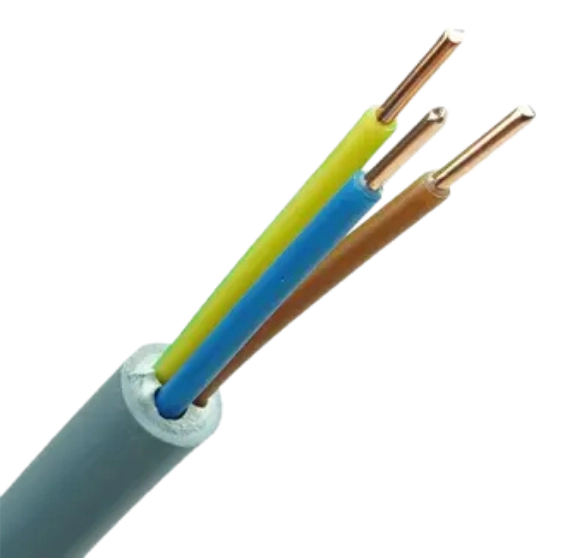
EMAT YMvK Cable - 401169442 (3×2.5 mm²)
Item no. 154032EAN 8785278176566
Price excl. VAT€ 2,20Price incl. VAT€ 2,41
On backorder
Added
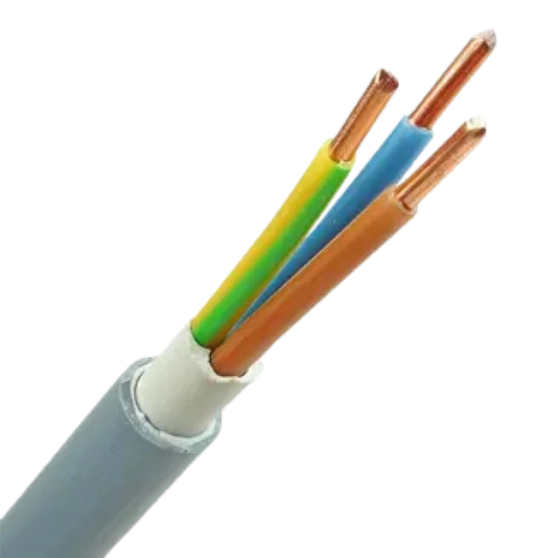
401169527 - EMAT - YMvK Cable (3×4 mm²)
Item no. 154034EAN 8785278176573
Price excl. VAT€ 3,10Price incl. VAT€ 3,75
On backorder
Added
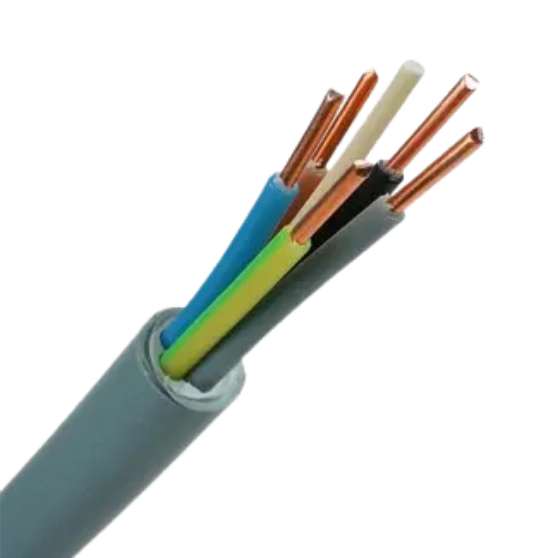
401169451 - EMAT - YMvK kabel (5x2,5 mm2)
Item no. 154052EAN 8785278176672
Price excl. VAT€ 3,20Price incl. VAT€ 3,87
On backorder
Added
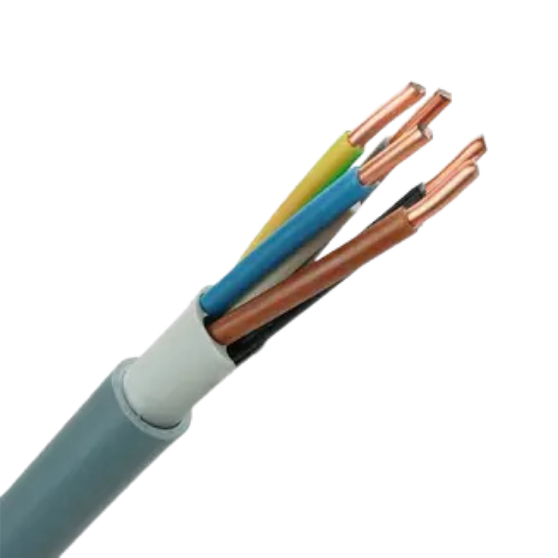
401169476 - EMAT - YMvK cable (5×4 mm²)
Item no. 154054EAN 8785278176689
Price excl. VAT€ 4,40Price incl. VAT€ 4,79
On backorder
Added
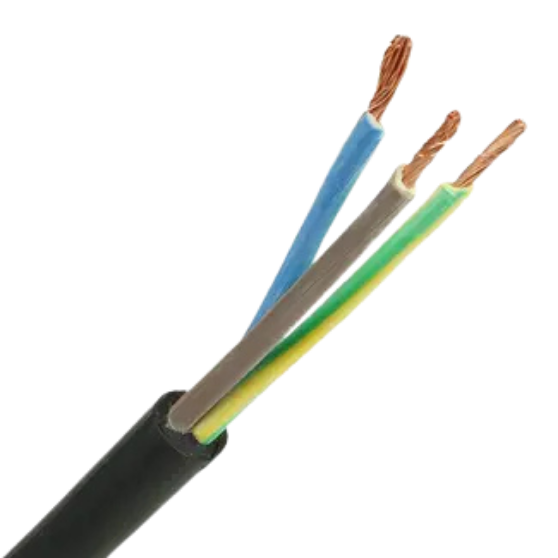
401168576 - EMAT - Neoprene Cable H07RNF (3x1,5 mm2)
Item no. 154031EAN 8785278179338
Price excl. VAT€ 2,00Price incl. VAT€ 2,42
On backorder
Added
Power cables for safe electrical installations
Power cables form the basis of a reliable electrical connection. In technical installations they are used for supply lines, switching, fixed mounting, temporary connections and safely connecting components in homes, workshops, commercial buildings and technical rooms.
The correct cable choice depends on application, conductor cross-section, number of cores, sheath type, environment, load and mounting method. For installers, it is important that power cables match the electrical requirements of the project and are correctly combined with connection materials, protection devices and switching components.
YMvK cable for fixed installations
YMvK cable is commonly used in fixed electrical installations where a strong sheath, clear core structure and reliable power supply are required. The correct version is selected based on number of cores, cross-section and system load.
Flexible cable for technical applications
Where flexibility, movement or vibration resistance is important, a flexible power cable or neoprene cable may be suitable. Pay attention to sheath quality, bending radius, conductor size and application.
For installers and service technicians
Power cables are used in new-build, renovation, service, maintenance and the connection of technical systems. Correct cable selection helps prevent voltage drop, overload and unnecessary faults.
Important points when choosing power cables
- Check the number of cores and conductor cross-section, for example 3x1.5 mm², 3x2.5 mm², 3x4 mm² or 5-core versions.
- Match the cable to the expected load, protection device, cable length and voltage drop.
- Pay attention to sheath type, mounting environment, moisture exposure, mechanical load and temperature influences.
- Use suitable junction boxes, cable glands, isolator switches and safety plugs for a safe connection.
- Have electrical connections installed and checked according to applicable standards by a skilled technician.
Applications for power cables in installation work
Power cables are used for fixed supply lines, technical equipment, control cabinets, heat pumps, air conditioning systems, workshop installations and general electrical work. In a complete electrical installation, junction boxes, isolator switches and safety plugs also play an important role.
For broader installation materials, power cables can be combined with products from installation material. For electrical preparation around heating or climate systems, the main electrical category is also relevant.
Residential construction and renovation
Suitable for extending, replacing or preparing electrical connections in homes, technical rooms and renovation projects.
Workshops and business projects
Practical for supply lines, machines, technical systems and project-based mounting where cable selection and load capacity must be properly matched.
Service and maintenance
Useful for repairs, replacing existing cables, extending systems and safely connecting components during service work.
Technical points for mounting and connection
With power cables, correct stripping length, strain relief, core assignment, earthing, circuit protection, cable routing and protection against mechanical load are important. Incorrect cable sizing or improper connection can cause heat build-up, voltage drop, faults or unsafe situations.
Always check whether the cable is suitable for the application and environment. Take installation instructions, applicable standards, electrical load and the connected components into account. Electrical work must be carried out by a skilled technician.
Frequently asked questions about power cables
What are power cables used for?
Power cables are used to supply, connect and extend electrical installations. They are used in homes, technical rooms, workshops, commercial buildings and heating or climate control systems.
Which power cable do I need?
That depends on the application, load, cable length, number of cores, conductor cross-section, mounting environment and electrical protection of the installation.
What is the difference between YMvK cable and neoprene cable?
YMvK cable is often used for fixed installations. Neoprene cable is more flexible and may be suitable where movement, flexibility or more demanding use conditions are involved.
Does a power cable always need a junction box or isolator switch?
That depends on the installation. Many technical connections require suitable junction boxes, cable glands, isolator switches or safety plugs for a safe and service-friendly connection.
Can I connect power cables myself?
Electrical work must be carried out safely and according to applicable regulations. Connection, inspection and modification of fixed installations should be performed by a skilled technician.
Need power cables for your installation?
Are you looking for power cables for fixed mounting, service work, technical installations or project-based use? Contact Hewa for advice on cable type, cross-section, application and matching electrical components.