Filters
 Loading…
Hygiene boilers
Hygiene boilers are used for domestic hot water preparation via a hygienic flow-through principle. The tank contains heating water, while domestic water flows through a stainless steel coil and is only heated during use.
At Hewa, you will find hygiene boilers for heat pumps, heating systems, solar thermal systems and combined heating setups. When selecting the right unit, check volume, heat exchangers, domestic water coil, connections, insulation, capacity, hot water demand and the hydraulic system layout.
Brands


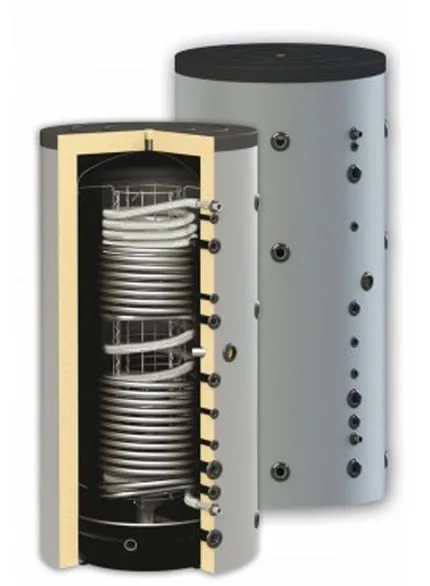
BURNiT HYG BR2 - Sanitary water heater with 2 heat exchangers (500L)
Item no. 124240
Price excl. VAT€ 1.528,09Price incl. VAT€ 1.848,99
In stock
Added
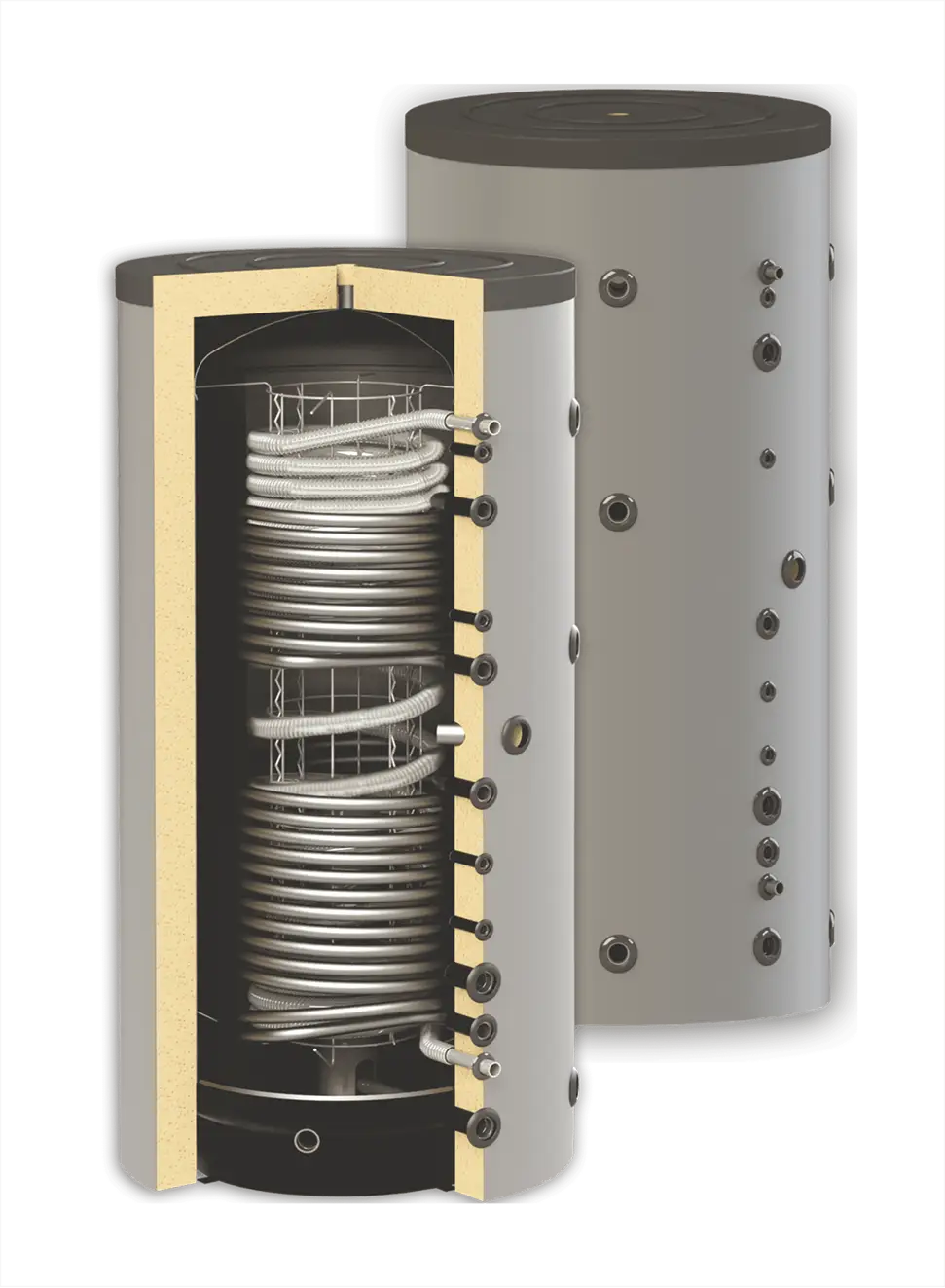
BURNiT HYG BR2 - Hygiene Boiler with 2 Heat Exchangers (1000L)
Item no. 124102EAN 8721225900297
Price excl. VAT€ 2.107,40Price incl. VAT€ 2.549,95
Low stock
Added
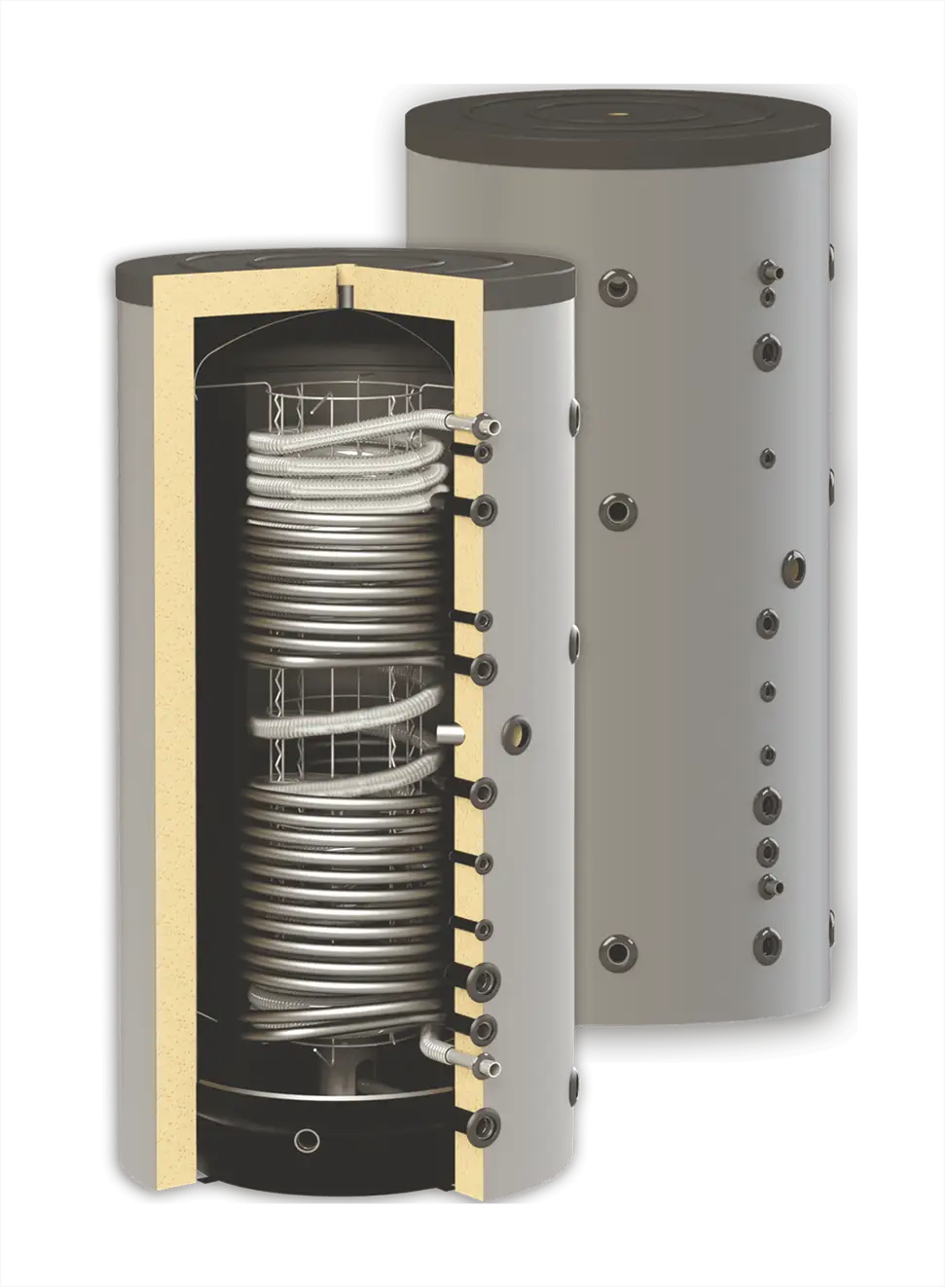
BURNiT HYG BR2 - Hygiene Boiler with 2 Heat Exchangers (1500L)
Item no. 124215EAN 8721225900303
Price excl. VAT€ 2.933,84Price incl. VAT€ 3.549,95
Low stock
Added
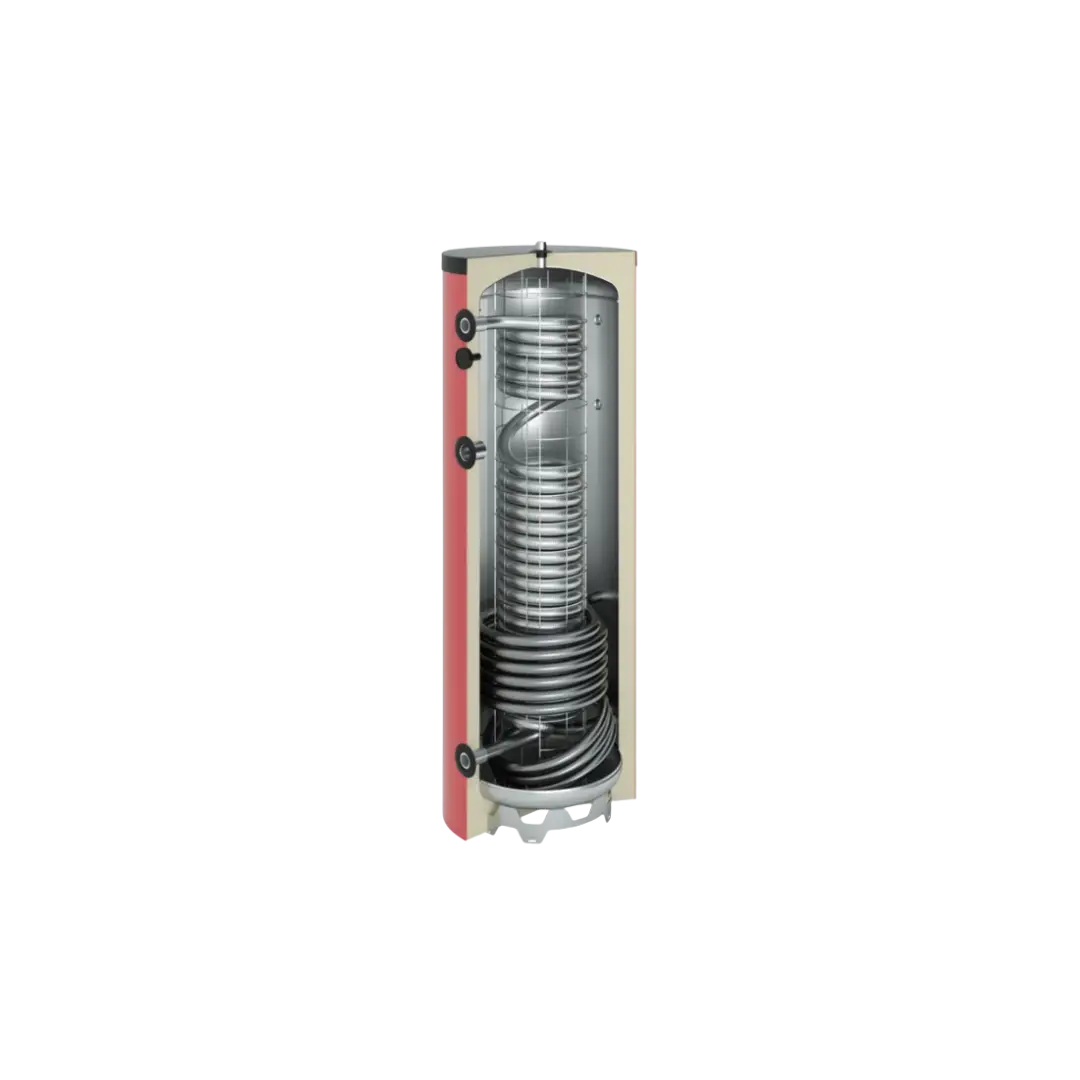
OEG 516008265 - Pure+ Hygiene Boiler with 1 Heat Exchanger (200L)
Item no. 344201EAN 516008265
€ 1.875,00Price excl. VAT€ 1.400,83Price incl. VAT€ 1.695,00
On backorder
Added
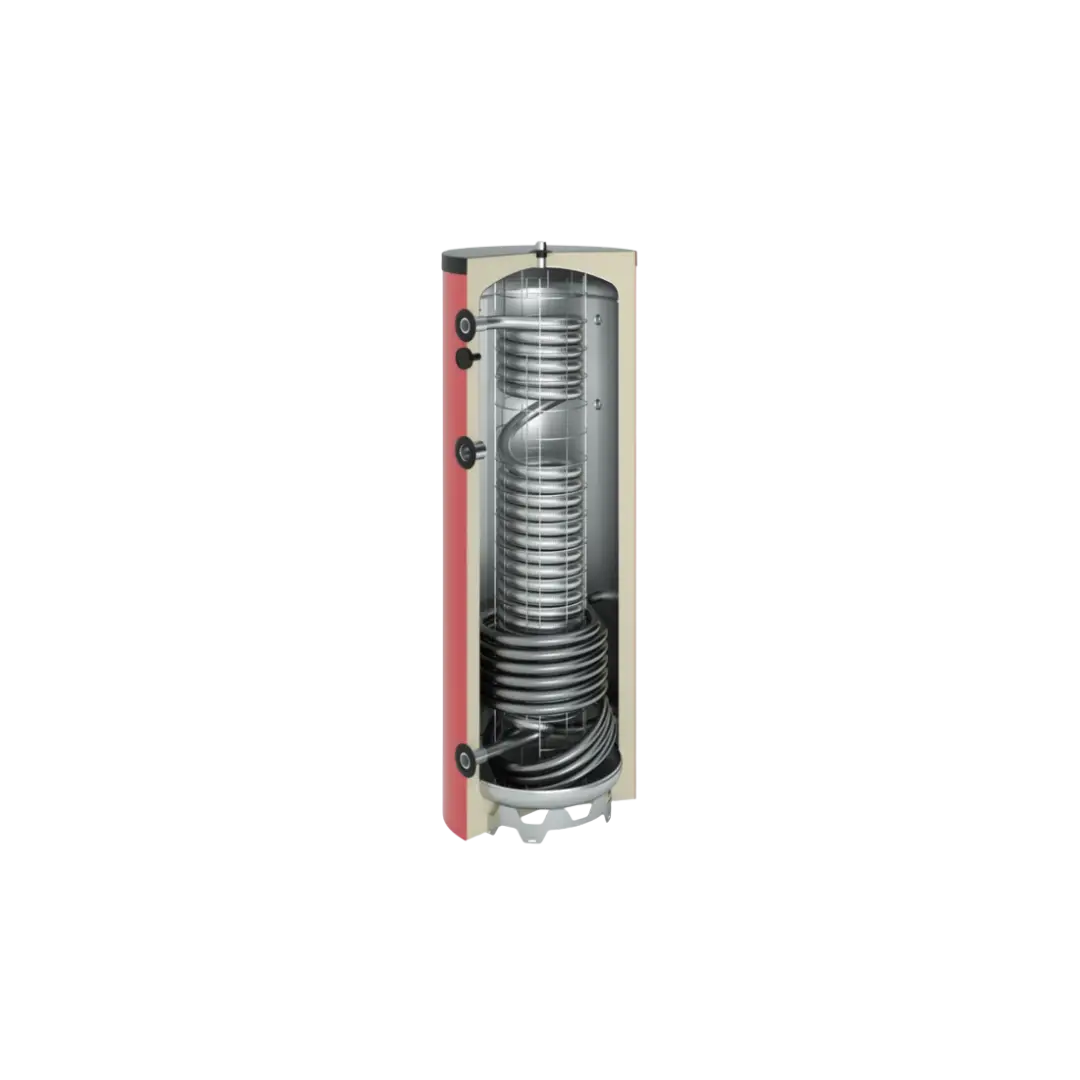
OEG 516008269 - Pure+ Hygiene Boiler with 1 Heat Exchanger (300L)
Item no. 344301EAN 516008269
€ 2.249,00Price excl. VAT€ 1.700,00Price incl. VAT€ 2.057,00
On backorder
Added
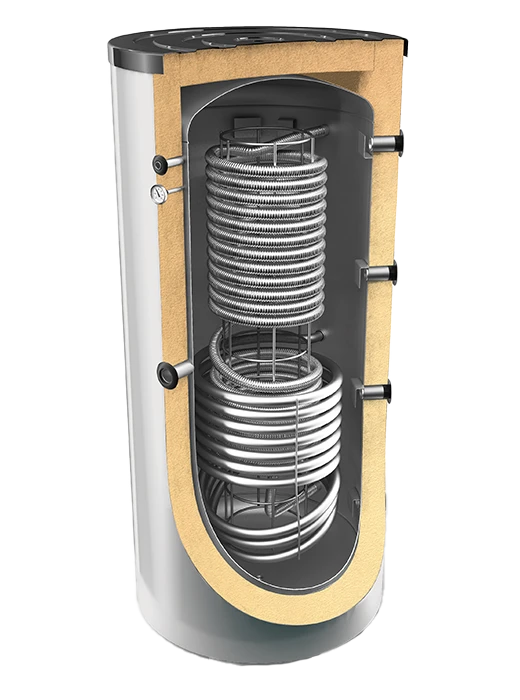
Tesy V11S50075HYG5.0C - Hygienic Cylinder with 1 Heat Exchanger & Stainless Steel Coil (500 L)
Item no. 031151EAN 5940000008802
Price excl. VAT€ 1.445,45Price incl. VAT€ 1.749,00
On backorder
Added
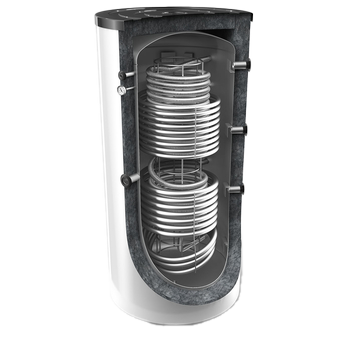
Tesy V10/9S2100099HYG5.5HE - Hygienic Cylinder with Dual Heat Exchangers (1000L)
Item no. 031012EAN 5940000035358
Price excl. VAT€ 2.090,87Price incl. VAT€ 2.529,95
Low stock
Added
Hygiene boilers for domestic hot water via flow-through principle
Hygiene boilers combine heat storage with hygienic domestic hot water preparation. The tank is filled with heating water, while domestic water flows through a stainless steel coil and is heated only when there is demand. This means domestic hot water is not stored long-term as a large volume inside the tank.
Selecting a hygiene boiler
The right hygiene boiler depends on domestic hot water demand, volume, heat source, heat exchanger capacity, domestic water coil, available space and required system layout. With heat pumps, sufficient heat transfer is important, while in solar thermal systems and solid fuel installations the combination with additional heat exchangers can be decisive.
Within this category, also review steel hygiene boilers, hygiene boiler accessories and the broader category buffer tanks and boilers for additional storage and hot water solutions.
Important when choosing hygiene boilers
- Check tank volume and required domestic hot water capacity
- Check the stainless steel domestic water coil and available heat transfer surface
- Match heat exchangers to heat pump, boiler, solar thermal system or solid fuel boiler
- Check connections, sensor positions, insulation and available installation height
- Consider hot water comfort, flow rate, heat-up time and system temperature
- Check safety components, expansion provision and service space
- Have sizing and connection assessed by a qualified installer
Applications within hygiene boilers
Heat pump systems
For domestic hot water preparation via a heat pump, where sufficient heat transfer, correct volume and low temperature operation are important.
Solar thermal systems
For installations where solar collectors supply heat to the tank and domestic water is heated hygienically through a stainless steel coil.
Wood and pellet boilers
For systems with larger heat storage, where the hygiene boiler can buffer heat and prepare domestic hot water via flow-through operation.
Stainless steel coil, heat storage and hygiene
A hygiene boiler differs from a standard domestic hot water boiler because potable water is not stored as a large volume inside the tank. The domestic water flows through a stainless steel coil and is heated during draw-off by the warm heating water in the tank. This technology is useful for installations where hygiene, buffer capacity and domestic hot water comfort need to be combined.
Always check whether the hygiene boiler matches the heat source, pipework, control setup and required domestic hot water capacity. Insulation, standing loss, heat exchanger surface, sensor positions, safety fittings and service accessibility are also important for a reliable and maintenance-friendly installation.
Frequently asked questions about hygiene boilers
What is a hygiene boiler?
A hygiene boiler is a tank with heating water in which domestic water is heated through a stainless steel coil. The domestic water flows through the coil and is only brought up to temperature during use.
What is the difference compared with an indirect boiler?
In an indirect boiler, domestic hot water is usually stored inside the boiler. In a hygiene boiler, heating water is stored and domestic water flows through a separate stainless steel domestic water coil.
Is a hygiene boiler suitable for a heat pump?
Yes, provided the volume, heat exchanger surface, domestic water coil and system temperatures match the heat pump. With low temperature operation, sufficient heat transfer is especially important.
Why is a stainless steel domestic water coil used?
A stainless steel domestic water coil is used for separated and hygienic domestic hot water preparation. The domestic water flows through the coil and remains separated from the heating water in the tank.
What should an installer check during installation?
Check connection positions, heat exchangers, domestic water coil, sensor placement, safety components, expansion provision, pipe diameters, insulation, flow rate and the technical documentation of the tank and heat source.
Need a hygiene boiler for your installation?
Hewa supports installers, business customers and private buyers with hygiene boilers for hygienic domestic hot water preparation, heat storage and technical heating systems. Contact us for product selection, application advice or tailored delivery.