Filters
 Loading…
Combination boilers
A combination boiler is a 2-in-1 tank that combines a buffer tank and an indirect boiler. Both sections are thermally separated, allowing heating water and domestic hot water to retain their own function within one compact installation solution.
At Hewa, you will find combination boilers for heat pumps, heating systems, solar thermal systems and combined heating setups. When selecting the right version, check volume distribution, material, heat exchanger, connections, insulation, domestic hot water demand, buffer volume and the hydraulic system layout.
Brands

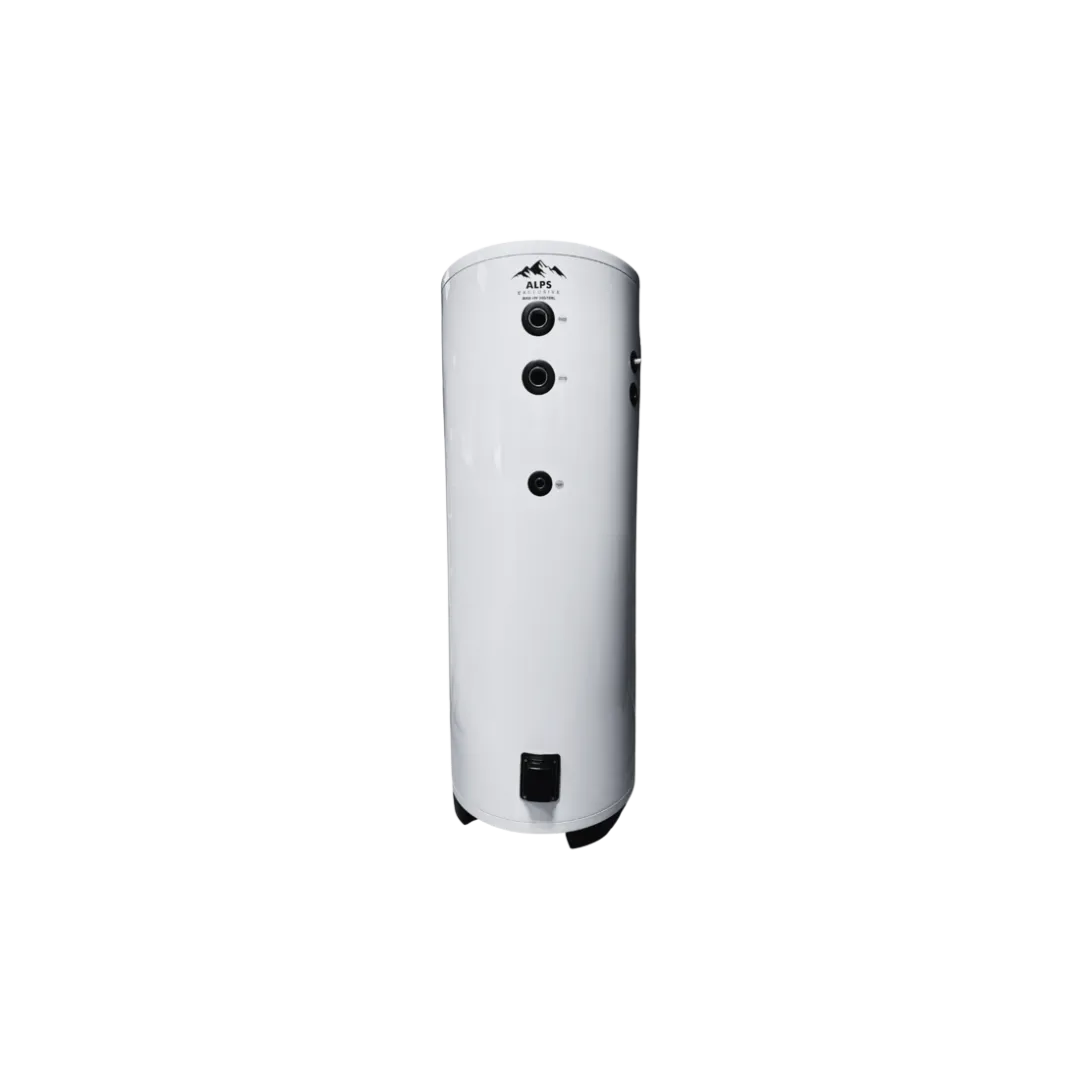
ALPS EXCLUSIVE WKB-HV-200/80L(V2) - Stainless steel combination boiler (200/80L)
Item no. 394228EAN 8721082877978
Price excl. VAT€ 1.486,78Price incl. VAT€ 1.799,00
In stock
Added
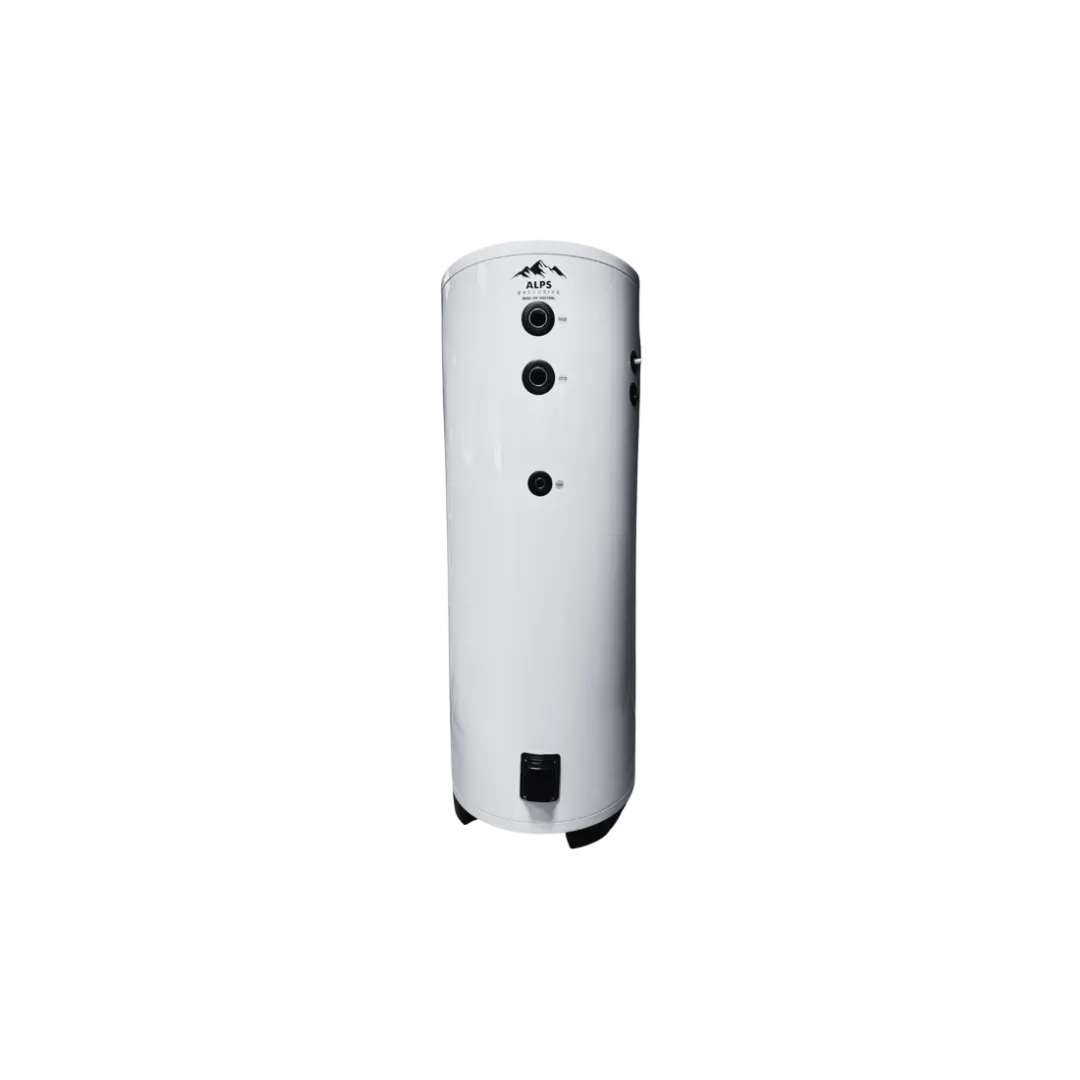
ALPS EXCLUSIVE WKB-HV-200/100L(V2) – Stainless steel combination boiler (200/100L)
Item no. 394221EAN 8721082877961
Price excl. VAT€ 1.569,42Price incl. VAT€ 1.899,00
In stock
Added
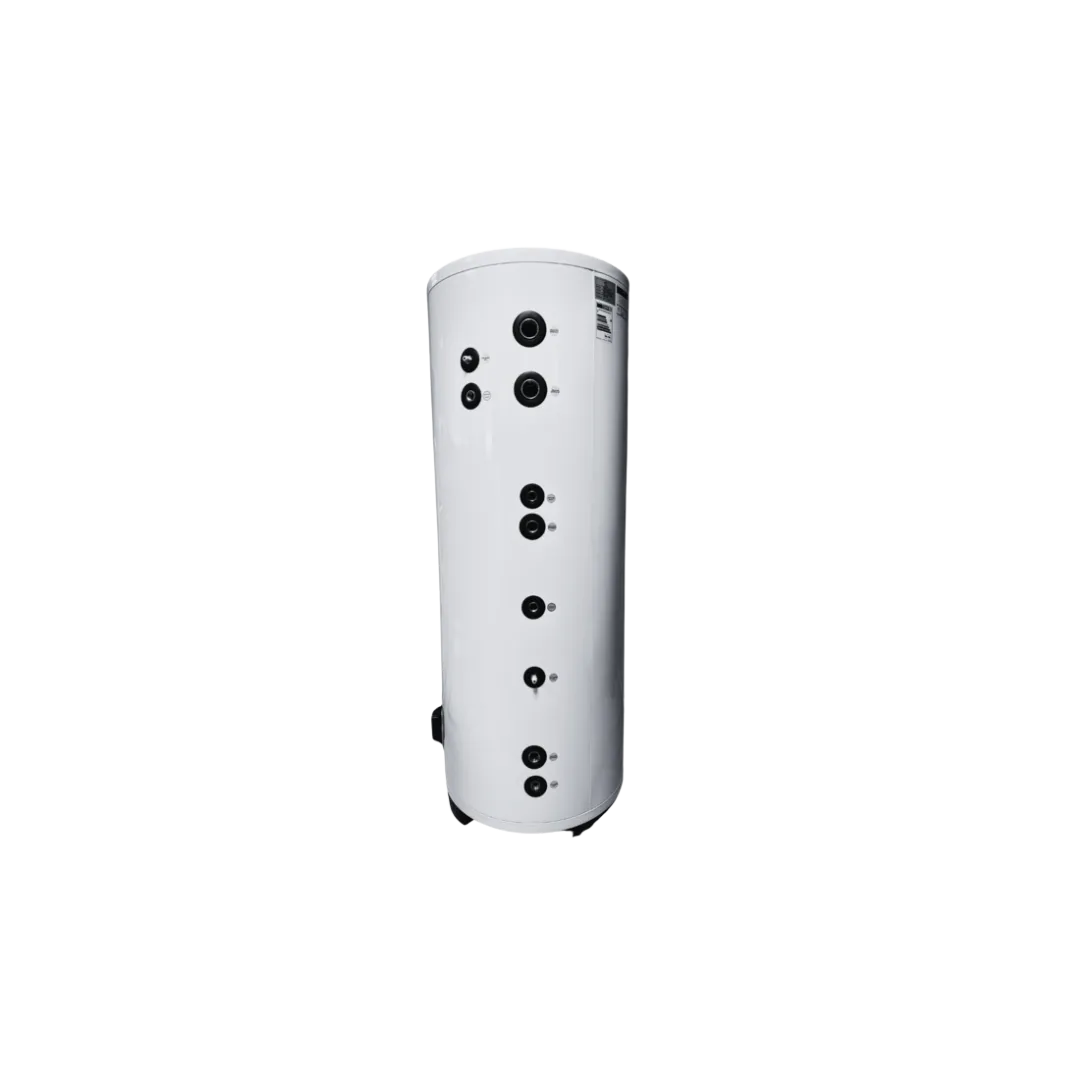
ALPS EXCLUSIVE WKB-HV-300/100L(V2) – Stainless Combination Tank (300/100L)
Item no. 394231EAN 8721082877954
Price excl. VAT€ 1.734,71Price incl. VAT€ 2.099,00
In stock
Added
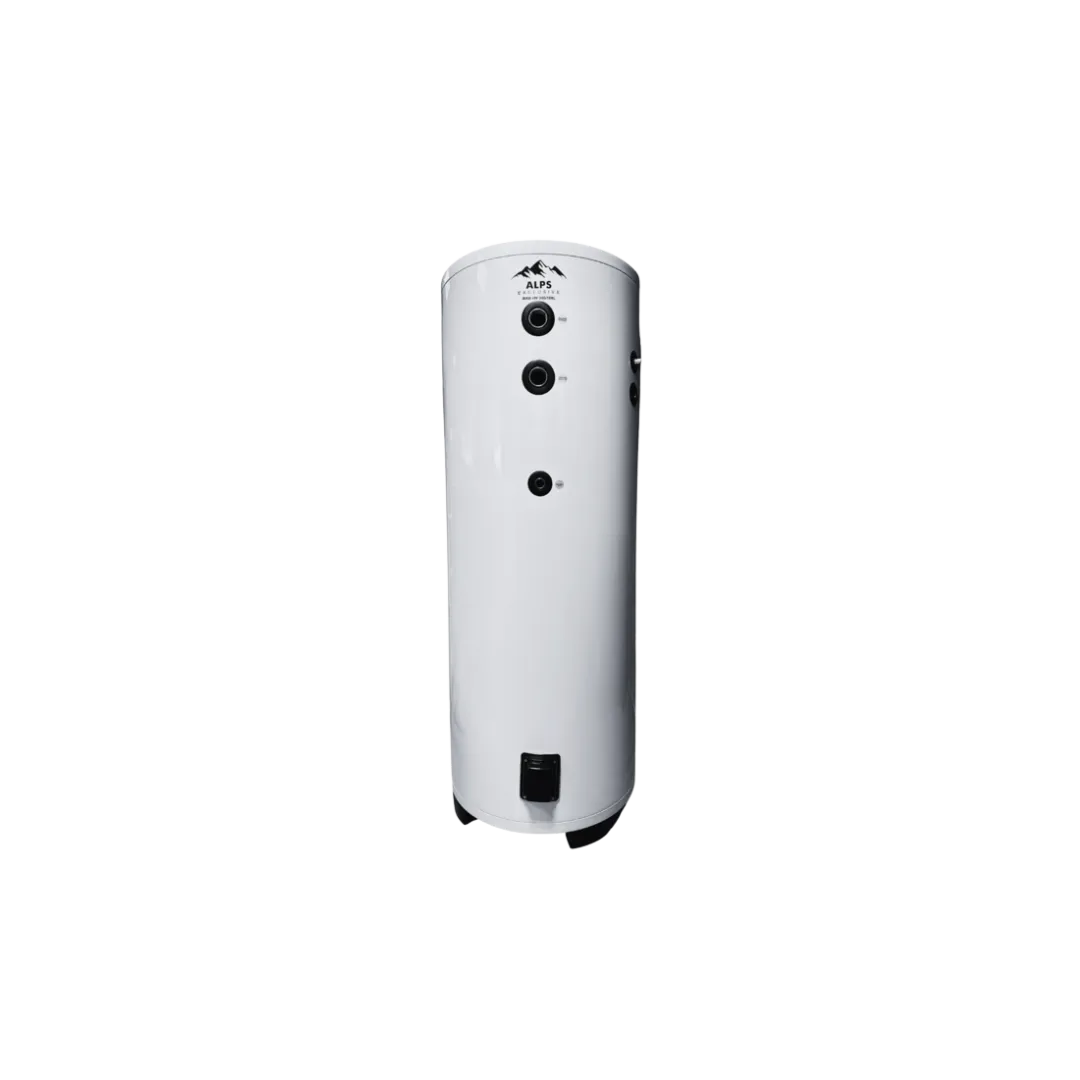
ALPS EXCLUSIVE WKB-HV-300/150L(V2) – Stainless Combination Tank (300/150L)
Item no. 394315EAN 8721082877947
Price excl. VAT€ 1.817,36Price incl. VAT€ 2.199,01
Low stock
Added
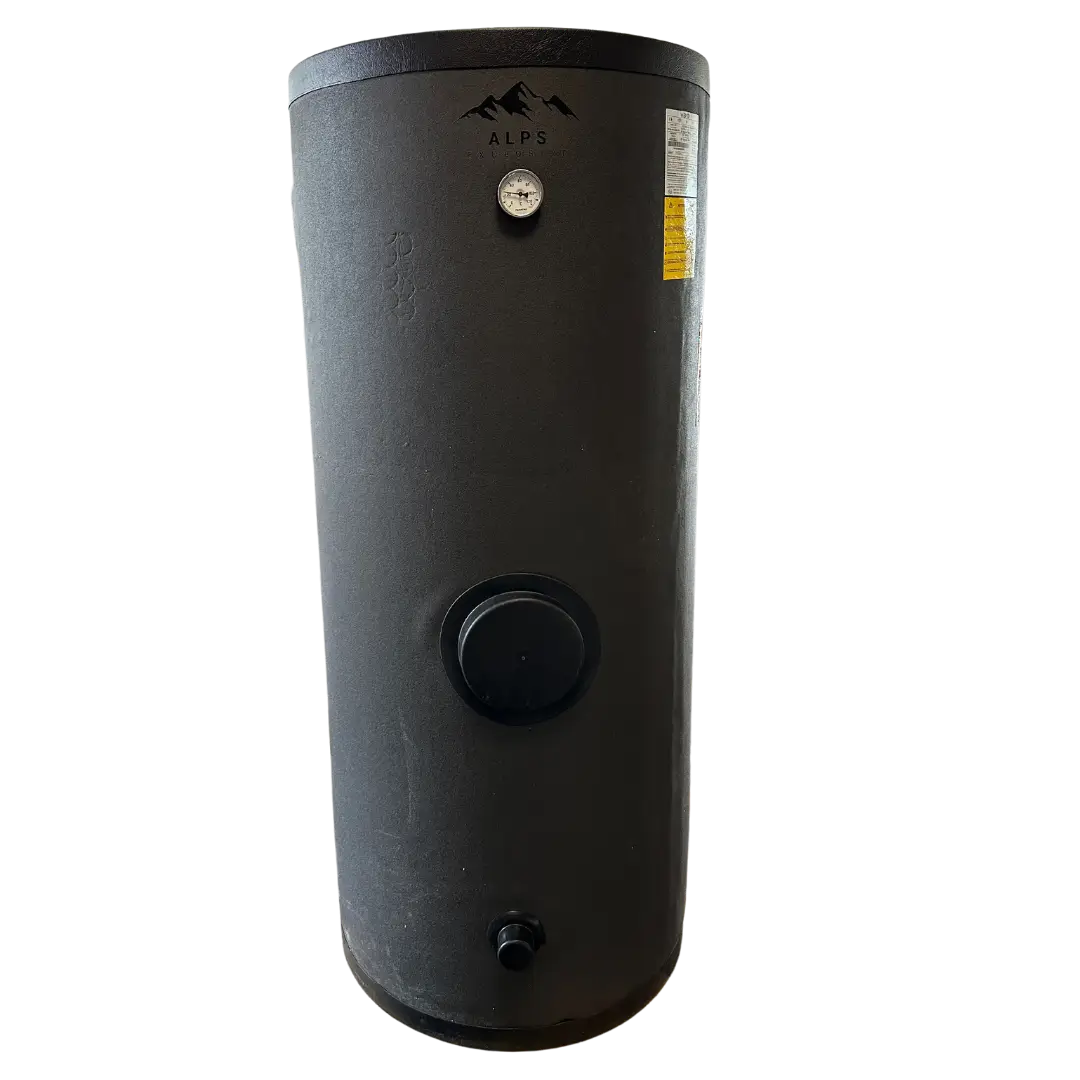
ALPS EXCLUSIVE WKB-HV-300/100L - Combi boiler (300/100L)
Item no. 394310EAN 8721082877435
Price excl. VAT€ 1.652,07Price incl. VAT€ 1.999,01
Low stock
Added
Combination boilers for buffering and domestic hot water in one tank
Combination boilers combine two functions in one technical tank: a buffer tank for heating water and an indirect boiler for domestic hot water. These sections are thermally separated, keeping the installation compact while heat storage and domestic hot water preparation each retain their own function.
Selecting a combination boiler
The right combination boiler depends on the required buffer capacity, domestic hot water demand, heat source, heat exchanger capacity and available installation space. With heat pumps, sufficient system volume is important for stable control behaviour, while the boiler section provides domestic hot water comfort through indirect heat transfer.
Within this category, also review steel combination boilers for heat pumps, stainless steel combination boilers for heat pumps and combination boiler accessories.
Important when choosing combination boilers
- Check the volume distribution between buffer tank and boiler section
- Match buffer volume to heat pump capacity, system volume and installation layout
- Match boiler volume to domestic hot water demand, draw-off points and usage profile
- Check heat exchanger capacity and suitability for the heat source
- Check thermal separation between heating water and domestic hot water
- Check connection sizes, sensor positions, insulation and available installation height
- Have sizing and connection assessed by a qualified installer
Applications within combination boilers
Heat pump systems
For installations where additional system volume and domestic hot water preparation need to be combined compactly. The buffer section supports smoother heat pump control.
Heating installations
For heating systems where heat storage and domestic hot water are combined in one unit, without both water circuits losing their own function.
Solar and hybrid systems
For combinations with solar thermal systems, heating support or heat pumps where multiple heat sources can contribute efficiently to heating and hot water.
Buffer tank and indirect boiler thermally separated
A combination boiler is not a standard boiler and not a separate buffer tank. It is a 2-in-1 solution where a buffer tank and an indirect boiler are integrated into one tank. Thanks to the thermal separation, heating water remains separated from domestic hot water, while the system requires less space than two separate tanks.
Always check whether the combination boiler matches the heat source, pipework, control setup, safety components and required domestic hot water comfort. Material selection, anode provision, insulation, standing loss, heat exchanger surface and service accessibility are also important for a reliable and maintenance-friendly installation.
Frequently asked questions about combination boilers
What is a combination boiler?
A combination boiler is a 2-in-1 tank that combines a buffer tank and an indirect boiler. Heating water and domestic hot water remain thermally separated.
What is the advantage of a combination boiler?
The main advantage is space saving. A combination boiler combines heat storage and domestic hot water preparation in one unit, while both functions remain technically separated.
Is a combination boiler suitable for a heat pump?
Yes, provided the buffer volume, boiler volume, heat exchanger capacity and connections are suitable for the heat pump. With low temperature operation, sufficient heat exchanger capacity is especially important.
What does thermally separated mean?
Thermally separated means that the buffer section for heating water and the boiler section for domestic hot water retain their own function. System water and domestic hot water are therefore not used as one shared circuit.
What should an installer check during installation?
Check volume distribution, connection positions, heat exchanger capacity, sensor placement, safety components, expansion provision, pipe diameters, insulation and the technical documentation of the tank and heat source.
Need a combination boiler for your installation?
Hewa supports installers, business customers and private buyers with combination boilers for compact heat storage and domestic hot water preparation. Contact us for product selection, application advice or tailored delivery.