Filters
 Loading…
Sealing products
Sealing materials are used to reliably seal threaded connections, fittings, valves and technical connections in heating systems, boilers, heat pumps and pipework. A proper seal helps prevent leakage and contributes to safe and stable system operation.
At Hewa, you will find sealing materials for installation, service work, maintenance and technical replacement. When selecting the correct product, check application, medium, temperature, pressure load, material compatibility and the type of connection that needs to be sealed.
Brands



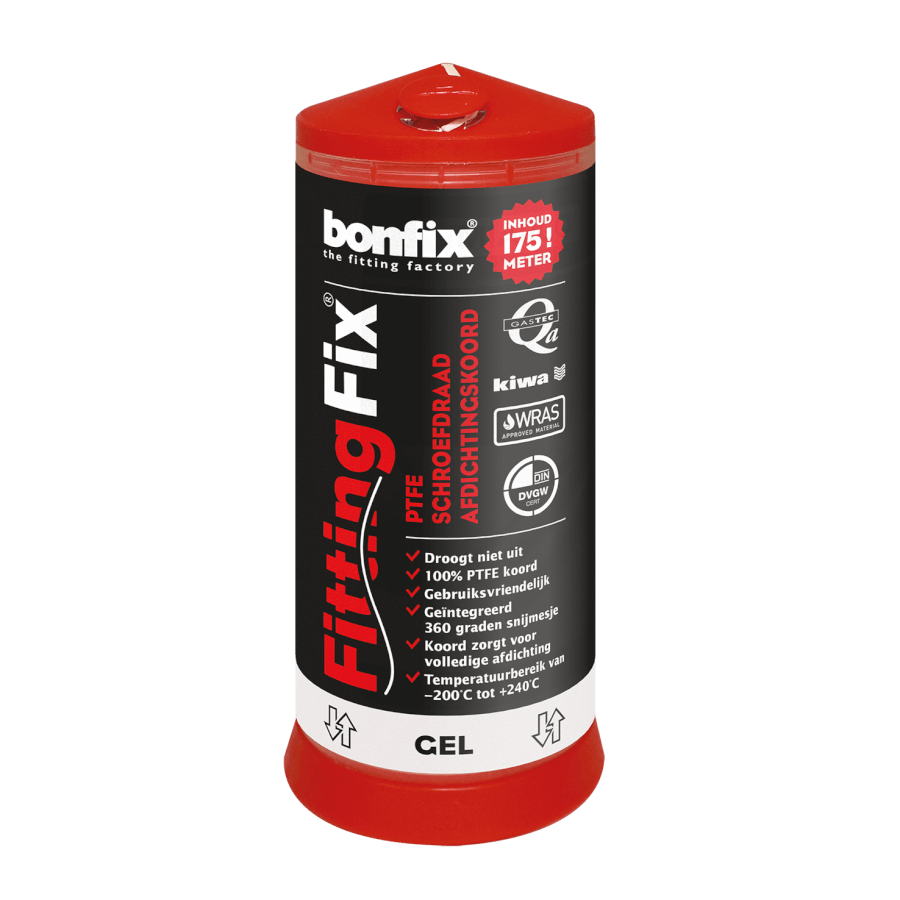
BONFIX 81701 - PTFE Sealing Cord FittingFix
Item no. 111701EAN 8717845817019
Price excl. VAT€ 25,60Price incl. VAT€ 30,98
In stock
Added
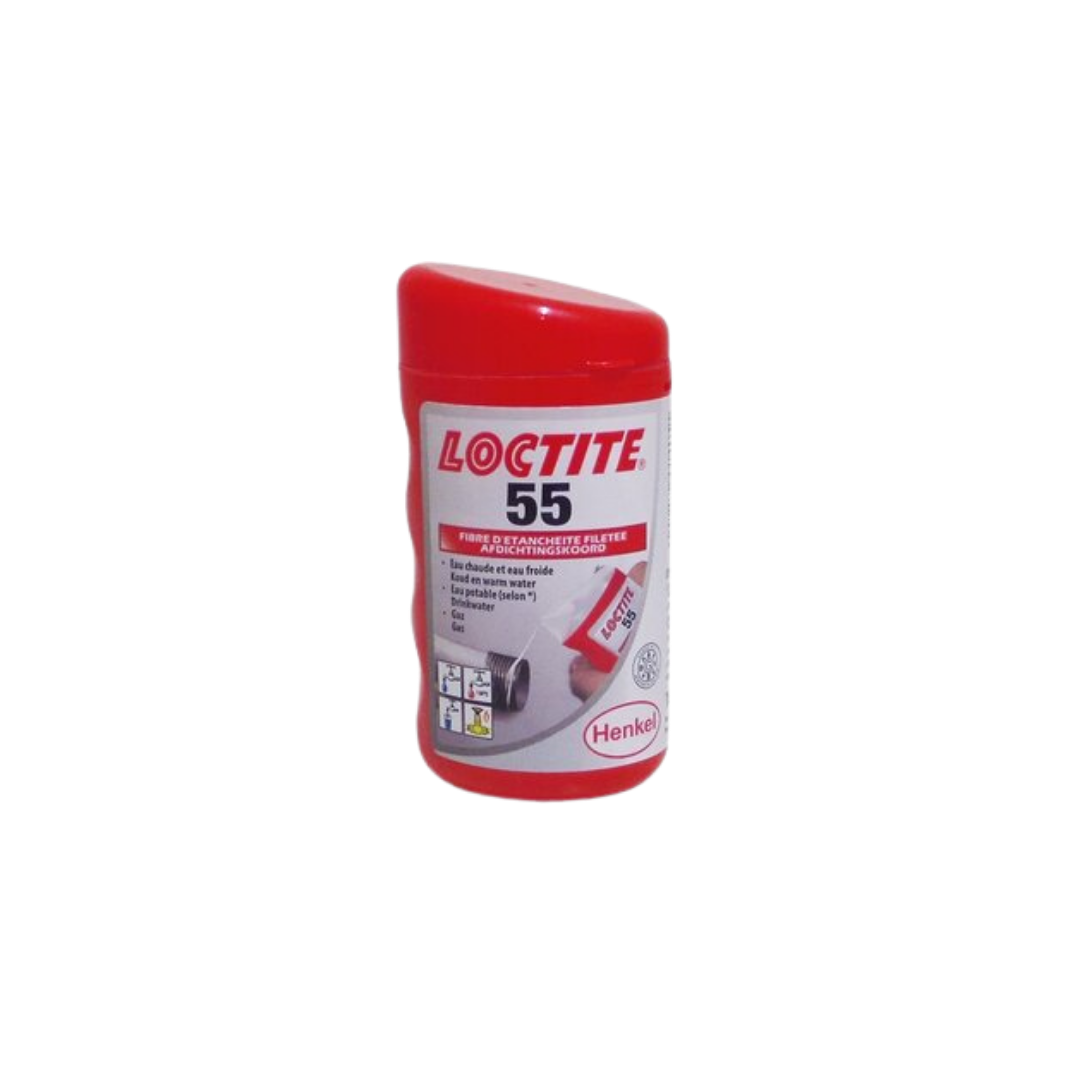
Henkel Loctite 55 - Thread sealing cord
Item no. 170055EAN 4002872013986
Price excl. VAT€ 20,00Price incl. VAT€ 24,20
In stock
Added
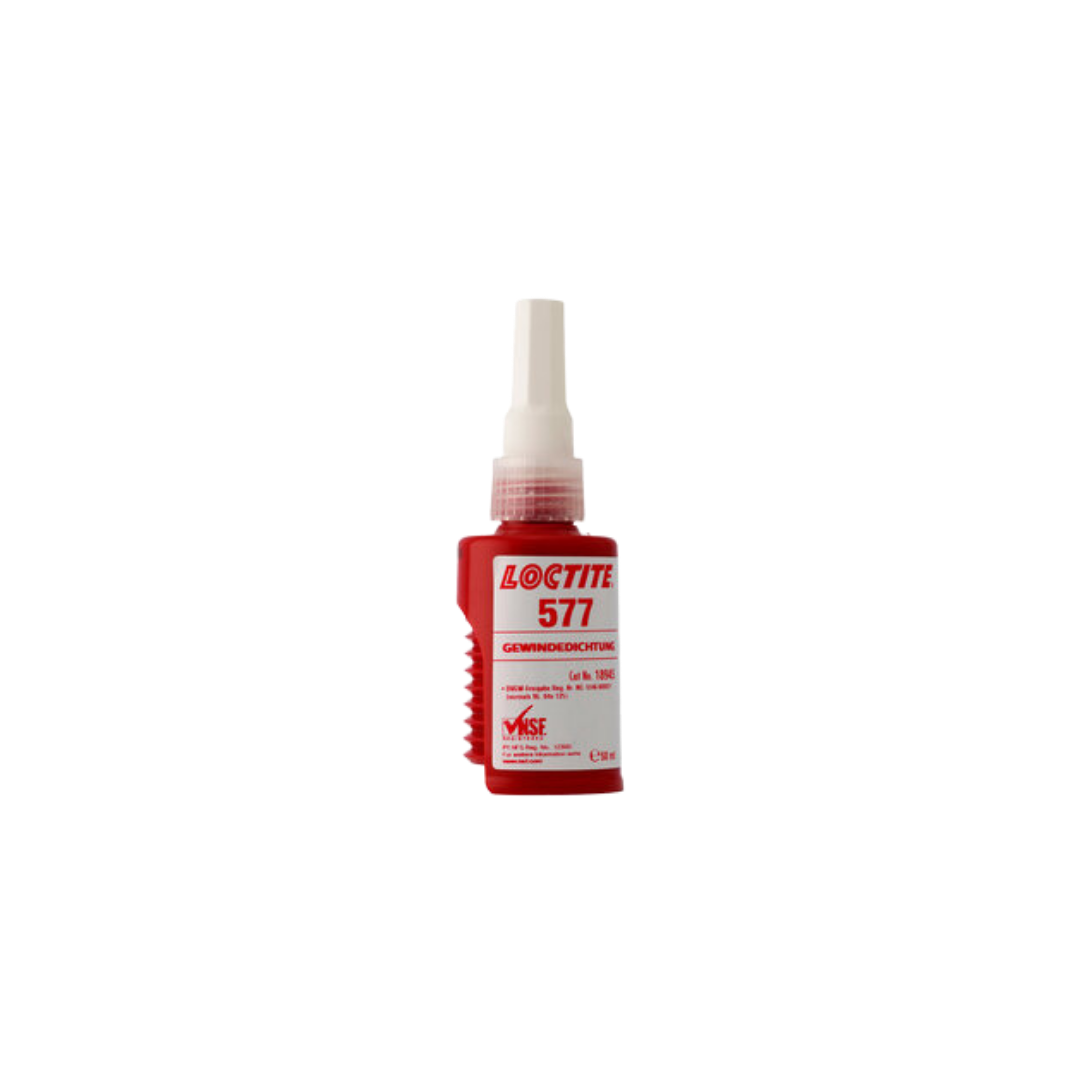
Henkel Loctite 577 - Liquid thread sealant
Item no. 170577EAN 5010266011967
Price excl. VAT€ 30,54Price incl. VAT€ 36,95
In stock
Added
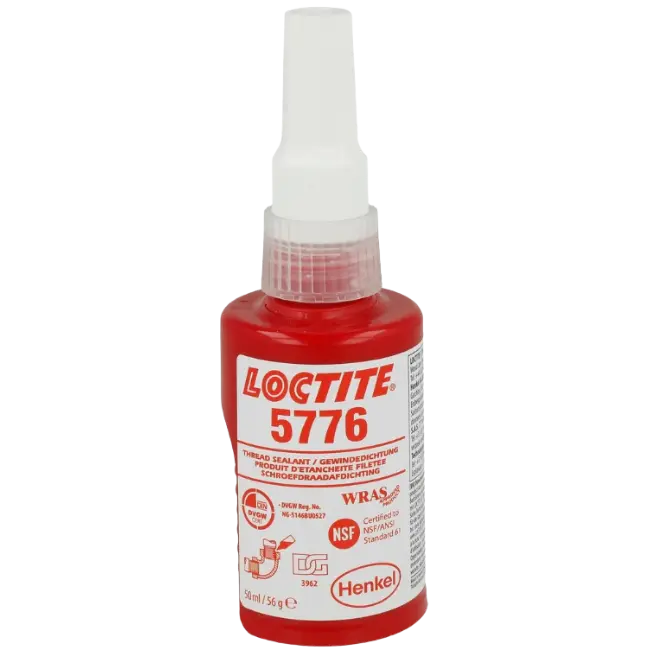
Henkel Loctite 5776 - Medium strength liquid thread sealant
Item no. 175776EAN 5010266003665
Price excl. VAT€ 31,36Price incl. VAT€ 37,95
Low stock
Added
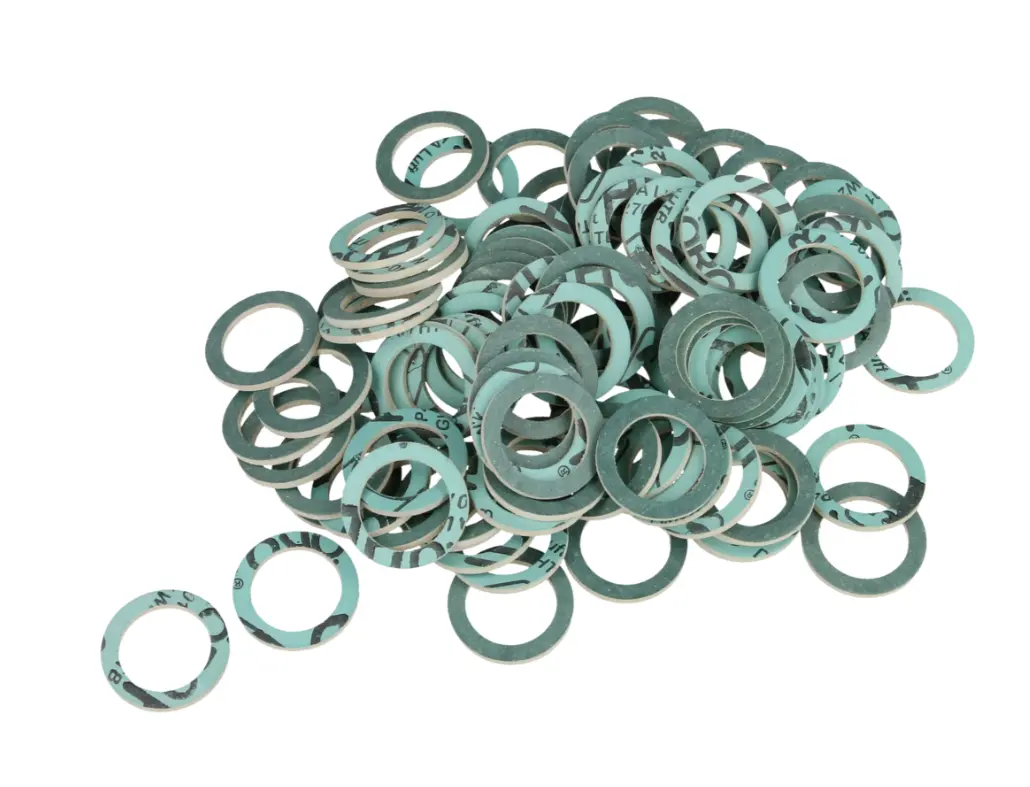
OEG 311910832 - High-pressure sealing washer 1/2"
Item no. 340832EAN 8711962057866
Price excl. VAT€ 0,17Price incl. VAT€ 0,20
In stock
Added
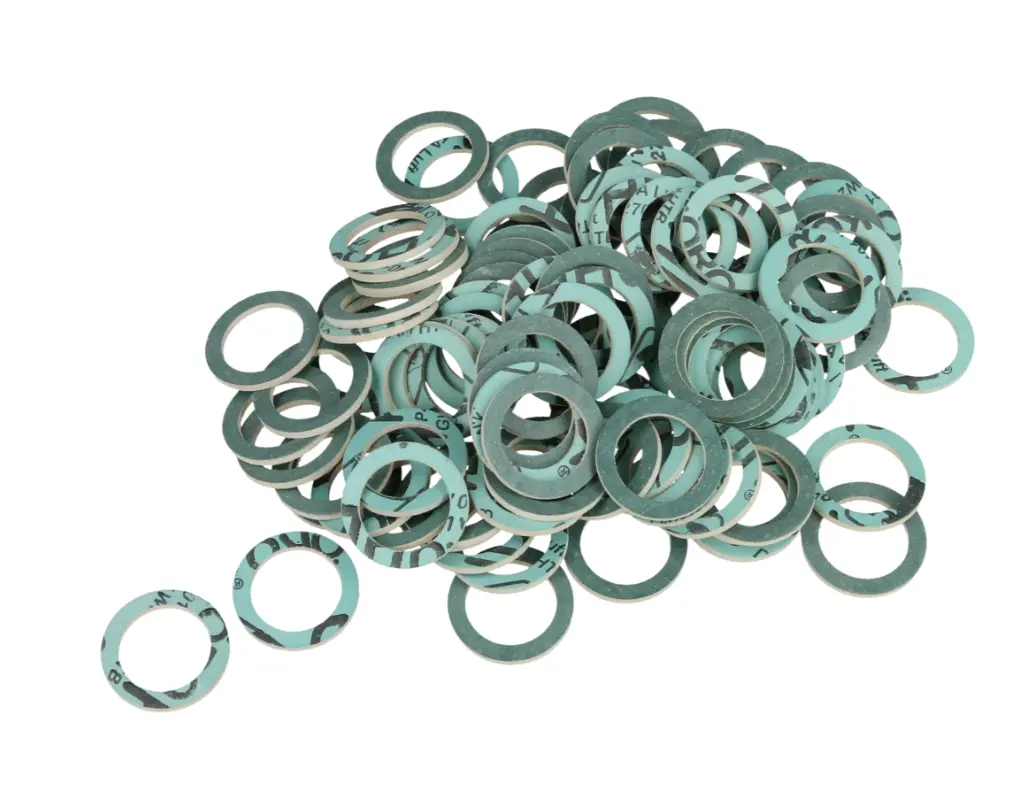
OEG 311910789 - High-pressure sealing washer 3/4"
Item no. 340789EAN 8711962013275
Price excl. VAT€ 0,19Price incl. VAT€ 0,23
In stock
Added
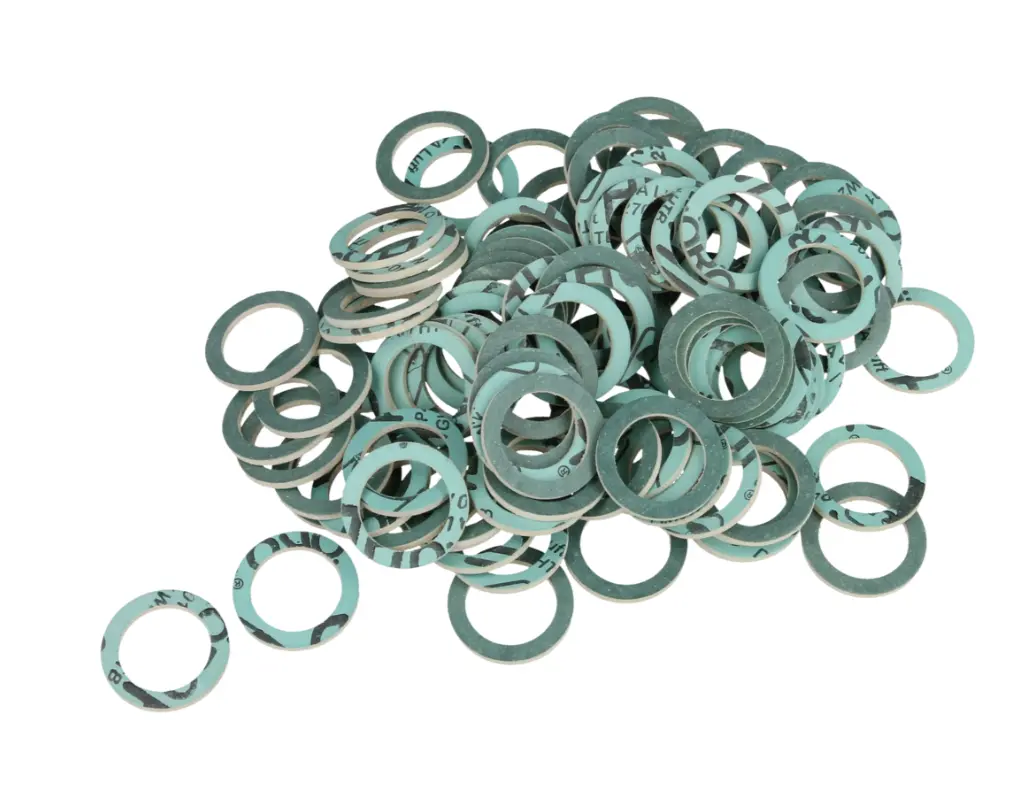
OEG 311910792 - High-pressure sealing washer 1"
Item no. 340792EAN 8711962013299
Price excl. VAT€ 0,25Price incl. VAT€ 0,30
In stock
Added
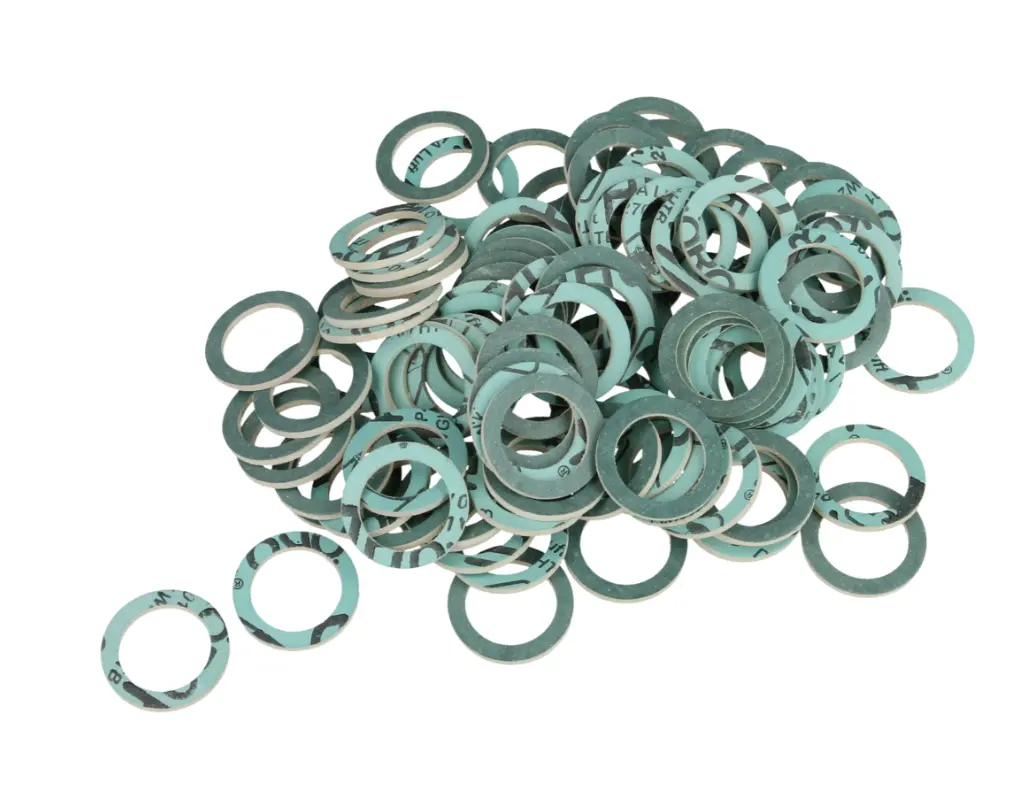
OEG 311910793 - High-pressure sealing washer 1 1/4"
Item no. 340793EAN 8711962013329
Price excl. VAT€ 0,41Price incl. VAT€ 0,50
In stock
Added
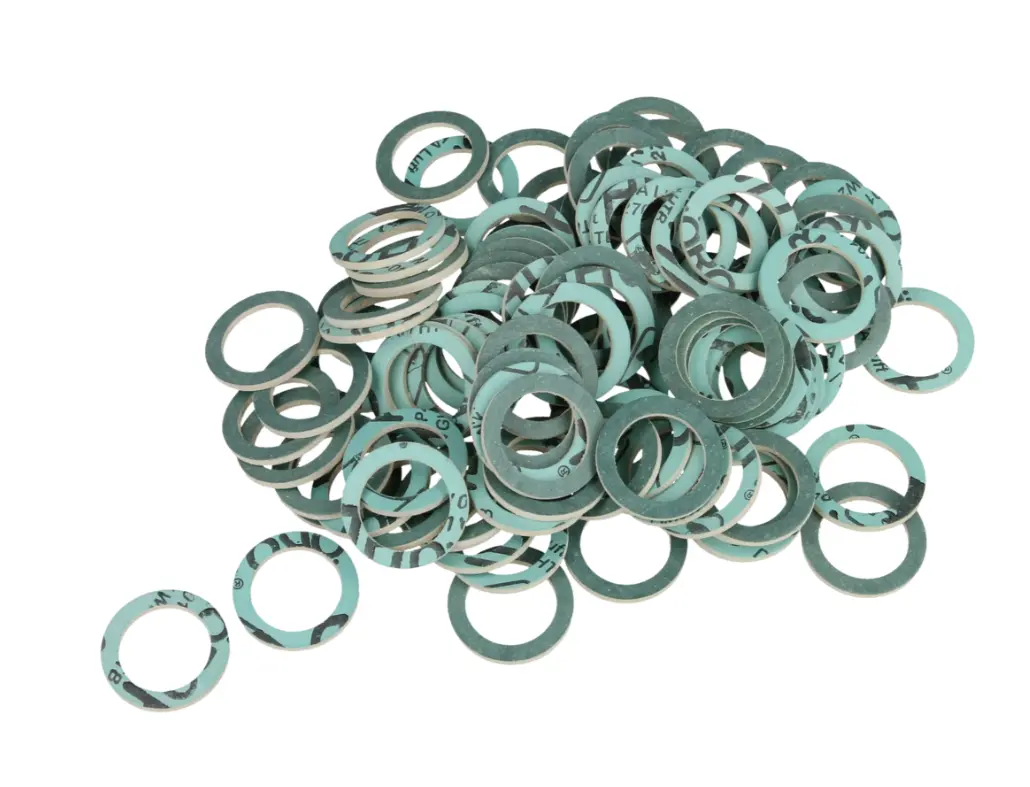
OEG 311910794 - High-pressure sealing washer 1 1/2"
Item no. 340794EAN 8711962013275
Price excl. VAT€ 0,58Price incl. VAT€ 0,70
In stock
Added
Selecting sealing materials
Sealing materials are important for reliably sealing threaded connections, fittings, valves and connection points in heating systems. Depending on the application, you can choose PTFE thread, sealing cord, liquid thread sealant, sealing rings or other sealing products.
The correct choice depends on the type of connection, the materials used, the medium, system pressure and temperature load. A sealing product for a standard water-side connection is not automatically suitable for every application. Always check whether the product is suitable for heating water, domestic water, boiler installations, heat pump systems or the relevant pipework.
Important when choosing sealing materials
- Choose the correct sealing material for the thread, fitting or sealing surface
- Check suitability for heating water, domestic water or other media
- Check pressure load, temperature class and material compatibility
- Use liquid thread sealant only according to the technical instructions
- Always check size, thickness and material when selecting sealing rings
- Make sure threads and sealing surfaces are clean, dry and correctly prepared
- Have critical connections checked by a qualified installer
Sealing fittings, valves and pipework
Sealing materials are often used together with technical connections in heating systems, boilers, heat pumps and pipework. For leak-free installation, the sealing product must match the connection and the component. Also review relevant categories such as threaded fittings for technical connections, ball valves for isolation and service and shut-off valves and valves for heating systems.
An incorrectly selected or incorrectly applied sealing material can lead to leakage, system contamination, loose connections or thread damage. Always work with suitable products, the correct amount of sealing material and the correct installation technique.
Frequently asked questions about sealing materials
What are sealing materials used for?
Sealing materials are used to seal connections in pipework, fittings, valves and installation components. They are commonly used for threaded connections and sealing surfaces.
What is the difference between PTFE, sealing cord and liquid sealant?
PTFE and sealing cord are usually applied mechanically around the thread. Liquid sealant is applied to the thread as a product and cures or fixes depending on the version and application.
Can every sealing material be used for heating systems?
No, not every sealing material is suitable for every heating system. Always check whether the product is resistant to the medium, temperature, pressure and materials used in the installation.
What should I check when selecting sealing rings?
Check diameter, thickness, material, pressure load and temperature suitability. The sealing ring must match the connection and sealing surface of the component exactly.
When should sealing material be replaced?
Sealing material should be replaced when a connection is opened, leaks, has aged, is damaged or no longer seals properly. Inspection of seals is therefore important during service and renovation.