Filters
 Loading…
Air conditioner installation material
Air conditioning installation material is used for mounting, connection and neat finishing of split and multi split air conditioning systems. This includes refrigerant pipework, fittings, trunking, wall brackets, support feet, vibration dampers, condensate drainage and other air conditioning accessories.
At Hewa, you will find installation material for air conditioners in homes, offices, retail spaces, workshops and project-based installations. When selecting the right materials, check pipe diameter, pipe length, insulation, mounting position, outdoor unit placement, condensate drainage, vibration damping, electrical connection and compatibility with the selected air conditioning system.
Brands




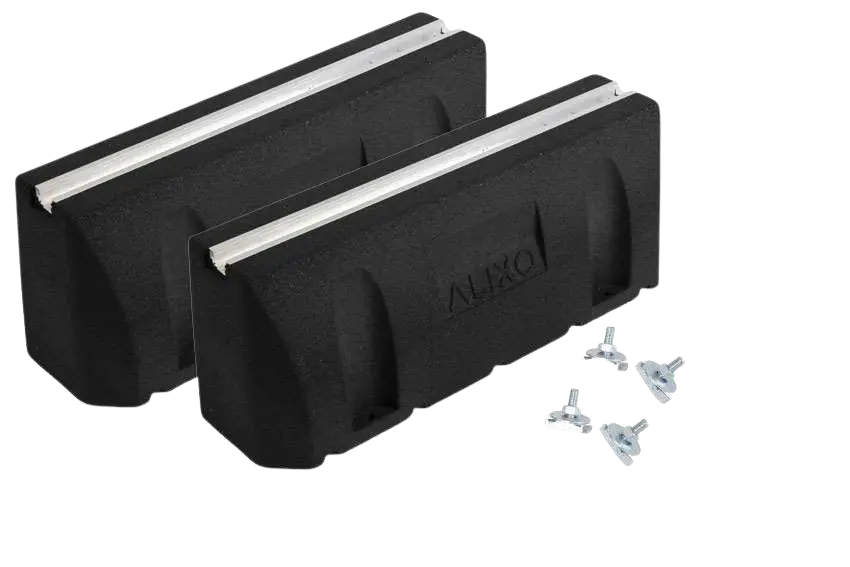
Alixo ALX-1411 - MAMUT Foots 60 cm (set of 2, with insert nuts)
Item no. 071411EAN 5414618026447
Price excl. VAT€ 71,07Price incl. VAT€ 85,99
On backorder
Added
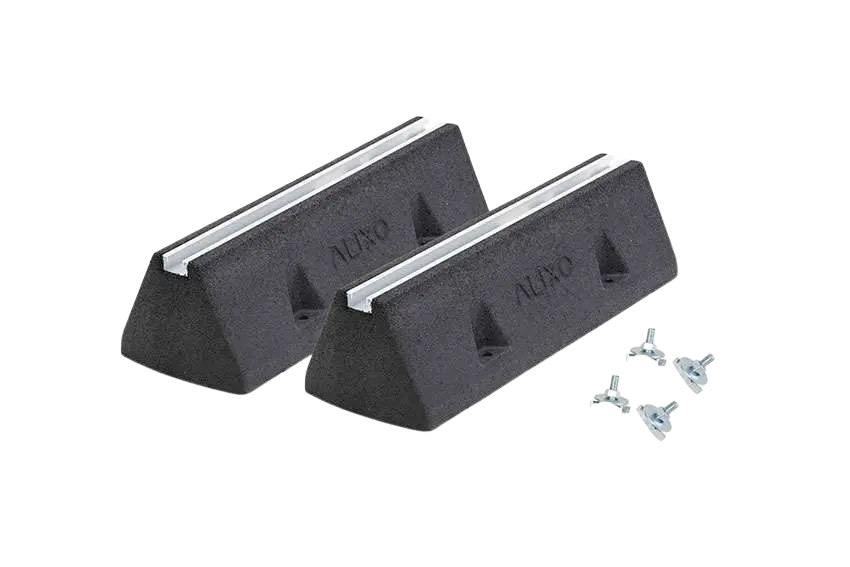
Alixo ALX-1119 - High Foots 60 cm (set of 2, with insert nuts)
Item no. 071119EAN 5414618836282
Price excl. VAT€ 57,84Price incl. VAT€ 69,99
On backorder
Added
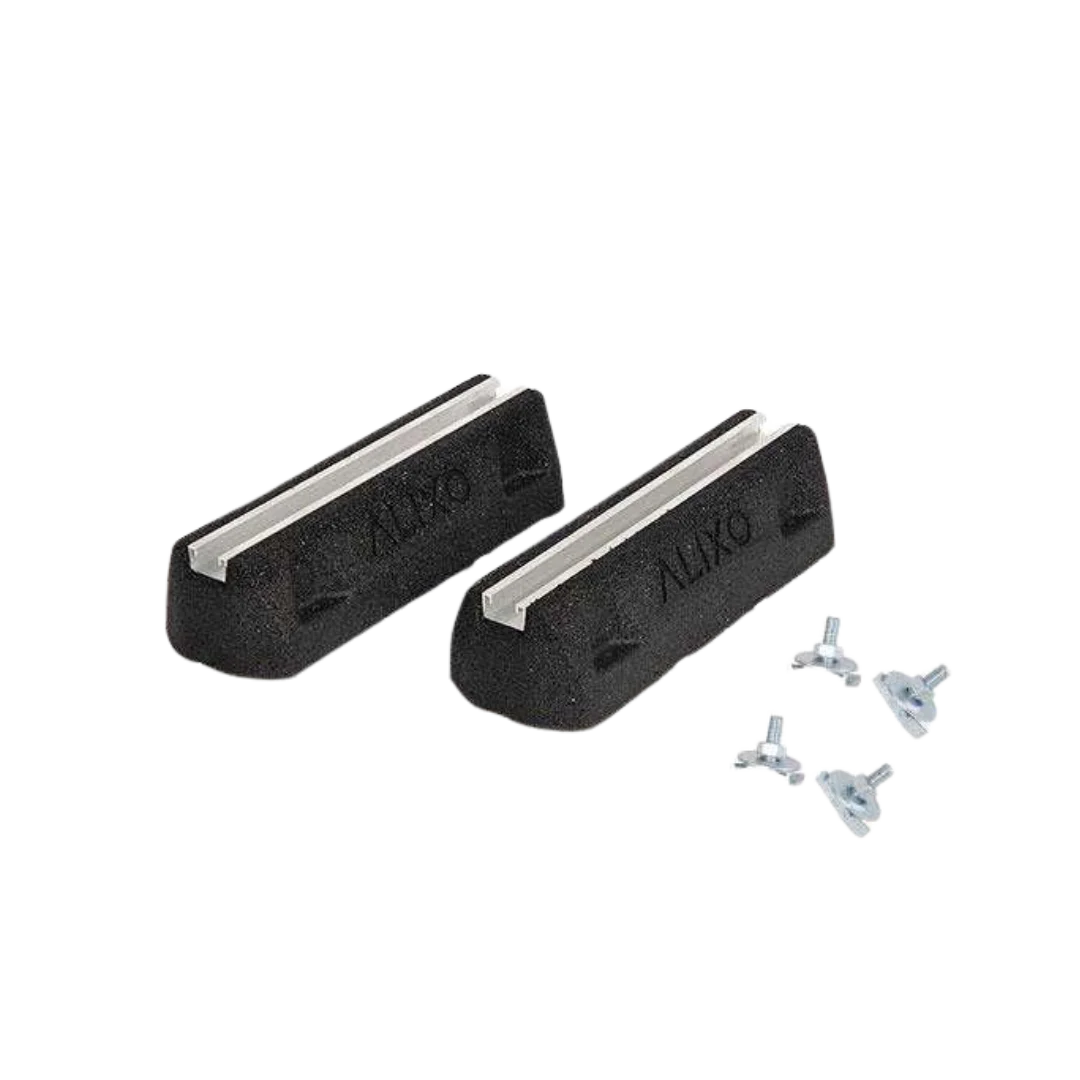
ALIXO ALX-1249-000 - Air Conditioning Support Block 40 cm (Set of 2)
Item no. 071249EAN 5414618763953
Price excl. VAT€ 28,93Price incl. VAT€ 35,01
In stock
Added
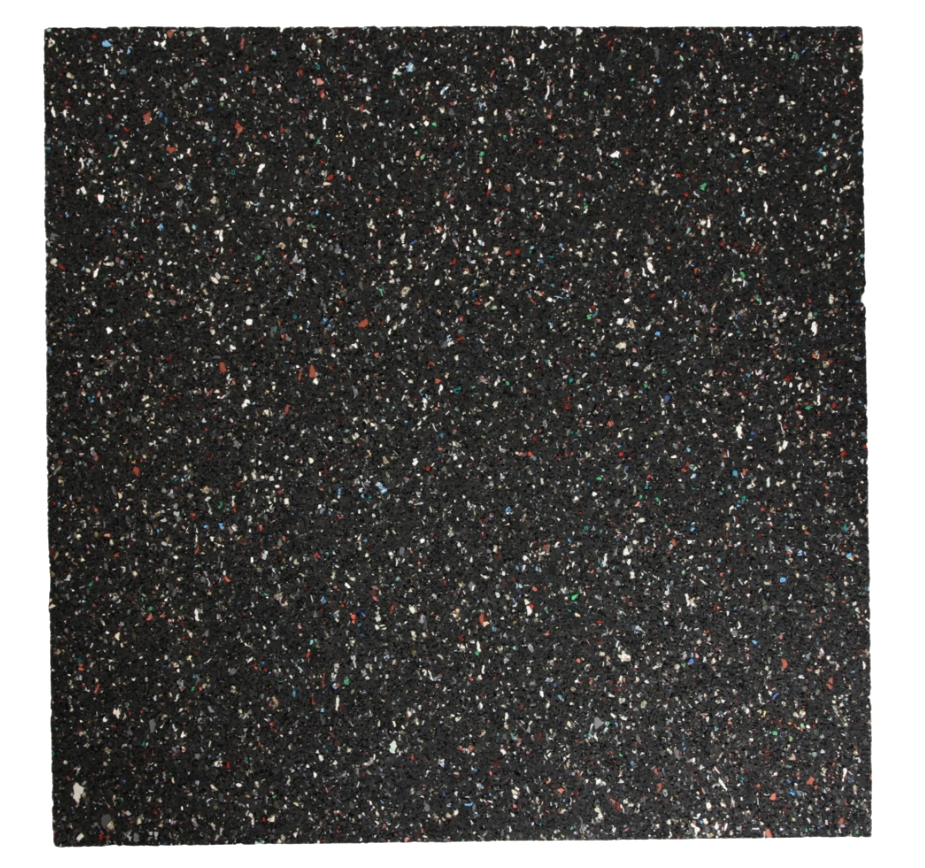
OEG 777000076 - Rubber anti-vibration mat (60 x 60 x 2 cm)
Item no. 340076EAN 8721225901409
Price excl. VAT€ 41,28Price incl. VAT€ 49,95
Low stock
Added
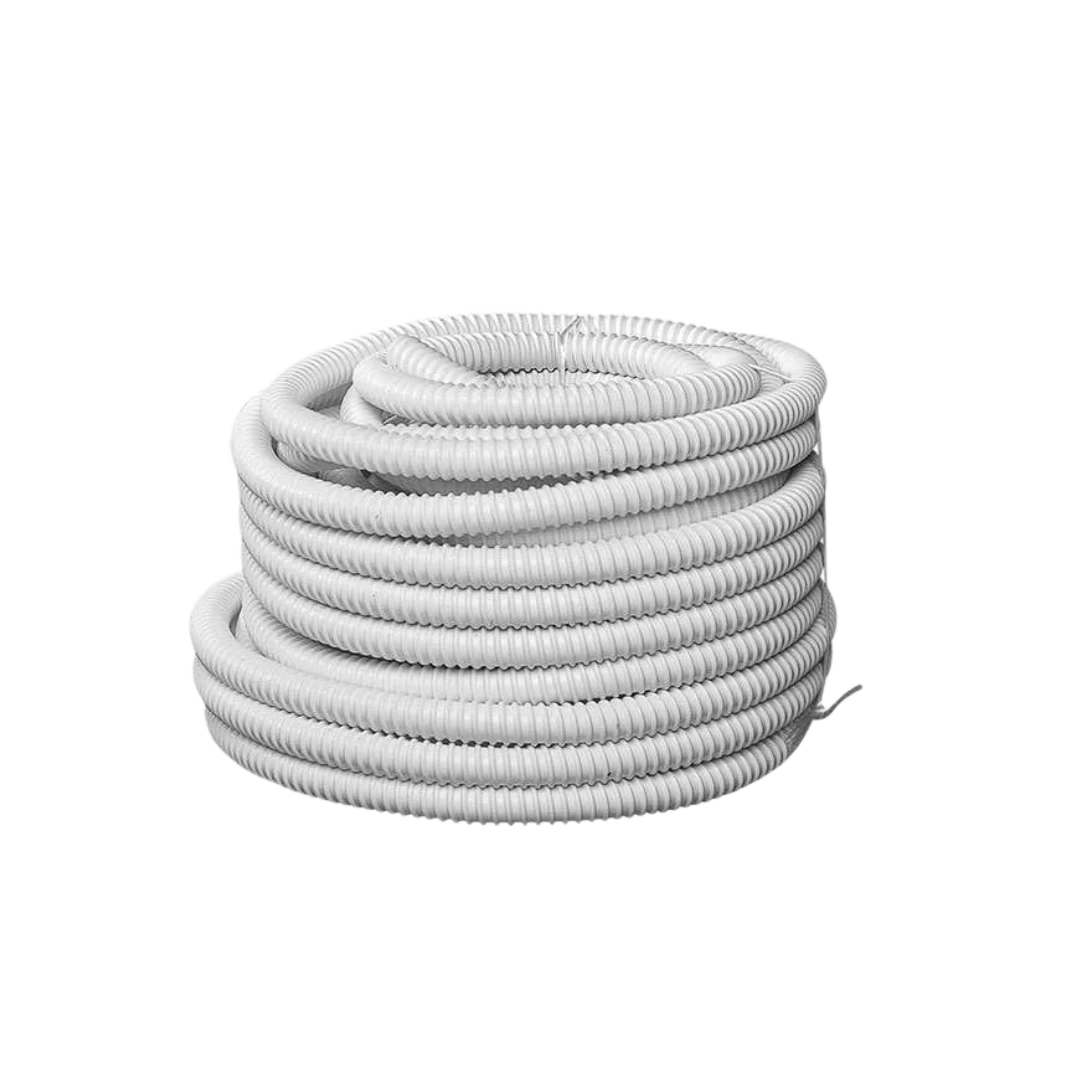
ALIXO ALX-2250-000 - Smooth Condensate Drain Hose Ø20 mm (30 m roll)
Item no. 072250EAN 5414618008009
Price excl. VAT€ 33,84Price incl. VAT€ 40,95
On backorder
Added
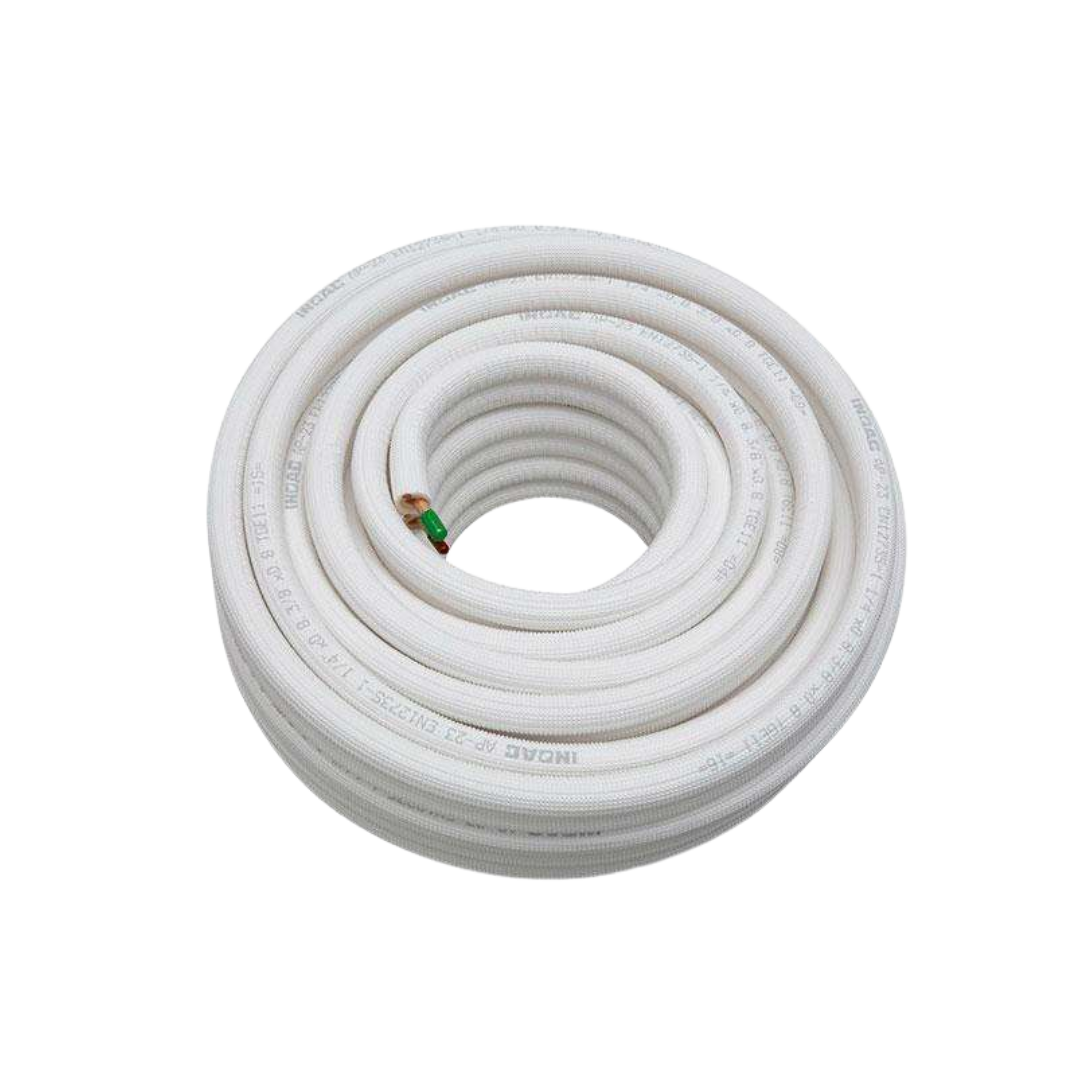
INOAC CIN-2213-000 - Insulated Copper Pipe 1/4” + 1/2” (30 m)
Item no. 482213EAN 5414618780714
Price excl. VAT€ 287,93Price incl. VAT€ 348,40
On backorder
Added
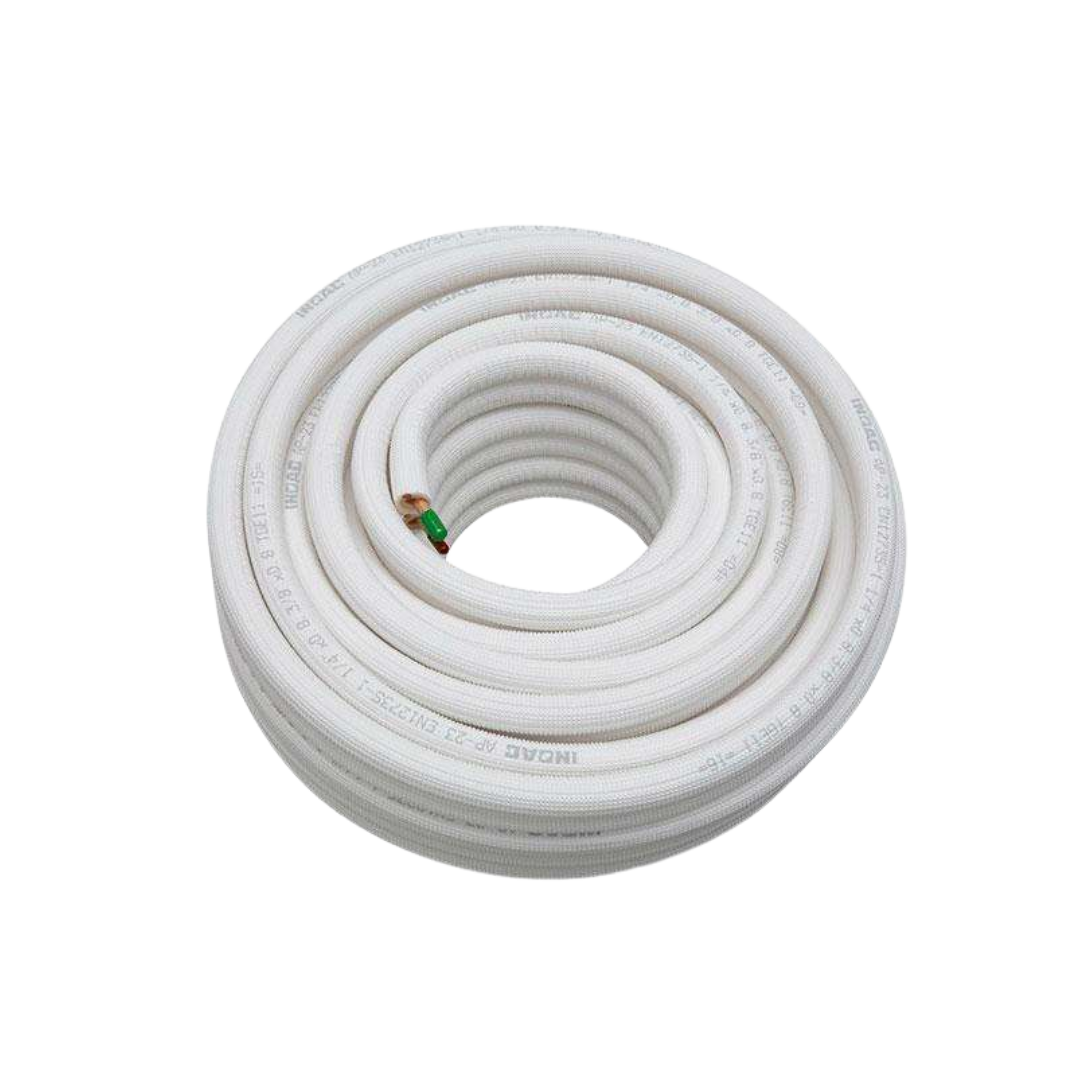
INOAC CIN-2203-000 - Insulated Copper Pipe 1/4” + 3/8” (30 m)
Item no. 482203EAN 5414618780691
Price excl. VAT€ 255,88Price incl. VAT€ 309,62
Low stock
Added
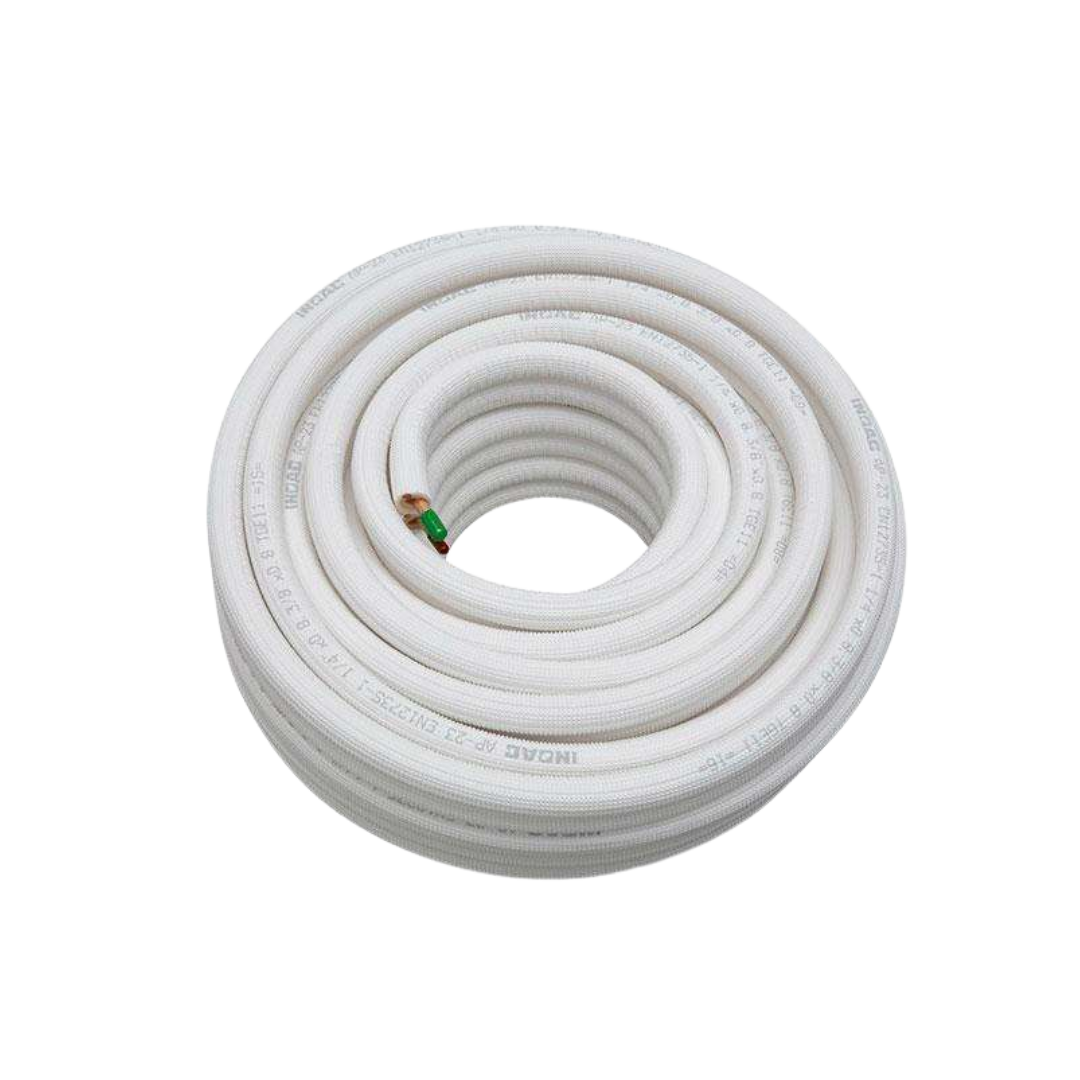
INOAC CIN-2232-000 - Insulated Copper Pipe 3/8” + 5/8” (20 m)
Item no. 482232EAN 5414618780745
Price excl. VAT€ 310,26Price incl. VAT€ 375,42
On backorder
Added
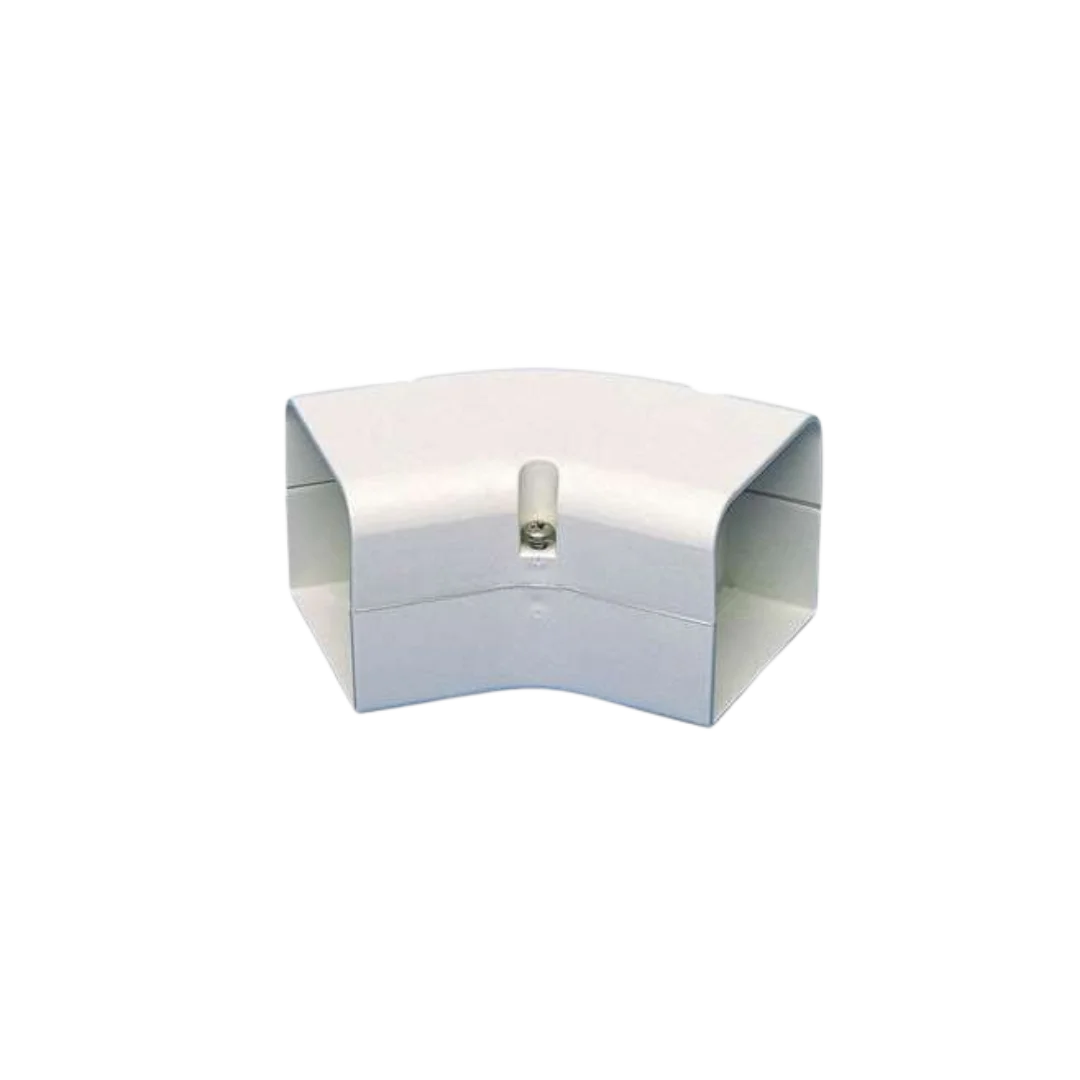
SpeediDuct Flat Elbow 45° - 70 mm (White)
Item no. 451074EAN 5414618466595
Price excl. VAT€ 5,74Price incl. VAT€ 6,95
In stock
Added
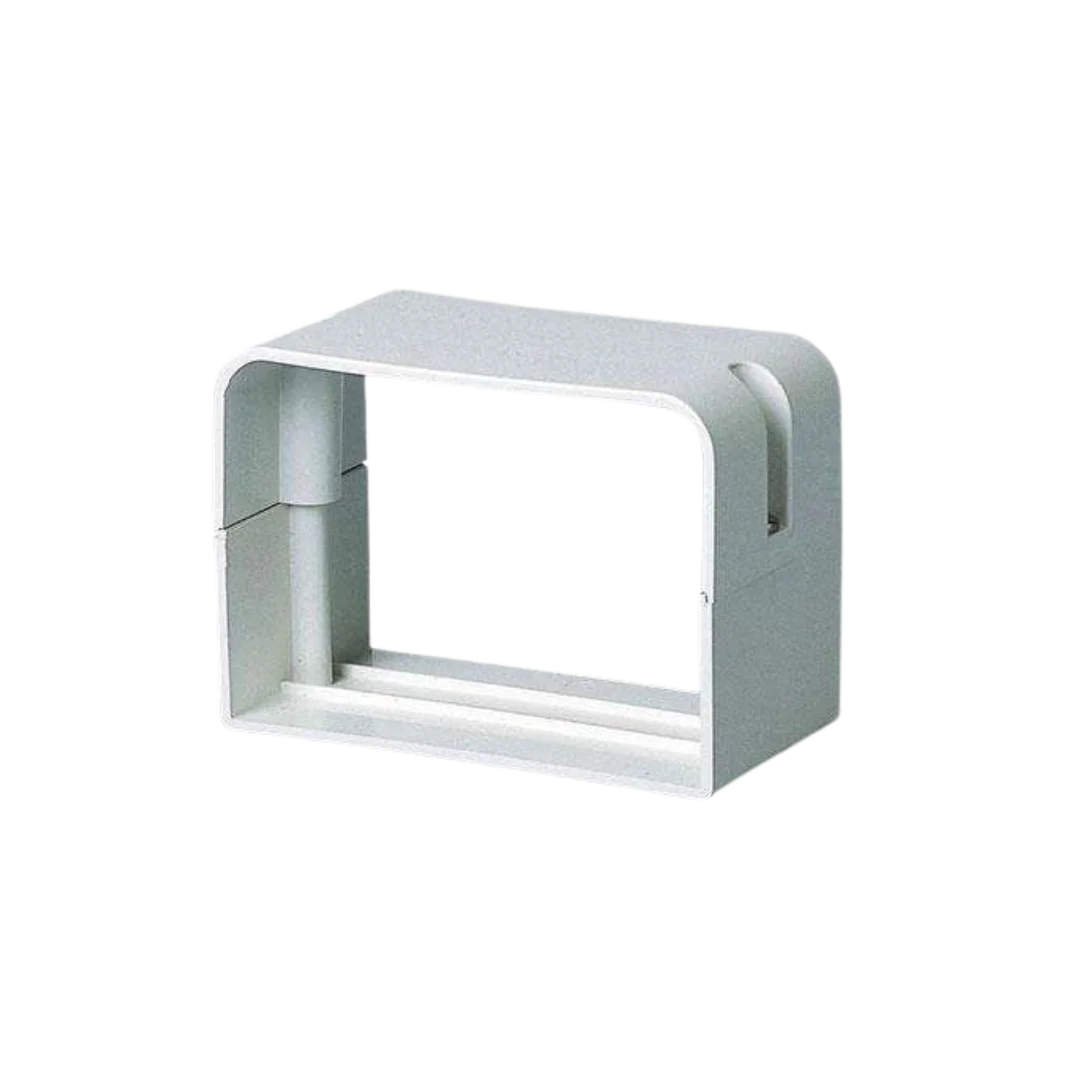
SpeediDuct Connector - 70 mm (White)
Item no. 451073EAN 5414618466779
Price excl. VAT€ 2,69Price incl. VAT€ 3,26
In stock
Added
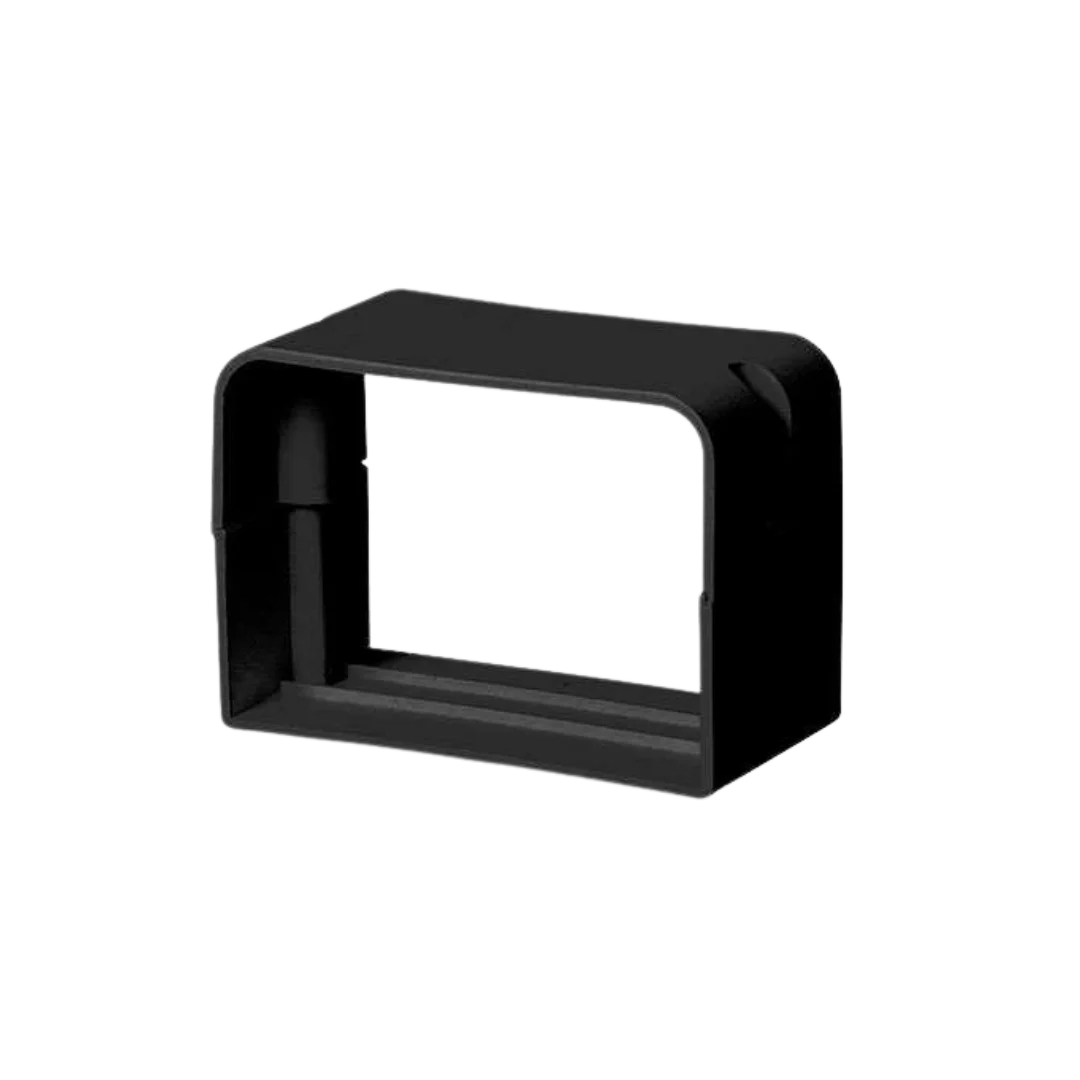
SpeediDuct Connector - 70 mm (Black)
Item no. 452073EAN 5414618079504
Price excl. VAT€ 2,93Price incl. VAT€ 3,55
On backorder
Added
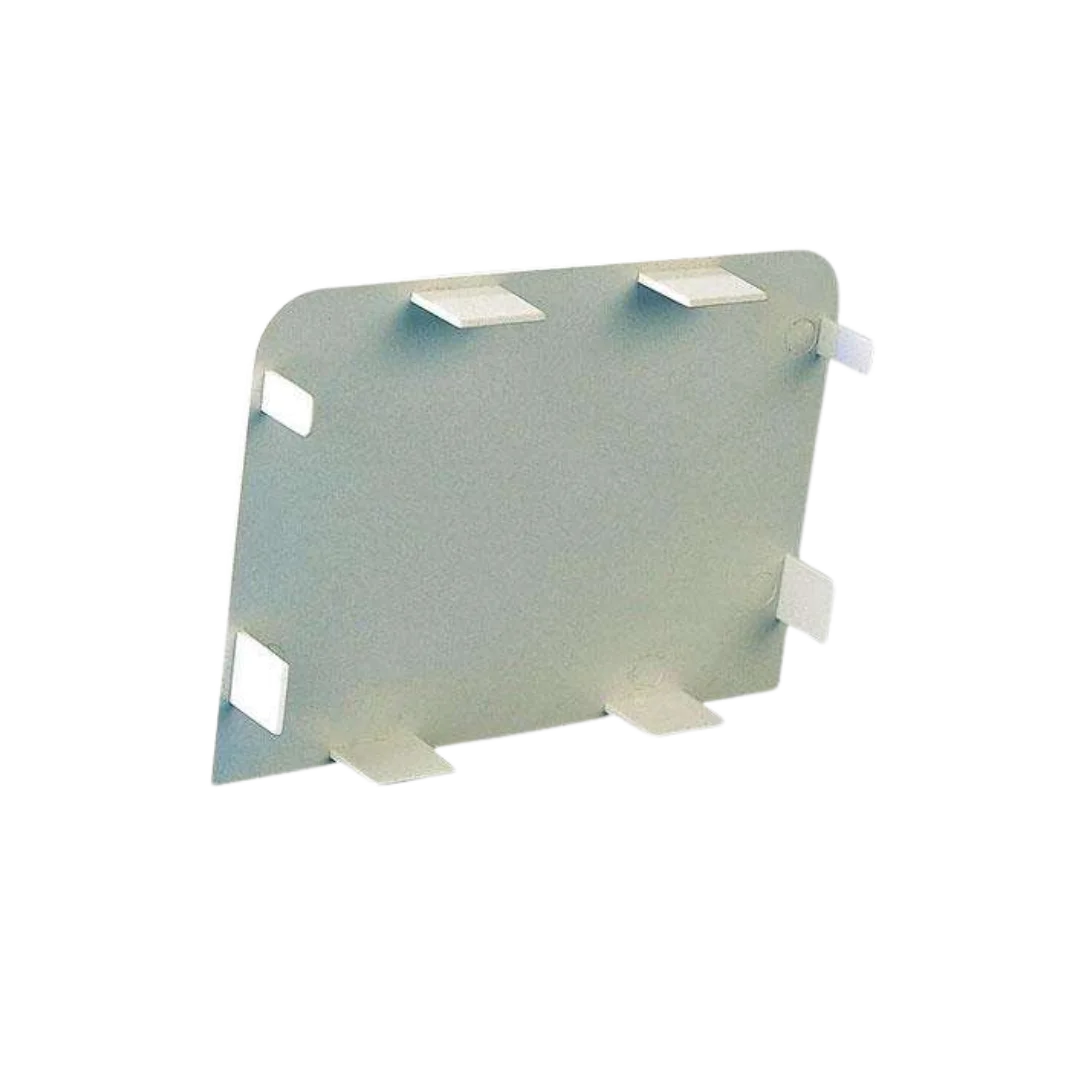
SpeediDuct End Cap - 70 mm (White)
Item no. 451071EAN 5414618466977
Price excl. VAT€ 3,39Price incl. VAT€ 4,10
In stock
Added
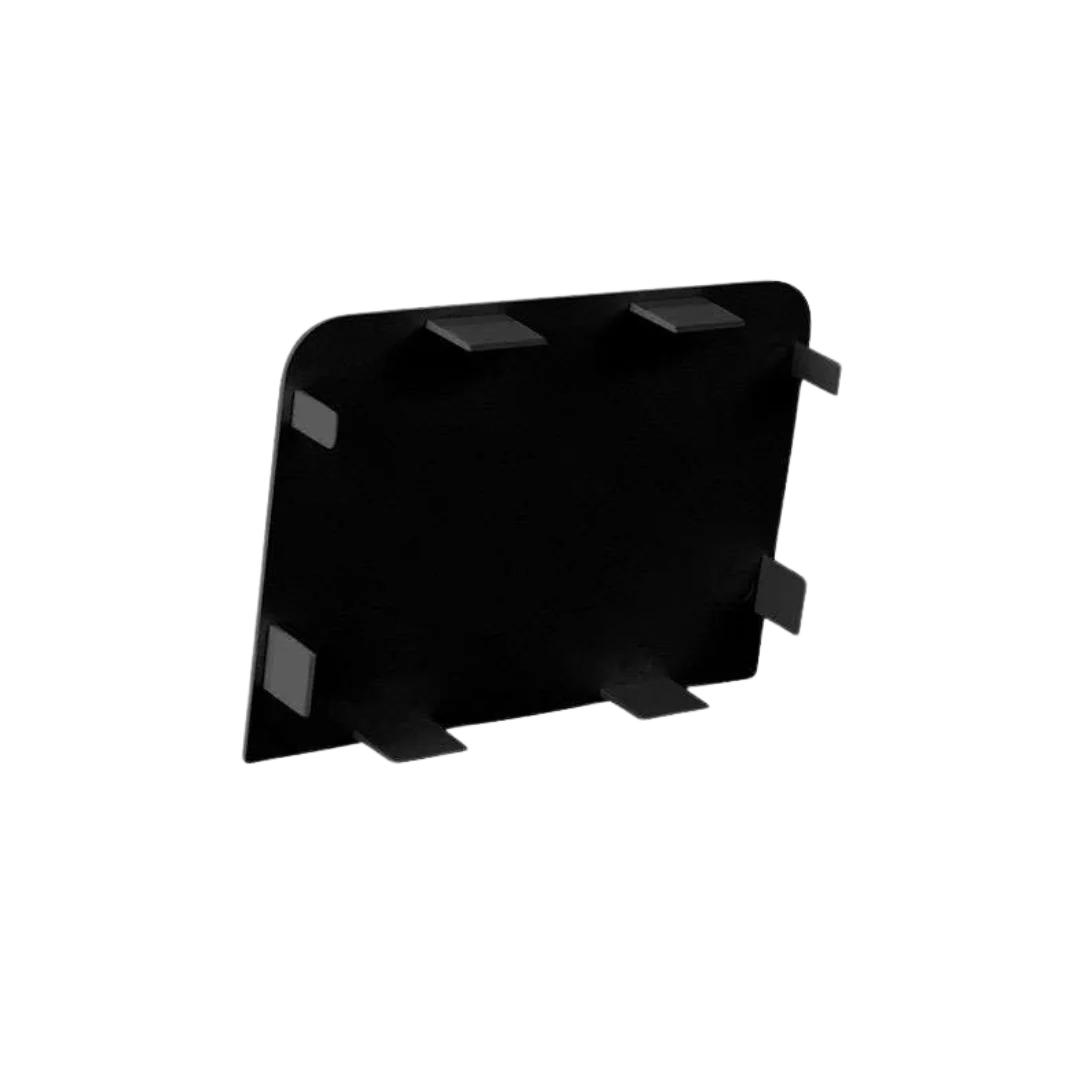
SpeediDuct End Cap - 70 mm (Black)
Item no. 452071EAN 5414618079528
Price excl. VAT€ 3,72Price incl. VAT€ 4,50
On backorder
Added
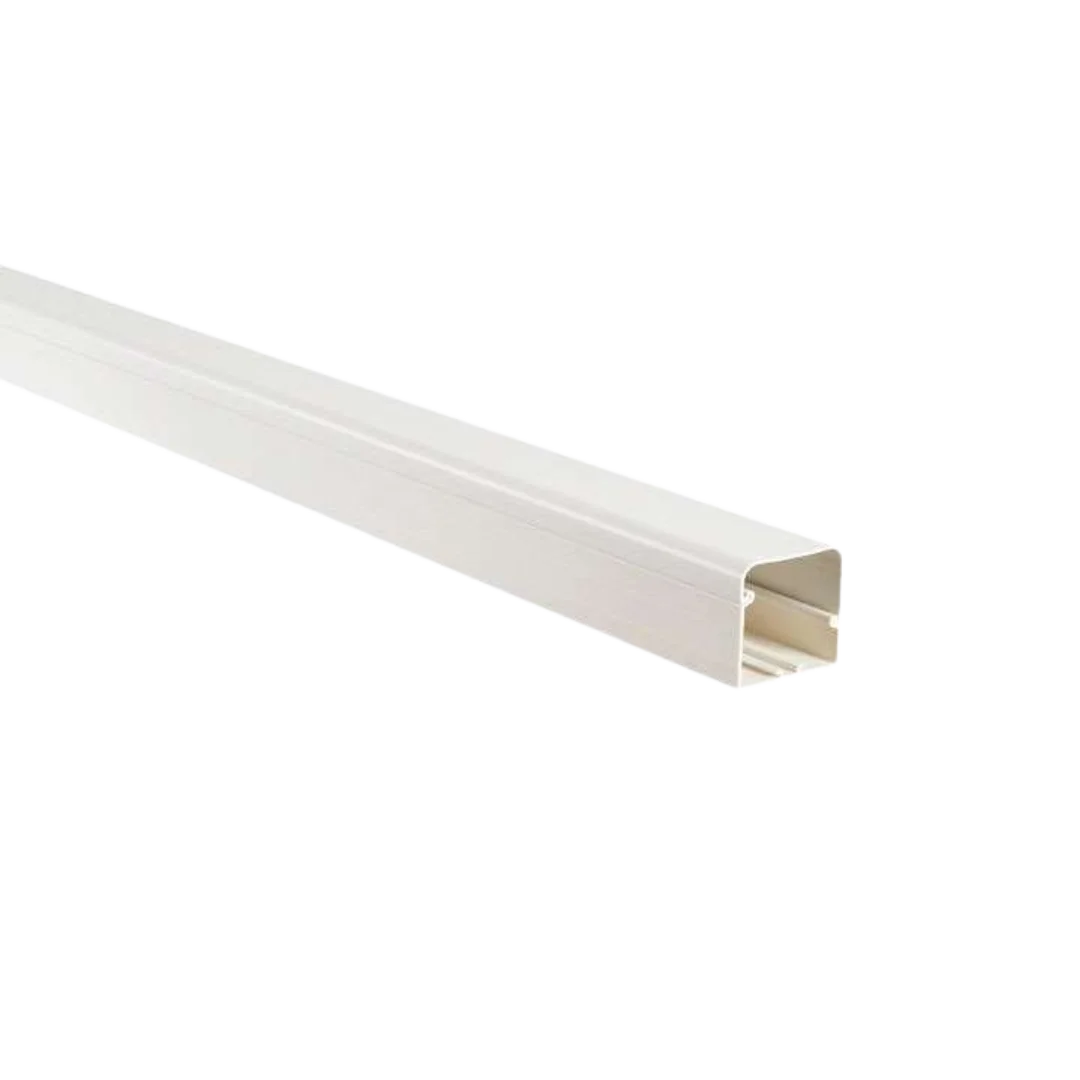
SpeediDuct Duct Channel – 2 metres – 70 mm (White)
Item no. 451027EAN 5414618466564
Price excl. VAT€ 16,12Price incl. VAT€ 19,51
On backorder
Added
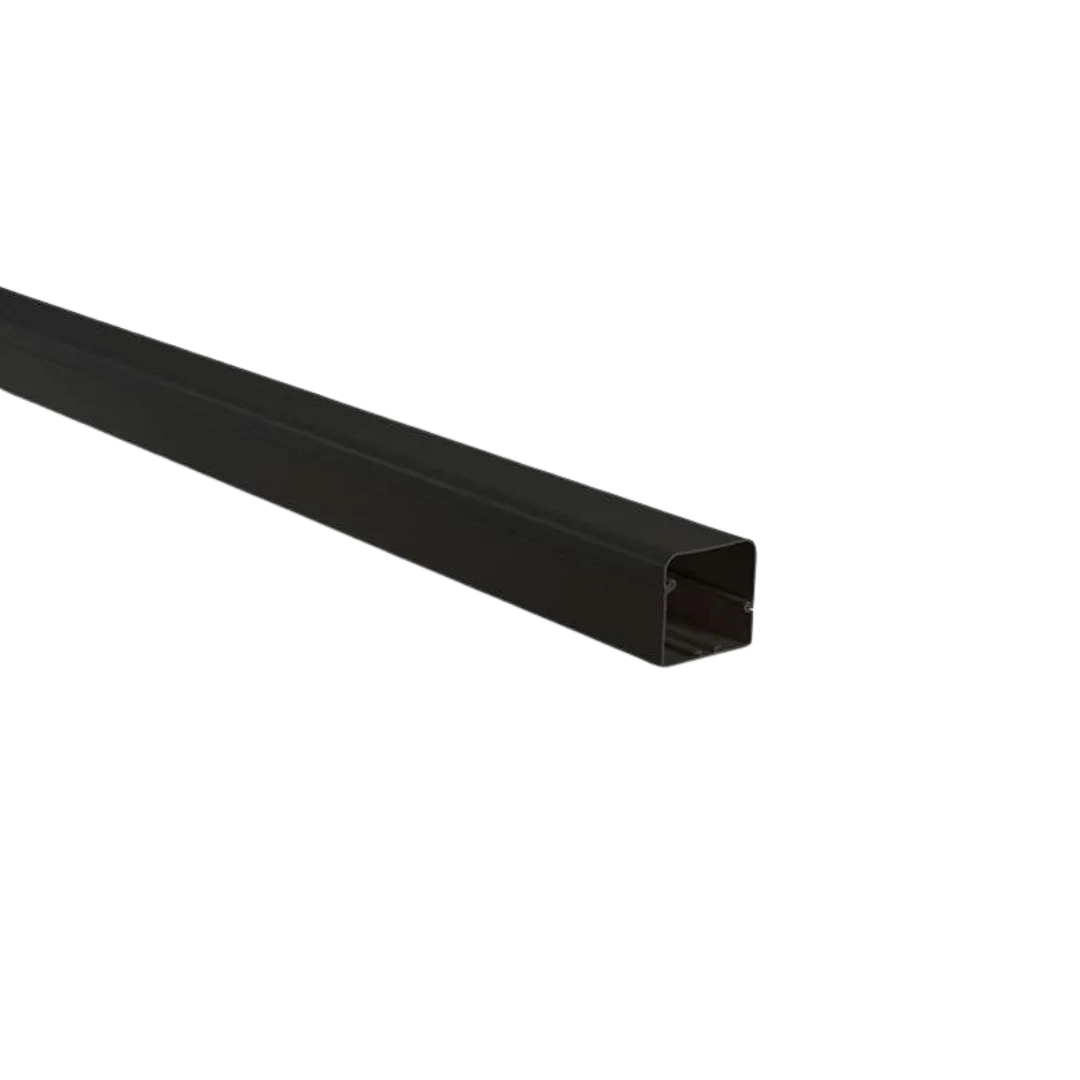
SpeediDuct Duct Channel - 2 metres - 70 mm (Black)
Item no. 452027EAN 5414618079481
Price excl. VAT€ 23,93Price incl. VAT€ 28,96
On backorder
Added
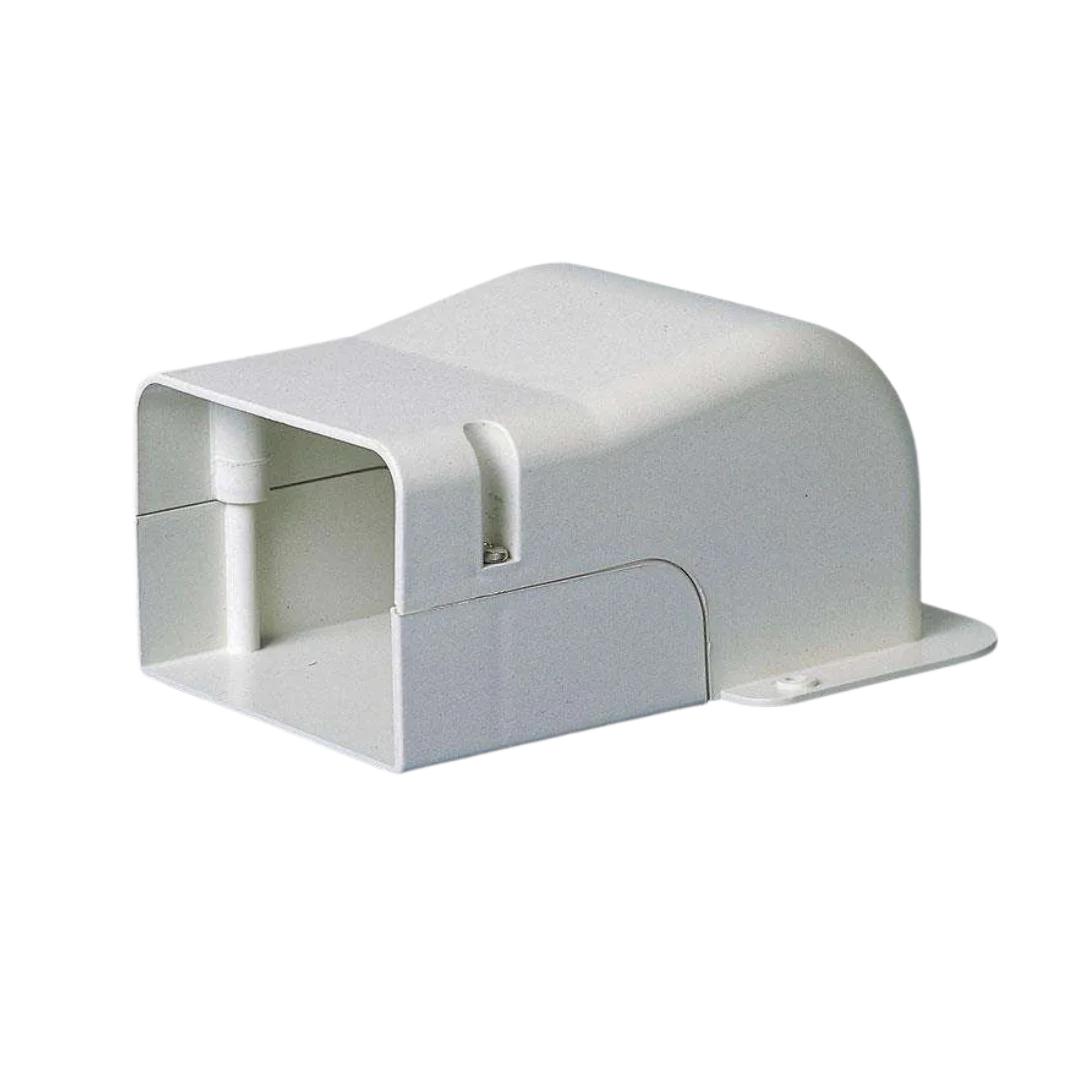
SpeediDuct Wall Cover - 70 mm (White)
Item no. 452072EAN 5414618466793
Price excl. VAT€ 6,57Price incl. VAT€ 7,95
In stock
Added
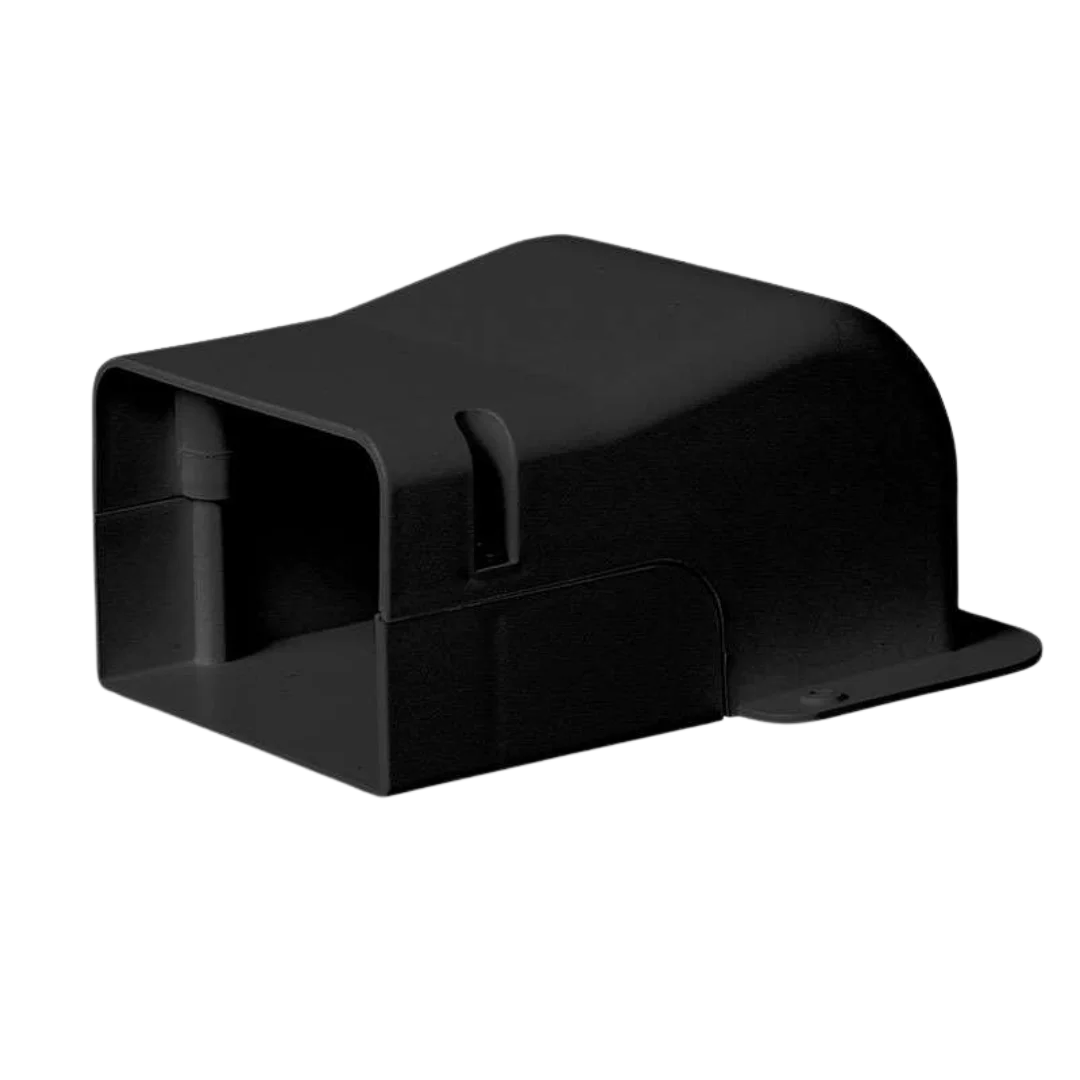
SpeediDuct Wall Cover - 70 mm (Black)
Item no. 452070EAN 5414618079542
Price excl. VAT€ 7,40Price incl. VAT€ 8,95
On backorder
Added
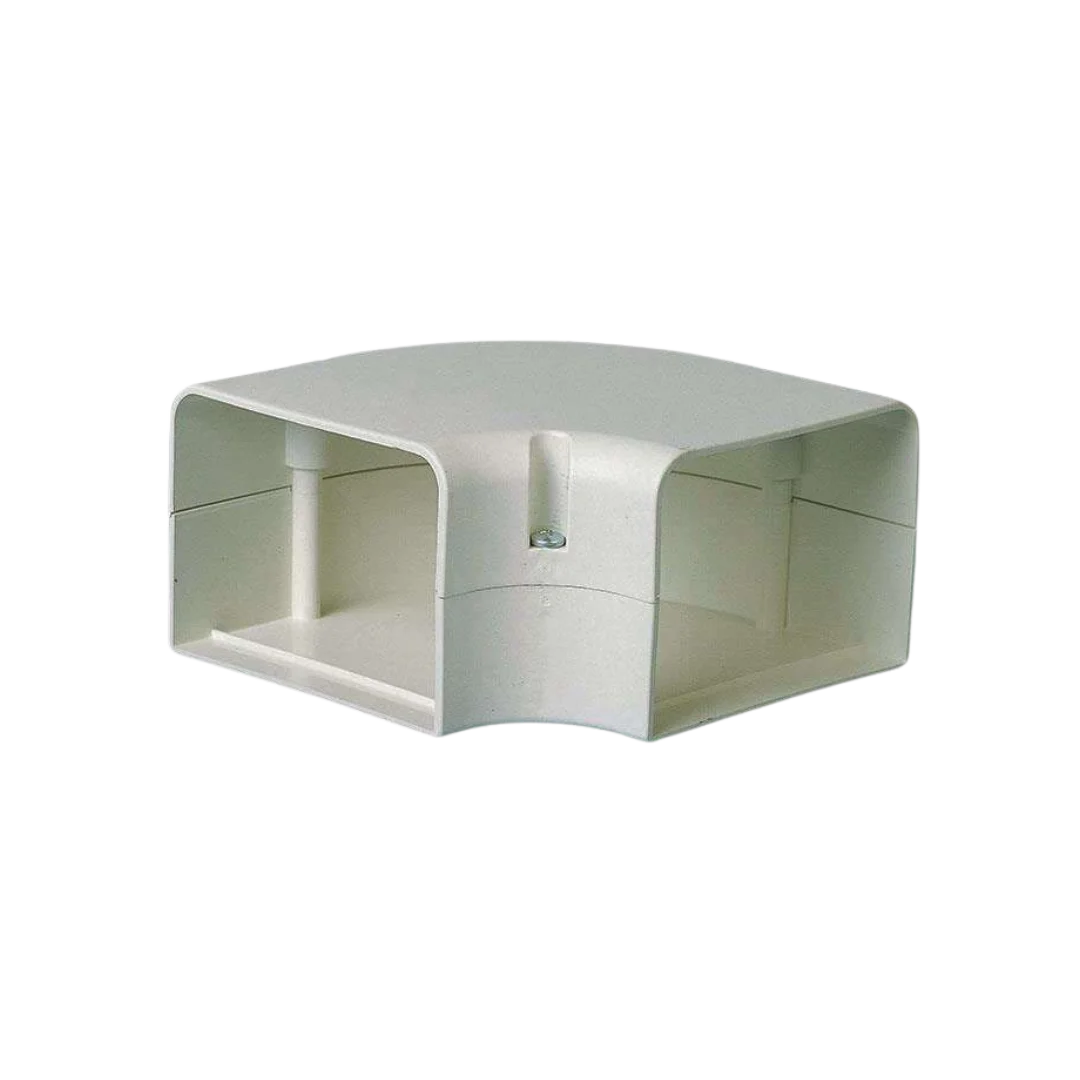
SpeediDuct Flat Elbow 90° – 70 mm (White)
Item no. 451070EAN 5414618466632
Price excl. VAT€ 6,20Price incl. VAT€ 7,50
In stock
Added
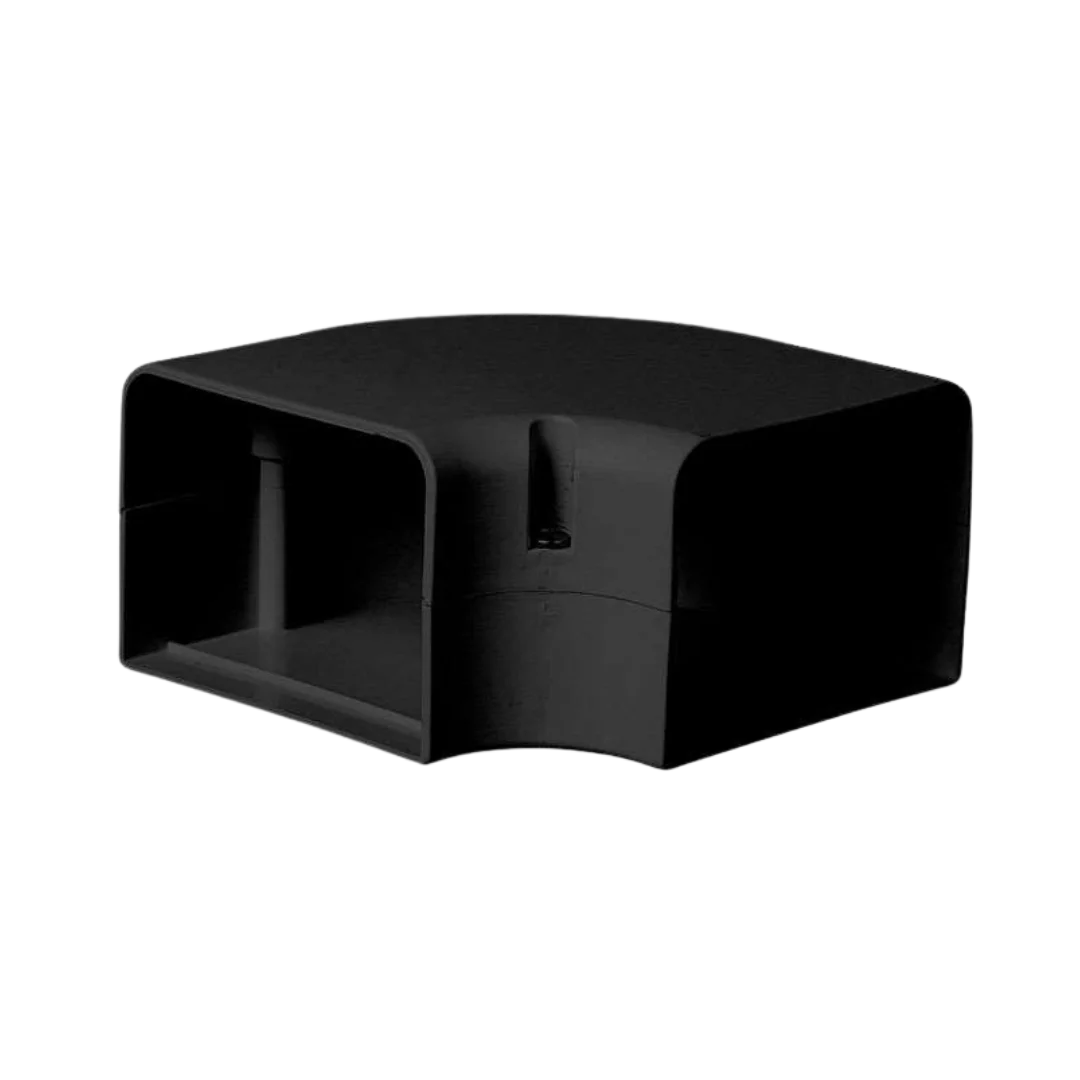
SpeediDuct Flat Elbow 90° - 70 mm (Black)
Item no. 452079EAN 5414618079634
Price excl. VAT€ 6,82Price incl. VAT€ 8,25
On backorder
Added
Air conditioning installation material for mounting and finishing
Air conditioning installation material is required to install split and multi split air conditioning systems correctly, safely and neatly. Within this category, you will find materials for refrigerant pipework, pipe finishing, condensate drainage, outdoor unit placement, wall mounting, vibration damping and additional air conditioning accessories.
Selecting air conditioning installation material
The right materials depend on the type of air conditioning system, pipe route, distance between indoor unit and outdoor unit, mounting location and required finish. A single split installation often requires refrigerant pipework, trunking, condensate drainage, isolator switch and outdoor unit fixing materials. Multi split systems require additional attention to multiple pipe routes and the correct combination of indoor units and outdoor unit.
Within this category, also review refrigerant pipework and fittings for air conditioners, trunking for neat pipe finishing and mounting material for air conditioning installation.
Important when choosing air conditioning mounting material
- Check refrigerant pipe diameter, insulation thickness, pipe length and flare connections
- Select trunking, wall caps, bends, connectors and end caps to match the pipe route
- Match wall brackets, support feet or foot sets to the weight and position of the outdoor unit
- Use vibration dampers or anti-vibration material to reduce structure-borne noise
- Check condensate drainage, slope, hose diameter and frost-safe discharge route
- Check isolator switch, electrical connection and accessibility for service
- Have refrigerant and electrical work carried out by qualified professionals
Applications within air conditioning installation material
Refrigerant pipe and fitting
For connecting indoor unit and outdoor unit with the correct pipe diameter, insulation, flare connection and technical finish.
Trunking and finishing
For neatly routing refrigerant pipework, condensate hose, communication cable and power cable along the façade, wall or indoor route.
Mounting and damping
For stable placement of outdoor units with wall brackets, support feet, foot sets, vibration dampers and anti-vibration material.
Installation quality determines air conditioning performance
An air conditioner can only operate properly when the installation material matches the technical requirements of the system. Refrigerant pipes must have the correct diameter, be well insulated and be routed neatly. Trunking protects the pipework and provides a clean finish. Condensate drainage must have sufficient slope and drain freely to prevent leakage or backflow.
For installers, outdoor unit placement and vibration damping are also important. An outdoor unit must be installed firmly, level and with low vibration, with sufficient free space for air circulation and maintenance. Use suitable brackets, support feet, rubber mats or dampers. A carefully installed system helps prevent noise issues, pipe damage, condensate problems and unnecessary service complaints.
Frequently asked questions about air conditioning installation material
Which installation material do I need for an air conditioner?
Refrigerant pipework, fittings, trunking, condensate drainage, communication cable, power cable, isolator switch, mounting material and vibration damping are usually required. The exact materials depend on the installation type.
What is trunking used for?
Trunking is used to route refrigerant pipework, condensate hose and cables neatly and protectively. It provides a better finish and protects the installation against damage and weather influences.
Why are vibration dampers important?
Vibration dampers reduce structure-borne noise and vibrations from the outdoor unit to the wall, roof or floor. This helps limit noise nuisance and mechanical stress.
Which condensate drain do I need?
The correct condensate drain depends on indoor unit position, pipe route, slope and drainage options. Condensate water must always be discharged reliably without backflow.
What should an installer check during installation?
Check pipe diameter, pipe insulation, flare connections, condensate drainage, trunking, outdoor unit fixing, vibration damping, electrical connection, isolator switch and technical documentation.
Need air conditioning installation material for your project?
Hewa supports installers, business customers and private buyers with air conditioning installation material for mounting, connection and finishing of split and multi split air conditioning systems. Contact us for product selection, application advice or tailored delivery.