Filters
 Loading…
Air Conditioner Trunking
Air conditioner trunking is used to route air conditioning pipework, condensate drainage and cables neatly and protectively. In split and multi split air conditioning systems, proper pipe finishing ensures a clean installation, better protection against weather influences and a more professional appearance.
At Hewa, you will find trunking and fittings for air conditioning installations in homes, offices, retail spaces, workshops and project-based applications. When selecting the right parts, check trunking size, colour, pipe route, bends, connectors, wall cap, end cap, outdoor mounting, UV exposure and the combination with refrigerant pipework and condensate hose.
Brands

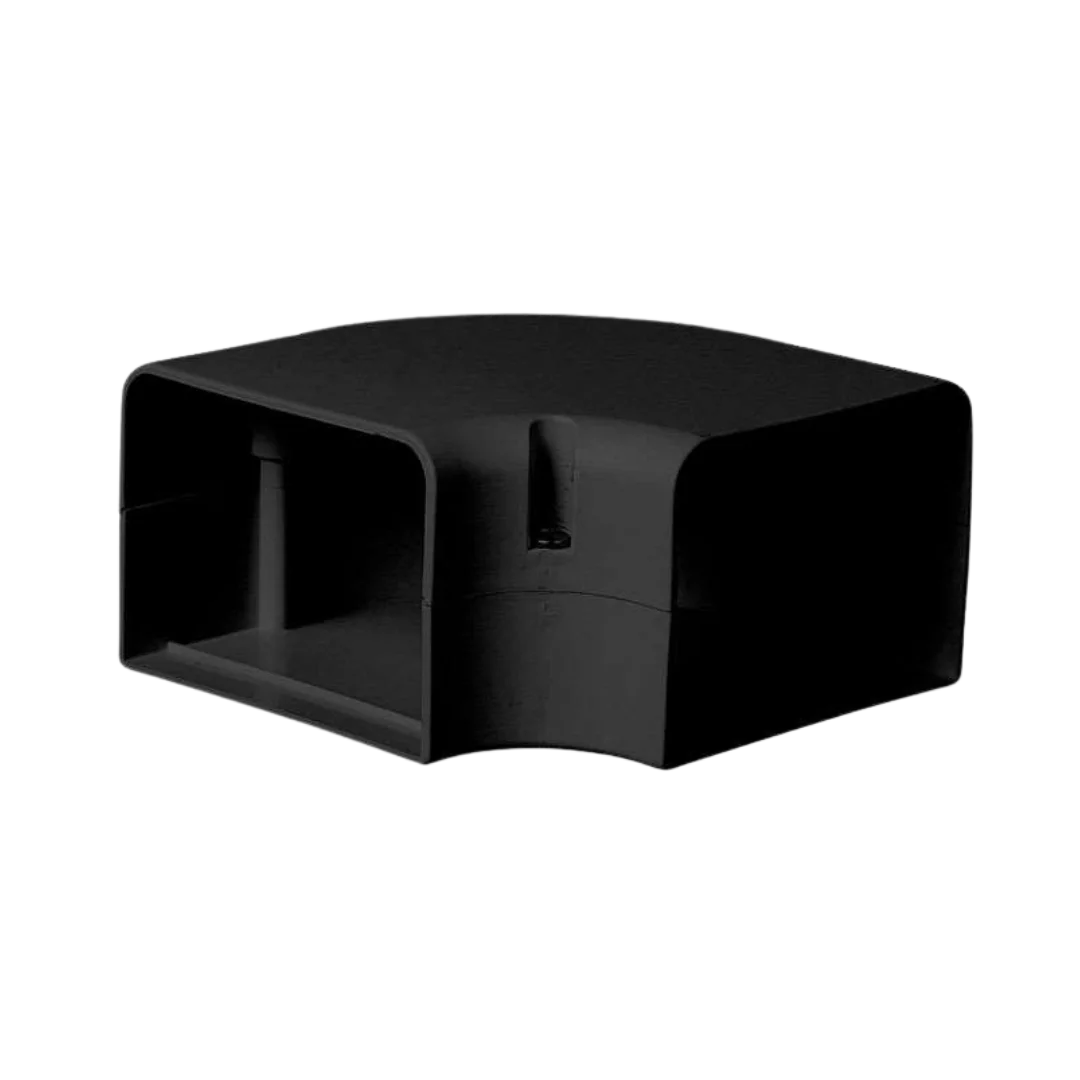
SpeediDuct Flat Elbow 90° - 70 mm (Black)
Item no. 452079EAN 5414618079634
Price excl. VAT€ 6,82Price incl. VAT€ 8,25
On backorder
Added
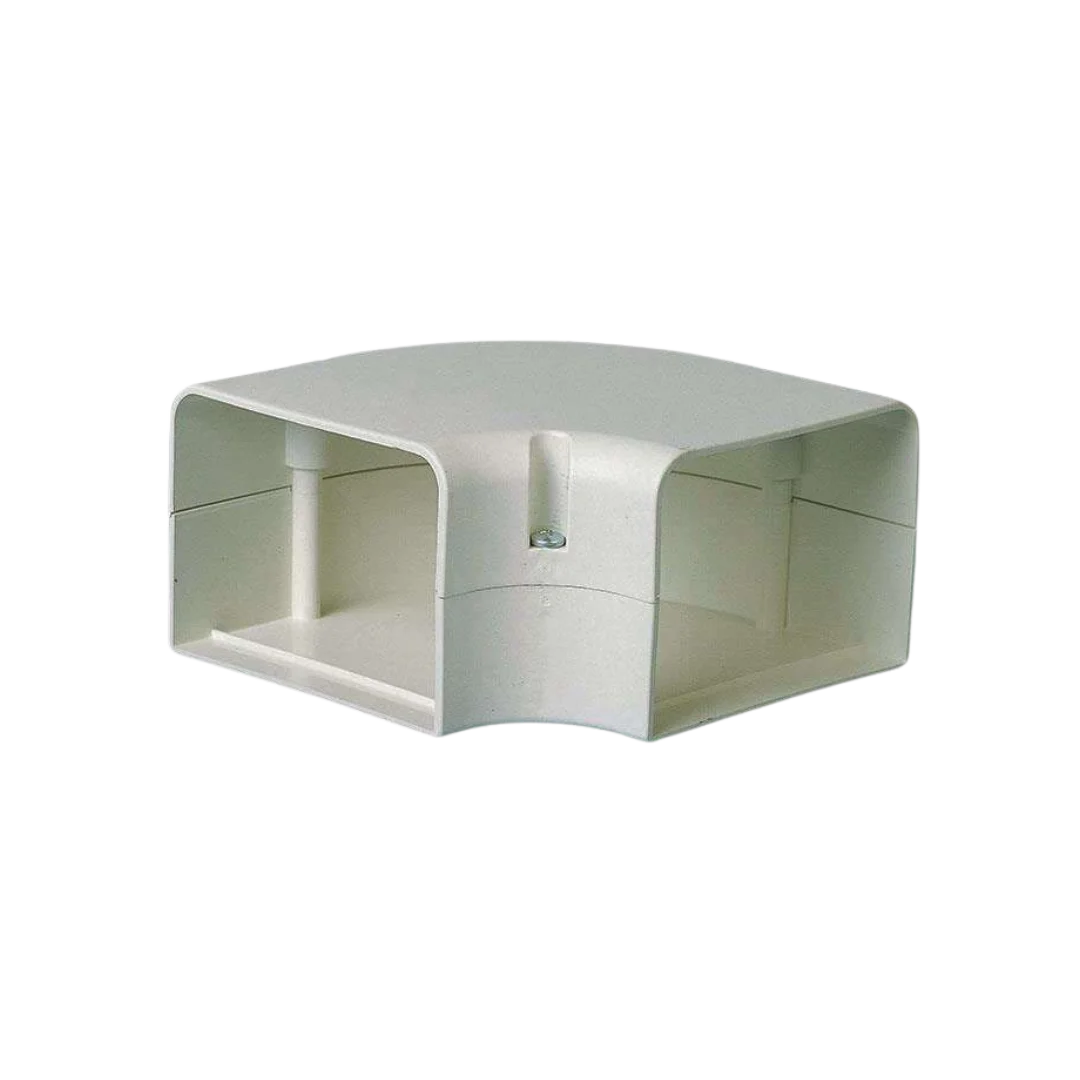
SpeediDuct Flat Elbow 90° – 70 mm (White)
Item no. 451070EAN 5414618466632
Price excl. VAT€ 6,20Price incl. VAT€ 7,50
In stock
Added
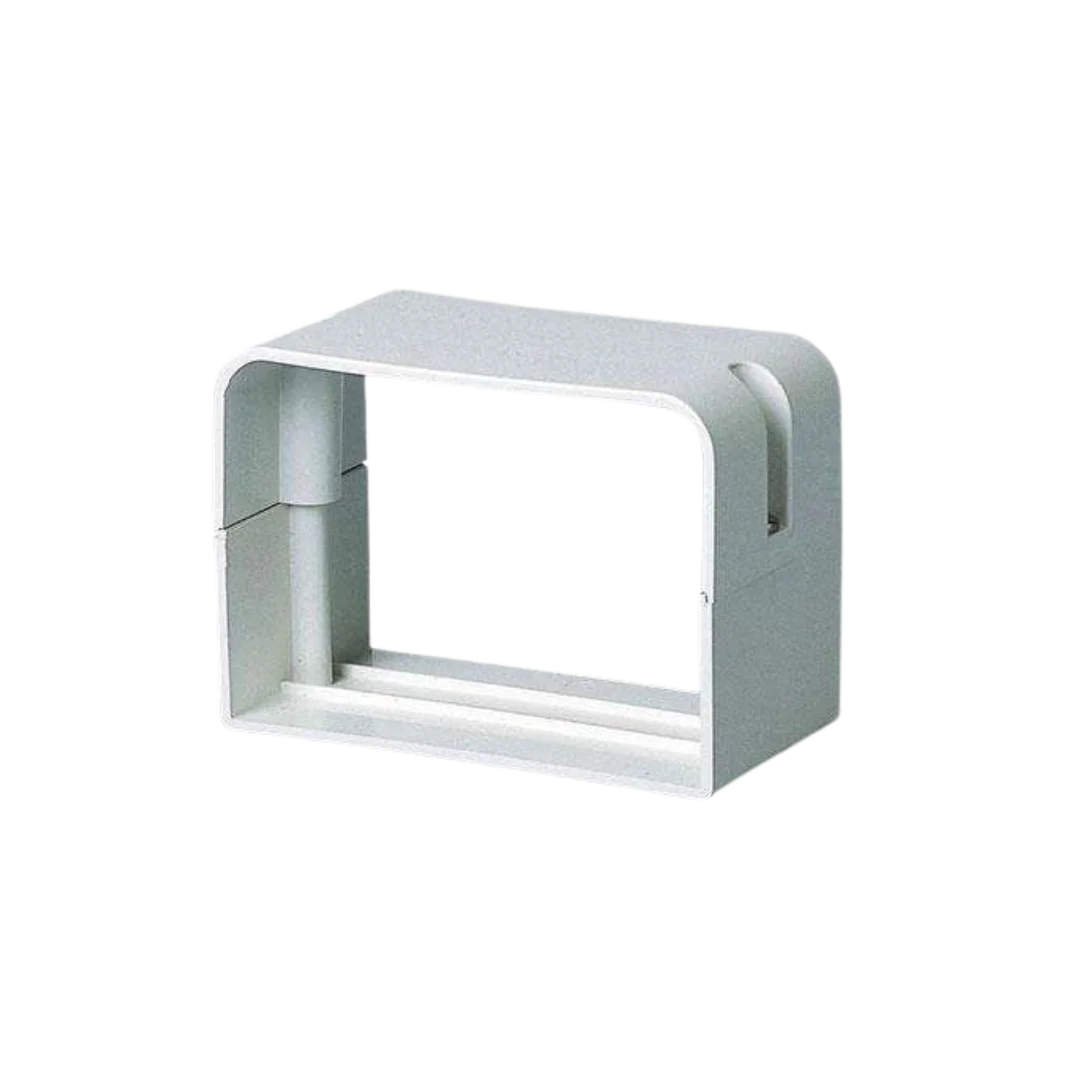
SpeediDuct Connector - 70 mm (White)
Item no. 451073EAN 5414618466779
Price excl. VAT€ 2,69Price incl. VAT€ 3,26
In stock
Added
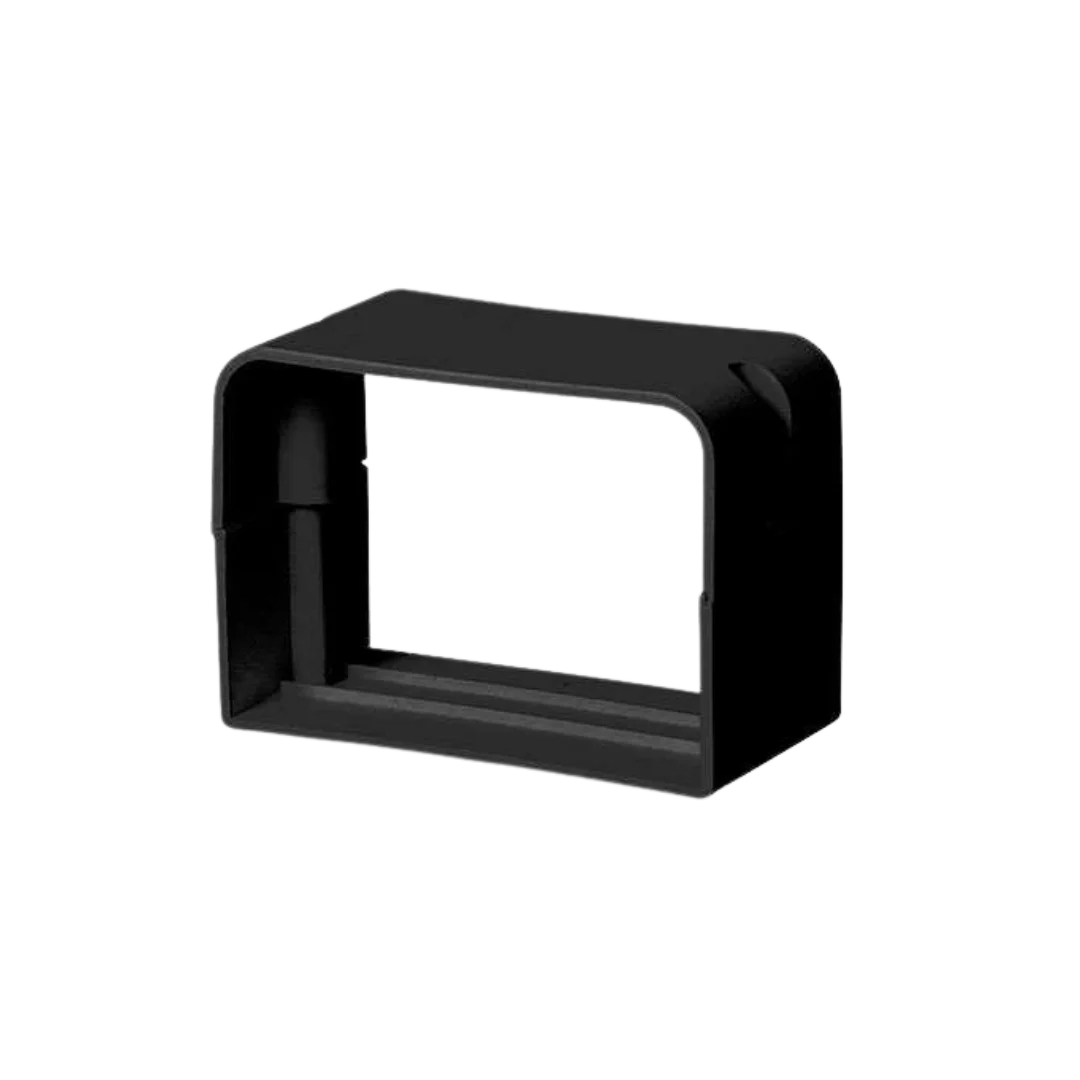
SpeediDuct Connector - 70 mm (Black)
Item no. 452073EAN 5414618079504
Price excl. VAT€ 2,93Price incl. VAT€ 3,55
On backorder
Added
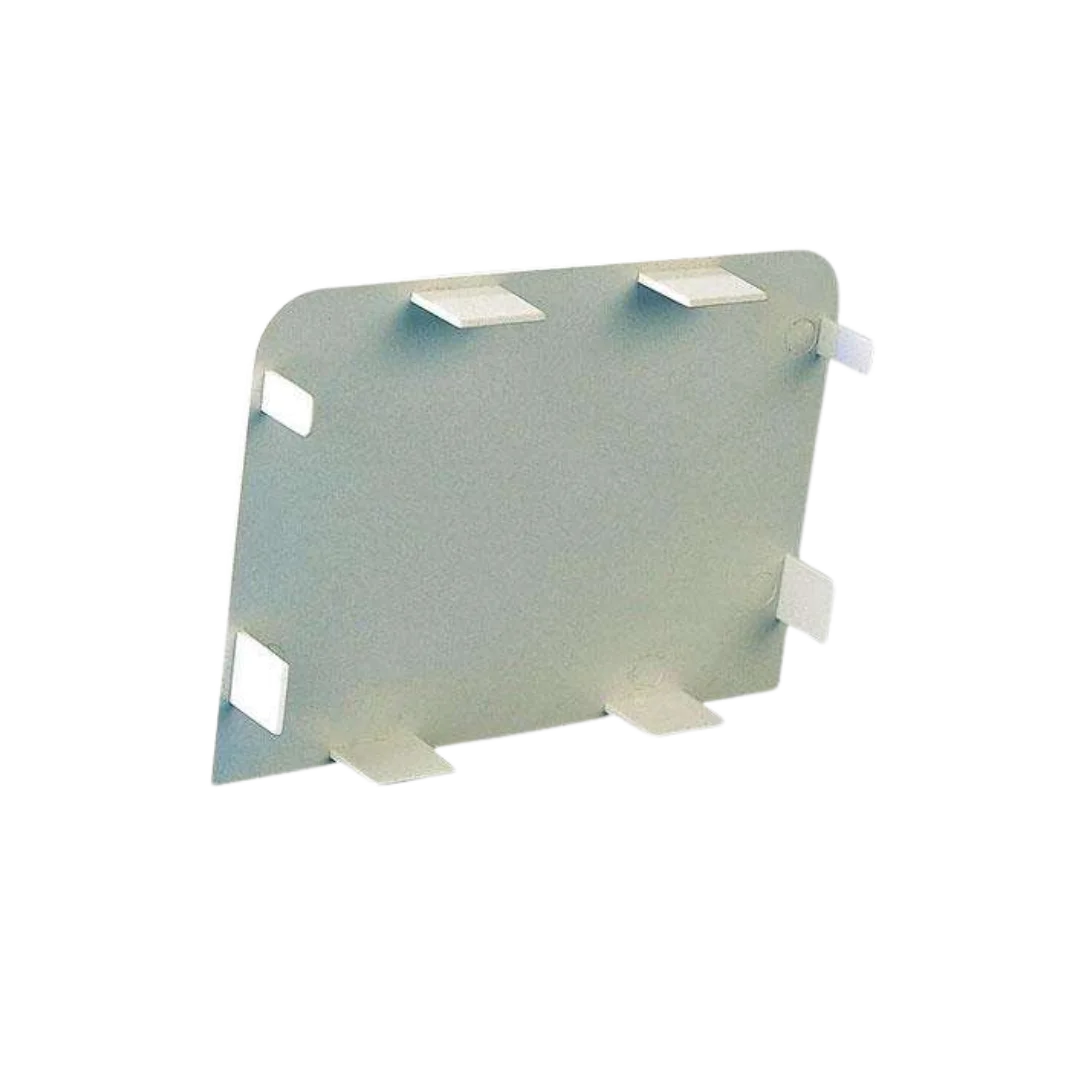
SpeediDuct End Cap - 70 mm (White)
Item no. 451071EAN 5414618466977
Price excl. VAT€ 3,39Price incl. VAT€ 4,10
In stock
Added
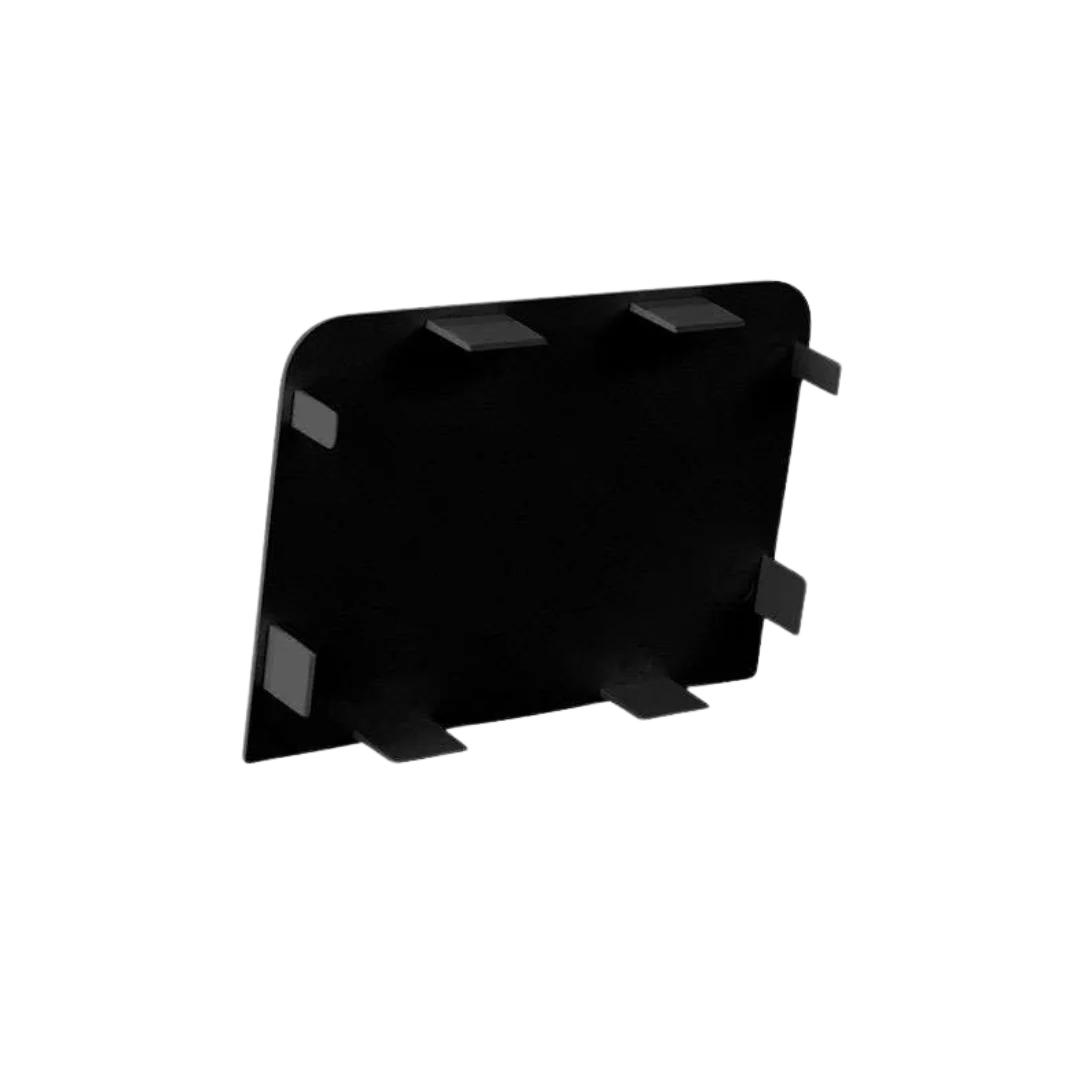
SpeediDuct End Cap - 70 mm (Black)
Item no. 452071EAN 5414618079528
Price excl. VAT€ 3,72Price incl. VAT€ 4,50
On backorder
Added
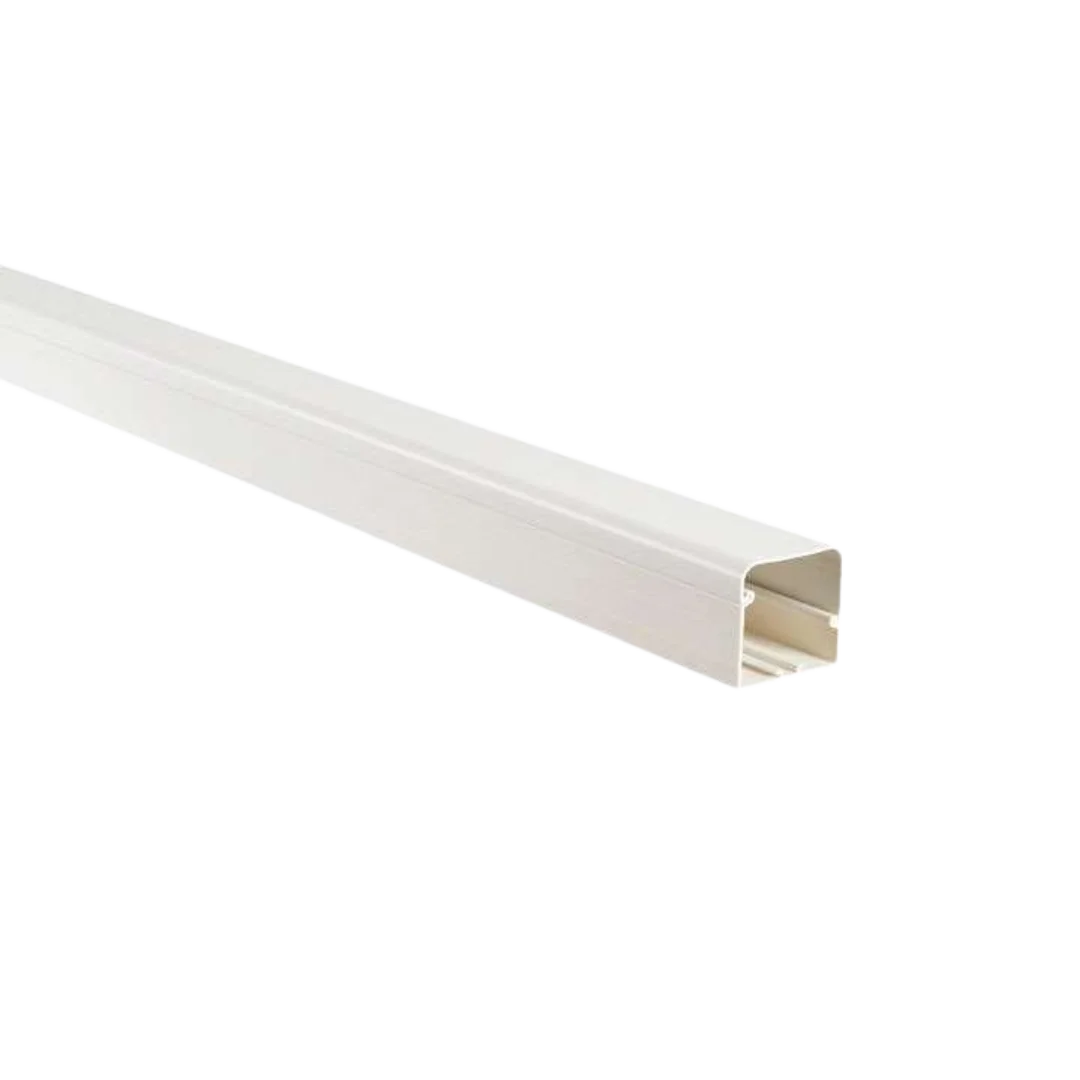
SpeediDuct Duct Channel – 2 metres – 70 mm (White)
Item no. 451027EAN 5414618466564
Price excl. VAT€ 16,12Price incl. VAT€ 19,51
On backorder
Added
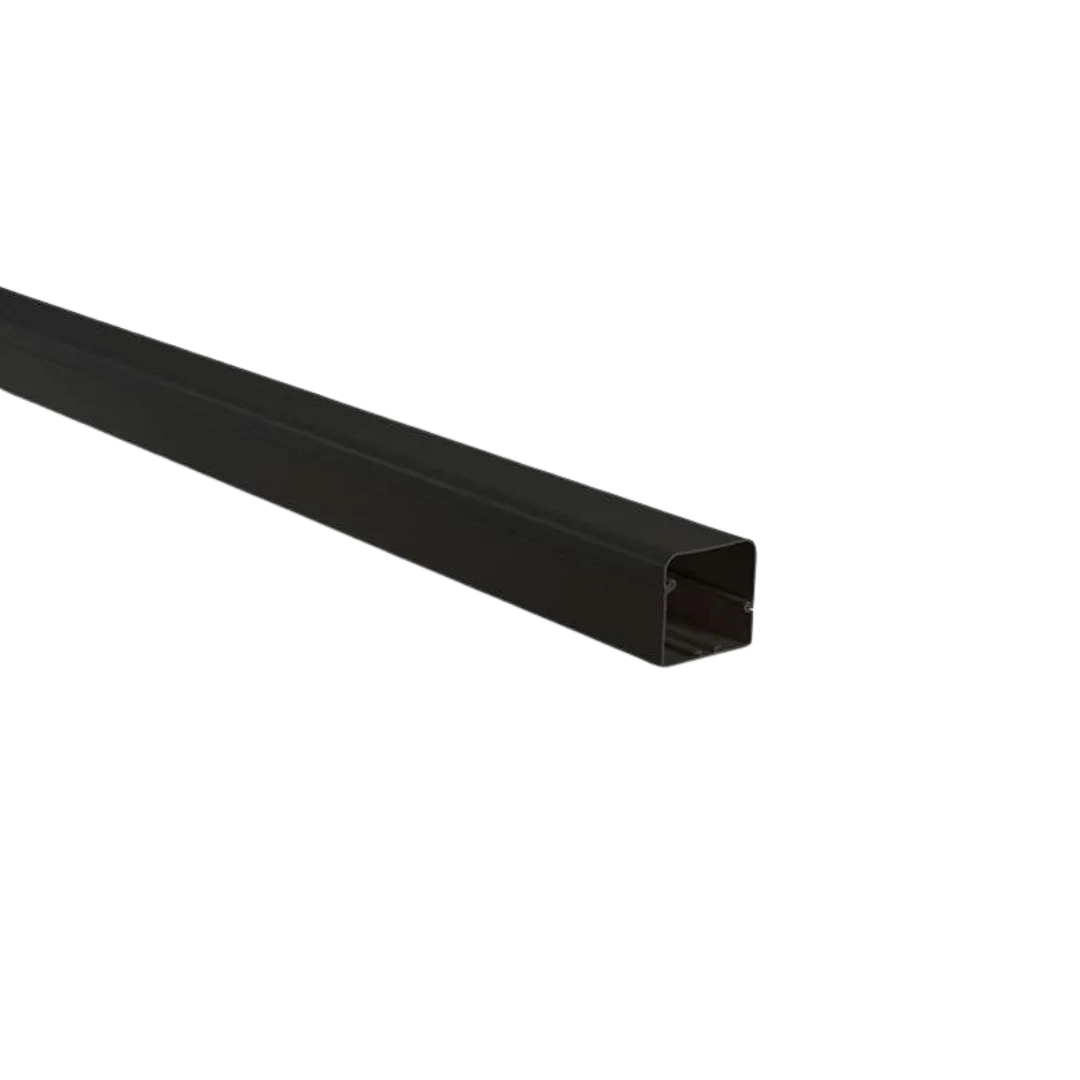
SpeediDuct Duct Channel - 2 metres - 70 mm (Black)
Item no. 452027EAN 5414618079481
Price excl. VAT€ 23,93Price incl. VAT€ 28,96
On backorder
Added
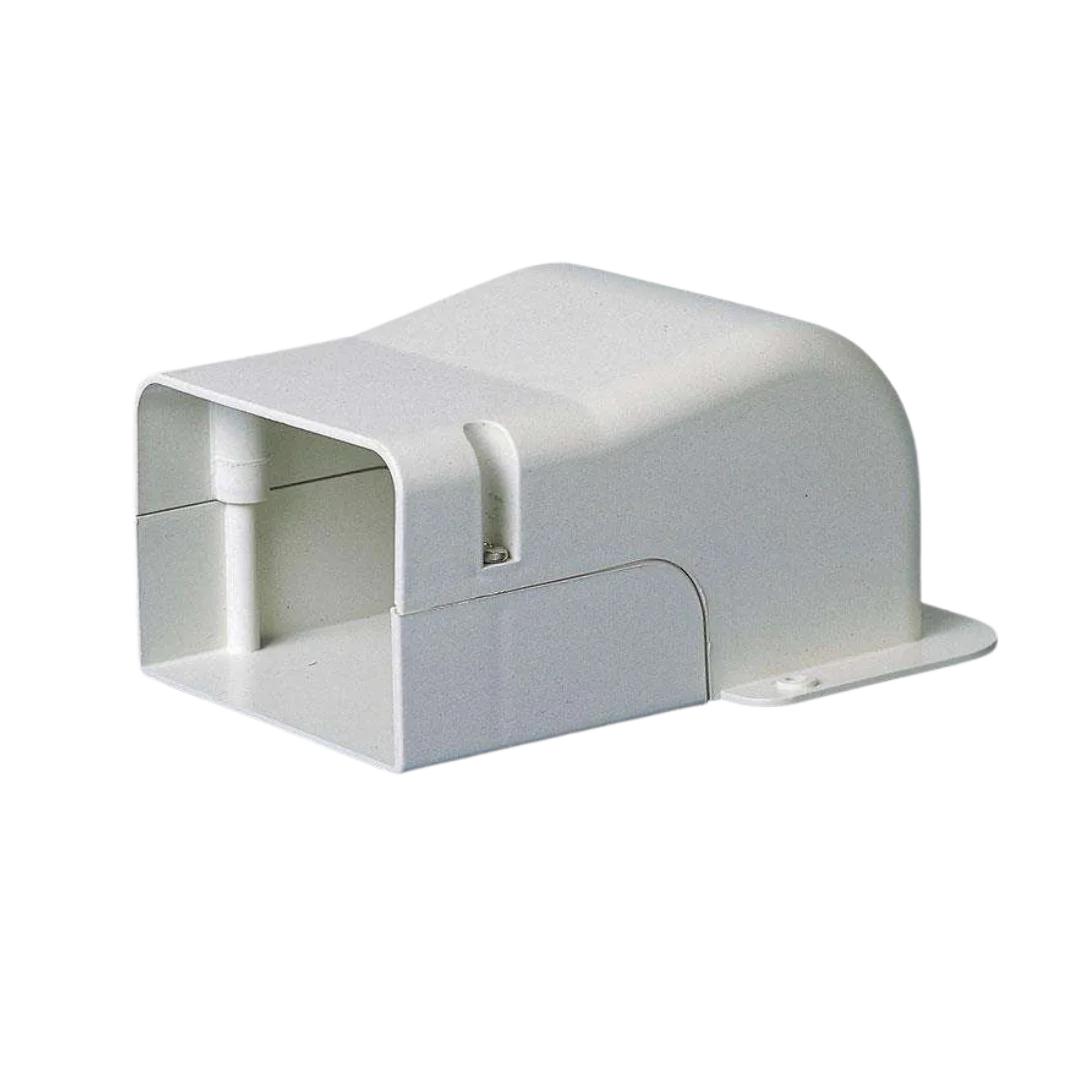
SpeediDuct Wall Cover - 70 mm (White)
Item no. 452072EAN 5414618466793
Price excl. VAT€ 6,57Price incl. VAT€ 7,95
In stock
Added
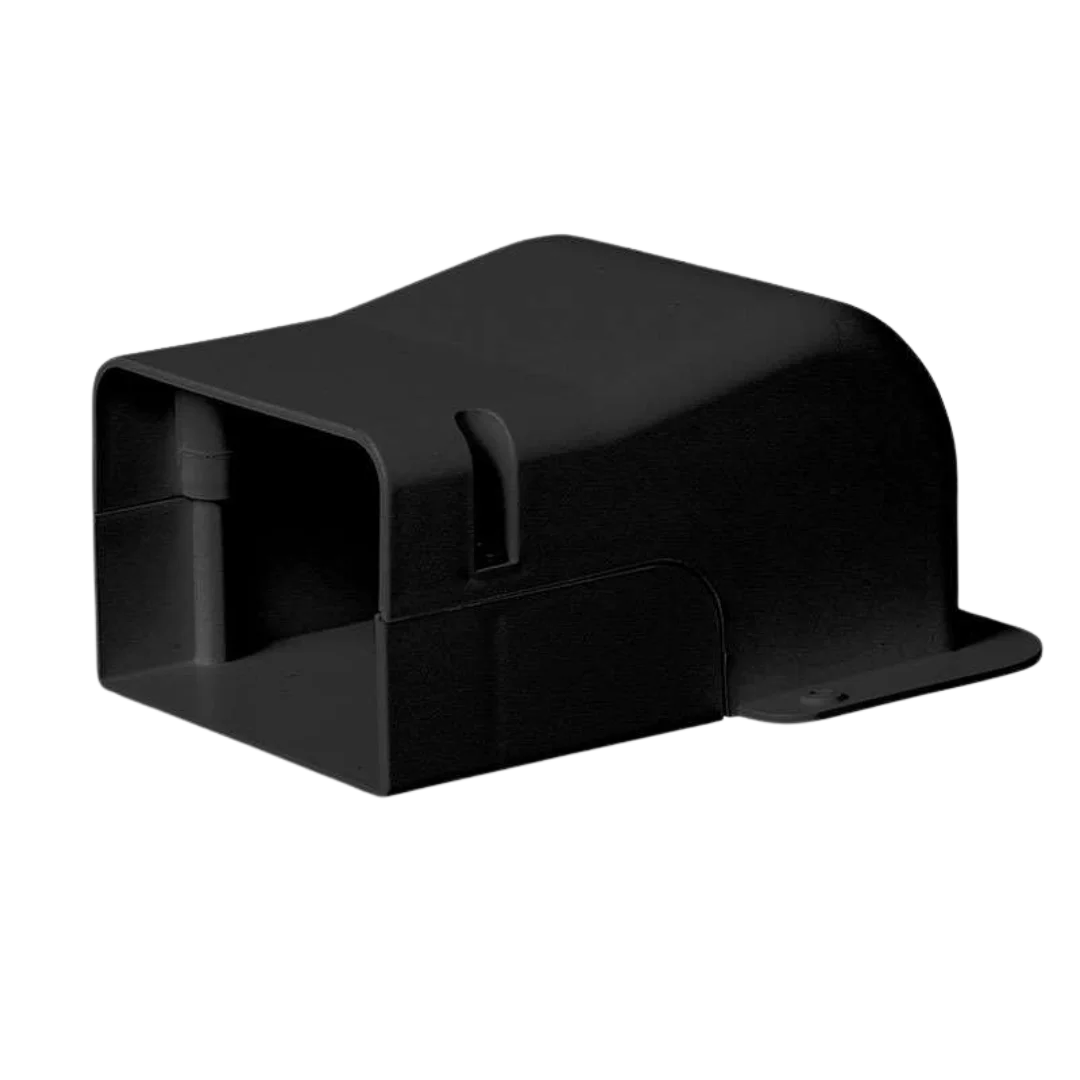
SpeediDuct Wall Cover - 70 mm (Black)
Item no. 452070EAN 5414618079542
Price excl. VAT€ 7,40Price incl. VAT€ 8,95
On backorder
Added
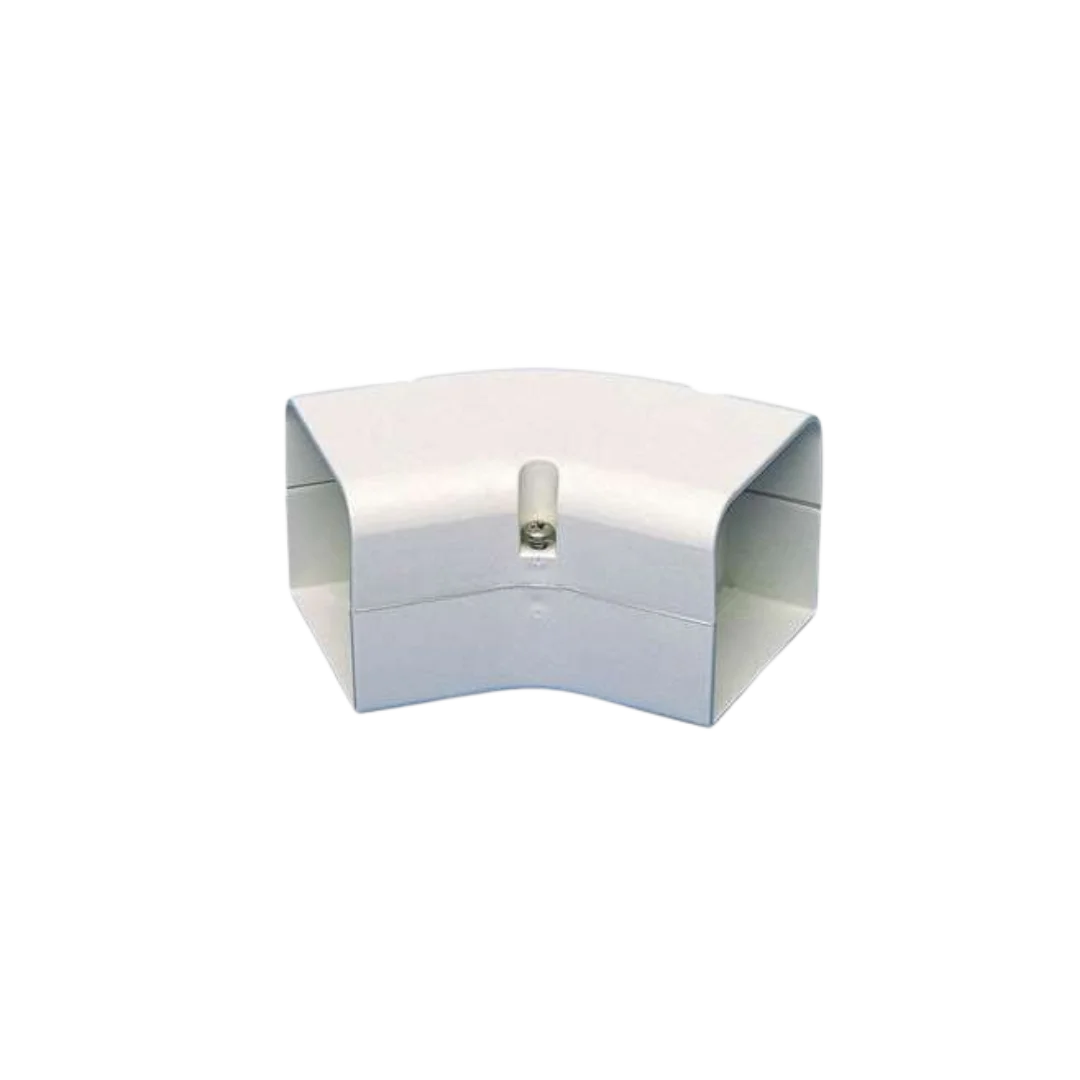
SpeediDuct Flat Elbow 45° - 70 mm (White)
Item no. 451074EAN 5414618466595
Price excl. VAT€ 5,74Price incl. VAT€ 6,95
In stock
Added
Selecting air conditioner trunking
Air conditioner trunking is used to route refrigerant pipework, condensate hose, communication cable and power cable neatly along the façade, wall or indoor route. In air conditioning installations, trunking not only provides a clean finish, but also adds protection against mechanical stress, UV exposure, dirt and weather conditions.
The right choice depends on the pipe route, number of lines, required trunking size, colour, mounting position and fittings used. For the complete installation setup, also review air conditioning installation material, refrigerant pipework and fittings and mounting material for air conditioning installation.
Important when choosing trunking
- Check whether the trunking size matches the refrigerant pipework, condensate hose and cables
- Select the correct colour, such as white or black, to match the façade or interior finish
- Use suitable bends, connectors, end caps and wall penetrations
- Check straight installation, sufficient fixing points and a neat wall connection
- Allow for condensate drainage, slope and free space around the pipework
- Avoid sharp kinks in refrigerant pipework and condensate hose inside the trunking
- Use trunking suitable for outdoor mounting when applied on the façade
Neat pipe finishing for split and multi split air conditioners
In a split air conditioning system, there is always a pipe route between the indoor unit and outdoor unit. This route usually consists of insulated refrigerant pipes, condensate drainage, communication cable and power supply. Without proper finishing, these components can be vulnerable to damage and the installation may look less professional. Trunking keeps the pipe bundle together and creates a cleaner visual result.
In multi split installations, the pipe route can be more extensive because several indoor units are combined with one outdoor unit. In that case, it is especially important to determine in advance where trunking, bends, wall caps and connectors will be placed. A neat trunking layout helps prevent open joints, uneven transitions, unnecessary stress on pipes and issues with condensate drainage or service access.
Frequently asked questions about air conditioner trunking
What is air conditioner trunking used for?
Trunking is used to protect and neatly finish refrigerant pipes, condensate hose and cables between the indoor unit and outdoor unit of an air conditioning system.
Which trunking size do I need?
The correct size depends on the number of lines, refrigerant pipe diameter, condensate hose, cables and available mounting space. Always check that everything fits inside the trunking without kinks.
Which fittings are used with trunking?
Common fittings include connectors, end caps, wall caps, internal bends, external bends, flat bends and mounting material. The exact selection depends on the pipe route.
Can trunking be used outdoors?
Yes, trunking is often used outdoors along the façade. Check UV resistance, firm fixing, neat connections and sufficient protection against rain, wind and mechanical stress.
What should an installer check during installation?
Check straight mounting, sufficient fixing points, suitable bends, neat wall penetration, correct condensate drainage, minimum bending radius of refrigerant pipework and accessibility for service or replacement.