Filters
 Loading…
Check valve
A check valve is used to prevent unwanted backflow in heating systems, heat pump installations, boiler setups or hydronic pipework. The valve allows flow in one direction and closes when water attempts to flow the wrong way.
At Hewa, you will find check valves for installation, service work, renovation and technical replacement. When selecting the correct version, check connection size, flow direction, material, pressure class, temperature suitability and installation position.
Brands

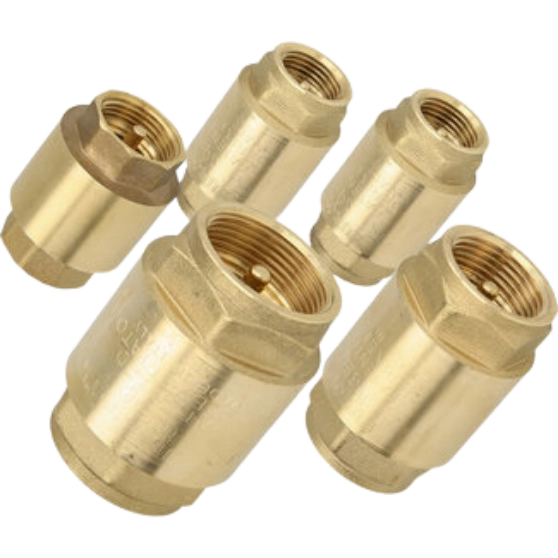
ITAP Spring-Loaded check valve - Europa Type - Brass 1" female thread
Item no. 210101EAN 8721082877572
Price excl. VAT€ 20,62Price incl. VAT€ 24,95
In stock
Added
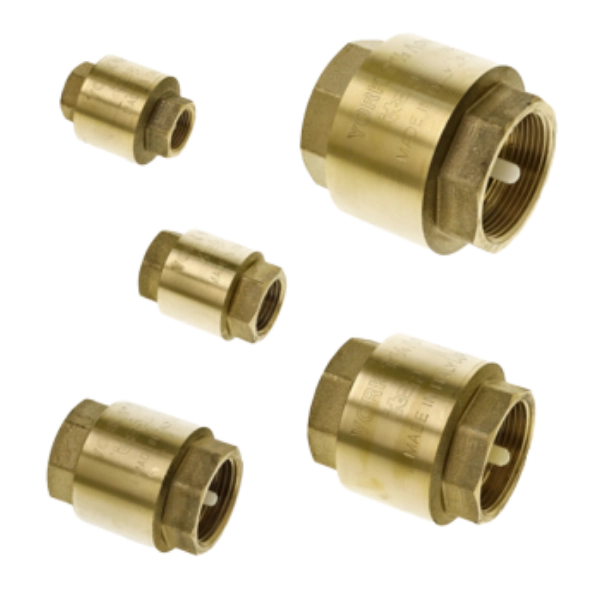
ITAP Spring-Loaded Check Valve - Type York - Brass 1" Female Thread
Item no. 210102EAN 8721082877565
Price excl. VAT€ 16,49Price incl. VAT€ 19,95
In stock
Added
Selecting a check valve
A check valve prevents heating water or domestic water from flowing back in the wrong direction within a pipe section. This is important in installations where flow direction, pressure difference and hydraulic separation affect system operation. The valve opens when flow moves in the correct direction and closes when the flow reverses.
When selecting a check valve, connection size, material, flow capacity, pressure class, temperature suitability and installation position are key factors. Always check the indicated flow direction on the valve body, so the valve is installed correctly in the pipework.
Important when choosing check valves
- Check the correct connection size, such as female or male thread
- Pay attention to the flow direction marked on the valve
- Choose a version suitable for heating water or domestic water
- Match pressure class and temperature class to the installation
- Check whether the valve is suitable for horizontal or vertical installation
- Ensure accessibility for inspection, service and replacement
- Have installation carried out by a qualified installer
Check valve in the installation layout
A check valve is often combined with other components in heating systems, heat pump installations, boilers and hydronic pipework. For proper hydraulic operation, the valve must match the flow direction, pump operation and control components in the system. Also review related categories such as circulation pumps for heating systems, 2-way and 3-way valves for control and ball valves for isolation and service.
An incorrectly installed check valve can cause unwanted flow, circulation problems, pipe noise or reduced performance of control components. Always check the installation layout, the position relative to the pump and the intended flow direction before installing the valve.
Frequently asked questions about check valves
What is a check valve used for?
A check valve is used to prevent water from flowing back in the wrong direction. The valve allows flow in one direction and closes when the flow reverses.
What should I check when selecting a check valve?
Check connection size, material, pressure class, temperature suitability, flow direction and application. The valve must match the pipework and hydraulic layout of the installation.
Can a check valve be used in a heating system?
Yes, check valves are commonly used in heating systems and other hydronic systems to prevent unwanted backflow or incorrect circulation.
Does the installation direction matter?
Yes, the installation direction is important. The valve body usually has an arrow indicating the correct flow direction. If the valve is installed incorrectly, the system may not operate properly.
When should a check valve be replaced?
Replacement is recommended if the valve leaks, sticks, is contaminated, causes noise or no longer closes properly. Inspection during service or maintenance helps prevent faults.