Filters
 Loading…
Press fitting
A press fitting is used to connect pipes quickly, neatly and permanently. By pressing the fitting onto the pipe with suitable press tools, a fixed connection is created that is widely used in heating systems, water-based installations and technical pipework.
At Hewa, you will find press fittings in various designs, such as straight connectors, elbows, angled fittings, T-pieces, reducers and threaded adapters. When selecting the right fitting, check pipe size, press profile, material, connection type, pressure class, temperature, press tools and compatibility with the selected pipe system.
Brands



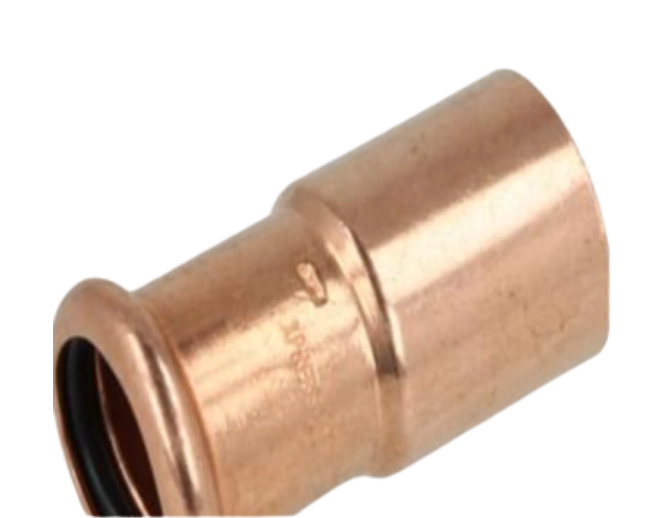
OEG 802009172 - Copper reducing press fitting M-profile (15 mm x 22 mm)
Item no. 349172EAN 5022050013637
Price excl. VAT€ 2,56Price incl. VAT€ 3,10
In stock
Added
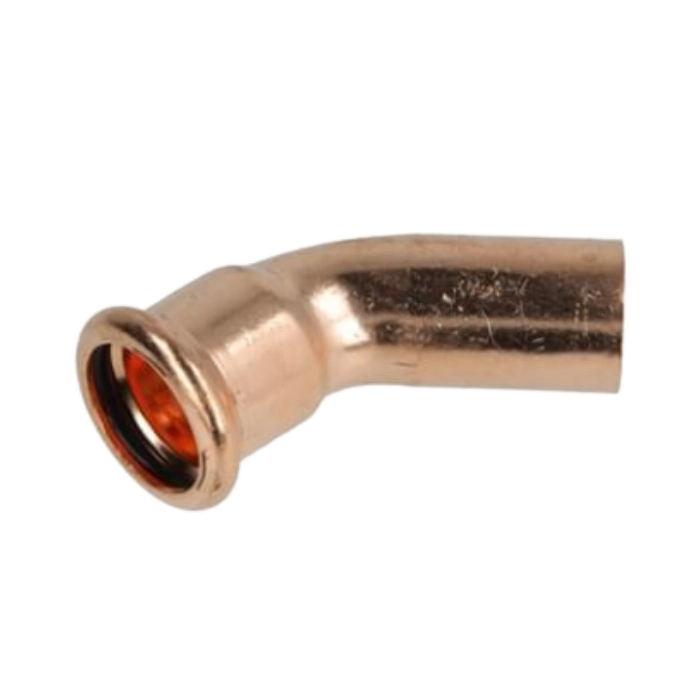
OEG 802009038 - Copper extension press fitting M-profile 45° elbow (22 mm)
Item no. 349038EAN 5022050014191
Price excl. VAT€ 3,18Price incl. VAT€ 3,85
In stock
Added
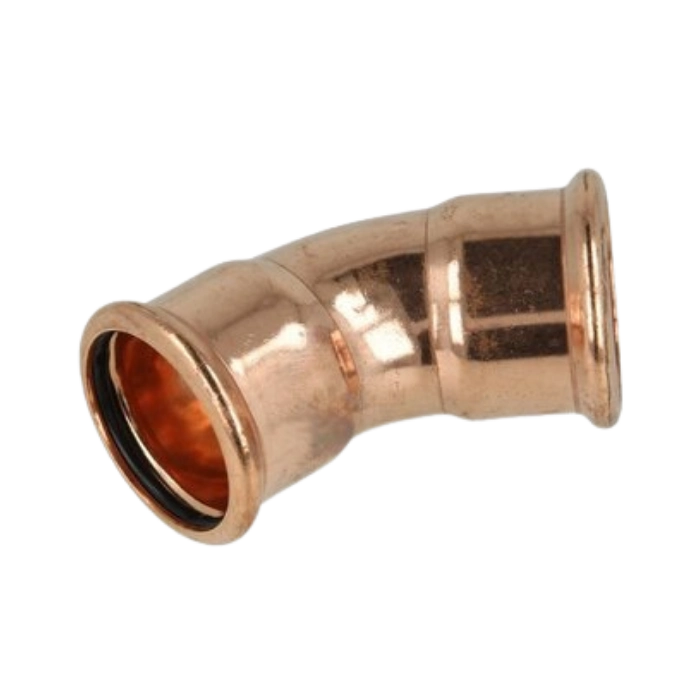
OEG 802009050 - Copper press fitting M-profile 45° elbow (15 mm)
Item no. 349050EAN 5022050014245
Price excl. VAT€ 2,90Price incl. VAT€ 3,51
In stock
Added
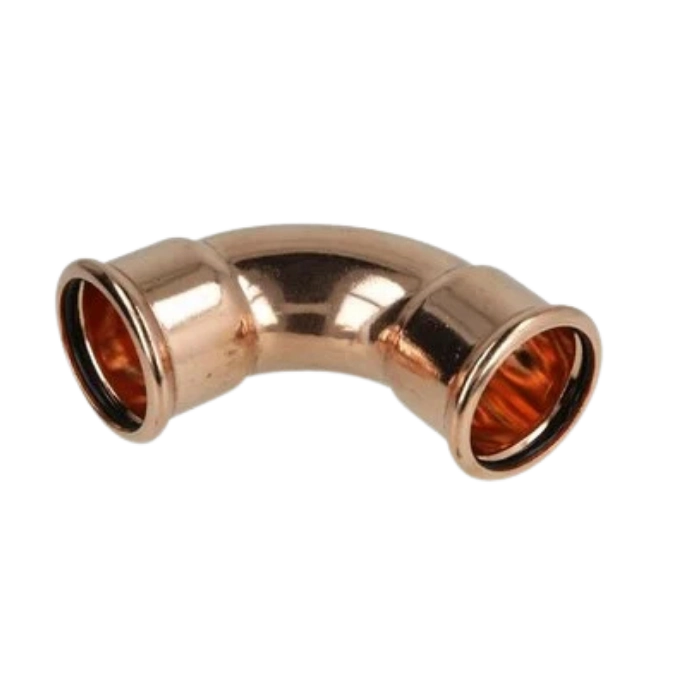
OEG 802009018 - Copper press fitting M-profile 90° elbow (15 mm)
Item no. 349018EAN 5022050013880
Price excl. VAT€ 2,66Price incl. VAT€ 3,22
In stock
Added
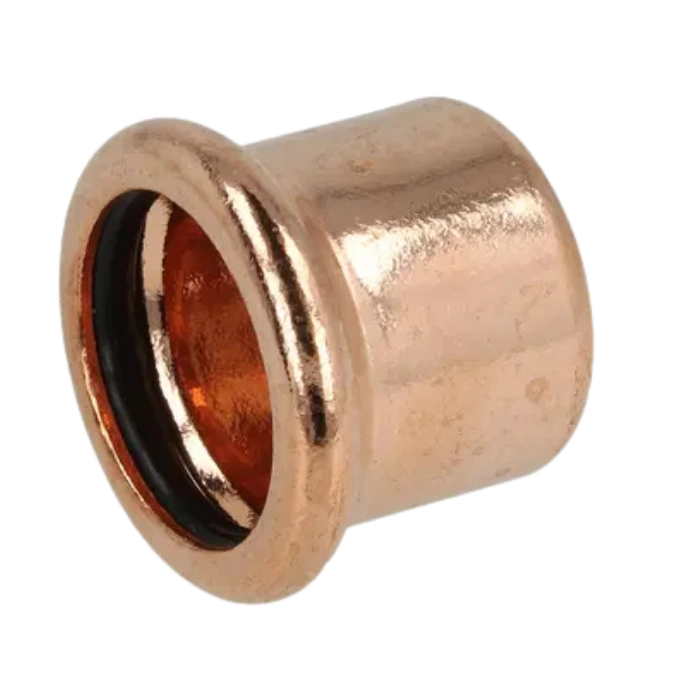
OEG 802009228 - Copper press fitting M-profile cap (15 mm)
Item no. 349228EAN 5022050387127
Price excl. VAT€ 4,33Price incl. VAT€ 5,24
In stock
Added
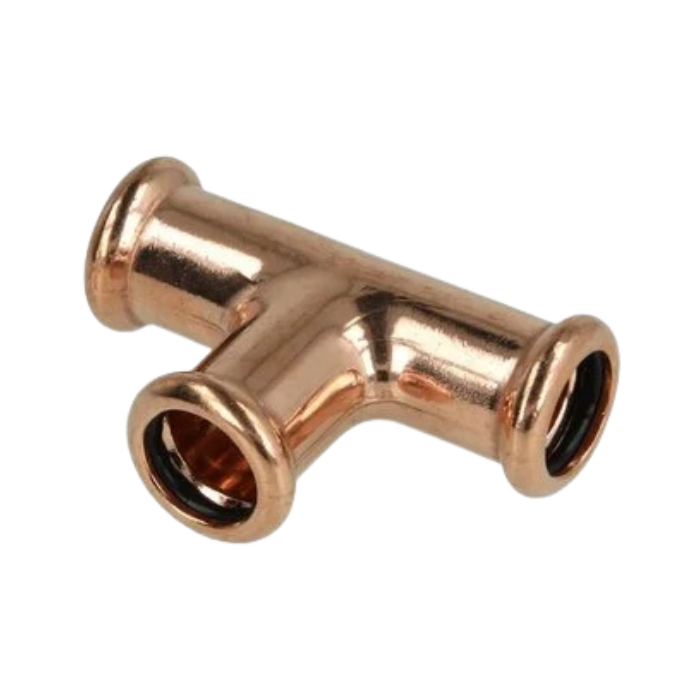
OEG 802009084 - Copper press fitting M-profile tee (15 mm)
Item no. 349084EAN 4250709510690
Price excl. VAT€ 3,61Price incl. VAT€ 4,37
In stock
Added
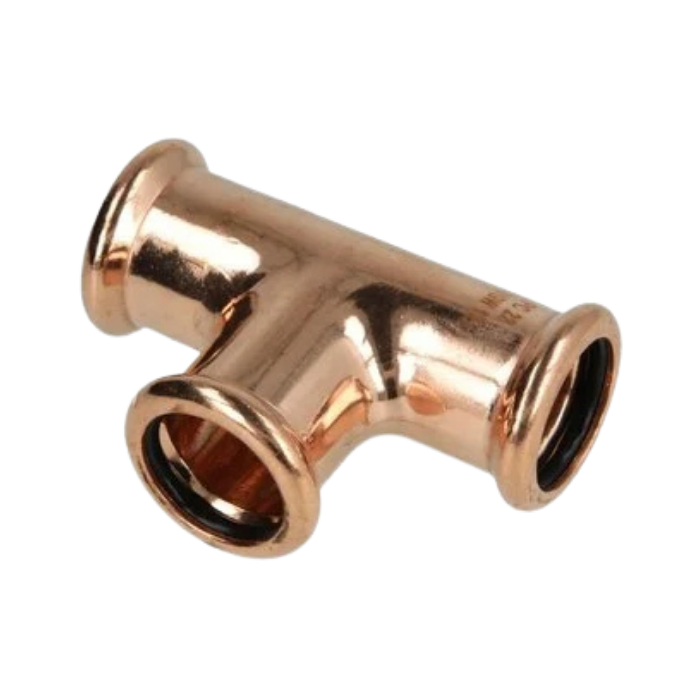
OEG 802009088 - Copper press fitting M-profile tee (22 mm)
Item no. 349088EAN 4250709510713
Price excl. VAT€ 5,22Price incl. VAT€ 6,32
In stock
Added
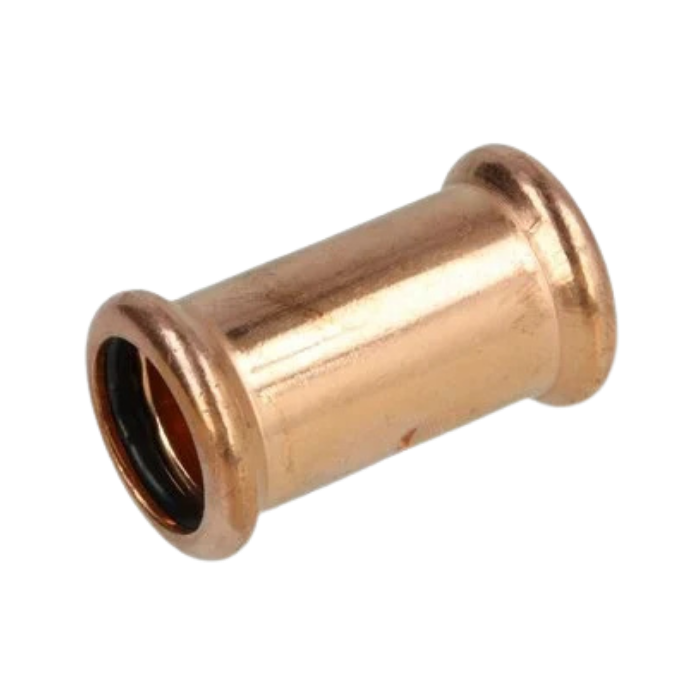
OEG 802009204 - Copper press fitting coupling M-profile (22 mm)
Item no. 349222EAN 5022050013316
Price excl. VAT€ 3,08Price incl. VAT€ 3,73
In stock
Added
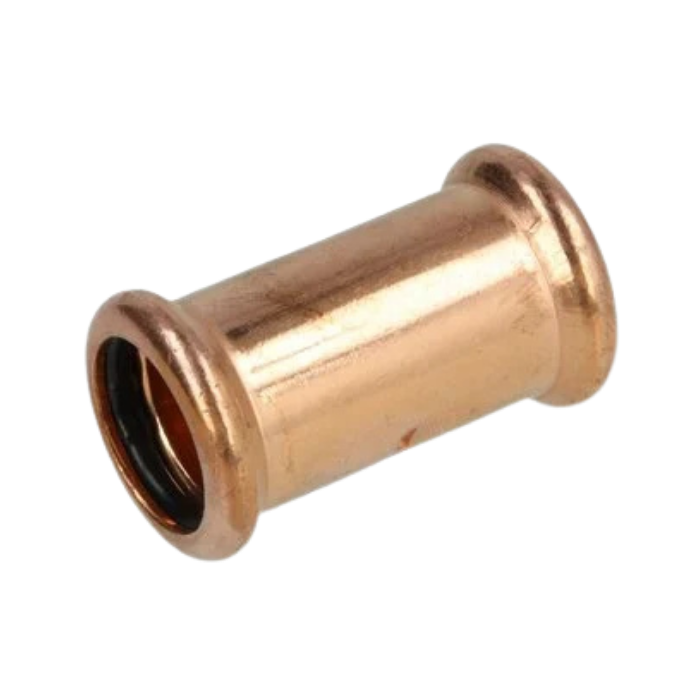
OEG 802009200 - Copper press fitting coupling M-profile (15 mm)
Item no. 349215EAN 4250709510164
Price excl. VAT€ 2,38Price incl. VAT€ 2,88
In stock
Added
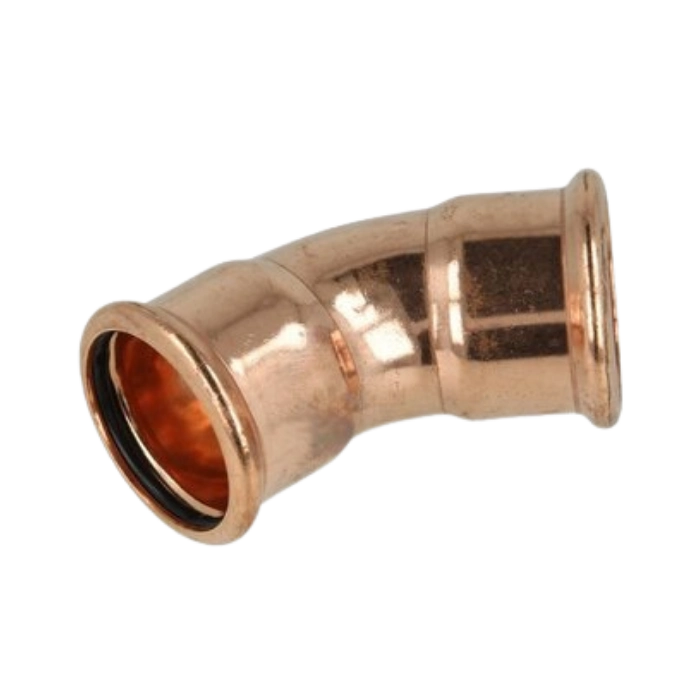
OEG 802009054 - Copper press fitting M-profile 45° elbow (22 mm)
Item no. 349054EAN 4250709510461
Price excl. VAT€ 3,34Price incl. VAT€ 4,04
In stock
Added
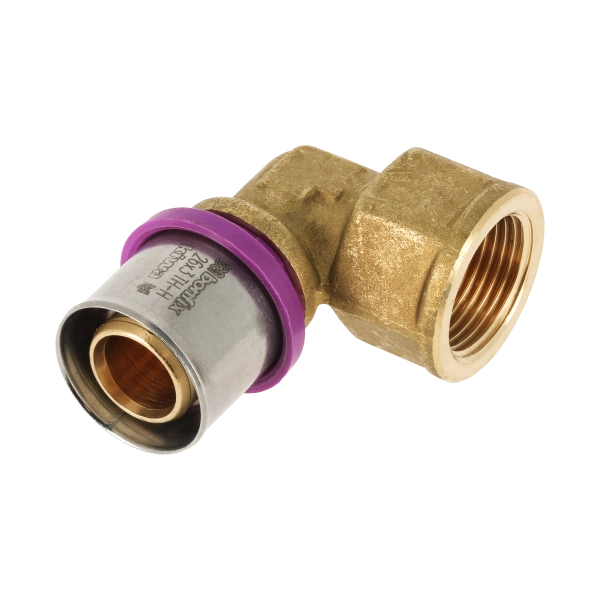
BONFIX 2001155 - Brass Press Elbow 90° (26 x G 1" F)
Item no. 111155EAN 8717845021238
Price excl. VAT€ 15,60Price incl. VAT€ 16,46
In stock
Added

BONFIX 2000905 - Brass Press Elbow 90° (16 x 16 mm)
Item no. 110905EAN 8717845020842
Price excl. VAT€ 4,70Price incl. VAT€ 5,69
In stock
Added

BONFIX 2000915 - Brass Press Elbow 90° (20 x 20 mm)
Item no. 110915EAN 8717845020866
Price excl. VAT€ 7,00Price incl. VAT€ 8,47
In stock
Added
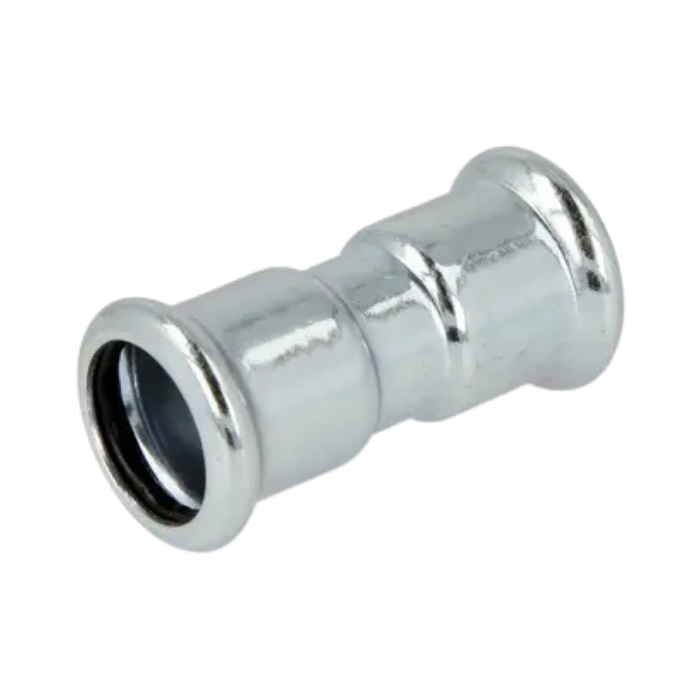
OEG 802004538 - C-steel press fitting coupling M-profile (22 mm)
Item no. 344538EAN 4055668022112
Price excl. VAT€ 1,45Price incl. VAT€ 1,76
In stock
Added
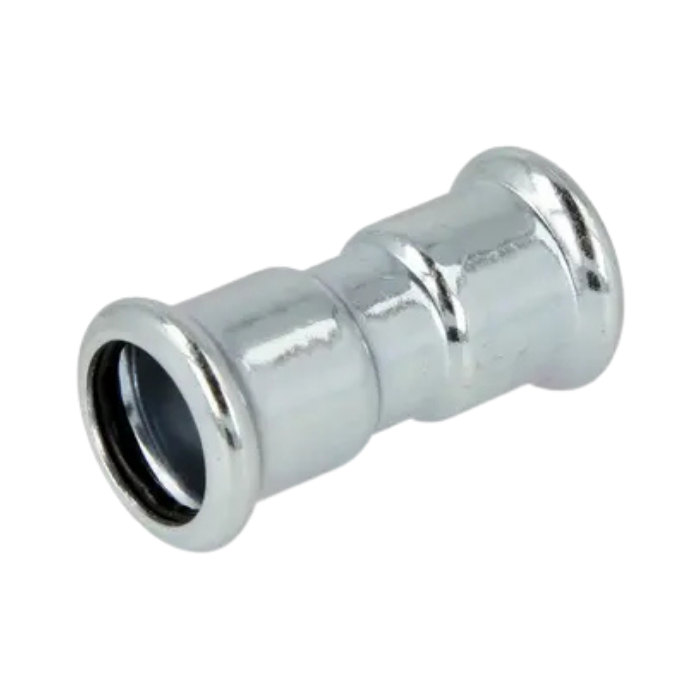
OEG 802004539 - C-steel press fitting coupling M-profile (28 mm)
Item no. 344539EAN 4055668023607
Price excl. VAT€ 2,08Price incl. VAT€ 2,52
In stock
Added
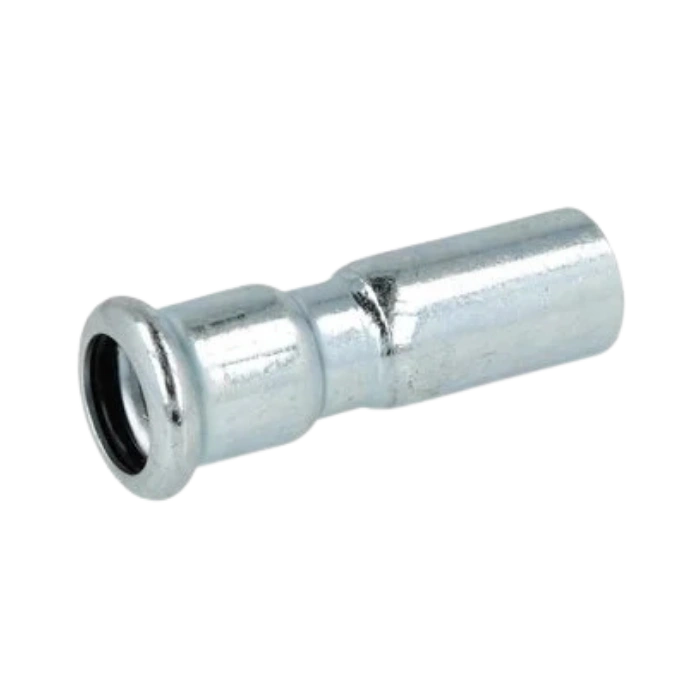
OEG 802004555 – C-steel reducing press fitting M-profile (22 x 28 mm)
Item no. 344555EAN 4250709501391
Price excl. VAT€ 2,78Price incl. VAT€ 3,36
In stock
Added
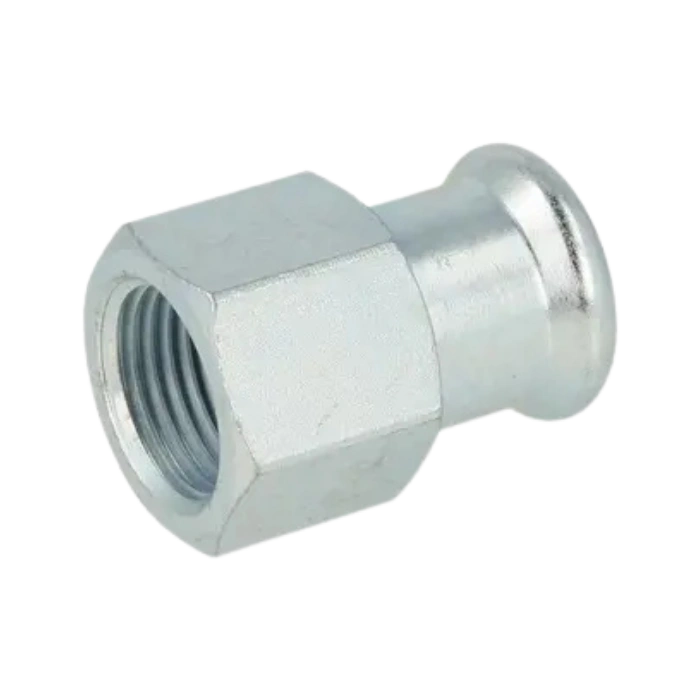
OEG 802004608 – C-steel reducing press fitting M-profile (22 mm x 3/4" F)
Item no. 344608EAN 4055668024369
Price excl. VAT€ 4,22Price incl. VAT€ 5,11
In stock
Added
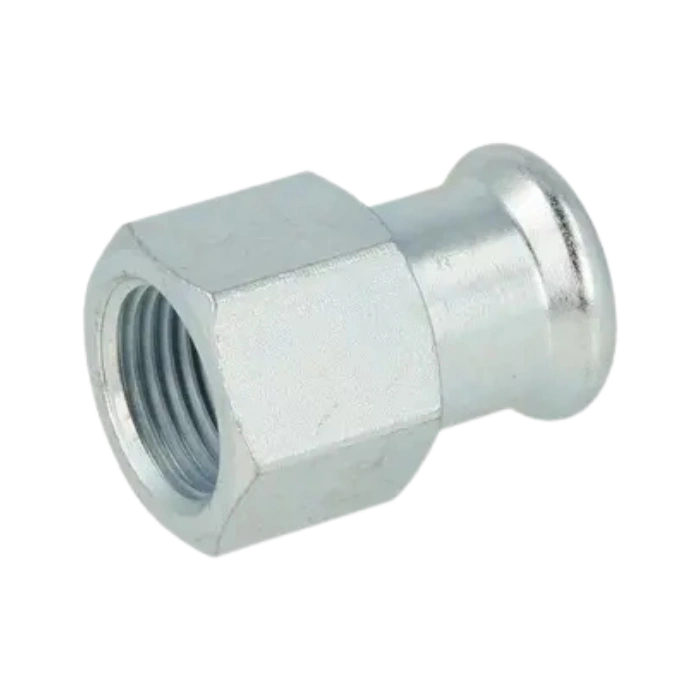
OEG 802004610 - C-steel reducing press fitting M-profile (28 mm x 1" F)
Item no. 344610EAN 4055668023553
Price excl. VAT€ 4,91Price incl. VAT€ 5,94
In stock
Added
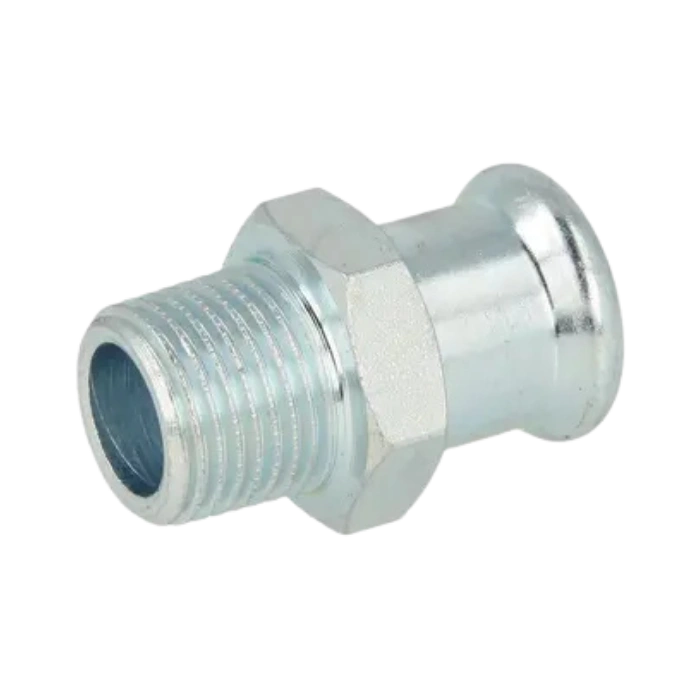
OEG 802004602 - C-steel reducing press fitting M-profile (28 mm x 1" male)
Item no. 344602EAN 4055668022259
Price excl. VAT€ 5,22Price incl. VAT€ 6,32
In stock
Added
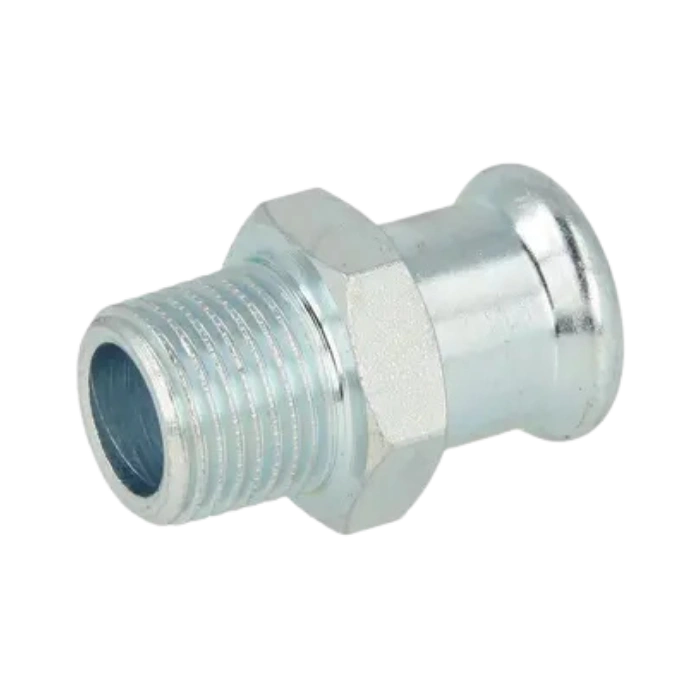
OEG 802004601 - C-steel reducing press fitting M-profile (22 mm x 3/4" male)
Item no. 344601EAN 4055668022167
Price excl. VAT€ 3,78Price incl. VAT€ 4,57
In stock
Added
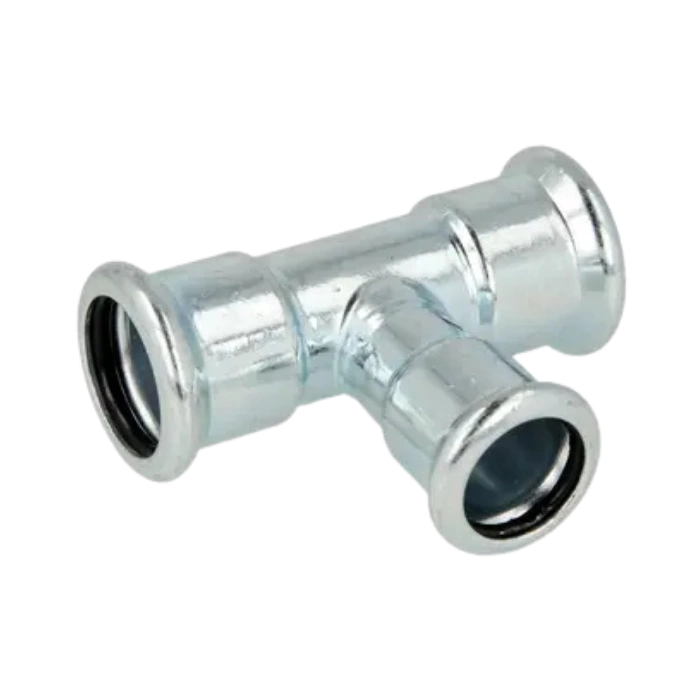
OEG 802004577 - C-steel reducing tee press fitting M-profile (28 x 22 x 28 mm)
Item no. 344577EAN 4250709501902
Price excl. VAT€ 5,18Price incl. VAT€ 6,27
In stock
Added
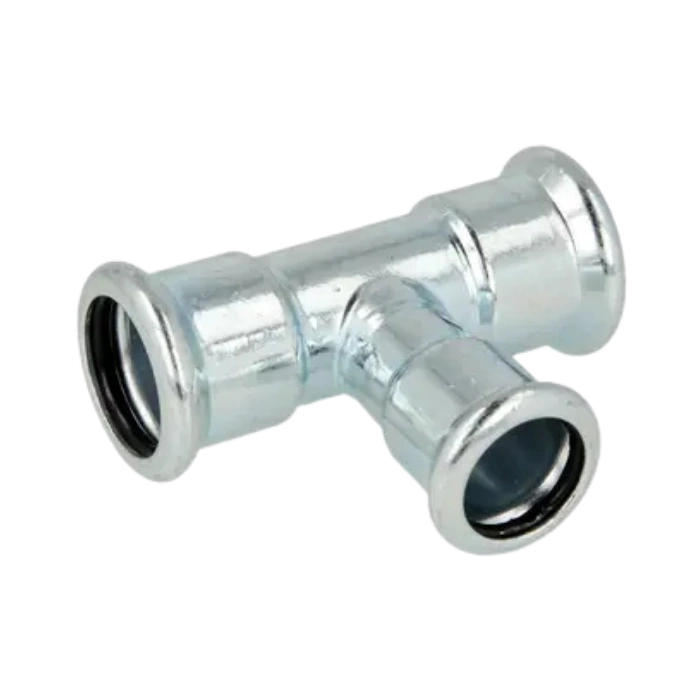
OEG 802004562 - C-steel press fitting tee M-profile (28 mm)
Item no. 344562EAN 4055668022785
Price excl. VAT€ 4,48Price incl. VAT€ 5,42
In stock
Added
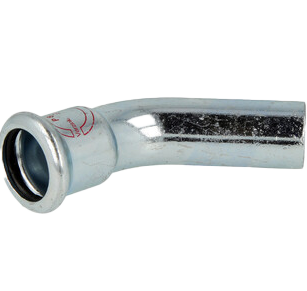
OEG 802004521 - C-steel extension press fitting 45° elbow M-profile (22 mm)
Item no. 344521EAN 4055668022440
Price excl. VAT€ 2,21Price incl. VAT€ 2,67
In stock
Added
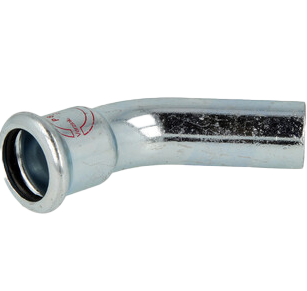
OEG 802004522 - C-steel extension press fitting 45° elbow M-profile (28 mm)
Item no. 344522EAN 4055668022457
Price excl. VAT€ 2,88Price incl. VAT€ 3,49
In stock
Added
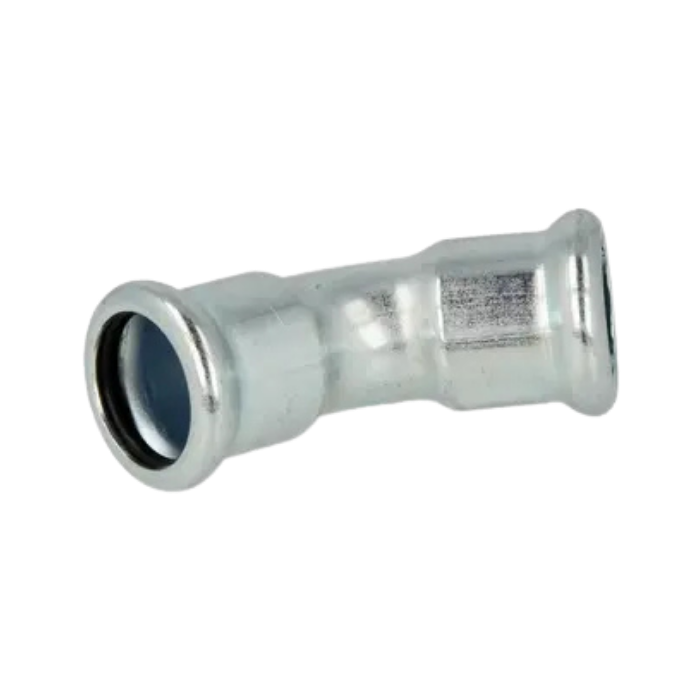
OEG 802004515 - C-steel press fitting M-profile 45° elbow (22 mm)
Item no. 344515EAN 4055668022761
Price excl. VAT€ 2,32Price incl. VAT€ 2,81
In stock
Added
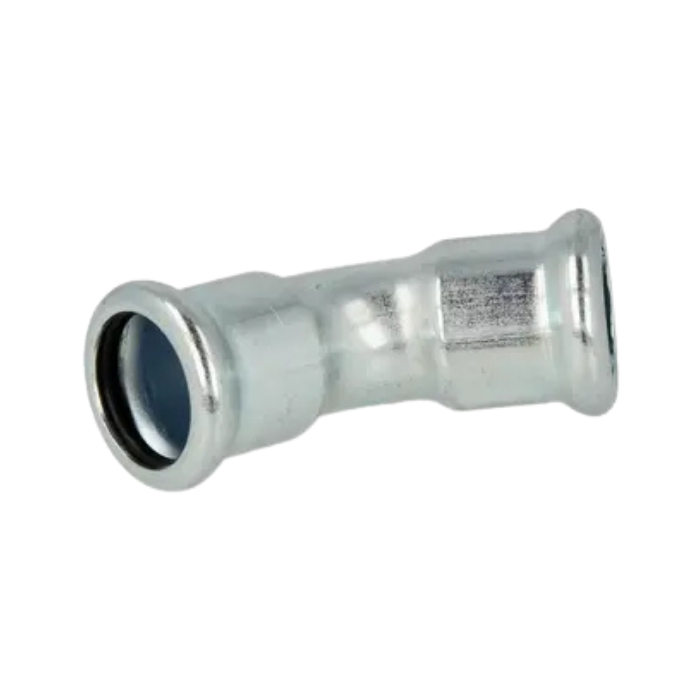
OEG 802004516- C-steel press fitting M-profile 45° elbow (28 mm)
Item no. 344516EAN 4055668024734
Price excl. VAT€ 3,12Price incl. VAT€ 3,78
In stock
Added
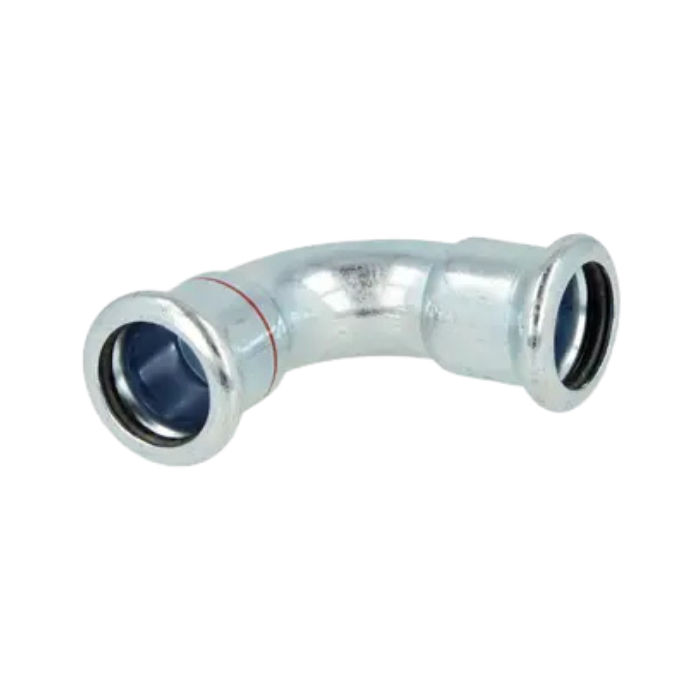
OEG 802004503 - C-steel press fitting M-profile 90° elbow (22 mm)
Item no. 344503EAN 4055668022426
Price excl. VAT€ 2,38Price incl. VAT€ 2,88
In stock
Added
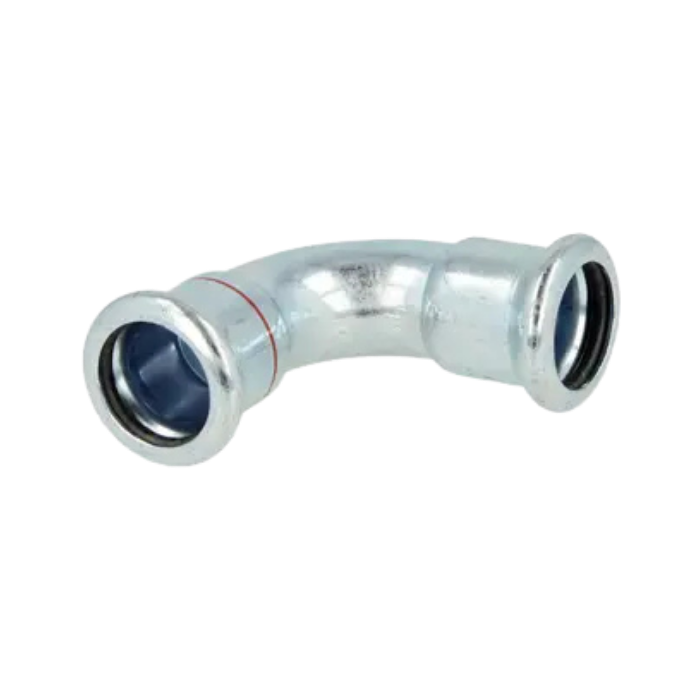
OEG 802004504 - C-steel press fitting M-profile 90° elbow (28 mm)
Item no. 344504EAN 4055668022716
Price excl. VAT€ 3,18Price incl. VAT€ 3,85
In stock
Added
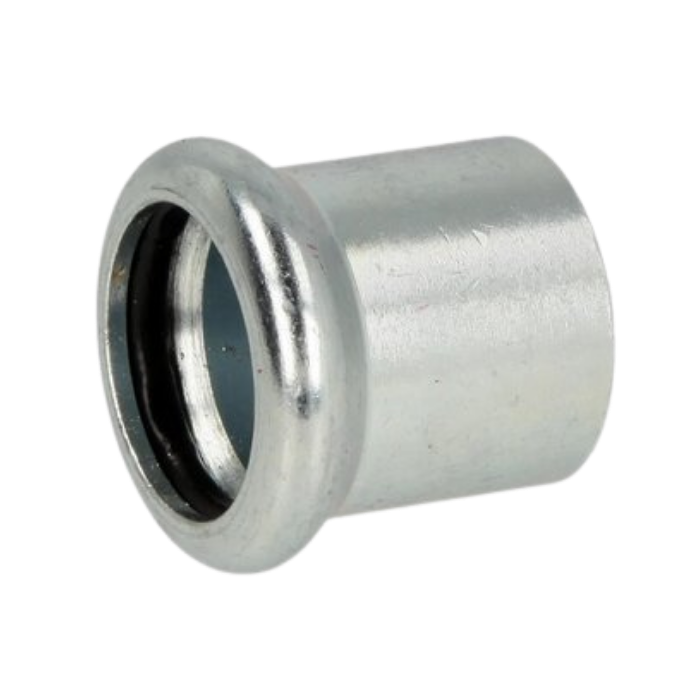
OEG 802004635 - C-steel press fitting M-profile cap (22 mm)
Item no. 344635EAN 4250709500578
Price excl. VAT€ 4,23Price incl. VAT€ 5,12
In stock
Added

BONFIX 2000930 - Brass Press Elbow 90° (32 x 32 mm)
Item no. 110930EAN 8717845020910
Price excl. VAT€ 20,60Price incl. VAT€ 24,93
In stock
Added
Selecting a press fitting
A press fitting is intended for creating a fixed pipe connection using press tools. The fitting is placed around the pipe and deformed with a suitable press jaw or press machine, creating a neat and durable connection. Press fittings are widely used in heating systems, potable water installations, technical pipe systems and service work where speed and repeatable installation are important.
The right choice depends on pipe size, material, press profile, application, pressure class, temperature and connection type. For the broader category, also review fittings for pipework. When removable installation is preferred, compression fitting may be relevant. For threaded connections, transition pieces and fittings with valves, threaded fitting is important.
Important when choosing press fittings
- Check pipe size, wall thickness and pipe material
- Select a press fitting that matches the prescribed press profile
- Check straight connector, elbow, angled fitting, T-piece, reducer or threaded adapter
- Check female thread, male thread, reducer size and connection to valves or appliances
- Use suitable press tools with the correct press jaw or press ring
- Install the fitting without strain and according to the technical instructions
- Check the connection after installation for correct pressing and leak tightness
Permanent connection using press tools
The main advantage of a press fitting is fast and consistent installation. With correct preparation, the pipe is cut square, deburred, checked for damage and inserted into the fitting to the correct insertion depth. The fitting is then pressed using suitable press tools. This creates a fixed connection that does not depend on soldering or a manually tightened compression nut.
For installers, system compatibility is especially important. Press fittings must not be combined randomly with every pipe, press jaw or pipe type. Always check pipe size, press profile, material, O-ring or seal, application temperature, pressure class and technical documentation. An incorrectly selected press fitting can cause leakage, insufficient pressing, material stress or faults in the pipework.
Frequently asked questions about press fittings
What is a press fitting?
A press fitting is a fitting that is secured to a pipe using press tools. This creates a fixed connection between pipes, appliances, valves or transition pieces.
When should I use a press fitting?
A press fitting is used when a fast, neat and permanent connection is required in pipework. The application depends on pipe type, press profile, pressure class, temperature and installation requirements.
Which press fitting do I need?
The correct press fitting depends on pipe diameter, material, connection type, fitting design and press profile. Always check whether the fitting matches the pipe used and the available press tools.
What is the difference between a press fitting and a compression fitting?
A press fitting is permanently pressed onto the pipe with press tools. A compression fitting mechanically clamps the pipe with a compression nut and ring and may be more removable in some situations.
What should an installer check during installation?
Check square cutting, deburring, insertion depth, correct press jaw, correct press profile, strain-free installation, material compatibility and leak tightness after installation.